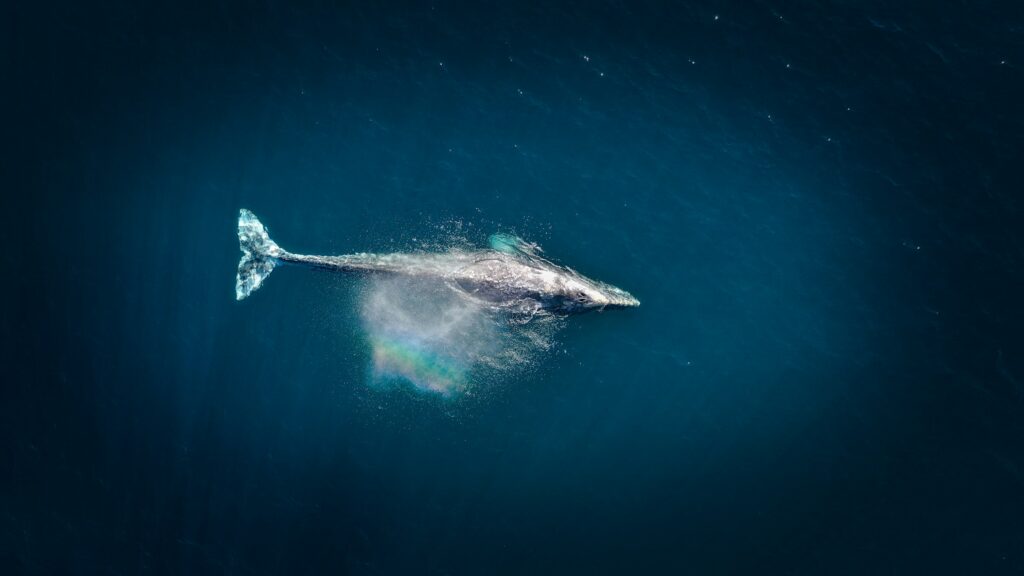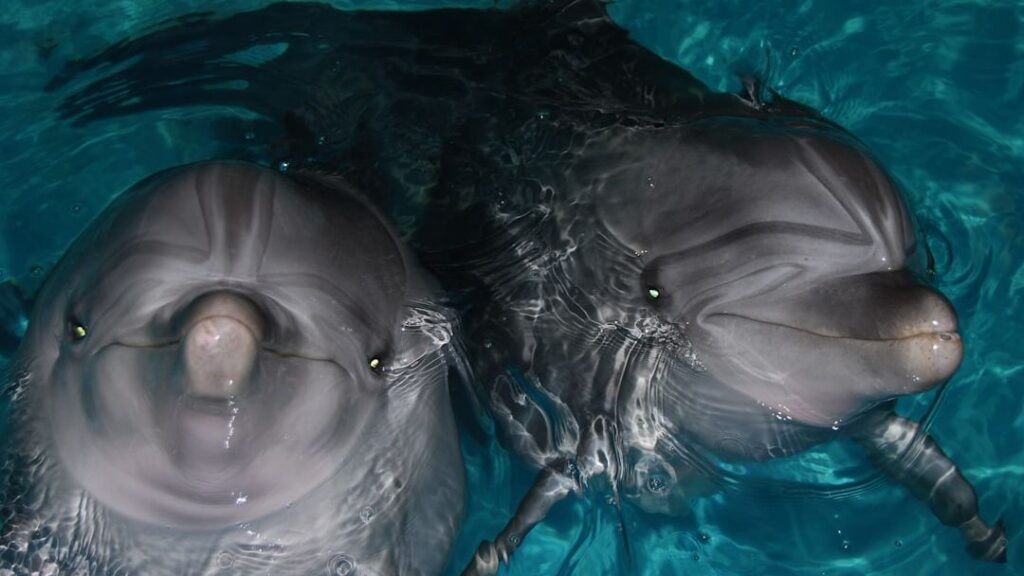
Scientists documented interspecific adoption among bottlenose dolphins in French Polynesia – Image for illustrative purposes only (Image credits: Unsplash)
French Polynesia – Researchers have documented a rare instance of one bottlenose dolphin caring for the young of another species in the open ocean. The observation took place among wild groups and stands out because such cross-species adoptions seldom appear in marine mammal records. This single case offers a window into the flexible social rules that dolphins may follow when raising offspring.
The Adoption in Context
Observers noted that an adult female bottlenose dolphin began protecting and nursing a calf that did not match her own species. The young animal stayed close to the adoptive mother for an extended period, receiving the same care typically given to biological offspring. Field teams tracked the pair over multiple encounters to confirm the behavior continued without interference from other group members.
Researchers recorded the interactions during routine surveys of dolphin populations in the region. The calf appeared healthy and integrated into the daily movements of the adoptive group. No signs of rejection or conflict emerged during the documented sightings.
What Sets This Case Apart
Most dolphin adoptions occur within the same species, making this example unusual. Bottlenose dolphins normally form tight social bonds with familiar individuals, yet here the mother extended those bonds across species lines. The behavior suggests that the drive to care for young can override typical species recognition in certain situations.
Scientists emphasize that the event remains an isolated observation rather than a widespread pattern. Additional sightings would be needed to determine whether similar adoptions happen more often than previously thought. The current record simply shows that the capacity for such care exists in at least one wild population.
Broader Lessons for Marine Behavior
The finding contributes to a growing body of evidence that dolphin societies contain more complexity than simple instinctual responses. Social learning, empathy, and flexible group membership may all play roles when animals decide to invest energy in unrelated young. Each new documented case helps refine models of how these traits evolved in aquatic environments.
Understanding these interactions also informs conservation efforts. When dolphins demonstrate tolerance across species boundaries, it highlights the importance of protecting entire ecosystems rather than isolated populations. Continued monitoring in French Polynesia and similar regions could reveal whether environmental pressures influence the frequency of such events.
Key point: One documented case of cross-species care adds evidence that dolphin social behavior can be more adaptable than expected, though broader patterns remain unclear.
The observation underscores how much remains to be learned about the inner lives of marine mammals. Further careful study will clarify whether this adoption represents an exception or a hint of wider behavioral flexibility.