Gashaka Gumti National Park, Nigeria – Deep within Nigeria’s largest protected wilderness, spanning 600,000 hectares, the Nigeria-Cameroon chimpanzee clings to survival as the world’s rarest subspecies. This critically endangered primate, with only 3,500 to 9,000 individuals left across fragmented habitats, found one of its key strongholds here until insecurity forced researchers away nearly a decade ago. Now, bolstered by local determination and innovative tools, conservationists are piecing together signs of recovery.
A Premier Research Site Falls Silent
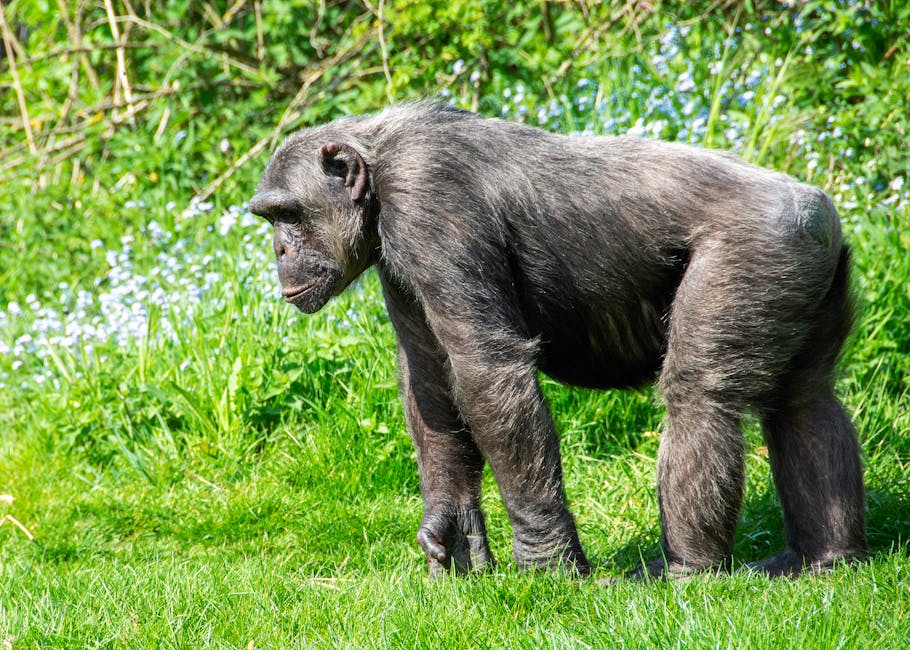
A Premier Research Site Falls Silent (Image Credits: Pexels)
Gashaka Gumti once thrived as West Africa’s leading center for chimpanzee studies. Scientists flocked to its diverse landscapes, from lowland rainforests to montane cloud forests, to observe the Nigeria-Cameroon chimpanzee in its natural domain. Field stations buzzed with activity, and rangers patrolled vigorously.
That changed in the late 2010s. Insurgents linked to Boko Haram raided nearby areas, sparking widespread fear. Tourists vanished, researchers withdrew by 2018, and even most rangers abandoned posts. Structures at key sites like Kwano crumbled into ruin, leaving the park exposed to poachers and bandits. Nigeria had already lost 70% of its wildlife over the previous half-century, and Gashaka faced similar perils.
Local Guardians Hold the Line
Amid the chaos, a few locals refused to yield. Maigari, a field assistant from Gashaka village, continued trekking into the bush. Born and raised there, he learned tracking skills from his hunter father and viewed the chimpanzees as personal friends. “It’s our bush. If they want to kill me, they will kill me because the chimps are my friends,” he declared.
Maigari patrolled without pay, monitoring primates to deter poachers. He boasted, “No one in Gashaka can track chimps as well as I can. No one! I’m a bushman. Seriously bushman.” Other assistants joined him sporadically, risking kidnappings and attacks. Their persistence preserved a fragile continuity. Conservationist Elisha Emmanuel later hailed them as heroes, crediting their presence with keeping the park viable.
Revival Through Partnership and Technology
A pivotal shift came in 2018 when Nigeria’s government partnered with the Africa Nature Investors Foundation, a local nonprofit. The agreement facilitated the recruitment and training of over 180 rangers, restoring patrols with proper equipment. Gunshots that once echoed during tracks faded away, Emmanuel reported. Security improvements opened doors for science to return.
The comeback featured an ambitious camera-trap survey. A new helicopter allowed teams to reach remote ridges, basins, and peaks like Chappal Waddi, deploying devices across inaccessible terrain up to 100 kilometers deep. Sites included Kwano, Madem Valley, Gangirwal, and the highlands. Early footage revealed previously unknown chimpanzee groups, some with mothers carrying infants – troops of six or seven individuals foraging for honey.
These discoveries extended beyond primates. Cameras exposed poacher camps, illegal grazing, and a new mining operation in the north, informing targeted protections. Plans now encompass broader surveys and new research outposts.
Persistent Threats Demand Vigilance
Challenges linger. Poaching persists for bushmeat and traditional medicines, fueled by Nigeria’s role as a wildlife trafficking hub with porous borders. Rangers once confronted hunters armed only with sticks or outdated rifles, discovering scenes like 24 slain monkeys with minimal arrests. The park’s proximity to Cameroon adds cross-border risks.
Yet progress shows. No major incidents have marred recent patrols, and chimpanzee signs suggest population growth. Gashaka Gumti safeguards 11 primate species amid over 100 mammals and exceptional bird diversity, underscoring its global importance.
- Co-management boosted ranger numbers from near zero to over 180.
- Helicopter access unlocked vast, unmapped areas.
- Infant-carrying chimps signal breeding success.
- Threat mapping aids habitat defense.
- Local knowledge bridges research gaps.
Key Takeaways
- Gashaka’s revival hinges on local heroes like Maigari, proving community roots essential for conservation.
- Camera traps offer safe, efficient monitoring in high-risk zones.
- Population rebounds could position the park as a flagship for Nigeria-Cameroon chimp recovery.
These efforts transform Gashaka Gumti from a forsaken frontier into a beacon of resilience. As researchers eye full habituation and long-term studies, the Nigeria-Cameroon chimpanzee’s future brightens slightly. What do you think of these grassroots triumphs over adversity? Tell us in the comments.