Southwestern China – A remarkable collection of over 700 fossils unearthed in Yunnan Province has revealed that complex animals thrived millions of years earlier than scientists once assumed. These specimens from the Jiangchuan Biota, dating to between 554 million and 539 million years ago, capture delicate details of soft tissues, guts, and limbs preserved in thin carbonaceous films. The finds bridge a critical gap in the fossil record, suggesting evolutionary developments long associated with the Cambrian explosion began in the waning days of the Ediacaran Period.
A Trove That Defies Expectations
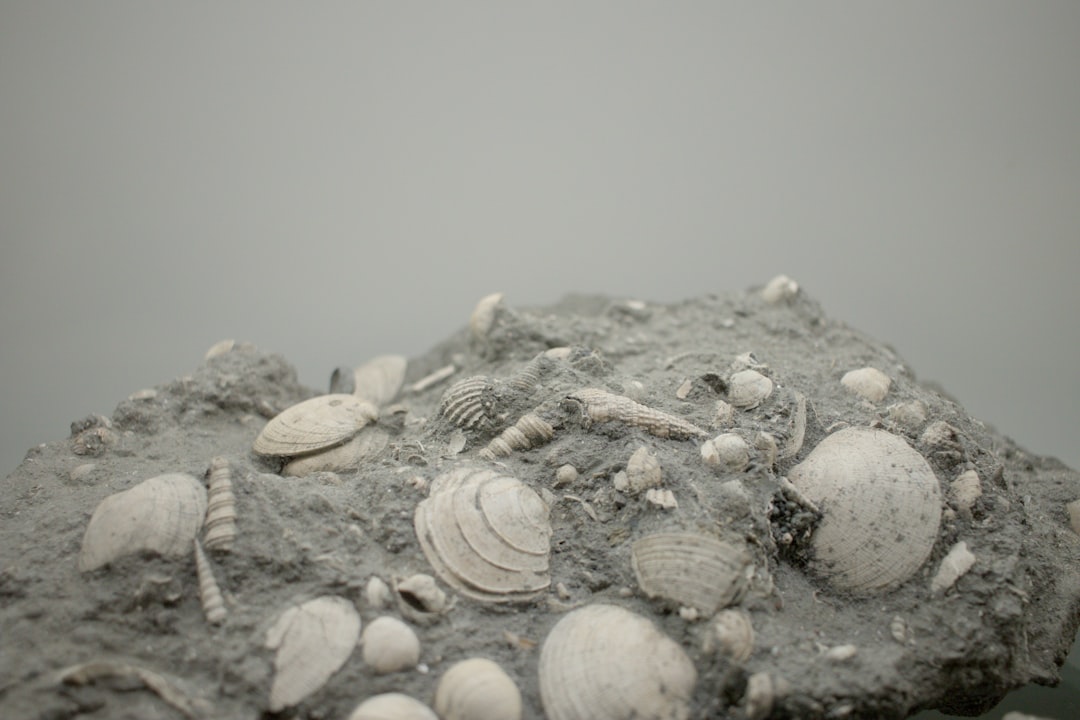
A Trove That Defies Expectations (Image Credits: Unsplash)
Researchers first encountered the fossils along a roadside exposure near the UNESCO-listed Chengjiang site, where geological layers allow a literal walk through deep time. The Jiangchuan Biota spans just 50 square meters but yielded an astonishing diversity of organisms, many preserved as two-dimensional impressions that reveal internal structures invisible in prior Ediacaran deposits. This rare carbonaceous compression preserved entire bodies, from feeding tentacles to anchoring holdfasts, offering unprecedented clarity on late Ediacaran marine life.
Teams from Yunnan University and the University of Oxford documented the haul in a study published in Science. Lead analysis showed these creatures coexisted with algae in a vibrant seafloor community. The preservation mode, akin to later Cambrian lagerstätten, explained why such complexity evaded detection elsewhere.
Strange Beasts of the Ediacaran Seas
Among the fossils stood worm-like bilaterians, finger-sized animals with flat discs anchoring them to the ocean floor and segmented bodies hinting at active burrowing or crawling. Sausage-shaped forms displayed end-positioned mouths and visible digestive tracts, while goblet-like structures evoked early cnidarians related to jellyfish and corals. Tentacled organisms resembled Herpetogaster, previously known only from Cambrian rocks.
Other highlights included U-shaped deuterostomes tethered by stalks, with head tentacles for capturing prey – possible kin to starfish and acorn worms. A vermiform fossil with an invertible feeding apparatus added to the menagerie. Here is a summary of standout forms:
- Worm-like bilaterians with holdfast anchors for seafloor attachment.
- Haootia-like goblets with miniature arms, early cnidarian relatives.
- Segmented, tentacled predators akin to Cambrian species.
- U-shaped ambulacrarians, potential deuterostome precursors.
- Sausage-bodied crawlers showing gut and mouth details.
These bilateral symmetric animals marked a shift from the flatter, enigmatic Ediacaran fronds to more dynamic, three-dimensional lifestyles.
Redefining the Cambrian Explosion
The Cambrian explosion, starting around 539 million years ago, long symbolized a sudden diversification of animal phyla, including arthropods and mollusks. Yet molecular clocks hinted at deeper roots, a view fossils struggled to support until now. The Jiangchuan evidence pushes bilaterian and deuterostome origins back at least four million years, blurring Ediacaran-Cambrian boundaries.
“Our discovery closes a major gap in the earliest phases of animal diversification,” stated paleobiologist Gaorong Li of Yunnan University. Co-author Ross Anderson of Oxford noted the site’s mix of familiar and novel forms indicates preservation biases hid prior complexity. This transitional fauna suggests the explosion built on pre-existing developmental toolkits, fueled by rising oxygen and ecological feedbacks.
Tracing Roots to Vertebrates and Beyond
Deuterostomes in the assemblage intrigue most, as this clade encompasses vertebrates – from fish to humans – alongside echinoderms. The U-shaped fossils, with their feeding tentacles, represent the earliest fossil hints of this lineage. Bilaterians dominated, foreshadowing the body plans of most modern fauna.
Experts like Frankie Dunn of Oxford described the shift: from two-dimensional worlds to animals “doing everything, and changing biogeochemical cycles.” The site resolves tensions between genetic data and rocks, affirming animals churned sediments and preyed upon each other eons before the Cambrian peak.
| Period | Key Features | Timeline (mya) |
|---|---|---|
| Early Ediacaran | Simple fronds, microbial mats | ~635-575 |
| Late Ediacaran (Jiangchuan) | Bilaterians, deuterostomes, soft-tissue complexity | 554-539 |
| Cambrian Explosion | Phyla diversification, hard shells | 539-520 |
Key Takeaways
- The Jiangchuan Biota documents complex animals 4+ million years pre-Cambrian, via exceptional soft-tissue preservation.
- Bilaterians and deuterostomes evolved earlier, linking to vertebrate ancestry.
- Cambrian “explosion” likely extended a gradual Ediacaran buildup, not a singular event.
This discovery not only rewrites prehistoric timelines but invites deeper probes into life’s pivotal transitions. As paleontologists hunt similar sites, the story of our ancient origins grows richer. What does this mean for understanding evolution’s pace? Share your thoughts in the comments.