When you imagine where alien life might be hiding, you probably picture distant planets bathed in starlight, not pitch-black seafloors on your own world. Yet some of the most compelling clues for life elsewhere may be bubbling up right now from deep ocean vents, far below the waves you see at the surface. Down there, in crushing pressure and eternal darkness, chemistry turns into energy, rock meets water, and microbes do something extraordinary: they live without sunlight.
If you understand how life hangs on in these extreme places on Earth, you get a powerful blueprint for what to look for on ocean worlds around other stars. Deep vents show you that life does not need a cozy beach or a blue sky; it might start wherever water, rock, and energy collide. Once you see vents through that lens, they stop being just a strange curiosity on the seafloor and become a kind of time machine pointing back to Earth’s beginnings – and forward to worlds you have not yet discovered.
The Alien World Hiding On Your Own Planet
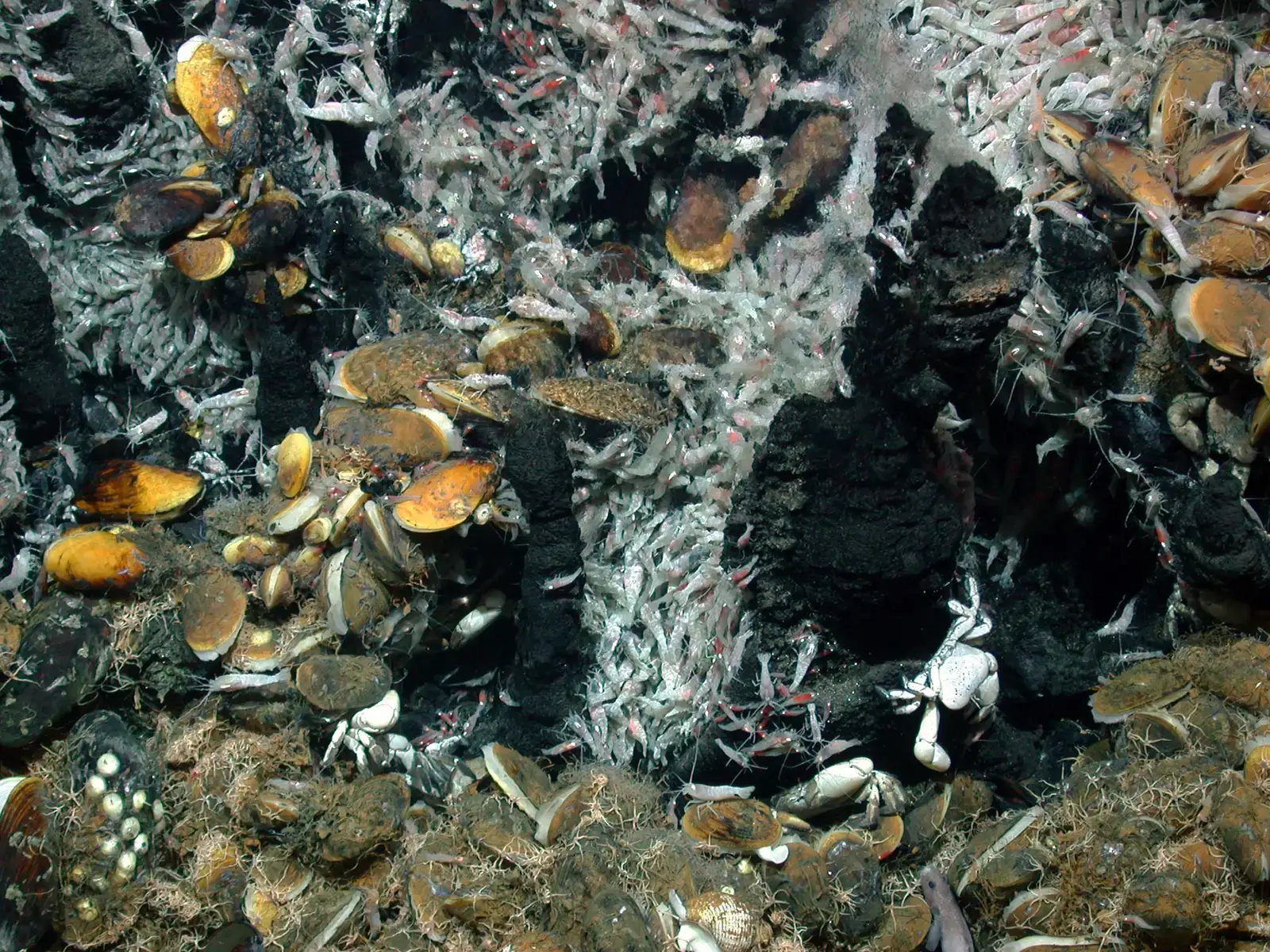
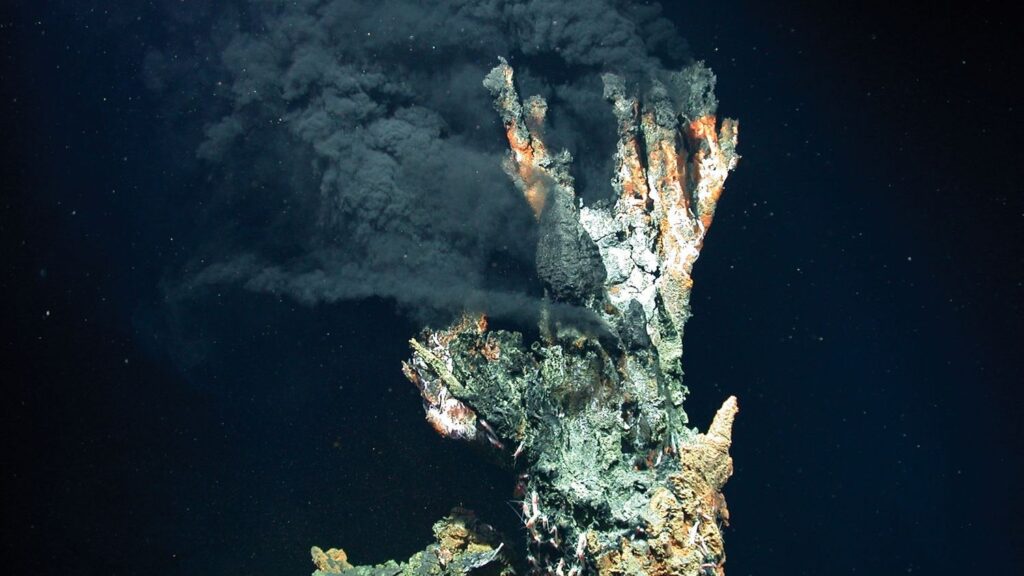
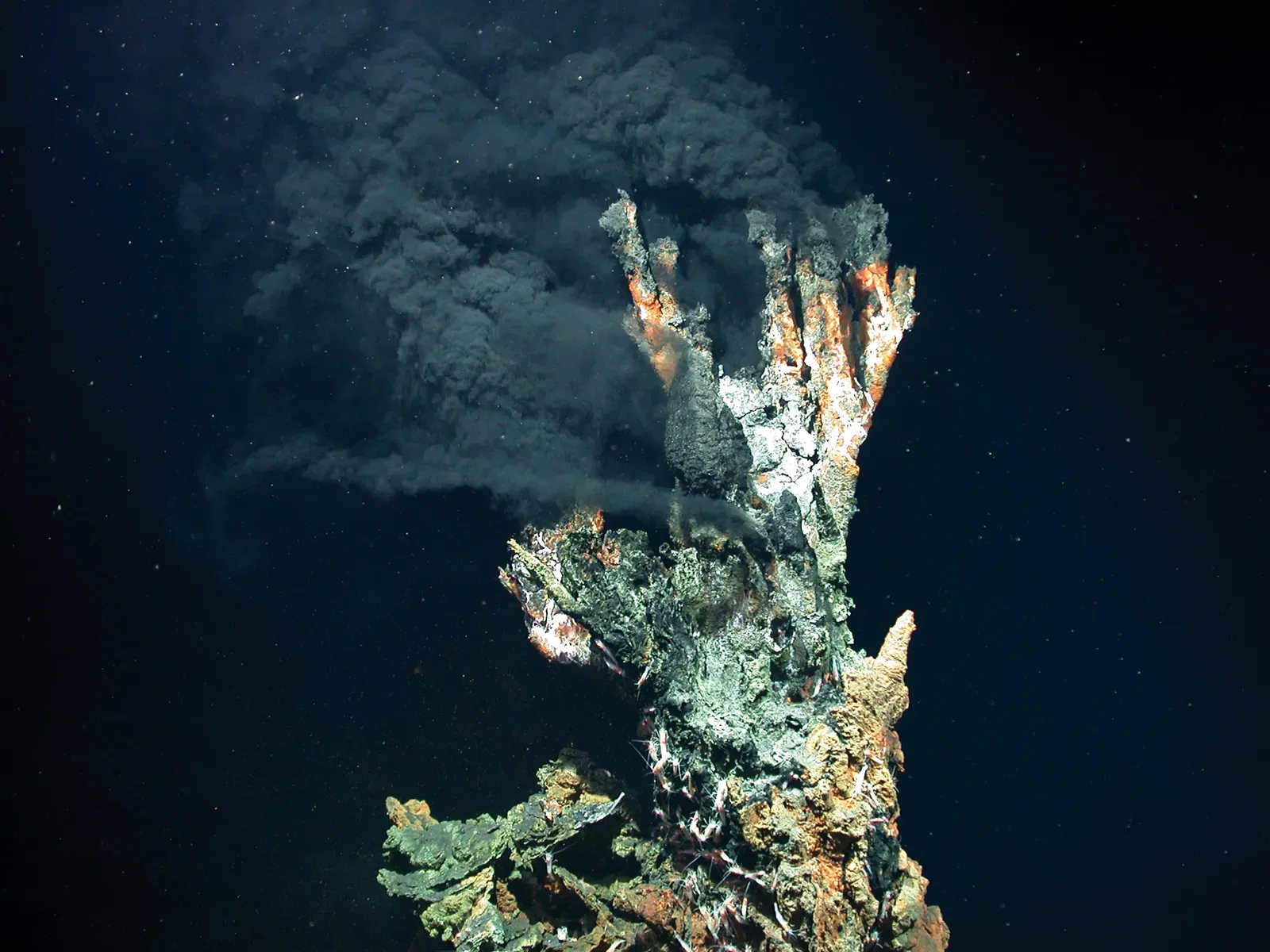
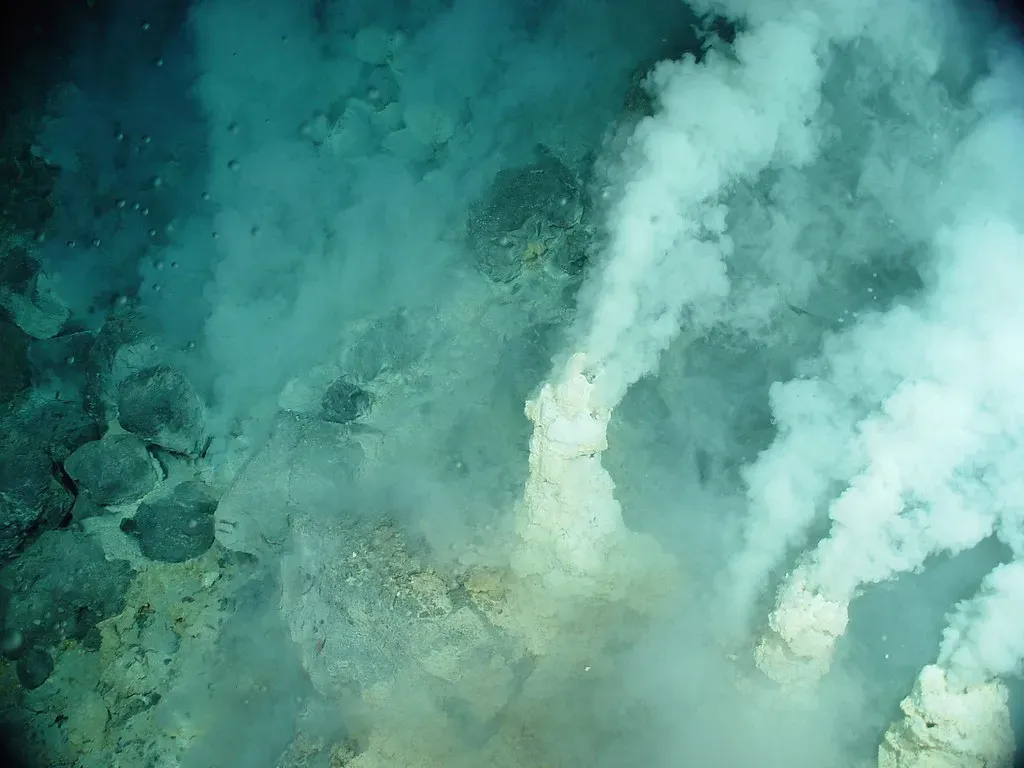
If you could drop down in a submersible to a deep ocean vent, you’d feel like you had left Earth entirely. The water is nearly freezing just a few meters away, yet here at the vent, superheated fluid rich in metals and chemicals gushes out like underwater geysers. Sunlight never reaches this far, so you wouldn’t see green plants or bright coral; instead, you’d find ghostly white crabs, giant tube worms, and dense mats of microbes clinging to black chimneys that look almost volcanic.
What makes this world so strange is that everything you see is powered not by light, but by chemistry. Microorganisms around vents tap into hydrogen, methane, and sulfur compounds and use them the way surface life uses sunlight – as a source of energy to build organic molecules. When you realize an entire ecosystem is thriving with zero dependence on the sun, it becomes easier to imagine how life might flourish in the dark oceans of distant exoplanets, even if their stars are faint or hidden behind thick clouds.
How Hydrothermal Vents Turn Rock And Water Into Energy
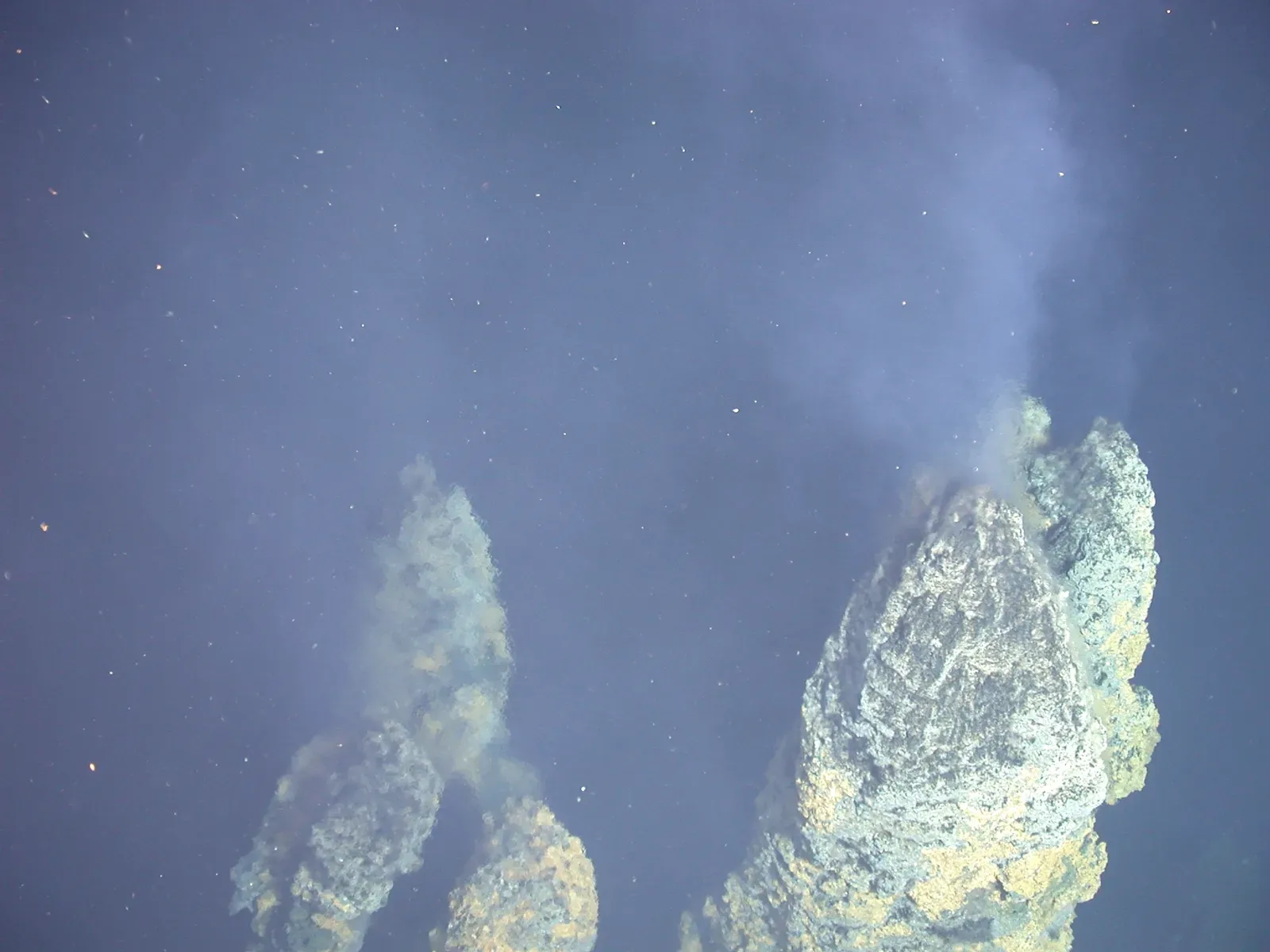
Deep ocean vents exist because your planet is still geologically alive. Seawater seeps into cracks in the seafloor, circulates through hot rock beneath, and picks up heat, minerals, and reduced chemicals along the way. When that fluid blasts back out at the vent, it carries hydrogen, methane, and sulfide – energy-rich molecules that microbes can exploit the way you might burn fuel in an engine. The temperature contrast between the hot vent fluid and the cold surrounding seawater also creates powerful chemical gradients, like tiny natural batteries across which life can do work.
To a microbe, those gradients are pure opportunity. Some organisms use hydrogen and carbon dioxide to build organic material, releasing methane or other products in the process. Others rely on sulfur chemistry, turning toxic hydrogen sulfide into something usable while harvesting energy. If you imagine a rocky exoplanet or an icy moon with liquid water and an active interior, you can see how the same basic physics could set up similar chemical engines. You do not need a friendly atmosphere or bright sun – only water, rock, and ongoing geological activity that keeps the chemistry out of balance.
Why Many Scientists Think Life May Have Started At Vents
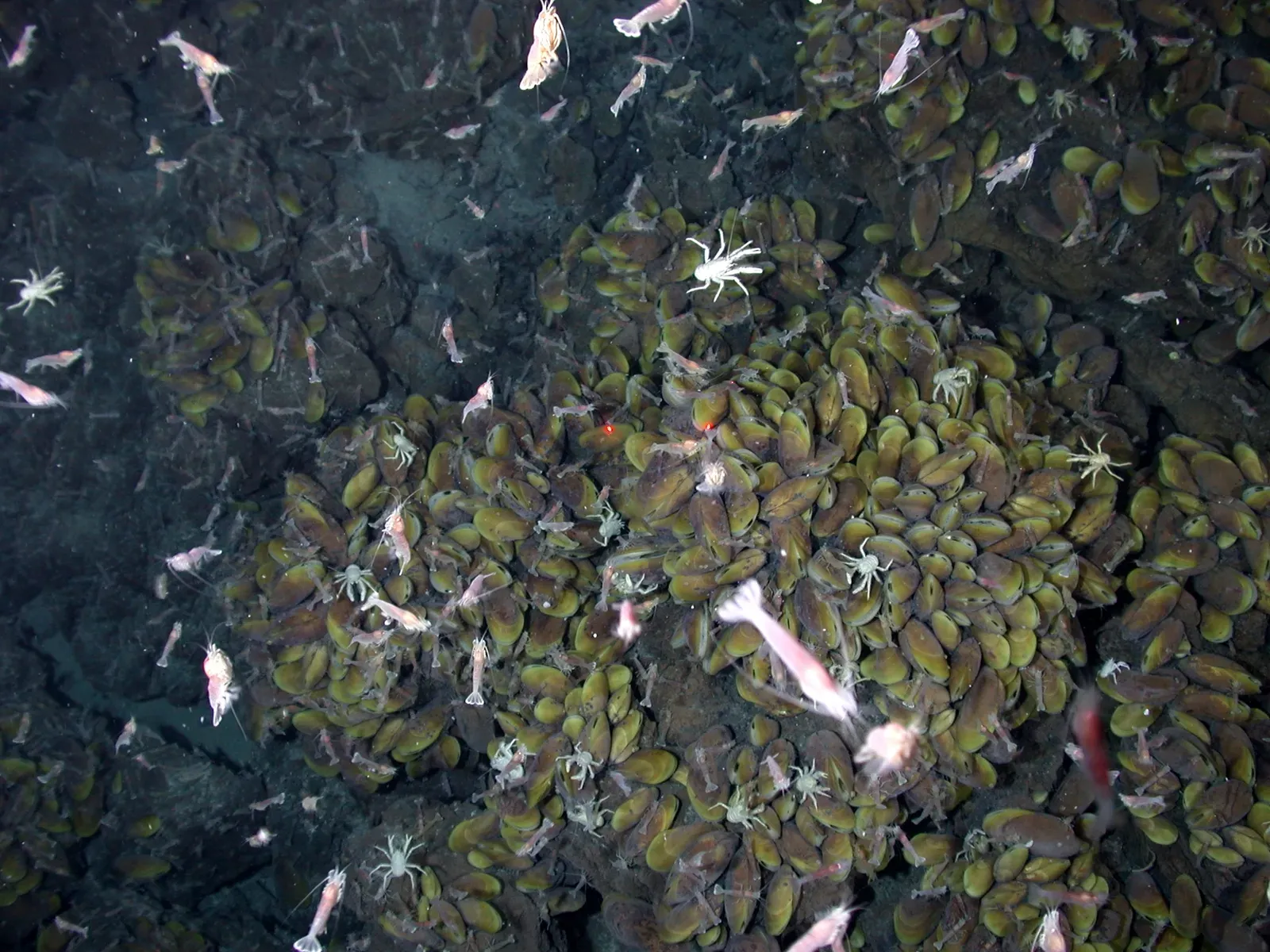
When you try to picture how life first emerged on Earth, deep ocean vents offer a surprisingly practical setting. They provide a stable source of energy, abundant minerals, and natural structures where molecules can concentrate and react. Some types of vents, called alkaline hydrothermal vents, contain porous rock full of microscopic compartments. Those tiny spaces can act like ready-made reaction cells, helping simple molecules bump into each other more often and gradually forming more complex chemistry.
In these vent environments, you also get natural chemical gradients – differences in pH and electrical charge across thin barriers – that resemble the energy systems your own cells still use today. Instead of needing complex machinery right away, early chemistry may have simply tapped into conditions that vents already provided. If life could emerge from a combination of water, minerals, and long-lasting gradients on early Earth, then similar vents on another world might offer the same recipe. That idea turns vents into one of the most important places to study if you want to understand where to look for life beyond your solar system.
Ocean Worlds Beyond The Sun: Where Vents Might Exist
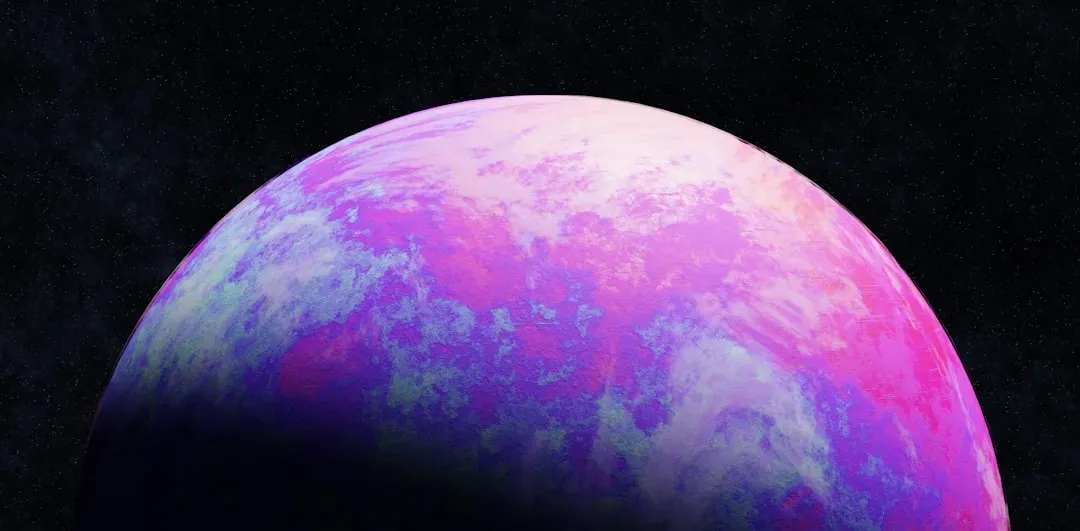
Once you accept that life can thrive deep in an ocean, cut off from sunlight, a whole new class of possible habitats opens up. Many exoplanets discovered so far are thought to be water-rich, with thick global oceans that could be dozens or even hundreds of kilometers deep. Even if their surfaces are too cold, too hot, or too hostile, the interiors of these planets might still be warm from radioactive heating and tidal forces, allowing liquid water to sit against rock and create hydrothermal systems at the seafloor.
You can also apply this same thinking closer to home, to the icy moons orbiting giant planets. Moons such as Europa and Enceladus are believed to hide saltwater oceans beneath ice crusts, in contact with rocky cores that may still be geologically active. If that rock is interacting with water, vents could be forming on their hidden seafloors right now. You do not need direct sunlight for these worlds to be habitable; you just need enough internal heat to keep the water from freezing and enough chemistry to fuel microbes where rock and ocean meet.
What You’d Actually Look For On Distant Vent-Driven Worlds
Of course, you cannot send a submersible to an exoplanet’s seafloor anytime soon, so you have to be clever about what you look for from afar. One strategy is to search for atmospheric signatures that do not make sense without life, such as unusual combinations of gases that should react away quickly unless something keeps replenishing them. If vent-driven ecosystems exist on a distant world, they might produce methane, hydrogen, or other trace gases that slowly leak out of the ocean and rise into the atmosphere in detectable ways.
You can also watch how a planet’s atmosphere changes over time. If you see gas levels that vary in a pattern or stay far from what simple chemistry predicts, that might hint at active processes below the surface. For closer targets, such as icy moons in your own solar system, spacecraft can fly through plumes of material ejected into space and test them directly. If those plumes contain certain organic molecules or specific ratios of gases, they can give you a tantalizing glimpse of possible vent-like chemistry happening in the hidden ocean below.
What Earth’s Vent Ecosystems Teach You About Alien Biology
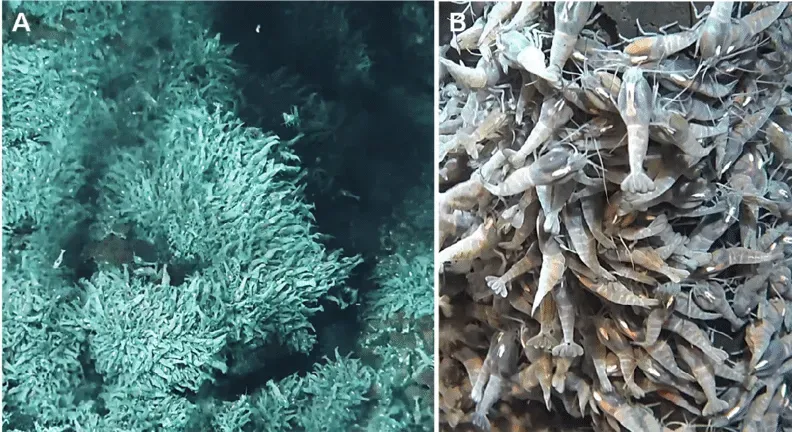
When you study animals and microbes around vents, you are really exploring the outer edges of what life can tolerate. Many vent organisms handle pressures that would crush your bones, temperatures that swing from near freezing to hot enough to cook food, and chemical conditions that would be instantly lethal to most familiar species. Some microbes eat hydrogen or sulfide, others love acidic or alkaline conditions, and a few can even cling to metal sulfide chimneys like living paint. Every time you find a new species in these environments, you update your sense of what is biologically possible.
That matters enormously when you think about life elsewhere, because it reminds you not to underestimate nature’s flexibility. Once you see shrimp with light-sensing patches on their backs navigating in near-total darkness, or worms with no mouths relying on symbiotic bacteria to feed them, you realize alien life may not look anything like what you are used to. Instead of expecting trees, fish, or familiar microbes, you can prepare for organisms that have adapted to whatever energy sources and chemistries their vents provide. Studying Earth’s vent communities gives you a catalogue of survival strategies that you can keep in mind when you interpret faint signals from distant worlds.
How Future Missions Could Probe Vent-Like Worlds
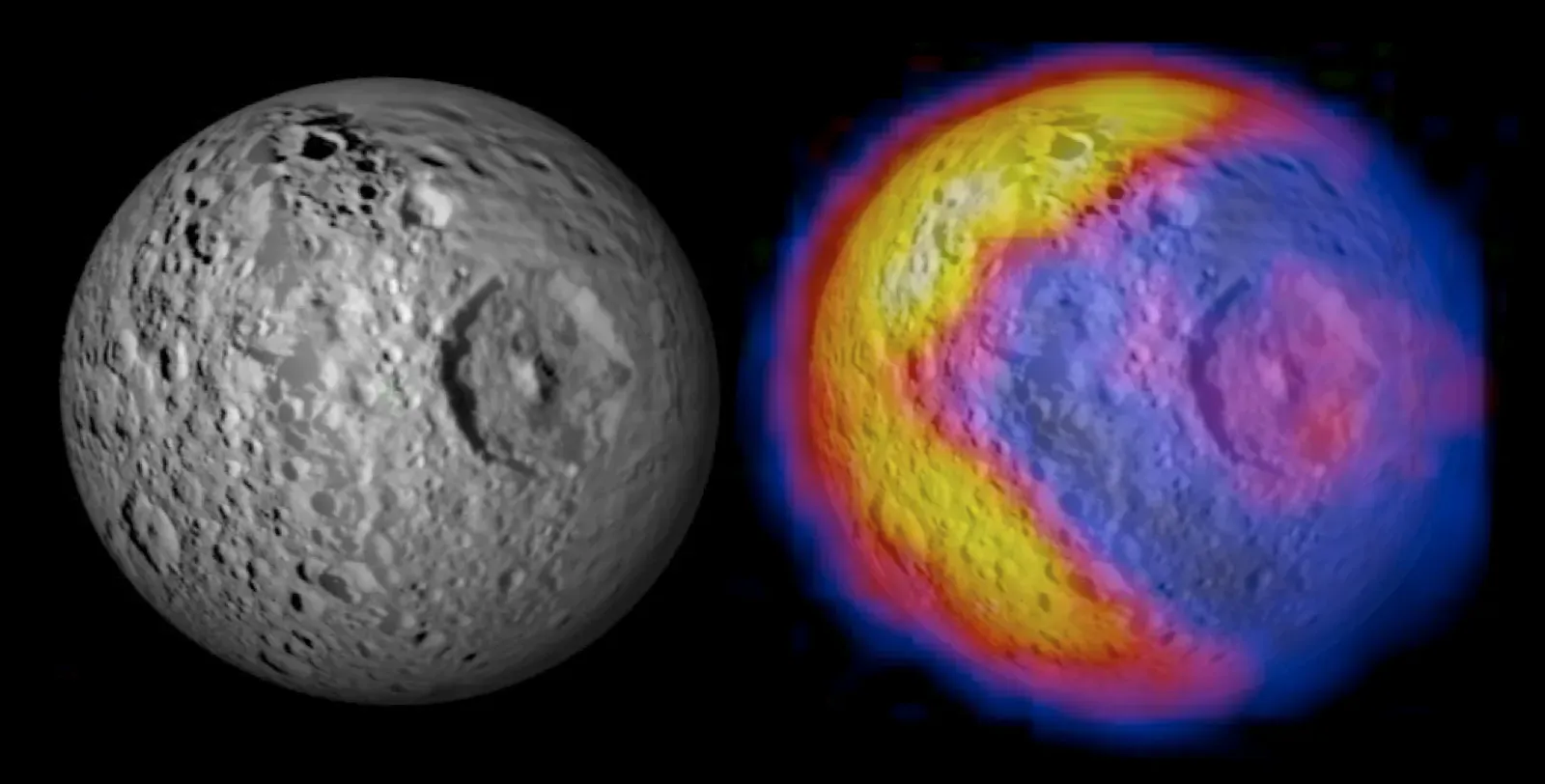
If you want to truly test the idea that deep vents could host alien life, the most direct way is to explore ocean worlds up close. Upcoming and proposed missions aim to map icy moons in detail, measure their internal oceans, and analyze any material that escapes into space. Instruments can look for telltale patterns in organic molecules, check for signs of ongoing hydrothermal activity, and test whether the chemistry is rich enough to support life similar to what you see at Earth’s vents. Each sample of dust or ice becomes a tiny messenger from a hidden ocean you cannot yet see.
Farther out, improvements in telescopes will let you characterize exoplanet atmospheres with more precision, even around smaller, cooler stars. With better data, you can compare observed gas mixtures to what geologic and chemical models predict for lifeless planets. If something does not add up – if a planet seems to be constantly leaking gases that should be rare – that tension could point you back to vent-driven ecosystems beneath a global sea. You might never see the vents themselves, but by combining lessons from Earth with smart observations, you can still narrow down where to search and what questions to ask.
What This Means For Your Place In The Universe
When you follow the trail from deep ocean vents to distant exoplanets, your view of the universe quietly shifts. Life starts to look less like a remarkable accident that happened once on a sunny young Earth and more like a possible natural outcome wherever water, rock, and energy interact over long periods. Instead of needing a perfect Earth twin, you can imagine countless worlds with dark oceans and restless interiors, each running its own experiments in chemistry and biology below the surface.
At the same time, vents remind you that your own planet is still full of mysteries. Vast stretches of the seafloor remain unexplored, and new species continue to be discovered whenever researchers manage to peer into those depths. As you search for life beyond your solar system, you are also, in a way, still discovering Earth. The next time you look up at the night sky and wonder whether you are alone, you might also think about the unseen vents on the seafloor and ask yourself: if life can thrive there, in the darkest corners of your own ocean, how many hidden oceans out there might be alive right now?