When you look at a dinosaur skeleton in a museum, it’s easy to see it as just a pile of old bones. But if you lean in a little closer, you’ll realize those bones are more like pages from a diary, packed with secret notes about how these animals lived, fought, migrated, raised their young, and died. You’re not just staring at fossils; you’re staring at physical memories from a world that vanished tens of millions of years ago.
The wild part is that scientists can now read those memories with an almost shocking level of detail. From tiny scratches on teeth to chemical traces locked inside the bones, every fossil is a data-rich time capsule. When you understand how to “read” them, those bones stop being dusty relics and start sounding more like voices from the deep past, telling you .
How Dinosaur Bones Are Formed Into Fossils You Can Actually Hold
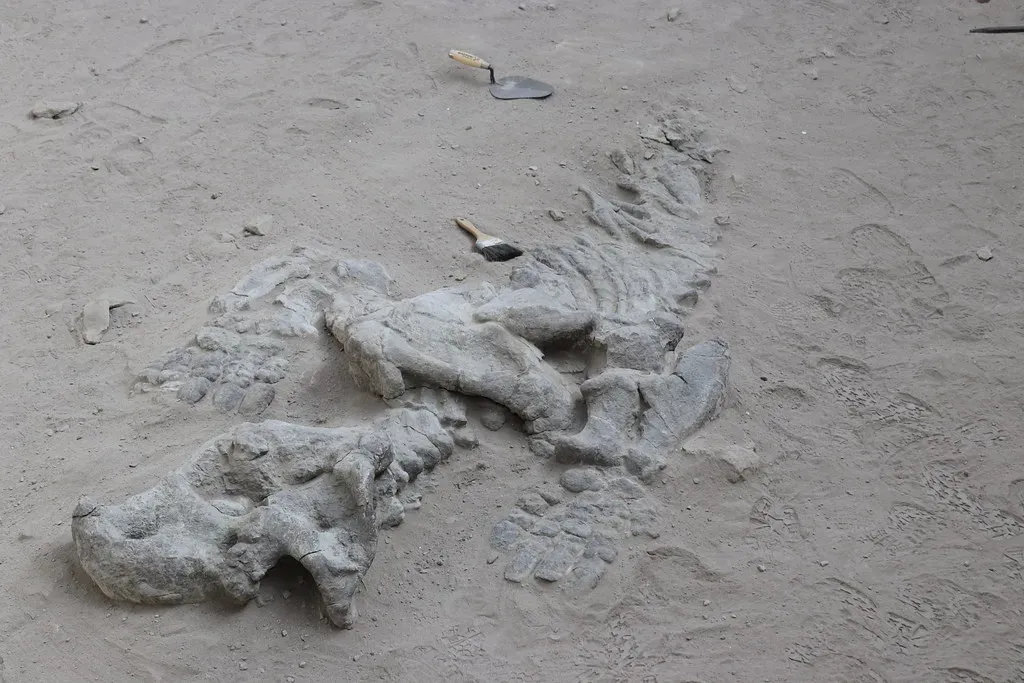
If you want to understand what dinosaur bones can tell you, you first need to know how they survived for so long in the first place. When a dinosaur died, its body didn’t magically turn into stone overnight; it usually had to get buried quickly by mud, sand, ash, or silt before scavengers and weather completely destroyed it. If that fast burial didn’t happen, you wouldn’t be holding anything millions of years later.
Over time, groundwater seeped through the buried bones, carrying minerals that slowly replaced the original bone material, cell by cell. You end up with something that looks like bone but is actually rock, sometimes preserving microscopic structures that once belonged to living tissue. When you pick up a fossilized bone, you’re really holding a stone copy so precise that you can often still see blood vessel channels, growth rings, and tiny surface scratches that record a dinosaur’s life like a journal written in mineral ink.
Skeletons Reveal How Dinosaurs Moved, Hunted, and Survived
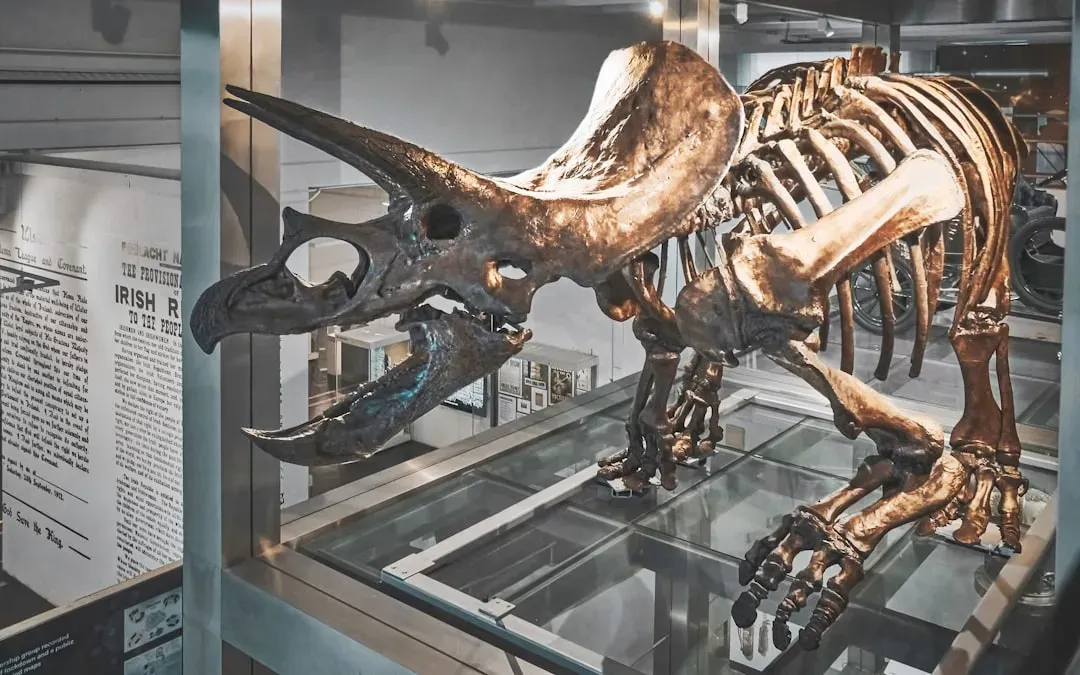
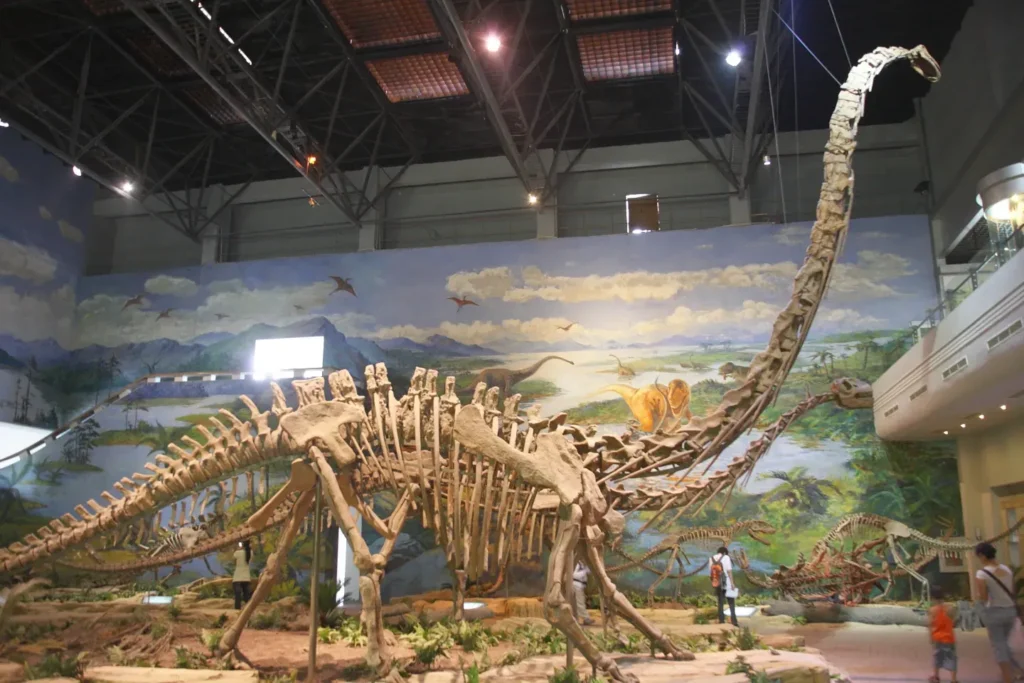
When you look at a dinosaur skeleton from head to tail, you’re basically looking at a blueprint of how that animal lived. Long, slender leg bones with strong muscle attachment scars tell you a dinosaur was built to run, while thick, column-like legs scream slow and heavy. If the tail vertebrae are stiffened with bony rods, you’re probably looking at an animal that used its tail for balance while sprinting or pivoting fast.
Jaw shape and tooth style are another goldmine of clues. Sharp, blade-like teeth and powerful jaw muscles suggest you’re dealing with a predator that tore flesh, while flat, ridged teeth and a wide gut cavity point to a plant eater built like a walking fermentation tank. Once you start to notice these patterns, you realize you can “read” a dinosaur’s lifestyle from its bones just like you might guess an athlete’s sport from the shape of their body.
Growth Rings in Bones Let You Watch a Dinosaur Grow Up
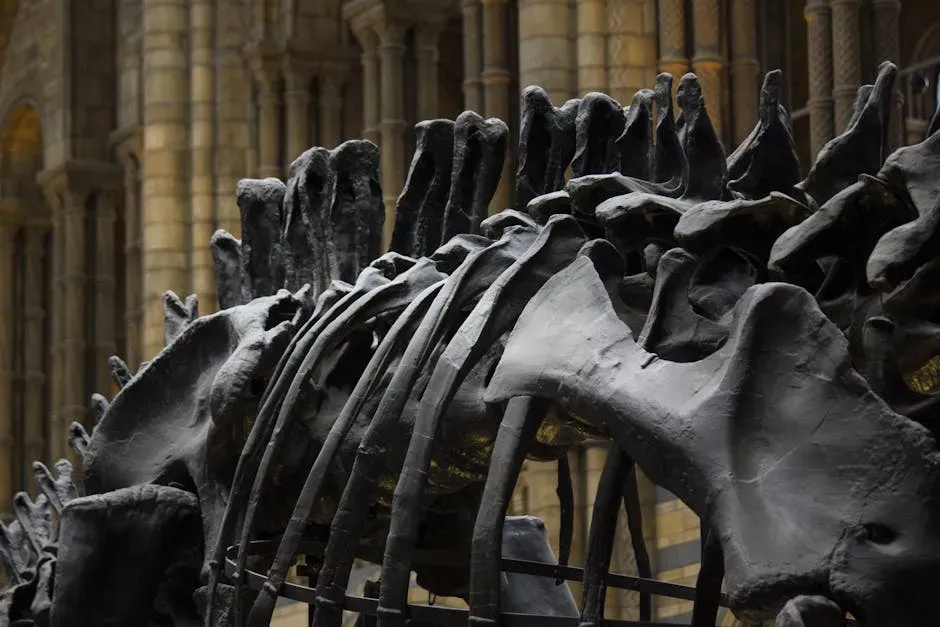
If you could slice through the long bone of a dinosaur and look under a microscope, you’d often see rings similar to the rings in a tree trunk. These growth rings record periods when bone grew quickly and times when growth slowed down, usually tied to seasons, food availability, or life stages. By counting and measuring them, you can estimate how old a dinosaur was when it died and how fast it grew during different years of its life.
This is how you find out that some large dinosaurs went from hatchling to bus-sized in what feels like geological fast-forward. You might see dense, closely spaced rings at first, showing a burst of early growth, then wider spacing as the animal reached adulthood and slowed down. When you compare juveniles and adults, you can even see how body proportions changed through life, giving you a glimpse of dinosaur “teenage years” that no one would ever suspect just by looking at a single mounted skeleton.
Teeth and Bite Marks Tell Stories of Predator and Prey
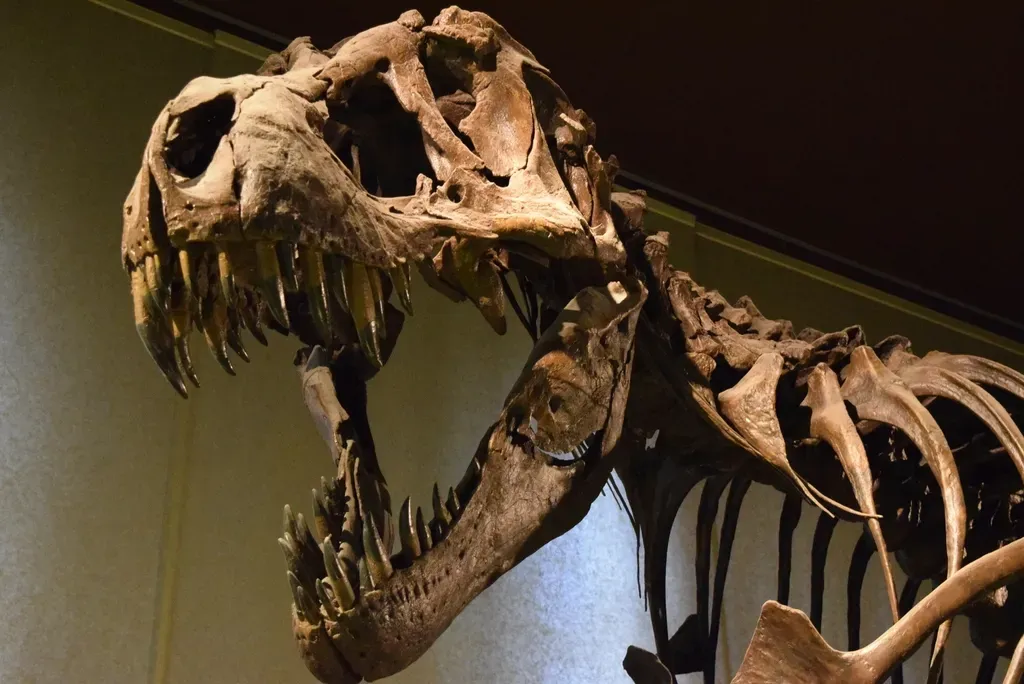
Dinosaur teeth are like little personality profiles. If you pick up a tooth from a big carnivorous dinosaur, you might notice it’s curved and serrated, almost like a steak knife. That shape helps it slice through flesh, and the wear patterns tell you whether it was slicing, crushing, or pulling. In contrast, the peg-like or leaf-shaped teeth of herbivores are built for grinding and stripping plants, often showing heavy wear from a lifetime of chewing tough vegetation.
Then you have bite marks, which are basically crime scene evidence from the ancient world. When you find bones with tooth impressions that match a known predator, you can link killer to victim, and sometimes even tell whether a dinosaur was hunted or scavenged after death. You can see signs of repeated biting, gnawing, and in some rare cases, healing around bite marks, showing that an animal survived an attack. In those moments, you’re not just looking at fossils; you’re reconstructing real, violent encounters that once played out in prehistoric ecosystems.
Bone Damage Reveals Injuries, Diseases, and Tough Lives
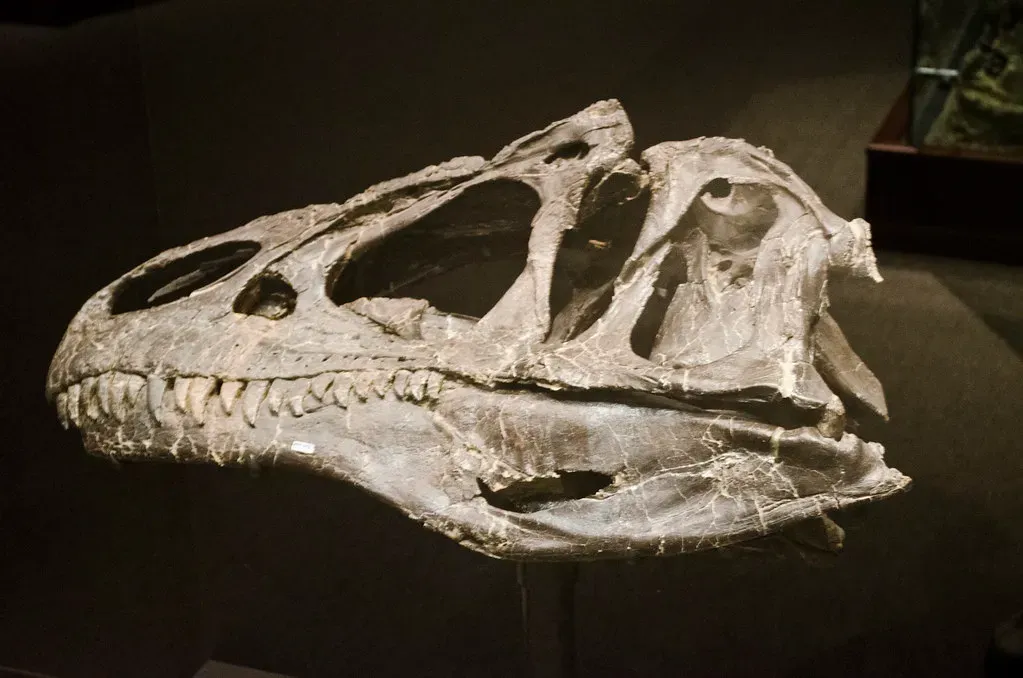
Dinosaur bones do not always look pristine, and the damage you see is incredibly revealing. Healed fractures show you that a dinosaur broke a limb or a rib at some point but survived long enough for the bone to repair itself, sometimes leaving it twisted or thickened. When you see injuries in places that would have been hard to protect, like the ribs or tail, you can almost picture clashes with predators, rivals, or just the brutal hazards of the environment.
You also find traces of infection, arthritis, tumors, and other diseases in fossil bones. Swollen joints, pitted surfaces, and abnormal bone growth show you that dinosaurs dealt with chronic pain and sickness much like modern animals do. In some cases, skeletons with serious long-term conditions suggest that these animals still managed to move, feed, and survive, hinting that certain species might have lived in groups where weaker individuals were not instantly doomed. When you notice these details, you stop seeing dinosaurs as mythic monsters and start seeing them as real animals that struggled through difficult lives.
Bone Beds and Mass Death Sites Expose Social Lives and Disasters
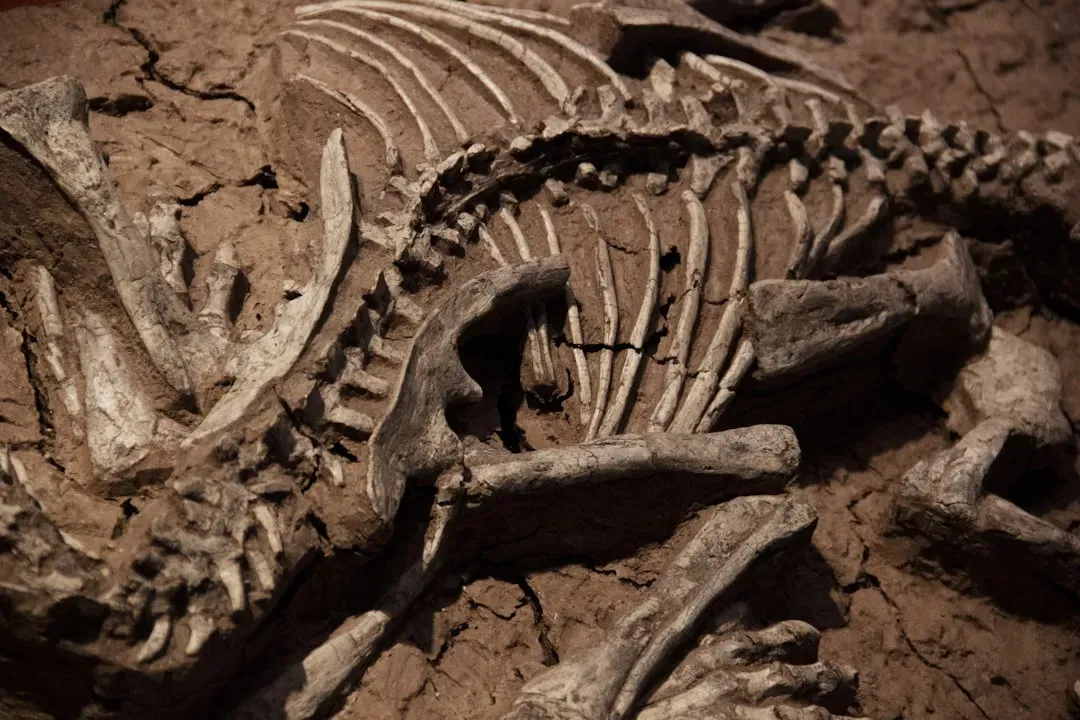
Sometimes you do not just find a single dinosaur skeleton – you find dozens or even hundreds of individuals buried together. These bone beds can tell you about catastrophic events, like floods, droughts, volcanic ash falls, or toxic water sources that wiped out whole groups at once. When many animals of different ages are preserved in the same layer, it often points toward a sudden mass death, giving you a snapshot of a bad day that changed a whole local ecosystem.
But bone beds can reveal more than just disaster; they can also hint at social behavior. If you repeatedly find the same species in groups, with adults and juveniles together, you might be looking at evidence of herding, family groups, or communal nesting grounds. Even the spacing and arrangement of the skeletons matter: tightly clustered remains can suggest animals stayed close in life, not just in death. Standing in front of a big bone bed, you’re not just seeing bones scattered in rock; you’re seeing the remnants of communities that once moved, fed, and possibly migrated together.
Claws, Armor, and Horns Show How Dinosaurs Fought and Defended Themselves
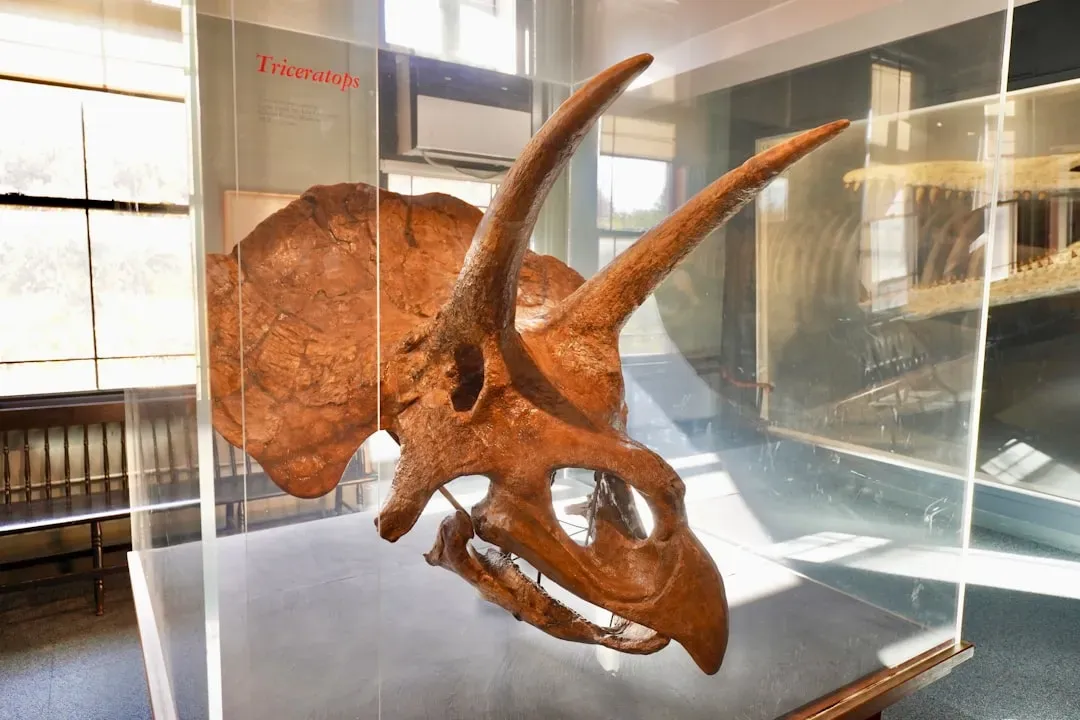
Some of the most dramatic dinosaur bones you’ll encounter are the flashy ones: huge claws, spiked tails, armored plates, and elaborate horns. These structures are not decorative fossils; they’re weapons and shields frozen in time. A massive, sickle-shaped claw on a foot suggests slashing or gripping behavior, maybe used in hunting or in combat with rivals, while thick bony armor along the back signals a defensive strategy against powerful predators.
Horns and frills on some dinosaurs are especially rich in clues. When you see healed punctures or gouges in these bones that match the shape of a horn, you can infer that individuals fought each other, maybe over territory, mates, or dominance, much like modern antelope or deer. The size, shape, and variation of these features within a species can also hint at display behavior, where dinosaurs used their impressive skulls to intimidate, attract attention, or signal their strength. By paying attention to these specialized bones, you can start to reconstruct not just how dinosaurs survived attacks, but how they navigated their own complex social worlds.
Bone Chemistry and Microscopic Traces Reveal Diet and Environment
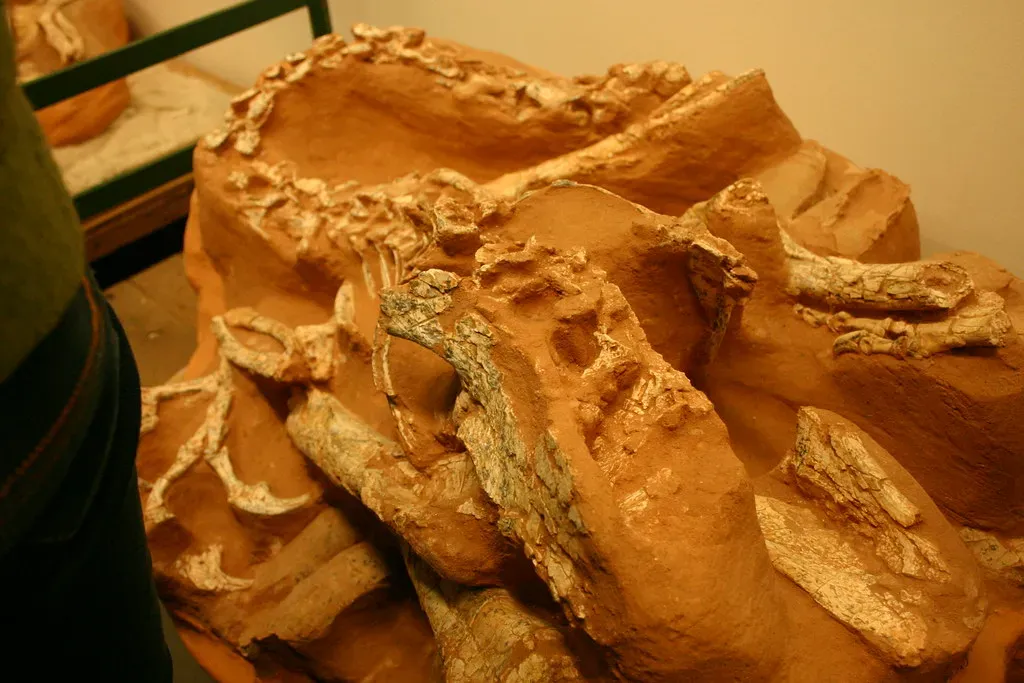
Even when a bone looks solid and lifeless, its chemistry quietly holds clues about what a dinosaur ate and where it lived. Tiny traces of elements locked in the bone, like different forms of carbon and oxygen, can reflect the types of plants at the base of the food chain and even hint at climate conditions at the time. When you compare these chemical signatures across individuals, you start to see patterns in diet, migration, and habitat use that are impossible to see from shape alone.
At a microscopic level, you sometimes find preserved structures that look like blood vessel channels or soft tissue impressions, and in very rare cases, traces that might represent original biological material altered over time. These do not mean you’re anywhere near cloning dinosaurs, but they do give you more precise insight into metabolism, growth, and possibly coloration or protein structures. When you combine this chemical and microscopic information with what you already know from anatomy, the picture of dinosaur life becomes much sharper and more three-dimensional in your mind.
Bone Comparisons Link Dinosaurs to the Animals You See Today
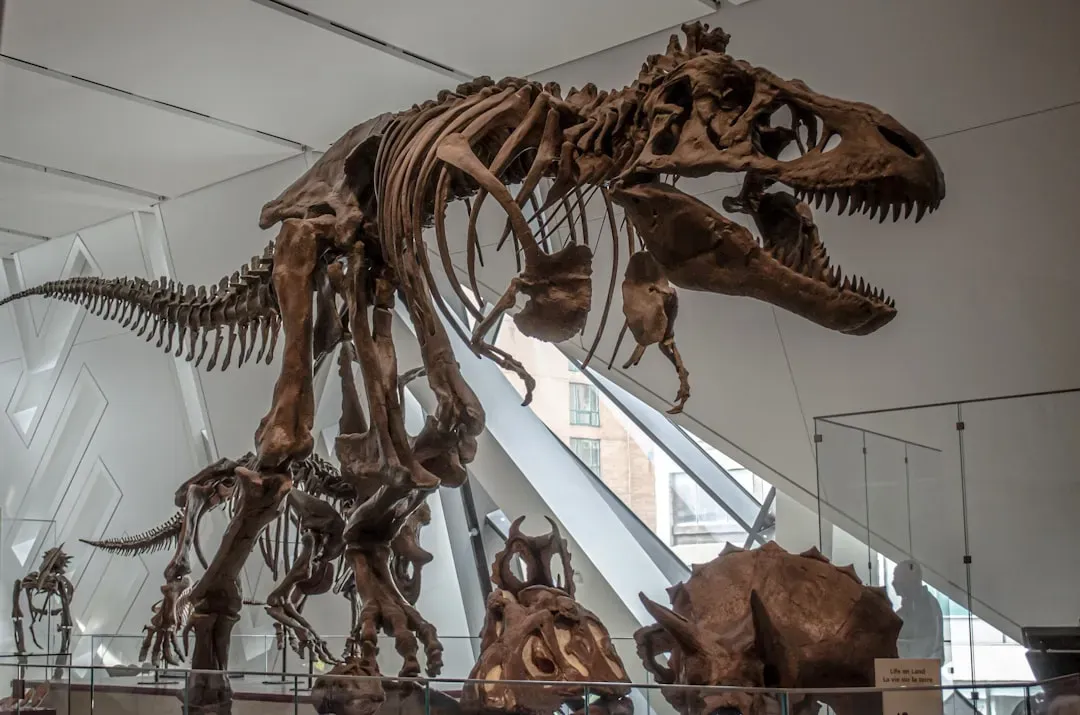
One of the most surprising things you discover when you study dinosaur bones is how much they resemble the bones of animals alive right now. Certain dinosaur hip and limb structures look a lot like those of modern birds, and when you compare growth patterns in the bones, you see similar signs of fast, active metabolisms. This kind of anatomical and microscopic overlap is a big reason you’re told that birds are living dinosaurs, not just distant cousins.
By matching dinosaur bones with those of crocodiles, birds, and mammals, you can also make better guesses about muscle placement, lung structure, and even aspects of behavior. For example, if the bone supports a strong, upright posture similar to modern fast runners, you’re more confident calling that dinosaur agile. When you see inner ear structures similar to those of animals with good balance and rapid head movement, you start imagining quick, alert predators rather than slow, lumbering beasts. Without ever seeing them alive, you use the bones of modern animals as a decoding key to translate the silent language of dinosaur skeletons.
What These Fossil Stories Really Mean for You Today
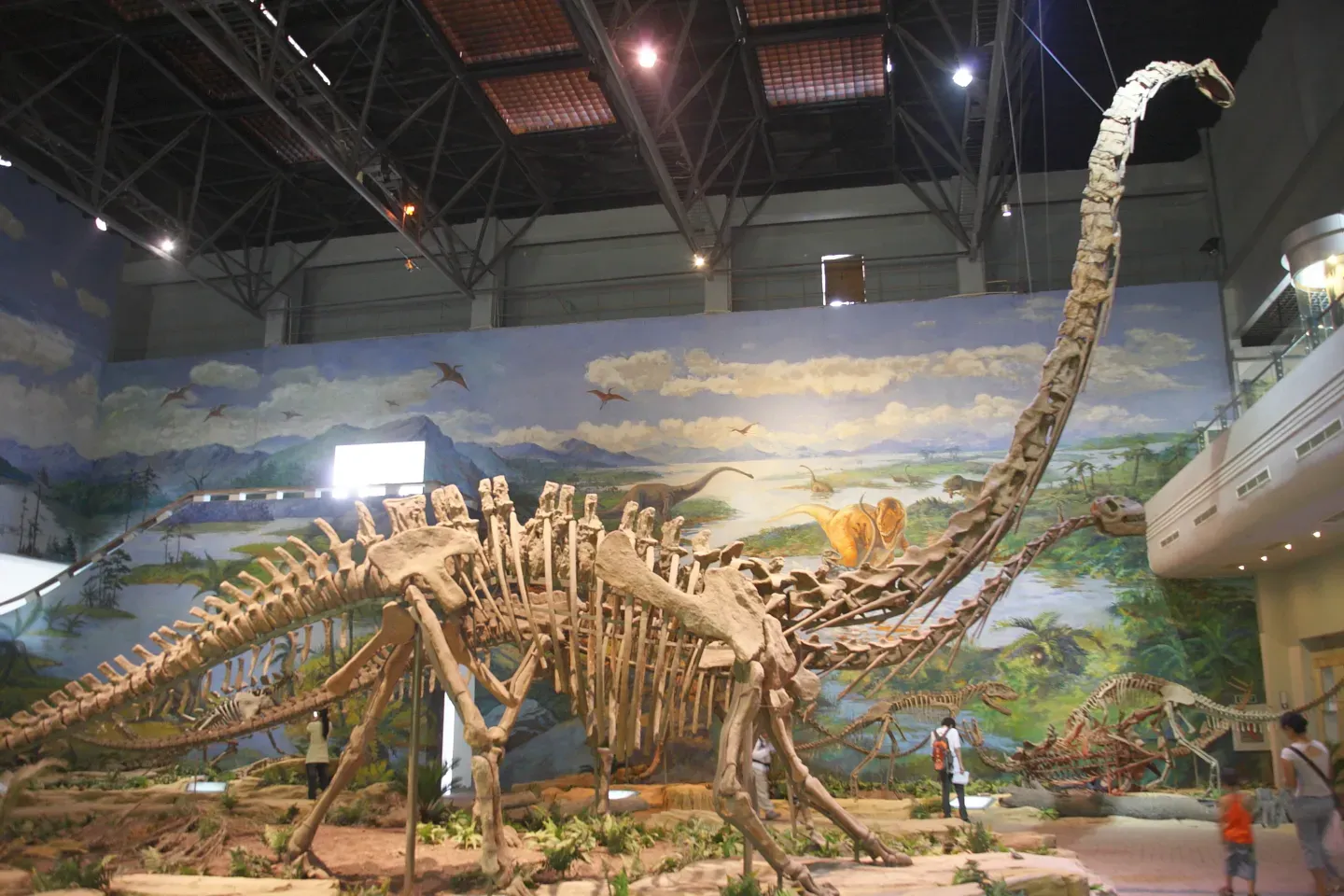
Uploaded by FunkMonk, CC BY-SA 2.0)
When you put all these clues together – growth rings, bite marks, bone chemistry, injuries, weapons, and armor – you realize dinosaur bones are not about monsters from a fantasy world. They are about real animals that lived, struggled, adapted, and died on the same planet you walk on now. Every fossil you see in a museum is proof that life has been experimenting, failing, and innovating for unimaginable lengths of time, long before humans ever showed up.
If you let that sink in, it changes the way you see your own place in the story of life. You start to feel connected to a much longer timeline, one where your species is just the latest chapter, not the whole book. The next time you stand in front of a dinosaur skeleton, you might find yourself listening a little harder, imagining not just how big it was, but how it grew up, what it feared, what hurt it, and how it fit into its world. In the end, the real question is this: now that you know how much those old bones are trying to tell you, what new stories will you let them whisper into your imagination?