
When most people picture early humans, they imagine shaggy figures grunting in caves and banging rocks together at random. It is a convenient stereotype: simple people, simple minds, simple tools. But the deeper archaeologists dig, the more that picture falls apart. The stone blades, bone points and pigments they uncover speak of planning, patience and surprisingly subtle thought. Far from being clumsy improvisers, early toolmakers were more like careful engineers working with stone instead of steel.
Over the last few decades, evidence from Africa, Europe and Asia has forced researchers to rewrite the story of our species’ mind. Toolkits once dismissed as primitive now reveal hidden layers of design and technique. Some of the oldest tools on record even predate our own species, hinting that the roots of complex thinking go back much further than anyone liked to admit. If a chipped rock can carry a secret, it is this: early humans were not waiting around to become “modern.” Their minds were already doing something remarkably sophisticated.
The First Tools Were Not Accidents
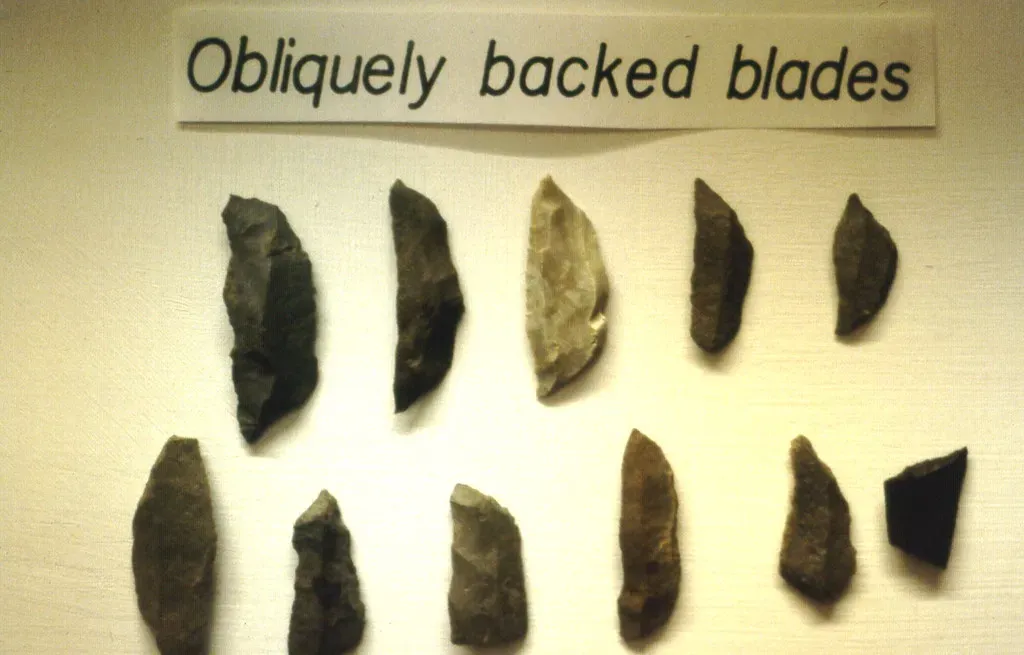
It is tempting to imagine that the first tools appeared by chance: a rock happened to crack into a sharp shape, someone noticed, and history began. But the earliest known stone tools, going back more than three million years in East Africa, do not look like random breaks. Many show repeated, deliberate strikes from different angles, suggesting that their makers already had a mental blueprint for “sharp edge here, comfortable grip there.” That alone requires more than animal-level curiosity; it demands an ability to picture an outcome before it exists.
Even more striking, some early sites contain clusters of similar tools, produced in clearly patterned ways. That kind of repetition is hard to explain without some shared understanding of technique being passed down. Think of it as an ancient workshop: individuals observing, imitating and refining each other’s moves, generation after generation. You do not get that kind of consistency unless early humans cared about quality and function, and that care is a quiet but powerful sign of a mind that can plan, evaluate and improve.
Planning A Tool Is Like Holding The Future In Your Head
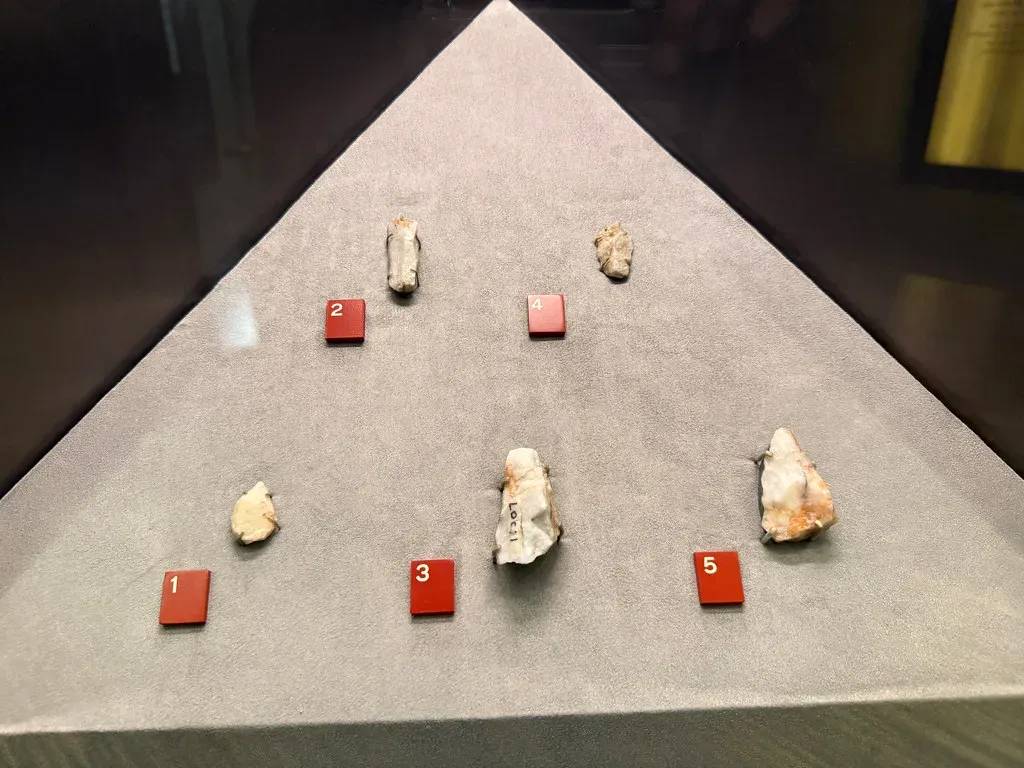
To make a proper stone tool, you do not just hit a rock and hope for the best. Skilled knappers, even today, talk about reading the stone: they look at the angles, the grain, the natural ridges and then decide exactly where to strike. Early humans had to do a similar kind of mental juggling. They needed to imagine how each blow would change the shape, anticipate which flakes would detach, and stop at the right moment before ruining hours of careful work. That is not mere reflex; it is future thinking in action.
Imagine carving a pumpkin for Halloween, but with no second chances and no spare pumpkins. Every cut has consequences. Early toolmakers lived in that pressure cooker all the time. When researchers try to copy ancient methods, they routinely break stones, waste material and end up frustrated. Yet prehistoric artisans mastered sequences of blows that modern hobbyists struggle to replicate. That kind of expertise suggests a brain capable of complex visualization, error correction and long-term focus, even if the person holding the stone had never heard a single modern word.
Complex Tool Kits Hint At Teaching And Shared Culture
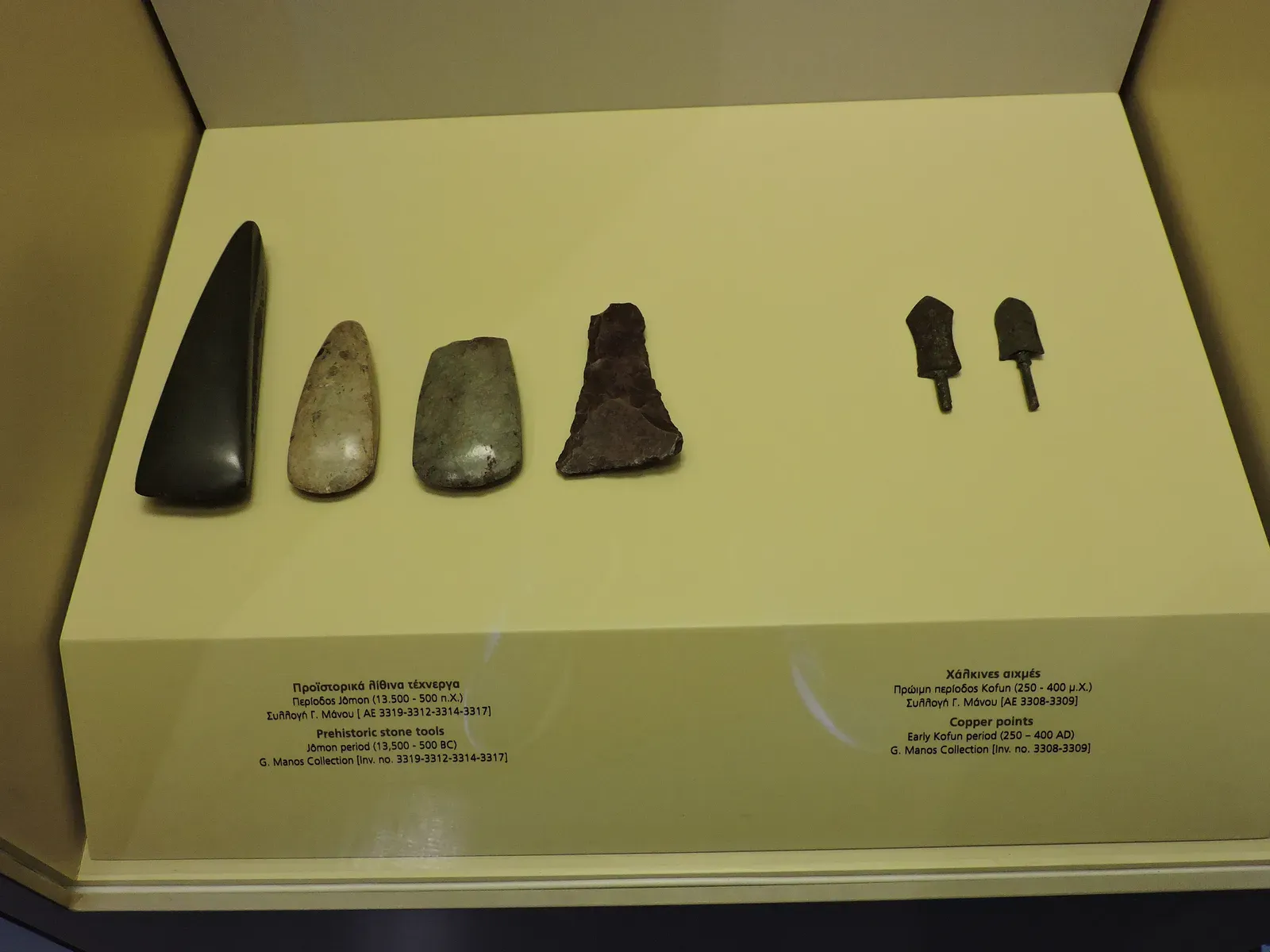
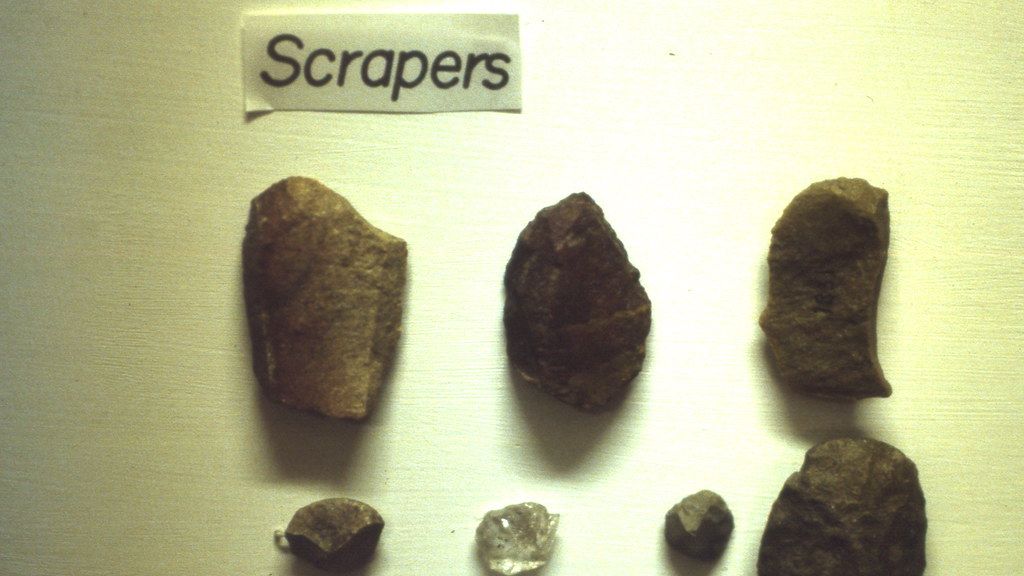
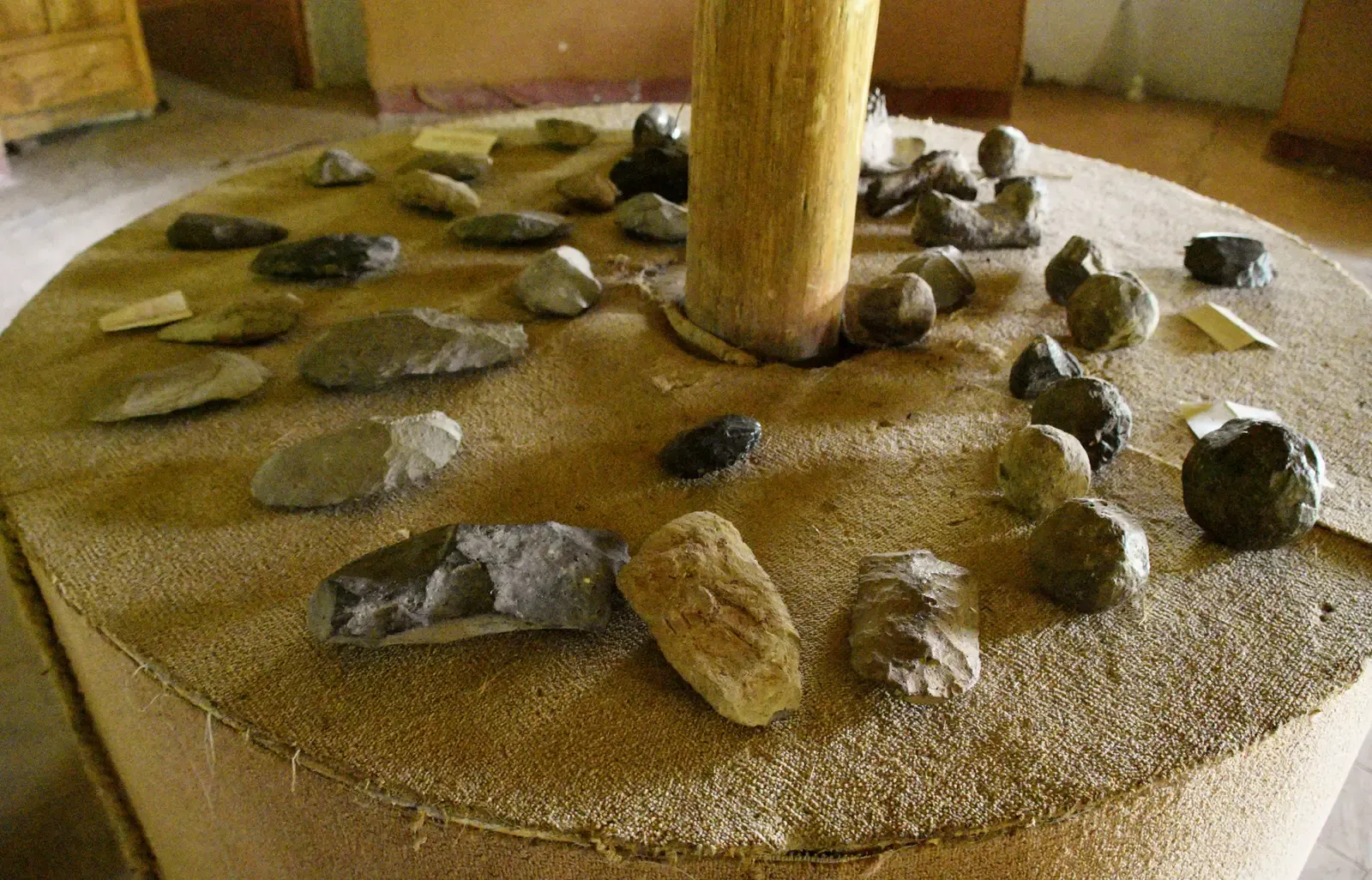
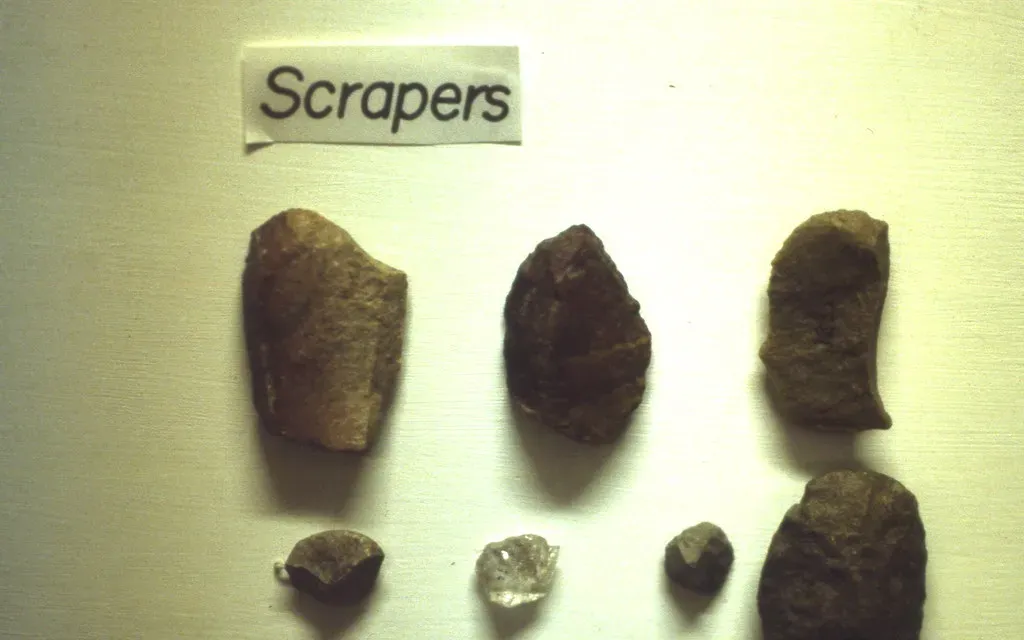
At many prehistoric sites, archaeologists do not just find one type of tool but entire tool kits: handaxes, scrapers, points, blades and cores, each suited to a different job. This variety makes little sense if tools were purely individual improvisations. Instead, it suggests some form of shared knowledge, where communities agreed on shapes and functions and passed that know-how from teacher to learner. Culture, in other words, was already doing some heavy lifting long before writing or farming appeared.
Anyone who has tried to learn a craft from YouTube tutorials knows how much easier it is when someone shows you what to do. Early humans had no video, but they had demonstration, imitation and probably gesture and voice. To coordinate all this, their minds had to handle not just the physical demands of toolmaking but also the social dance of instruction: watching others, reading their intentions, and remembering sequences. A simple stone scraper, in this light, becomes evidence for something quite profound – a community that thinks together.
Symmetry And Aesthetics Reveal An Eye For Design
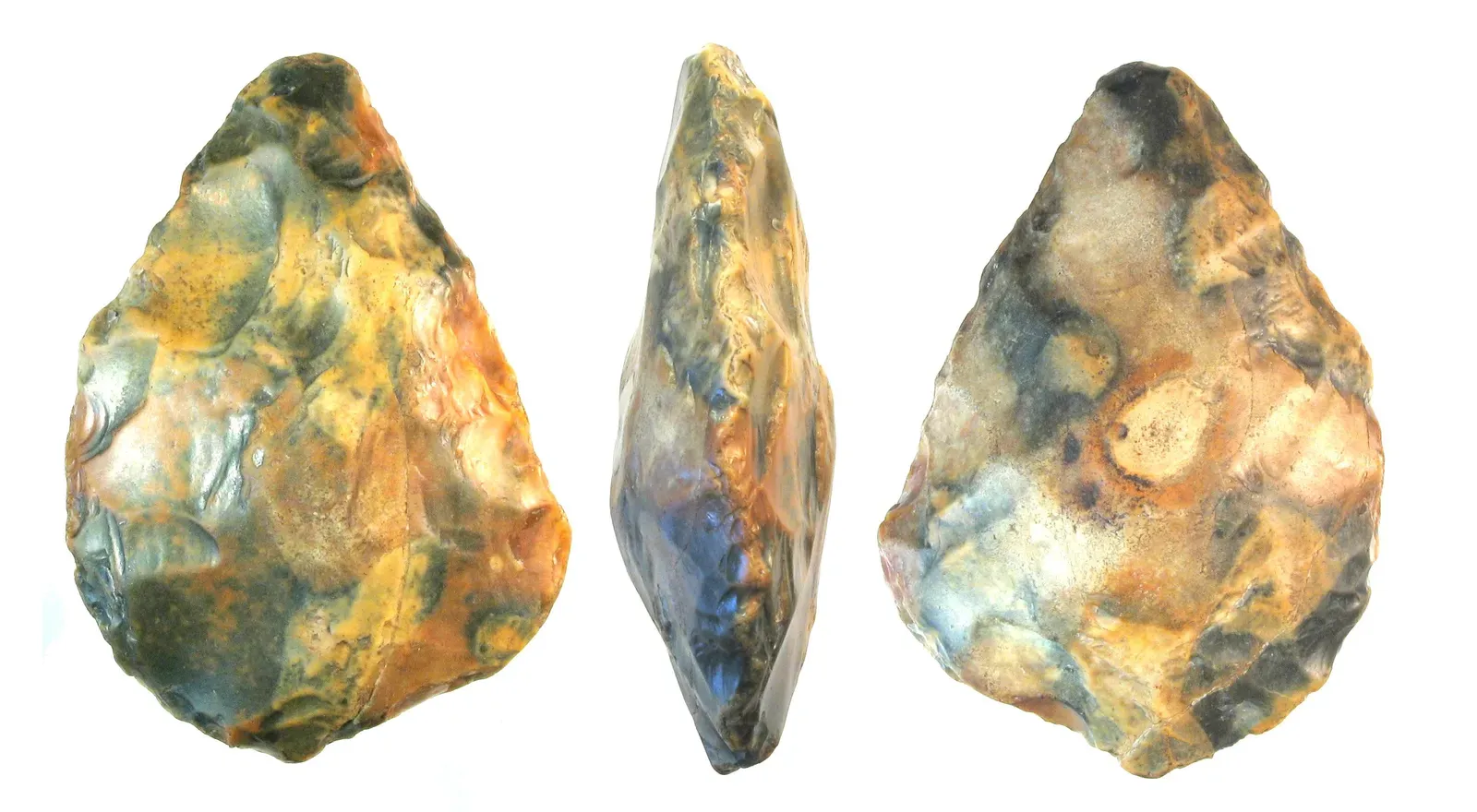
One of the most surprising features of many early stone tools is how visually pleasing they are. Some handaxes, for example, are almost eerily symmetrical, with clean, balanced edges and carefully smoothed surfaces. That level of symmetry is not necessary for basic cutting tasks. It implies that makers cared about how their tools looked, not just how they worked. A sense of design and aesthetic preference starts to peek through the stone, hinting at minds that could appreciate beauty or at least take pride in skilled craftsmanship.
In some cases, archaeologists even find oversized or unusually thin tools that would have been awkward or fragile to use. These “showpiece” items may have served as status symbols, teaching tools or ways to display technical mastery to others. If that interpretation is right, early humans were already playing social games with objects, using design to send messages about identity and skill. Suddenly, the line between a practical handaxe and a modern designer gadget does not look quite so sharp; both are products of brains that care about style and social meaning.
Evidence Of Abstract Thinking: From Pigments To Patterns
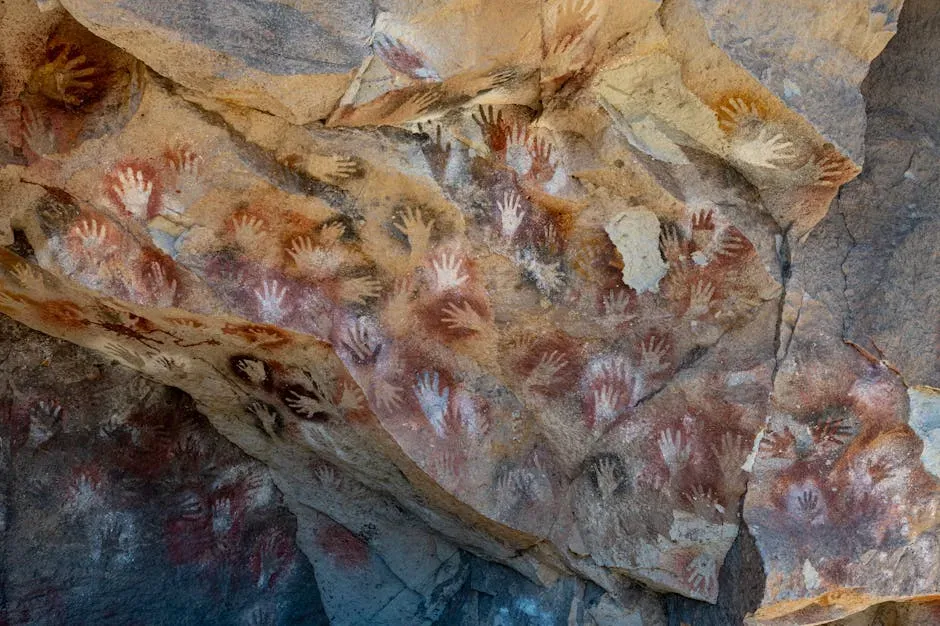
Stone and bone are not the only clues to the ancient mind. In some prehistoric sites, researchers have uncovered pigments like red ochre, polished pieces of mineral and objects with deliberate scratches or patterns. None of these items are strictly necessary for survival. You cannot cut meat with pigment, and a piece of engraved stone does not keep you warmer at night. Their presence suggests that early humans were thinking symbolically, perhaps decorating bodies, marking group identity or experimenting with early forms of abstract expression.
When you see repeated patterns or consistent use of certain colors over long periods, it becomes difficult to dismiss them as random doodles. Instead, they look like traces of shared ideas – invisible rules and meanings carried in people’s heads rather than in their hands. That ability to let an object stand for something else, whether it is a clan, a ritual or a memory, is a core feature of complex cognition. It is the same mental move that eventually makes art, religion, mathematics and language possible. The seeds of those later achievements may well lie in the quiet, persistent urge to leave marks on the world.
Toolmaking, Language And The Wiring Of The Brain
Some neuroscientists and anthropologists see a deep connection between making tools and speaking language. Both activities require planning, precise control and the ability to organize actions in a specific sequence. Brain imaging studies of modern humans who knap stone suggest that areas involved in complex hand movements overlap with regions linked to language processing. While we cannot scan the brains of our ancestors, this overlap hints that the mental training involved in toolmaking may have helped pave the way for more elaborate communication.
Even if early toolmakers did not have fully modern languages, they probably needed rich systems of sounds, gestures and shared attention just to coordinate lessons and activities. Imagine trying to teach someone how to strike a core at just the right angle without any structured way to point, correct or encourage. The fact that complex tools became widespread and persisted over thousands of years is a quiet testament to the power of early communication. In that sense, every flake of stone is also an echo of ancient conversations that shaped both hands and minds.
Rethinking “Primitive”: What Early Tools Say About Us
The more we learn about early tools, the harder it becomes to call their makers primitive in any meaningful way. Yes, they lived without metal, engines or screens, but they were solving brutally hard problems with the materials at hand. They knew which rocks worked best, how to source them across the landscape, how to coordinate group hunts, and how to adjust their technology as environments shifted. That flexibility is exactly what we praise in modern innovators, only now the raw material is software and silicon instead of stone and bone.
I still remember the first time I tried flintknapping at a public archaeology workshop. Within minutes, my hands were sore, my flakes were useless, and my respect for ancient people shot through the roof. It drove home a simple but uncomfortable truth: if you dropped most of us into the Pleistocene tomorrow, we would be the helpless ones. Early tools reveal a quiet genius in everyday survival, a kind of intelligence that does not fit neatly into test scores or modern job titles but is no less real, and no less impressive.
Conclusion: Early Minds Deserve More Respect
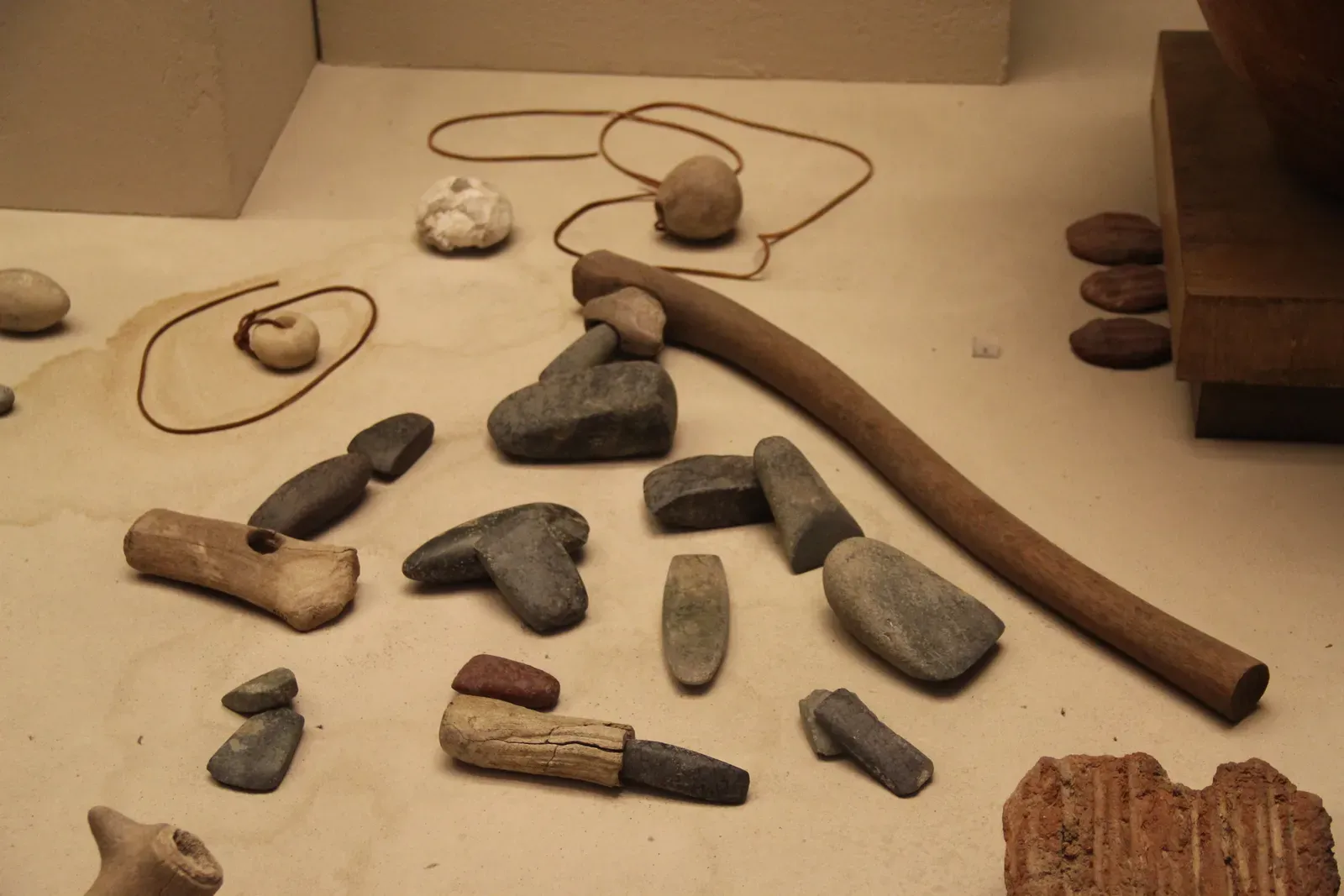
When you put all the pieces together – deliberate tool design, careful planning, teaching and learning, a taste for symmetry and even hints of symbolism – it becomes hard to argue that early humans were mentally simple. Their tools expose a deep, patient intelligence that modern culture often overlooks, because it does not come wrapped in computers or skyscrapers. In my view, the real myth is not that we evolved from “brutes,” but that there ever was a clean break between crude minds and sophisticated ones. The archaeological record looks more like a long, continuous climb than a sudden leap.
If anything, early tools confront us with a humbling question: are we truly as advanced as we think, or have we just traded stone for silicon while carrying the same basic mind into new circumstances? Those chipped rocks and carved bones suggest that the capacity for complex thought has been part of our story far longer than we have been willing to admit. Maybe the next time we call something primitive, we should pause and ask whether we are underestimating it – and, by extension, underestimating the people who made it. Did you expect a broken stone to say so much about who we really are?