Papua New Guinea — A deep-sea ecologist joined an expedition in the summer of 2008 aboard the MV NorSky to investigate hydrothermal vents in the Manus Basin. What began as hope for responsible resource extraction transformed into recognition of irreplaceable natural wonders. These remote ecosystems, teeming with unique life, now stand at the center of a global debate over commercial mining pressures.
A Scientist’s Awakening in Volcanic Depths
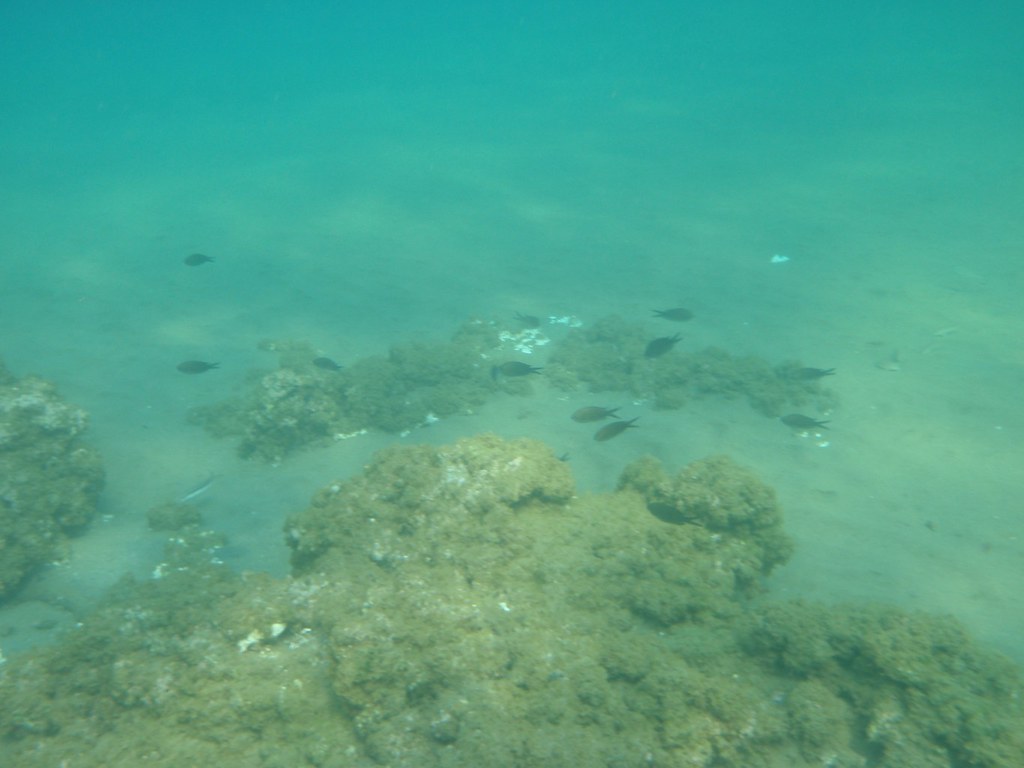
A Scientist’s Awakening in Volcanic Depths (Image Credits: Flickr)
Researchers approached the Solwara I site, where towering mineral structures rose from an active underwater volcano. Remotely operated vehicles revealed a vibrant community: squat lobsters darting through currents, eyeless shrimp detecting heat with specialized eyespots, and rings of snails adapted to precise temperatures.
The observer, then an early-career specialist, documented scale worms, mussels, limpets, crabs, octopuses, eelpout fish, and glass sponges. Predatory snails prowled nearby, while cold-water corals hosted brittle stars. This high biomass and diversity challenged expectations for sparse deep-sea life. Studies later confirmed genetic distinctions among species like certain decapods and gastropods across Pacific vents.
The Delicate Balance of Vent Ecosystems
Hydrothermal vents form when superheated seawater precipitates metals like copper, zinc, gold, and silver. Life there thrives on chemical energy, not sunlight, in ephemeral habitats that turnover every few decades. Western Pacific sites like Solwara I host the ocean’s richest vent biodiversity, with inactive zones sustaining distinct chemosynthetic communities.
Interconnections prove vital: populations of mussels and limpets show subdivision, vulnerable to disruption. Discoveries continue, from octopuses brooding eggs at vents to iron-shelled snails and vast cold-water coral reefs larger than some U.S. states. Less than 0.1% of the seafloor has faced human observation, promising endless revelations.
Mining’s Trail of Unproven Risks
Proponents once touted deep-sea extraction as cleaner than land operations, supplying metals for electric vehicles and renewables. Yet Solwara I, a supposed model, collapsed: the permitting company declared bankruptcy in 2019 after logistical woes and community opposition. Papua New Guinea imposed a decade-long moratorium that year.
Extraction methods threaten catastrophe. Direct removal obliterates communities, while sediment plumes and noise pollution extend harm across basins. Even nodule fields in areas like the Clarion-Clipperton Zone, eyed for nickel and cobalt, risk fisheries and undescribed species—recently, 24 new amphipods emerged from there, including novel evolutionary lines.
| Mining Target | Key Locations | Primary Impacts |
|---|---|---|
| Hydrothermal Vents | Manus Basin, Mariana Trench | Habitat destruction, chemical disruption |
| Polymetallic Nodules | Clarion-Clipperton Zone | Sediment plumes, biodiversity loss |
| Metal-Rich Crusts | Seamounts, Rio Grande Rise | Noise pollution, ecosystem fragmentation |
Recent Finds Heighten the Stakes
Exploration accelerates amid mining interest. In the Clarion-Clipperton Zone, a vast Pacific expanse, scientists named 24 amphipod species, many sediment-feeders or predators, at 4,000 meters depth. Such taxa, about a centimeter long, highlight 90% undescribed life in mining hotspots.
Other revelations include whiplash squid amid nodules, hadal trench ecosystems, and coral-encrusted crusts. Formal descriptions grant species protection status, fueling policy arguments. Yet permitting races ahead, with recent U.S. expansions covering millions of acres around sensitive vents.
- Vent snails with temperature-specific niches
- Shrimp sensing infrared radiation
- Brooding octopuses in mineral fields
- Cold-water corals rivaling land forests in scale
- New amphipod families in nodule zones
“I entered this project in good faith… I exited convinced that there is no viable path forward for hydrothermal vent mining, anywhere in the ocean,” the ecologist reflected after the voyage.
Key Takeaways
- Deep-sea habitats remain vastly unexplored, with mining poised to erase unknowns.
- Failed projects like Solwara I expose technological and environmental pitfalls.
- Ongoing discoveries demand moratoriums to enable study before exploitation.
Deep-sea wildernesses represent Earth’s last untrammeled realms, their value in discovery and resilience far exceeding extractive gains. Protecting them requires pausing the rush. What steps should nations take next? Share your views in the comments.