
If you’ve ever felt your cheeks suddenly burn in the middle of a painfully awkward moment, you’ve experienced one of the strangest features of being human: blushing. No other primate does it, and yet nearly all of us do it without trying, without wanting to, and usually at the worst possible time. That alone raises a huge question: why would evolution keep something that exposes our embarrassment instead of helping us hide it?
Scientists think the answer is surprisingly elegant. Because blushing is involuntary and hard to control, it became a kind of built‑in honesty signal, a biological confession we cannot fake. In a species obsessed with social status, trust, and reputation, that kind of signal may have been incredibly valuable. The fact that you blush when you slip up might be one of the reasons people are willing to forgive you, cooperate with you, and keep you around.
The strange uniqueness of human blushing
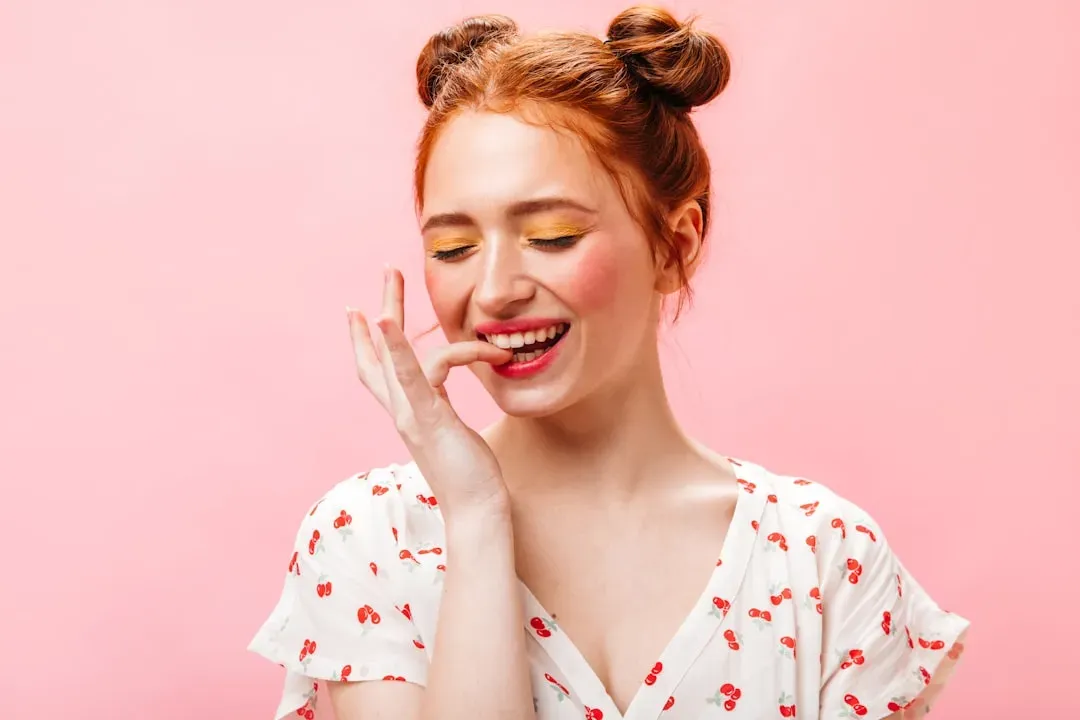
Among all the primates, humans are the only ones whose faces visibly flush in social situations, especially around the cheeks and sometimes the ears and neck. Other primates can show changes in skin color during mating or aggression, but they don’t have this rapid, emotion‑linked reddening of the face in response to embarrassment or social exposure. That makes blushing one of those rare traits that looks almost tailor‑made for the weird, hyper‑social lives humans live.
What makes this so intriguing is how specific the blush is: it is tightly connected to social emotions like shame, guilt, self‑consciousness, or being caught out. We don’t blush when we stub a toe alone in a room, but we might if we trip on a crowded street. That pattern suggests that blushing is not just a random quirk of blood vessels; it is a social tool shaped by evolutionary pressures tied to how we relate to each other.
How blushing actually works in the body
Under the skin, blushing is driven by the autonomic nervous system, the same system that speeds up your heart when you’re scared or gives you sweaty palms before a big presentation. When you feel suddenly exposed or embarrassed, your body ramps up its “fight or flight” response. Blood vessels in your face briefly dilate, allowing more warm blood to rush to the surface, which makes your skin turn red and feel hot.
The face is particularly sensitive because its tiny blood vessels and thin skin make color changes more obvious than on the rest of the body. We also have a huge amount of brain real estate devoted to reading faces, so even small shifts in color or expression are easy for other people to pick up. Put those pieces together and you get a system where your inner emotional state leaks directly into a visible, physical signal that others can read almost instantly.
Why the involuntary nature of blushing matters
The key feature of blushing, from an evolutionary point of view, is that you cannot easily control it. You can fake a smile or force a laugh, but you can’t simply choose to blush on command in a way that convinces anyone. That lack of control turns the blush into a signal of sincerity: if your face lights up when you are embarrassed or caught, it is strong evidence that you truly feel exposed or regretful.
In social species like ours, honest signals are rare and precious, because there is always an advantage to faking. If people could easily pretend to blush when they were lying or manipulating others, the signal would lose its meaning. The fact that this response leaks out of your nervous system without your permission is exactly what makes it believable, and believable signals are the ones evolution tends to protect and spread.
Blushing as an evolutionary tool for trust and cooperation

Humans survive by cooperating: sharing food, raising children together, forming alliances, and living in tight groups where reputation matters. In that kind of world, anything that helps others know when you are genuinely remorseful or aware of your mistake can smooth over conflicts. A blush can silently communicate something like: “I know I crossed a line, I care what you think, and I did not mean to threaten our relationship.”
Over many generations, people who naturally gave off reliable signals of remorse or good intentions may have been trusted more, forgiven more often, and chosen more as allies or partners. Those tiny advantages add up. In that light, blushing stops looking like an embarrassing glitch and starts to look like a subtle social technology, letting others see your inner state and making you a safer person to cooperate with.
Shame, embarrassment, and social survival

Emotions like shame and embarrassment often get framed as weaknesses, but they are powerful tools for social regulation. Feeling bad when you break a rule or hurt someone nudges you back in line with group expectations. Blushing is one of the physical signatures of those emotions, a flare in your face that says you recognize what just happened and you care about how it looks.
Imagine early human groups where food sharing, loyalty, and fairness were crucial to staying alive. Someone who never showed embarrassment or visible regret after taking advantage of others would quickly become untrustworthy. By contrast, the person who visibly flushed when called out would broadcast their sensitivity to social norms. Blushing, in this sense, is not just about individual emotion; it helps maintain the unwritten rules that keep groups stable.
Why embarrassment is often forgiven when we blush

There’s a familiar social pattern: someone makes an awkward mistake, their face goes red, everyone laughs, and then the tension breaks. The blush often works like a pressure valve, diffusing anger or discomfort before it turns into something more serious. People tend to interpret a blush as a sign of humility and good intentions, even if they are annoyed or offended at first.
Part of this effect comes from how vulnerable you look when you blush. You are visibly exposed; your body has betrayed your inner turmoil. Instead of seeing you as a cold manipulator, others see you as fallibly human, just like them. That emotional recognition makes it easier to say, “Alright, let’s move on,” rather than hold a grudge, which again feeds back into the idea that blushing has real social value.
Blushing, anxiety, and the double‑edged sword of visibility
Of course, not all blushing feels helpful. Many people struggle with social anxiety or intense self‑consciousness, and for them, the fear of blushing can become its own feedback loop: you worry that you’ll blush, that worry makes you blush, and then you feel even more trapped. It can be exhausting to feel like your own body is broadcasting your nerves when you most want to appear calm.
Yet even in those uncomfortable situations, the meaning others take from your blush is often kinder than what you imagine. Most people interpret a red face as a sign that you care about the situation or that you are trying your best, not as proof that you are weak or incompetent. It is a reminder that what feels like a spotlight on your flaws may actually be read as evidence of your sincerity and emotional depth.
Culture, masks, and whether we still need the blush
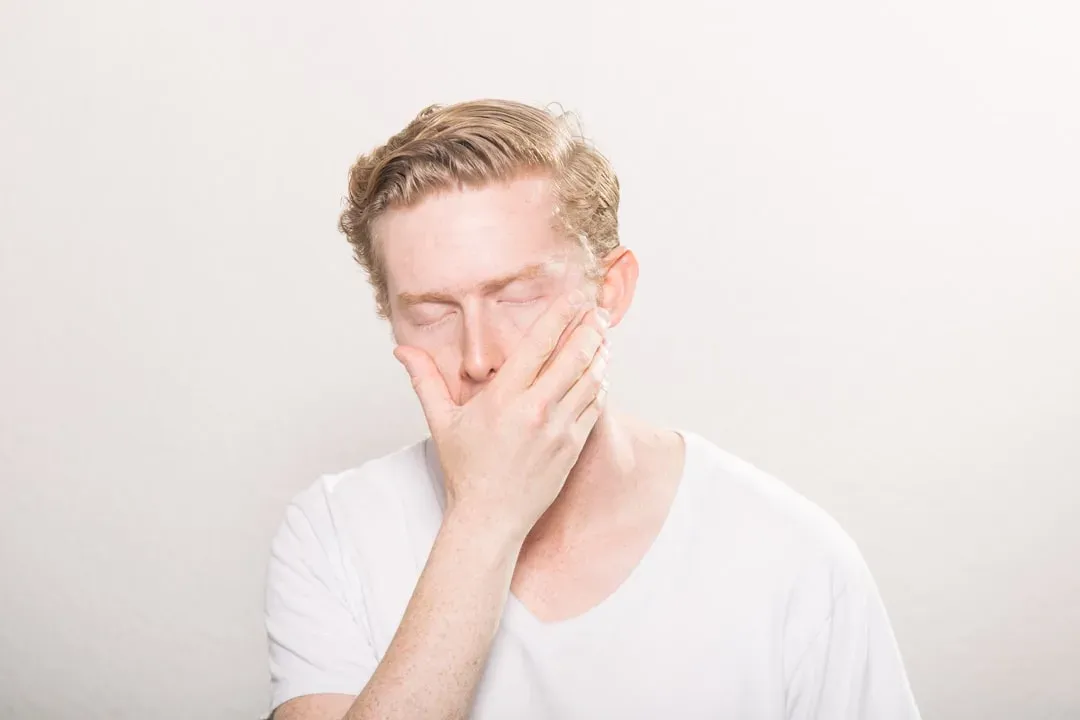
Modern life complicates the story. Today we manage our reputations with carefully tuned social media profiles, crafted messages, and professional polish. On the surface, a biological honesty signal like blushing might seem outdated, a leftover from smaller, face‑to‑face communities that no longer match our digital reality. Yet the craving for authenticity is as strong as ever, maybe even stronger.
In a world full of filters, staging, and spin, the unplanned flash of a blush can feel almost shockingly real. It cuts through the performance and reveals raw, unedited emotion. That might be part of why people still respond so strongly to it: beneath all our modern layers, we still instinctively trust something our conscious minds cannot fully control. Blushing might be one of the last places where our bodies quietly remind everyone around us that we are, despite everything, honest animals.
My take: blushing as an underrated human superpower

I think we’ve been a bit unfair to blushing. We treat it like an enemy to be conquered with makeup tricks, breathing exercises, or ice‑cold water on the face before a big moment. But looked at through an evolutionary lens, it starts to look less like a flaw and more like a built‑in honesty engine that helps other people see who we really are. In a species that constantly negotiates trust and status, that’s not a bug; it’s a feature.
If anything, the fact that you cannot fully control when you blush is exactly what makes it powerful. It says to the world: “I care what you think, I know I’m visible right now, and I’m not hiding as well as I’d like.” Is that uncomfortable? Absolutely. But it is also deeply human. Maybe instead of wishing our blushes away, we should see them as proof that our emotions still leak through all the armor we build around ourselves. In a time when so much can be faked, how often do we get a signal that genuinely cannot be?