You know that moment when you are absolutely, undeniably full, but you still feel a weird little urge to take a few more bites so the plate is “properly” finished? On the surface it looks like a simple lack of willpower, but evolutionary anthropology suggests something much deeper is going on under the hood. What feels like a bad habit may actually be an ancient survival programme that helped our ancestors stay alive in a world where the next meal was never guaranteed.
For roughly two million years, humans lived without fridges, supermarkets, food delivery apps, or even the basic certainty of where tomorrow’s calories were coming from. In that world, leaving food on the table was a terrible strategy. Today, though, that same instinct is colliding with overabundant food, oversized portions, and ultra-processed snacks designed to be irresistibly tasty. Understanding that clash between stone-age wiring and modern life is the first step to not letting an ancient programme quietly run your diet.
The feast-or-famine world that built our eating instincts
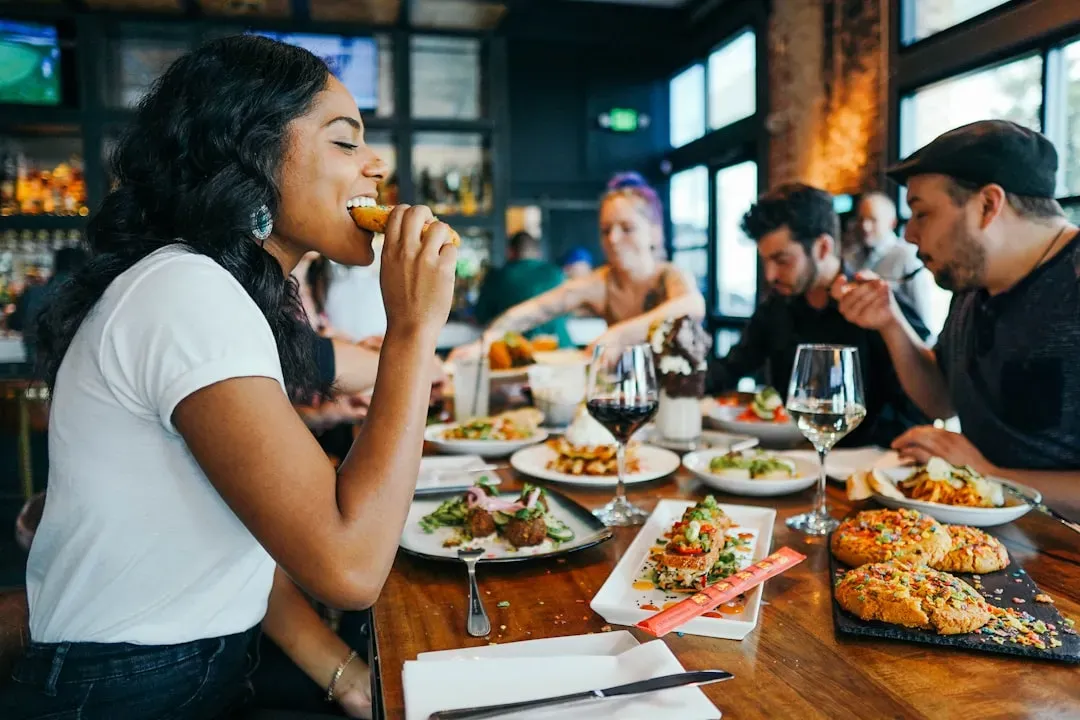
Imagine living in an environment where a broken ankle, a bad hunting week, or a sudden drought could mean slow starvation. For early humans on the savannah or in Ice Age Europe, calorie access was unpredictable and brutally seasonal. In that context, it made sense to eat as much as possible when food appeared, because there was no guarantee of when you would eat again.
Anthropologists studying modern hunter‑gatherer groups see echoes of this pattern: periods of relative scarcity punctuated by successful hunts or harvests where everyone eats a lot at once. Over thousands of generations, natural selection favoured individuals whose bodies and brains pushed them to keep eating when food was available, even past the point of comfort. Those who stopped early because they “felt full enough” were simply more likely to come up short when the lean times arrived.
Why the brain rewards “one more bite” even when you are full

From an evolutionary perspective, your brain is not trying to make you look good in a swimsuit; it is trying to keep you alive through a hypothetical long winter. Hormones like ghrelin and leptin signal hunger and satiety, but the reward centres in the brain are especially tuned to calorie‑dense foods. That is why a dessert can still look attractive even after a huge meal; your ancient circuitry treats sugar and fat as valuable, rare treasures.
In prehistoric settings, there was almost no downside to occasionally overshooting and eating more than you strictly needed in that moment. Stored fat became insurance against future hunger, and your brain learned to associate eating beyond fullness with safety and survival. Today, that same reward system fires when you face a large plate or a buffet, nudging you to finish what is in front of you, even though your logical mind knows there will be another meal tomorrow.
Portion size, social norms, and the “clean plate” script

Layered on top of those old survival instincts are powerful cultural messages. Many people grew up hearing that they should finish everything on their plate, whether out of politeness, thrift, or guilt about “wasting food.” That social script dovetails perfectly with your ancient wiring: the idea that leaving food is somehow wrong, rude, or irresponsible keeps the survival programme humming along in modern dining rooms.
On top of that, portion sizes in restaurants and packaged foods have grown dramatically over recent decades in many countries. When a normal‑looking serving is actually more than your body needs, finishing everything becomes overconsumption by default. Your brain reads the plate as a unit – this is the amount that counts as “a meal” – and the prehistoric part of you whispers that leaving food behind is almost a moral failure.
From survival advantage to health liability in the age of refrigeration

Refrigeration quietly broke the link between feast and famine. Once people could safely store leftovers, freeze meat, and keep food fresh for days, the old logic of “eat it now or lose it” stopped applying. Yet our bodies and brains did not get an instant software update; the two‑million‑year‑old urge to stock up on calories kept chugging along, now in a world of constant supply.
Instead of protecting us, this once‑useful programme now fuels rising rates of overweight and metabolic disease in societies where food is cheap, plentiful, and heavily marketed. The instinct to finish a meal, once an insurance policy against starvation, has flipped into a liability that encourages overeating in front of screens, at business lunches, and in late‑night snacking sessions. The environment changed much faster than our biology ever could.
How ultra-processed foods hijack ancient survival circuitry
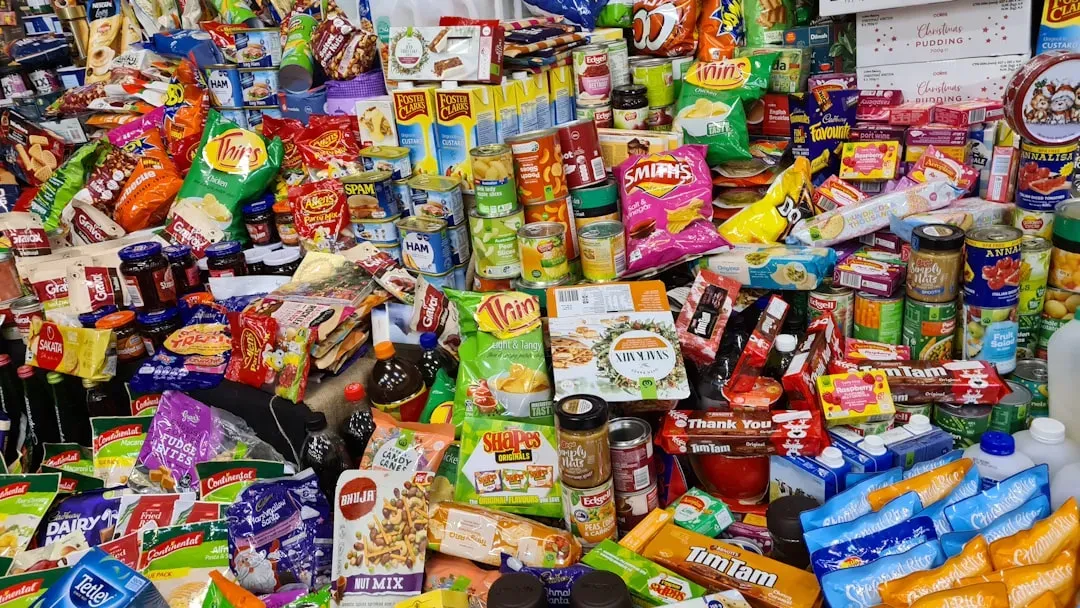
Modern food engineering takes that old survival code and presses every button at once. Ultra‑processed foods are often carefully designed to be hyper‑palatable: the right mix of sugar, fat, salt, and texture that keeps you reaching for more. To your ancient brain, these foods look like improbable jackpots – more calorie density and flavour than any natural food could promise in such small portions.
At the same time, these foods can be easy to eat quickly, so your body’s normal fullness signals do not have time to catch up. What was once a system tuned to notice slow, fibre‑rich meals around a fire is now dealing with soft, rich, rapidly consumed calories. The result is a perfect storm: a reward system built for scarcity trying to navigate a landscape of endless snacks that never existed in the environment it evolved in.
Why willpower alone feels so weak against a two-million-year programme
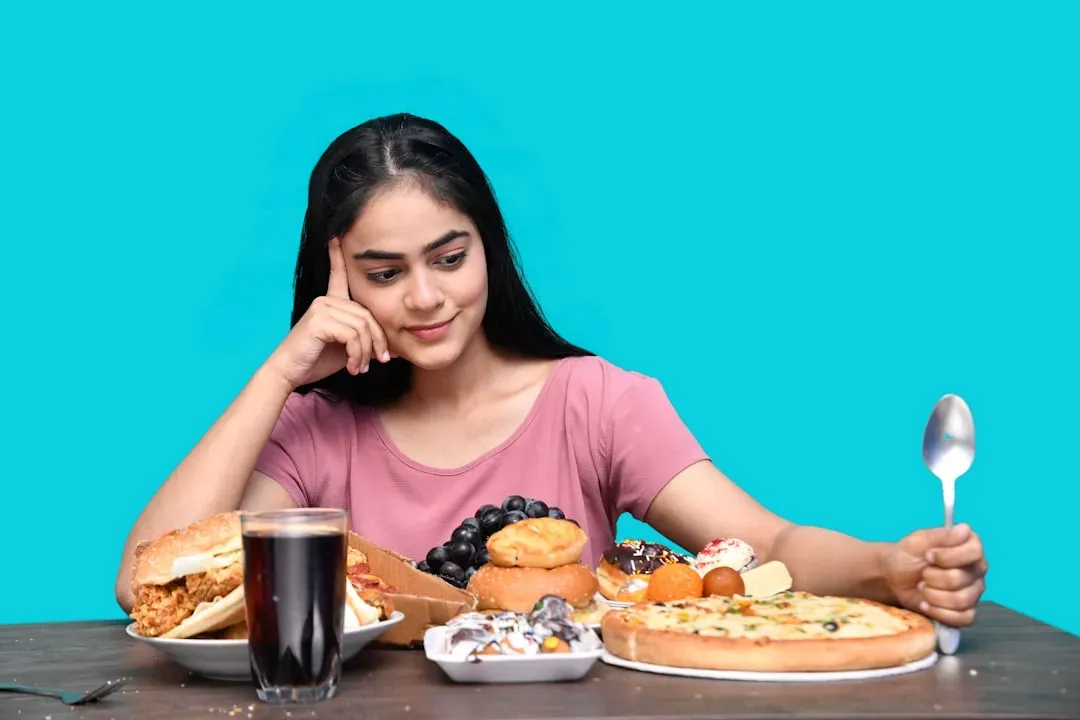
People often blame themselves for lacking discipline when they overeat, but that frame is unfairly harsh. You are not just resisting a random craving; you are pushing back against a programme that helped your ancestors survive for thousands of generations. Expecting pure willpower to win every time is like expecting a single umbrella to hold back a hurricane.
On a practical level, this means that shaming yourself for finishing the plate usually backfires. If eating more than you intended feels almost automatic, that is because, in a sense, it is. The behaviour is baked into deep layers of your physiology and psychology. Recognizing that does not give you a free pass, but it can replace self‑loathing with curiosity and strategy: how do you work with your wiring instead of trying to brute‑force your way past it?
Rewriting the script: modern strategies to outsmart ancient instincts

One powerful approach is to change the environment instead of arguing with yourself in the moment. Serving smaller portions, using smaller plates, and packing away leftovers before you start eating can gently interrupt the default pattern of “one plate equals one session of eating, and it must be finished.” When less is in front of you, eating until the plate is empty stops meaning automatic overeating.
Another strategy is to build in deliberate pauses halfway through a meal – putting down your fork, taking a sip of water, or talking for a few minutes. This buys time for satiety signals to reach your awareness. It is not about obsessively tracking every bite; it is about giving your slower, more reflective brain a chance to notice that the ancient survival system has already done its job and that you are in no danger of starving before breakfast.
Making peace with “waste” without ignoring global food realities
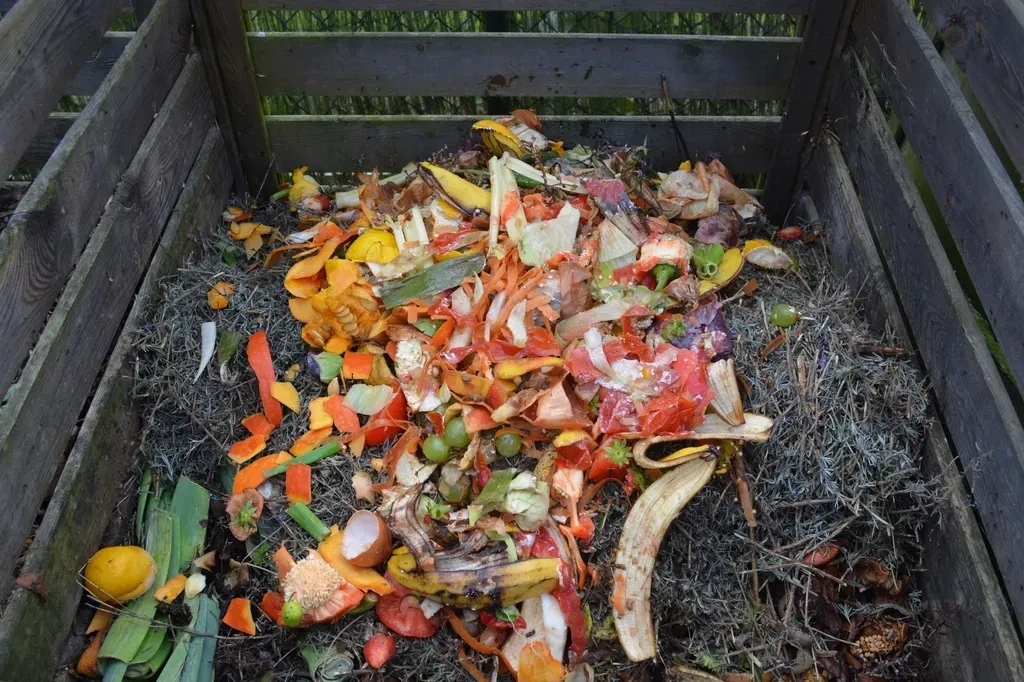
A lot of people feel a sharp stab of guilt at the idea of leaving food behind, especially when they think about hunger elsewhere in the world. That emotional reaction is understandable, but finishing food your body does not need does not actually help anyone. The calories you overeat cannot be teleported to someone who needs them; all they do is strain your health while doing nothing about injustice or waste at the system level.
There are better ways to honour the value of food: cooking or ordering less, saving leftovers intelligently, donating money or time to organizations addressing hunger, or supporting policies that reduce structural food waste. It is possible to care deeply about not being wasteful while also accepting that your plate is not a moral battlefield where you must sacrifice your own long‑term health to prove that you appreciate your meal.
Conclusion: an ancient programme you do not have to obey

When you see your urge to finish a meal as a prehistoric survival programme, it stops being a character flaw and becomes a design quirk. That instinct kept countless ancestors alive in harsh, unpredictable environments, but in a world of refrigerators, supermarkets, and year‑round snacks, blindly obeying it no longer makes sense. In my view, treating this as an unchangeable part of “who you are” is giving ancient conditions veto power over your modern life.
The more honest stance is this: honour the story of how your body came to be wired this way, but reserve the right to override it with awareness, boundaries, and new rituals around food. You do not owe your empty plate to evolution, to restaurant culture, or to the ghost of some long‑ago famine. Next time you feel that tug to keep eating even though you are full, you might quietly ask yourself whose rules you are following – your own, or a two‑million‑year‑old survival script that no longer fits your world?