Picture a child in a glass-and-steel high-rise, thousands of miles from any real jungle or desert, freezing at the sight of a tiny house spider on the wall. Or someone in a northern city, where venomous snakes have never slithered in the wild, instinctively jumping back at the sight of a harmless garden hose that only looks like a snake for a split second. That gut jolt is so fast it beats your conscious thoughts to the punch, like your brain has seen this danger a thousand times before you were even born.
That is exactly what evolutionary scientists have been arguing for years: some fears did not start with you, or even with your culture. They are ancient survival alarms, wired into a nervous system that was built for a world of tall grass, hidden predators, and poisonous bites rather than highways and smartphones. In this article, we’ll unpack how and why humans can fear spiders and snakes in places where neither has ever posed a real threat, and why your brain still acts like you live on the savannah. The twist is that the story turns out to be more nuanced, and more interesting, than a simple “we are born scared of them” explanation.
The Ancient World Your Brain Still Thinks You Live In
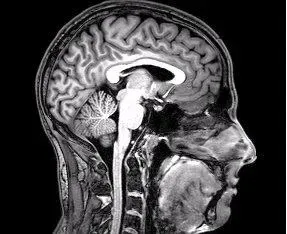
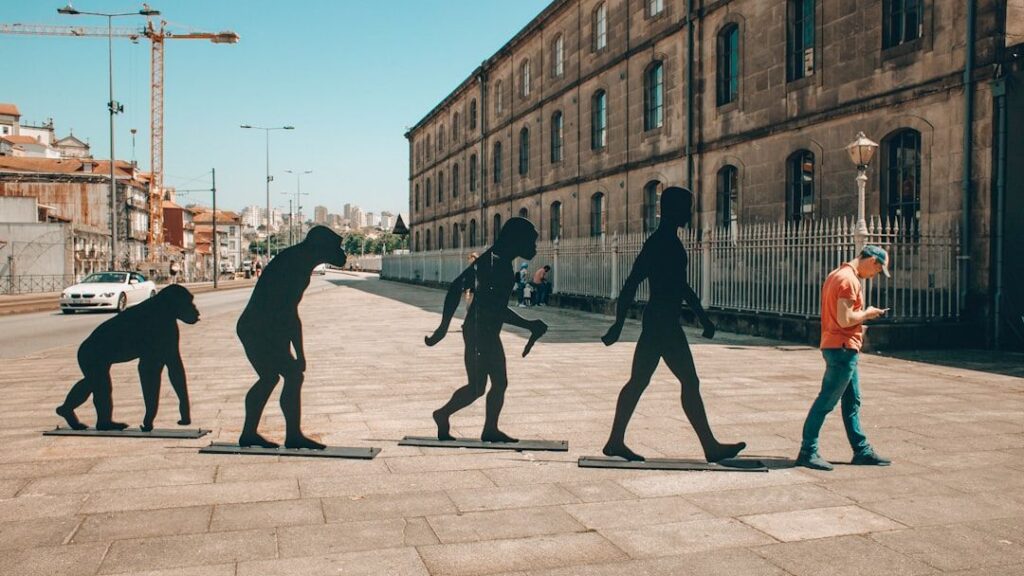
Even if you spend your days scrolling on a phone and ordering food from apps, your brain was not designed for this environment. It was sculpted over tens of thousands of generations in landscapes where a single mistake with a snake or a spider could mean infection, paralysis, or death in a matter of hours. From the perspective of natural selection, creatures that quickly detected small, camouflaged, venomous animals had a massive survival edge over those that did not. Over time, brains that were slightly faster at spotting winding shapes and leggy silhouettes were more likely to pass on their genes.
Think of it this way: your body is running twenty-first century software on Pleistocene hardware. The hardware carries built-in defaults, like a smoke detector set to be overly sensitive rather than under-reactive. It is safer for that detector to go off every time you burn toast than to miss a real fire. In the same way, it was safer for early humans to startle at anything that roughly resembled a snake or a spider than to calmly lean in for a closer look. That bias, multiplied over countless generations, left a trace in our nervous system that still fires today, even in high-rise apartments and snowy suburbs where deadly species are almost never present.
Preparedness: Why Some Things Are Easier to Fear Than Others
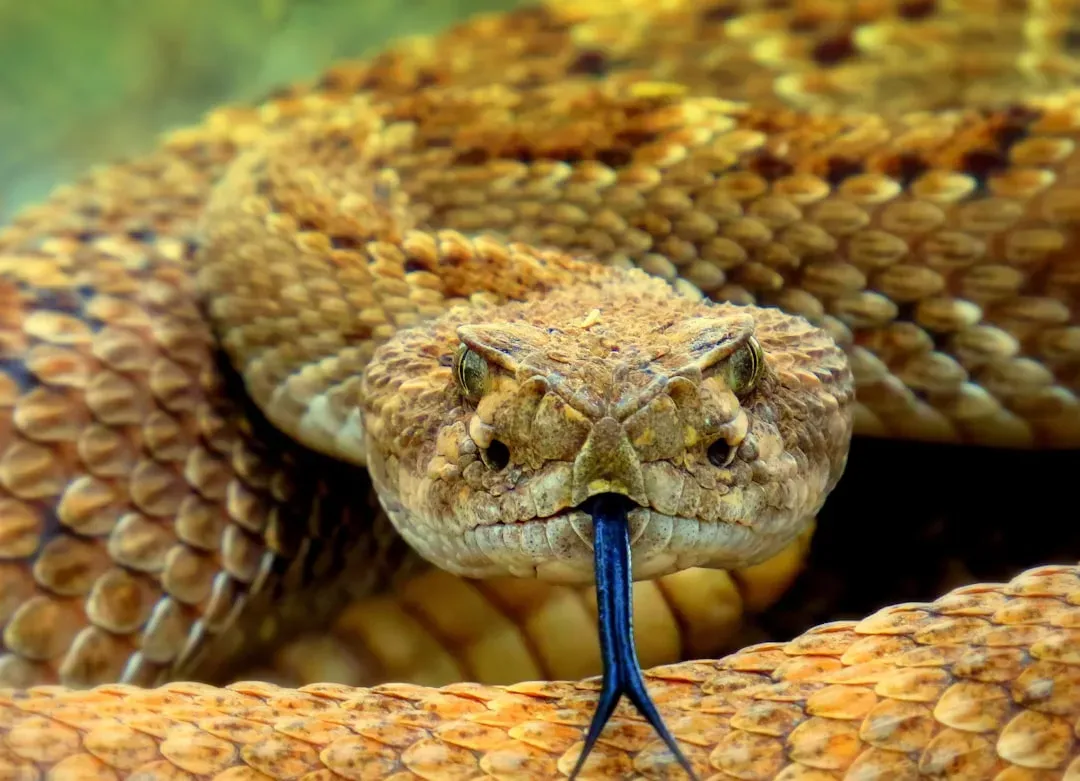
Scientists often talk about “prepared learning” when they explain why fears of snakes and spiders feel so natural and fast. The idea is that the human brain is not a blank slate that can learn to fear anything with equal ease; instead, it comes pre-tuned to associate certain shapes and movements with danger. Experiments have shown that people, including very young children, learn to fear snakes and spiders more quickly and hold onto that fear more stubbornly than they do for objects like flowers, butterflies, or guns, even if the latter are objectively more dangerous in modern life.
It is not that we are born with a finished fear, like an installed app. A more accurate picture is that we are born with a highly sensitive template ready to attach fear to certain categories of stimuli, especially slithering or many-legged, fast-moving creatures. That is why someone who has never met a venomous snake can still feel a rush of adrenaline when they see a realistic snake toy. Their brain is prepared for that association to click into place with very little input, like dry kindling needing only a single spark. In contrast, learning to fear something evolution did not “focus” on, like electrical outlets, usually takes more experience, warnings, or even direct accidents.
Do Babies Really Recognize Snakes and Spiders? What the Experiments Show

Some of the most striking evidence for this idea comes from research on infants who are far too young to have learned cultural stories about dangerous animals. In several lab experiments, babies who had never seen a real snake or spider were shown images of different animals while their gaze, attention, and sometimes even physiological responses were measured. Over and over, researchers have found that babies tend to detect and focus on snake and spider images more quickly compared to pictures of neutral animals like frogs or flowers, even when the images are presented very briefly or mixed into a crowded visual scene.
Importantly, this does not mean the infants are terrified or experiencing a full-blown phobia. It suggests heightened attention, like the brain saying, “This might matter; look closer.” That early attentional bias is exactly what evolution would favor if it wanted to build a system where potentially dangerous critters are processed faster than other visual input. So while the baby in a modern apartment has never seen a venomous snake in the wild, their nervous system behaves as if snakes and spiders are special categories that deserve immediate priority, hinting that the roots of these reactions run very deep.
Why People Fear Spiders and Snakes in Places They Have Never Lived
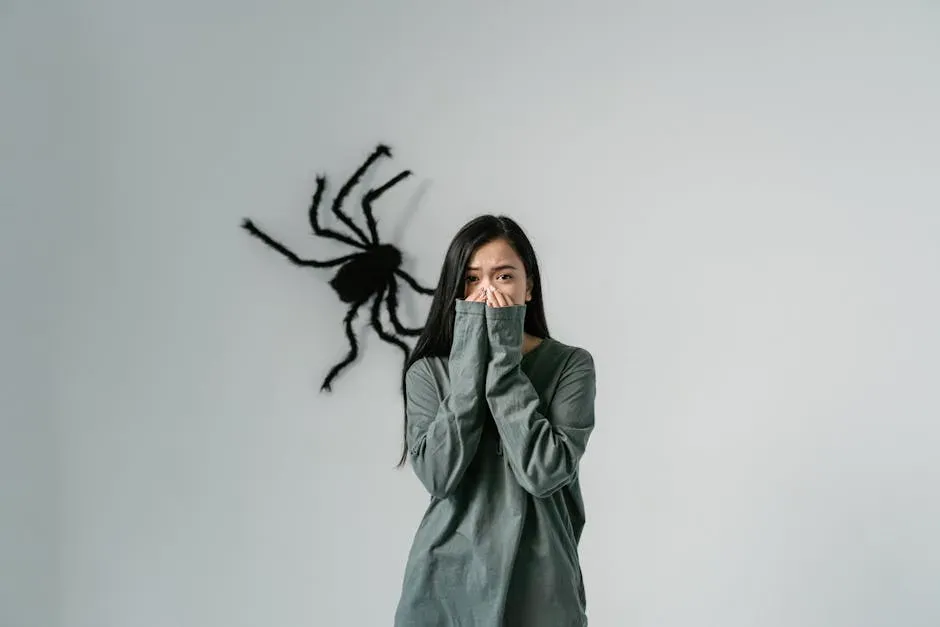
Here is where the puzzle gets really interesting: people in regions with no native venomous snakes, or where dangerous spiders are extremely rare, still commonly report strong, sometimes debilitating fears of them. At first glance, that seems backwards. Shouldn’t fear track real-world danger? Evolutionary thinking suggests that fear tracks ancestral danger more reliably than modern statistics. The brain’s alarm system is not updated by a regional wildlife report; it is tuned by what was repeatedly lethal over huge timescales in our species’ past.
I grew up in a fairly urban area where the most dangerous animal I saw regularly was probably an annoyed goose, yet I still remember jumping out of my skin at a perfectly harmless garden spider on the windowsill. No one had ever told me horror stories about spiders, and yet there was this instant gut-level “nope” before I could even rationalize it. Experiences like that are common across cultures, and they make a lot more sense if you accept that part of your brain is still operating with ancient assumptions: that small, fast, hard-to-see creatures often mean venom, bites, and infection, whether or not that is true where you live now.
The Role of Culture: Ancient Wiring Meets Modern Storytelling
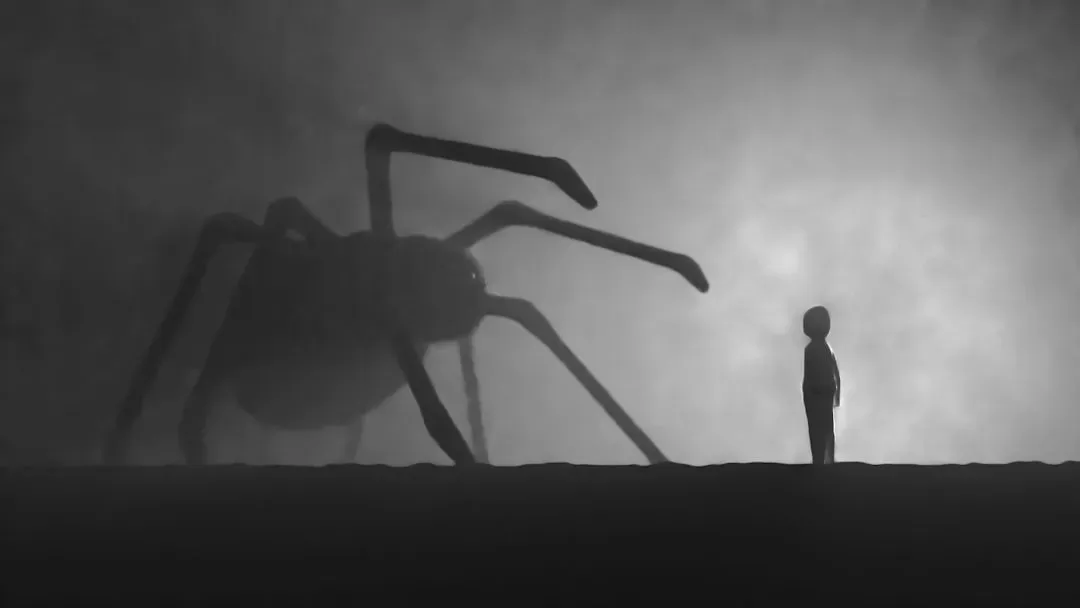
Of course, evolution is not the whole story. Culture is like a volume knob on top of ancient wiring. In some societies, snakes are respected, revered, or even handled regularly in rituals, and people there can be strikingly calm around them despite the same underlying biology. In others, snakes and spiders are nearly always cast as villains in stories, movies, and viral videos, which can amplify a mild instinctive unease into full-on panic and disgust. The baseline sensitivity comes from the brain’s evolutionary history, but what happens next is heavily shaped by family attitudes, media, and personal experiences.
Think about how many horror scenes rely on a sudden spider close-up, or a snake appearing unexpectedly in a bed, bathtub, or dark path. Those images piggyback on the nervous system’s ancient prioritization, making them incredibly effective emotionally. At the same time, cultures that teach children to identify, respect, and safely handle local snakes often produce adults who are cautious but not hysterical. So while the threat template might be encoded from long ago, the stories we tell either reinforce it, soften it, or sometimes even twist it into fascination instead of fear.
Humans also learn social fears remarkably quickly. If a child repeatedly sees a parent scream at a spider, lunge away from a snake on TV, or talk about them with exaggerated disgust, that child’s prepared neural circuits get a powerful lesson about what deserves panic. On the flip side, a calm adult who carefully captures a spider in a cup and releases it outside can teach the same sensitive brain that these creatures are worth caution, but not horror. Culture does not erase our evolutionary heritage, but it can channel it in surprisingly different directions.
When Fear Becomes Phobia: Anxiety on Top of Evolution

Most people experience a mild to moderate spike of fear when they unexpectedly encounter a snake or spider, and then quickly recover once they realize there is no real threat. For some, though, this reaction spirals into a phobia, where even pictures or thoughts of these animals trigger intense anxiety, avoidance, and sometimes physical symptoms like sweating, shaking, or nausea. Evolutionary science helps explain why snakes and spiders are such common targets for phobias: those ancient preparedness circuits are already primed, so they provide fertile ground for anxiety to grow when combined with stressful experiences or a general tendency toward worry.
It is a bit like starting a fire. The evolutionary wiring is the dry kindling, always available and ready, but you still need a match in the form of specific experiences, stories, or broader anxiety to create an uncontrollable blaze. The encouraging side of this is that treatments like exposure therapy can work very well, even for long-standing snake and spider phobias. Slowly and safely confronting the feared images or animals seems to retrain those old circuits, showing the brain that its ancient assumptions about constant lethal danger do not apply in modern conditions. That does not erase the evolutionary history, but it proves that the nervous system remains plastic and capable of updating its fear maps.
Are We Actually Born With These Fears, or Just the Blueprint?
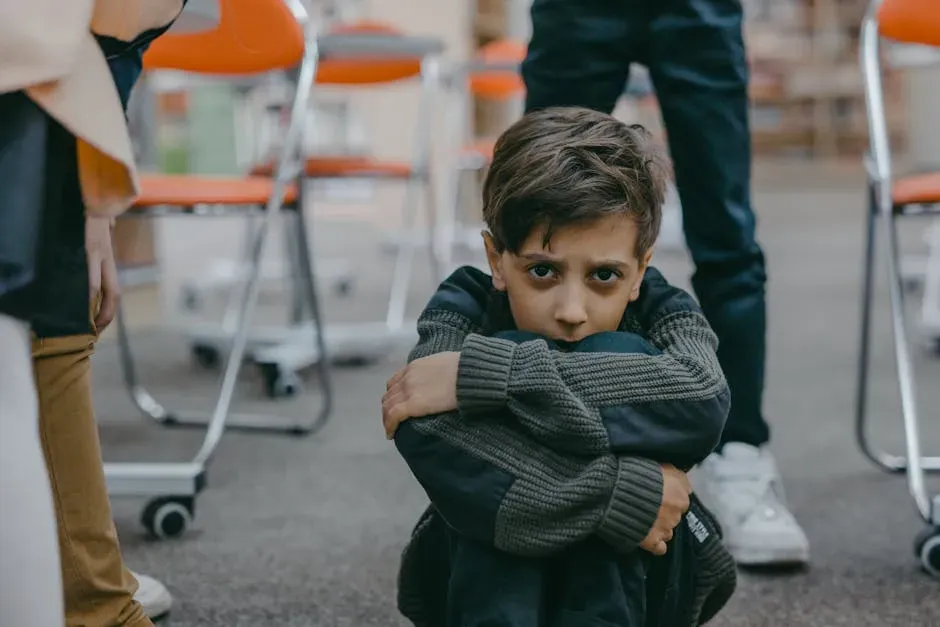
This is where the science gets more cautious, and honestly, more honest. Researchers still debate how much of the spider and snake fear response is truly “hardwired” versus how much is an early, fast, and easy pattern of learning. Some argue that what is inherited is not the fear itself but a visual and emotional system that is especially tuned to rapid detection of certain shapes, movements, and textures. In their view, babies come with the blueprint for a potential fear, not the fear already fully installed, and that blueprint can be reinforced, reshaped, or even largely bypassed depending on experience.
Others point to findings in animals and humans suggesting that certain fear pathways are unusually resistant to change and can be activated with extremely minimal exposure, hinting at something closer to a preconfigured response. The truth may sit somewhere between these positions. We seem to be born with an attentional and emotional bias that makes fear of snakes and spiders much easier to acquire and harder to erase than many other fears, even in places where these animals are practically absent. But that bias is not destiny. The environment you grow up in, the stories you hear, and how people around you act still matter a great deal in shaping whether that dormant threat blueprint becomes a lifelong phobia or just a brief, manageable jolt when a spider zips across your ceiling.
Conclusion: Old Brains in New Worlds – and Why That Matters
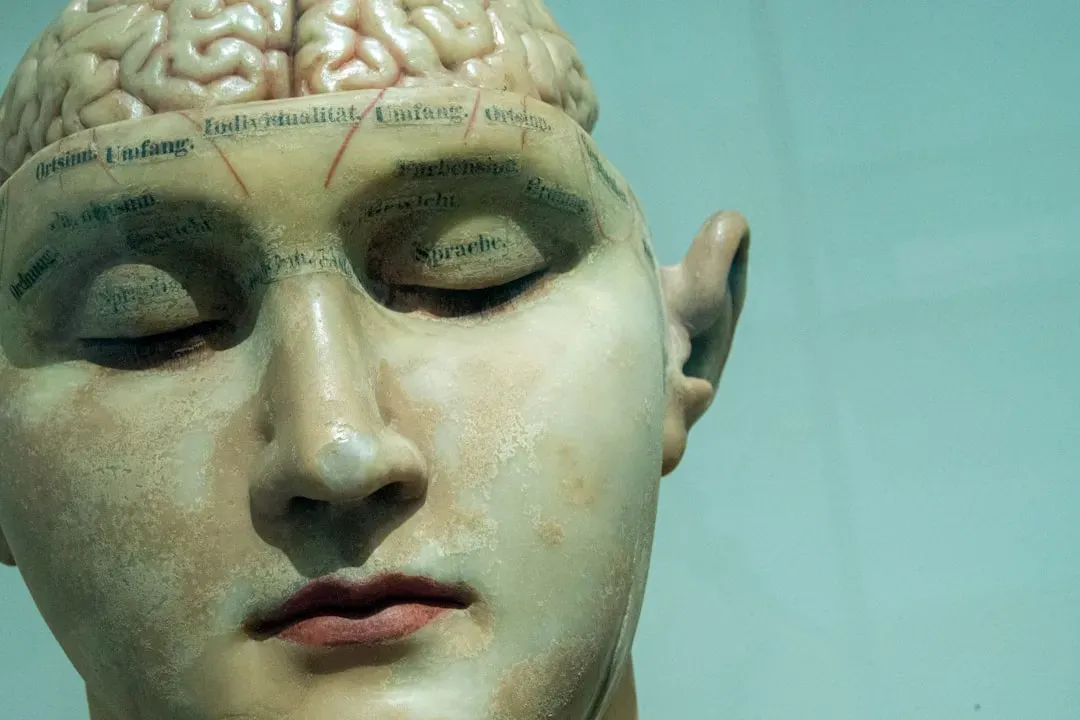
At the end of the day, the idea that humans fear spiders and snakes in places where they have never truly been a threat is not superstition; it is a side effect of carrying an ancient survival machine around in a modern world. Your brain was tuned to notice and overreact to certain patterns long before paved roads, indoor plumbing, and streaming platforms existed. In my view, that is not something to roll your eyes at, but something to respect. Those fast, twitchy reactions are leftovers from a time when being wrong even once about a snake or spider could end your story right there. The cost of a few false alarms now is small compared to the crushing cost of one missed alarm in the past.
At the same time, I think we sell ourselves short if we treat these inherited fears as unchangeable verdicts. Knowing that some of your fear is a biological relic can be strangely empowering. It gives you permission to say, “My brain is overreacting on purpose, but that does not mean I have to let it run the show.” It might even nudge us toward a bit more curiosity and compassion for the creatures we inherited these alarms from, and for ourselves when we flinch at a harmless spider on the wall. In a world where our oldest instincts and newest environments clash every day, the real question is not whether the fear is encoded, but how you choose to live with that ancient code running quietly in the background – what would you do if you could renegotiate that instinct instead of just obeying it?