
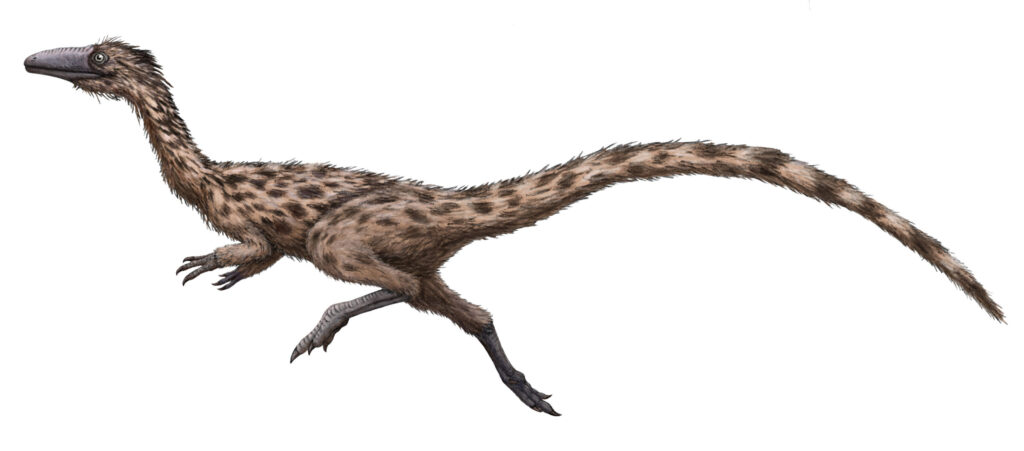
Picture this: a massive T. rex strutting through ancient forests, not with scaly skin like movie monsters, but covered in vibrant feathers that shimmer in the prehistoric sunlight. Sounds like science fiction, right? Well, prepare to have your mind blown because this isn’t fantasy—it’s increasingly becoming scientific reality. The discovery of feathered dinosaurs has turned paleontology on its head, forcing us to completely reimagine these ancient beasts and question everything we thought we knew about the evolution of flight.
The Shocking Discovery That Changed Everything
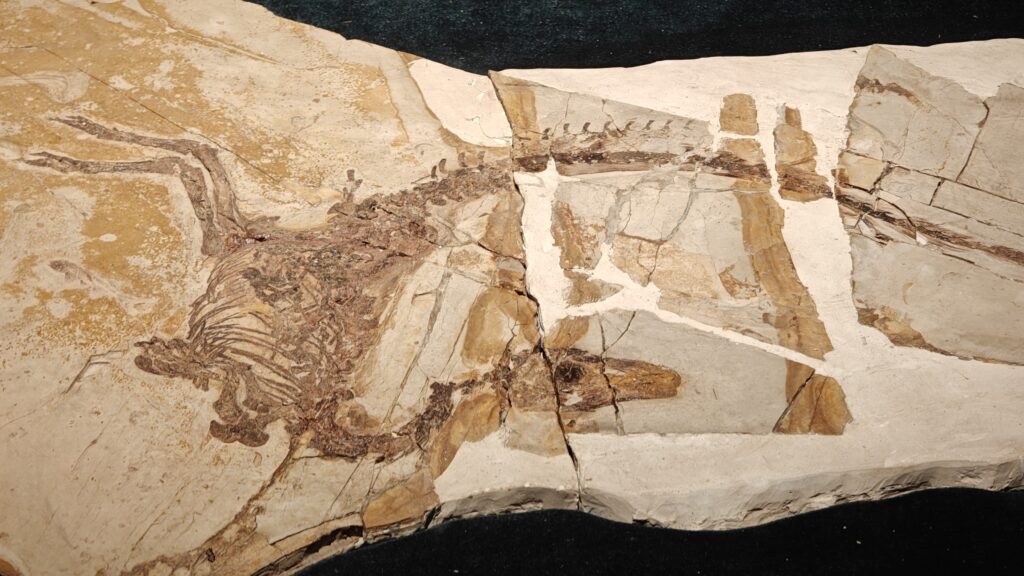
In 1996, a farmer in China stumbled upon what would become one of the most groundbreaking paleontological discoveries of the century. Sinosauropteryx, a small theropod dinosaur, was found with something unprecedented: clear evidence of feather-like structures covering its body. This wasn’t just another fossil—it was a revolution wrapped in rock.
The scientific community initially reacted with skepticism, and rightfully so. For over a century, dinosaurs had been depicted as scaly, reptilian creatures. The idea that they might have sported feathers seemed as absurd as suggesting that elephants once had wings. Yet as more fossils emerged from the Liaoning Province of China, the evidence became undeniable.
What These Ancient Feathers Actually Looked Like
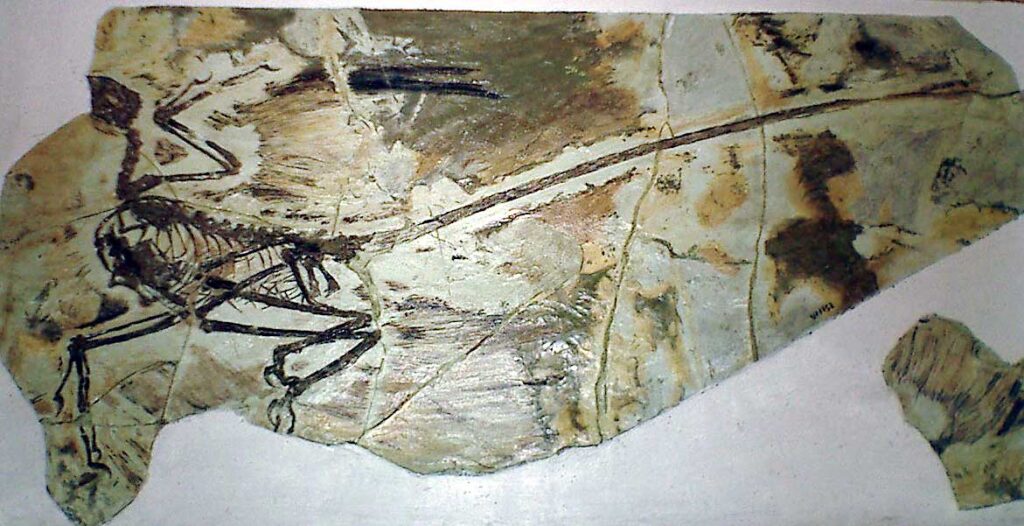
Forget everything you think you know about dinosaur feathers—these weren’t the sleek, aerodynamic plumes we see on modern birds. Early dinosaur feathers were more like fuzzy hair or primitive down, creating a sort of prehistoric shag carpet effect. Scientists call these structures “protofeathers,” and they were likely simple, hollow filaments that sprouted from the skin.
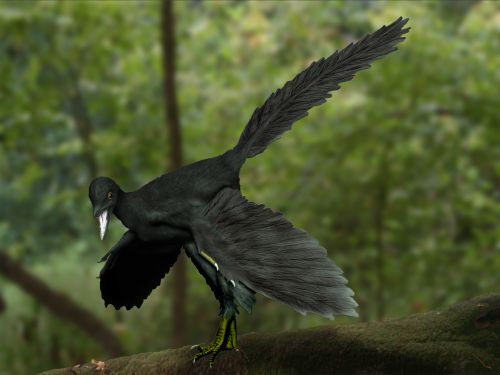
Some dinosaurs sported more complex feather arrangements that resembled modern bird feathers, complete with central shafts and branching barbs. The four-winged Microraptor, for instance, had fully developed flight feathers on both its arms and legs, creating what must have been a truly bizarre sight gliding through ancient skies.
The Color Revolution in Paleontology
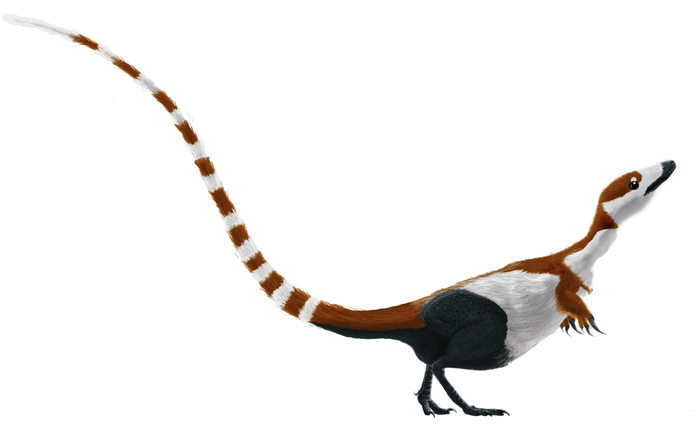
Here’s where things get really wild: scientists can now determine the actual colors of dinosaur feathers. Using powerful electron microscopes, researchers examine tiny structures called melanosomes preserved in fossilized feathers. These microscopic organelles once contained pigments, and their shape reveals the colors they produced.
Sinosauropteryx, that groundbreaking first discovery, turned out to have a rusty red and white striped tail—like a prehistoric barber pole. Anchiornis was decked out in glossy black feathers with striking white wing patches, while Borealopelta sported a reddish-brown camouflage pattern that would make any military designer jealous.
This color analysis has revealed that many feathered dinosaurs were as vibrant and varied as tropical birds today. Some even had iridescent plumage that would have shimmered with rainbow hues in the sunlight.
Why Feathers Evolved Before Flight
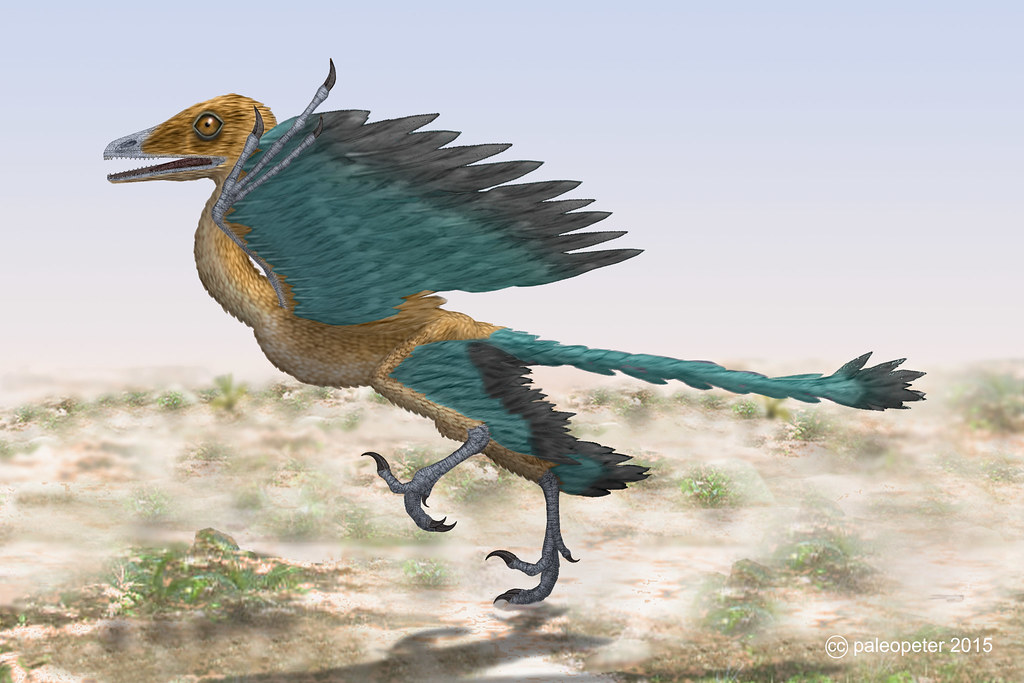
This is where the story gets counterintuitive. Most people assume feathers evolved for flight, but that’s putting the cart before the horse. Feathers actually appeared millions of years before any dinosaur took to the skies, serving completely different purposes that had nothing to do with aerial acrobatics.
The primary driver for feather evolution was likely temperature regulation. Early dinosaurs needed better insulation than scales could provide, especially smaller species that lost heat quickly. Feathers created a perfect thermostat, trapping warm air close to the body while allowing excess heat to escape when needed.
Display and communication were equally important factors. Just like peacocks today, feathered dinosaurs probably used their plumage to attract mates, intimidate rivals, or signal their health and genetic fitness. A dinosaur’s feathers were essentially its business card, broadcasting vital information about its species, age, and reproductive status.
The Giants That Rocked the Feather World
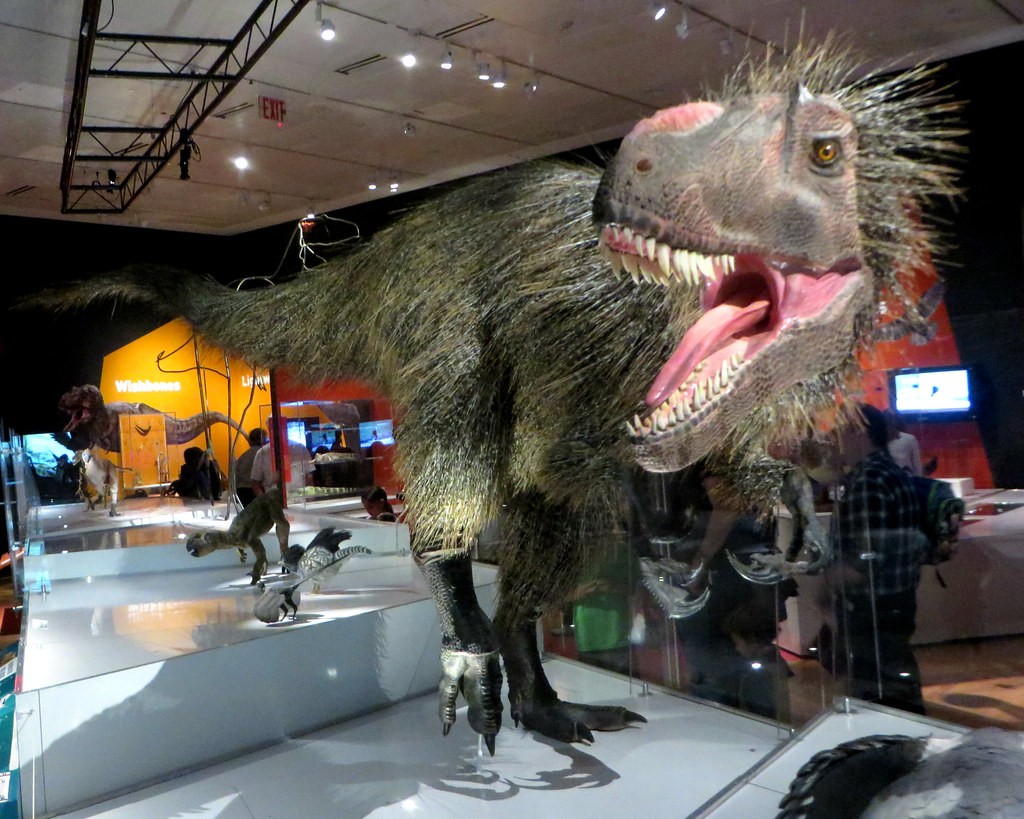
When scientists discovered that even massive predators like Yutyrannus had feathers, it sent shockwaves through the paleontological community. This 30-foot-long tyrannosaur relative was covered in fluffy, down-like feathers that would have made it look like a gigantic, terrifying teddy bear.
The implications were staggering. If a three-ton predator needed feathers for insulation, what did that say about the climate and metabolism of these ancient giants? It suggested that many large dinosaurs were warm-blooded, active creatures rather than the sluggish, cold-blooded reptiles once imagined.
Different Types of Dinosaur Feathers Explained
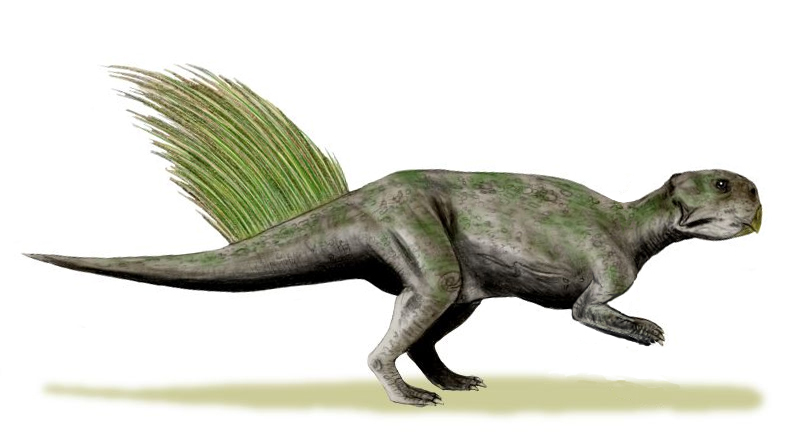
Not all dinosaur feathers were created equal. Scientists have identified several distinct types, each serving different purposes and representing different stages of feather evolution. The simplest were single, hollow filaments that resembled primitive hair more than modern feathers.
More advanced types included branched structures that looked like bottle brushes, and eventually the complex feathers with central rachis and symmetrical barbs that we recognize today. Some dinosaurs even had ribbon-like feathers with broad, flat surfaces perfect for display purposes.
The diversity was remarkable—some species had different feather types on different parts of their bodies, creating a patchwork of textures and functions that served multiple purposes simultaneously.
How Feathers Led to the Birth of Flight
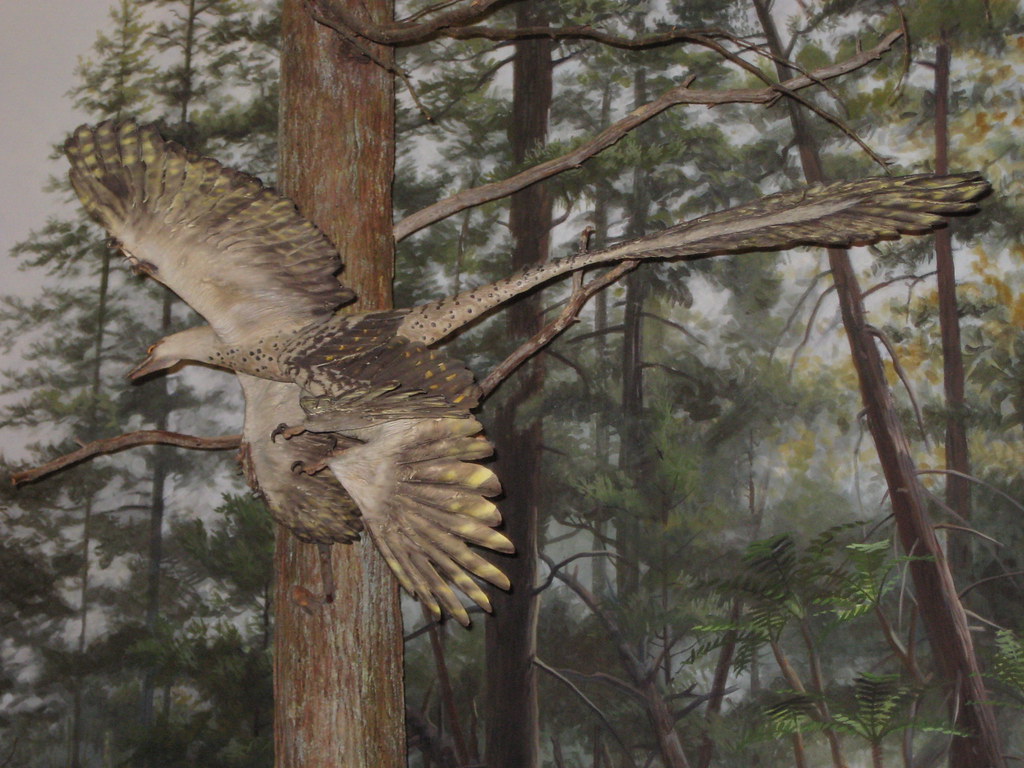
The transition from ground-dwelling feathered dinosaurs to flying birds represents one of evolution’s most remarkable achievements. It didn’t happen overnight—it was a gradual process spanning millions of years and involving numerous intermediate steps that paleontologists are still piecing together.
Early attempts at flight likely involved gliding from tree to tree, similar to modern flying squirrels. Dinosaurs like Microraptor used their four-winged configuration to glide between branches, gradually developing the muscle strength and coordination needed for powered flight.
The development of asymmetrical flight feathers was crucial—these specialized structures could generate lift and thrust, transforming simple gliding into true flight. Once this threshold was crossed, the sky literally became the limit for dinosaur evolution.
The Insulation Theory That Makes Perfect Sense
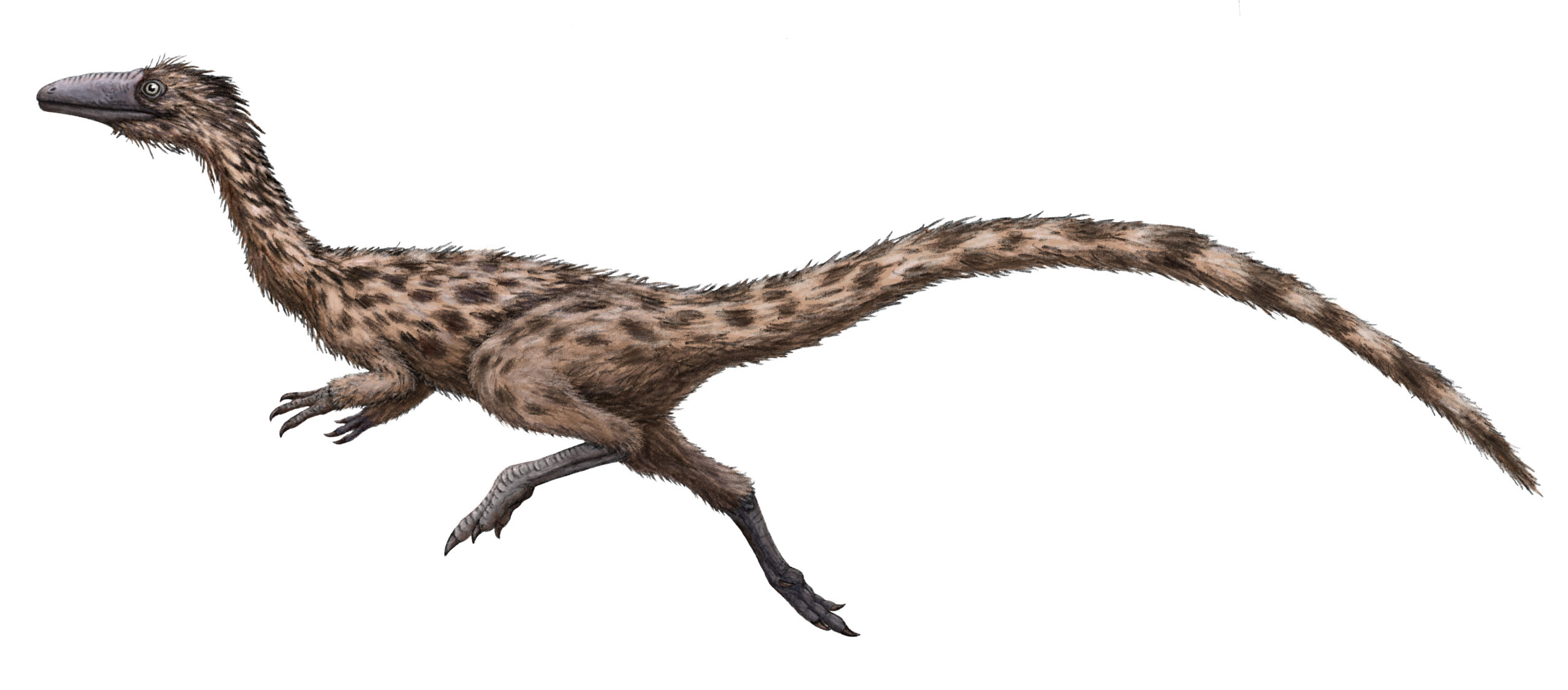
The insulation hypothesis for feather evolution makes perfect biological sense when you consider the physics of heat loss. Small dinosaurs, with their high surface-area-to-volume ratio, would have struggled to maintain body temperature without some form of external insulation.
Feathers provided the perfect solution—they could trap air in tiny pockets, creating an insulating layer that was both lightweight and highly effective. This allowed smaller dinosaurs to maintain higher metabolic rates and remain active in cooler conditions.
The evidence for this theory comes from the distribution of feathered dinosaurs—many of the best-preserved specimens come from regions that experienced seasonal temperature variations, exactly where you’d expect insulation to provide the greatest survival advantage.
Sexual Selection and Dinosaur Fashion Shows
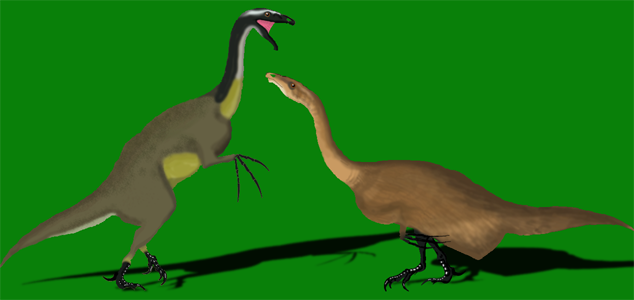
Imagine prehistoric forests filled with dinosaurs strutting their stuff, showing off elaborate feather displays to potential mates. Sexual selection likely played a huge role in feather evolution, driving the development of increasingly elaborate and colorful plumage.
Modern birds provide countless examples of how feathers can be used for courtship displays—from the spectacular tail of a peacock to the intricate dance moves of birds-of-paradise. There’s no reason to think dinosaurs were any less vain or competitive when it came to attracting mates.
Some feathered dinosaur fossils show evidence of seasonal molt patterns, suggesting that like modern birds, they may have grown special breeding plumage during mating season. The prehistoric dating scene was probably as colorful and dramatic as anything in the modern natural world.
The Camouflage Advantage in Ancient Ecosystems
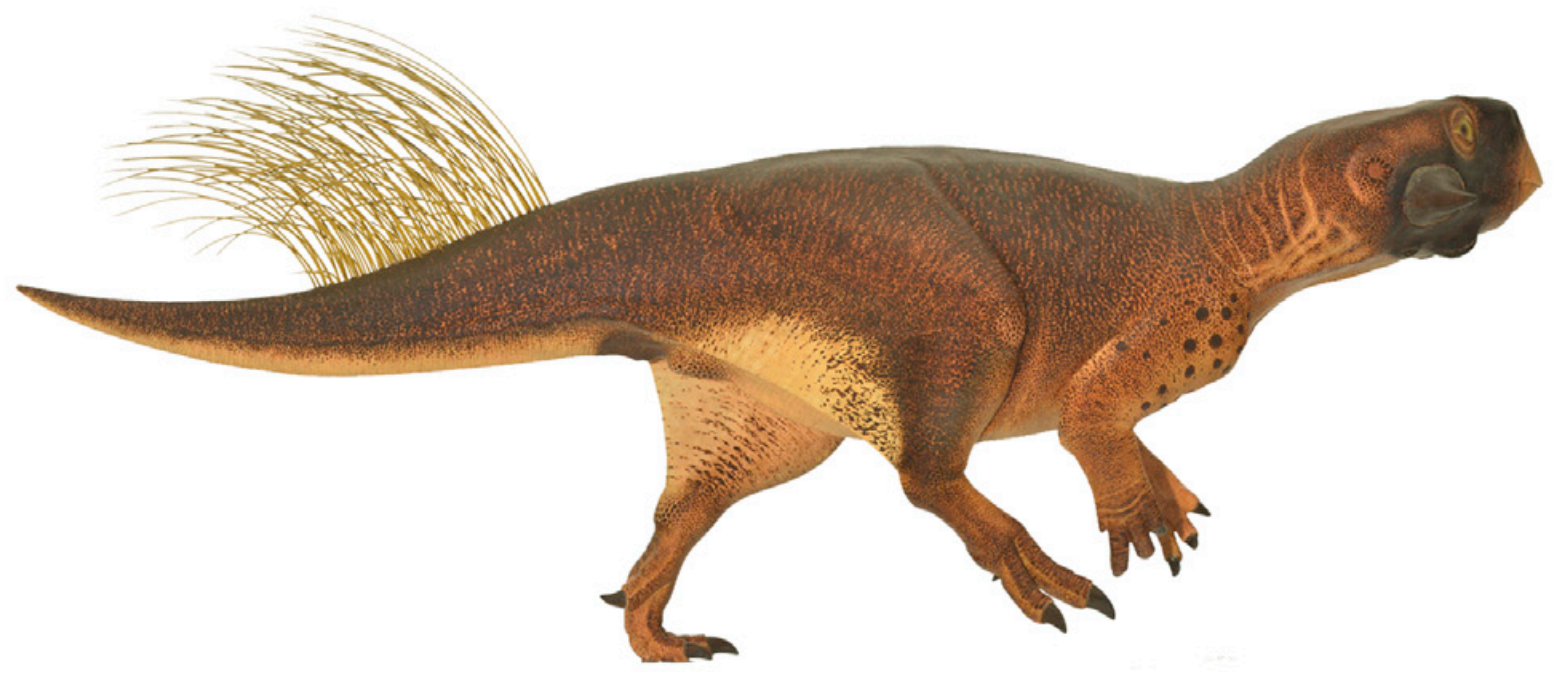
Feathers offered something scales never could—the ability to break up body outlines and blend seamlessly with surrounding vegetation. This camouflage advantage would have been crucial for both predators and prey in the dense forests of the Mesozoic era.
The striped patterns found on dinosaurs like Sinosauropteryx mirror the light-and-shadow patterns of forest undergrowth, providing perfect camouflage for ambush predators. Similarly, the mottled browns and greens found on some herbivorous dinosaurs would have helped them disappear into the prehistoric landscape.
This camouflage wasn’t just about hiding—it was about survival in an ecosystem filled with both massive predators and agile prey, where the difference between being seen and staying hidden often meant the difference between life and death.
Modern Technology Reveals Ancient Secrets
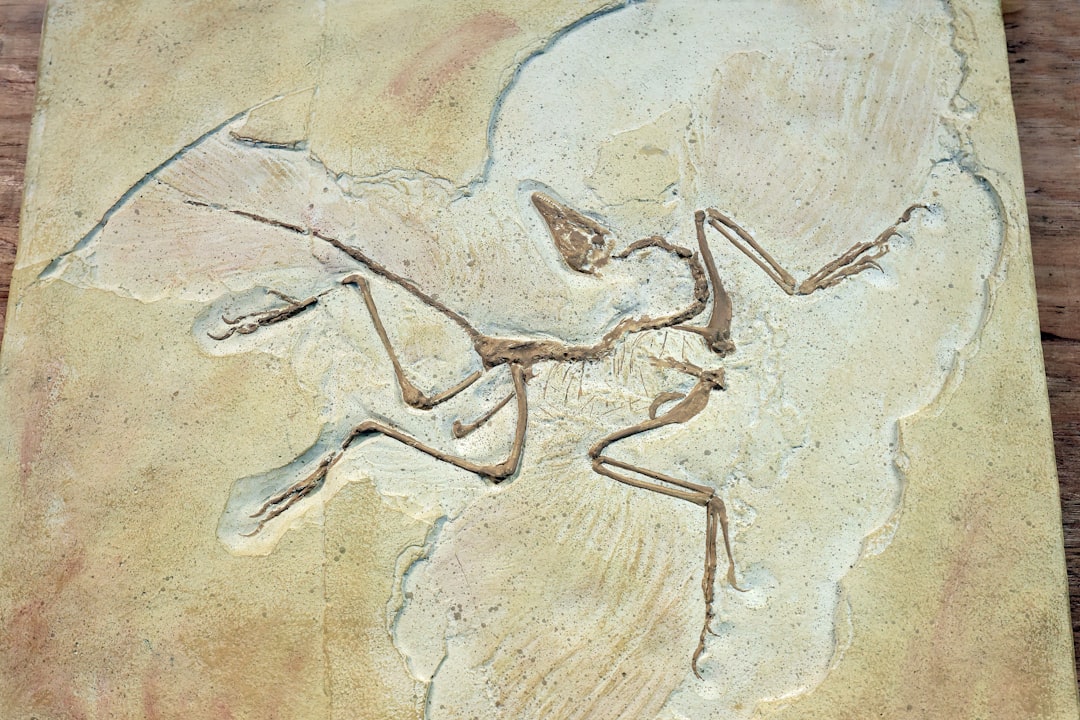
The tools scientists use to study feathered dinosaurs read like something from a science fiction novel. Synchrotron radiation, a type of extremely bright X-ray, can reveal the internal structure of fossils without damaging them. Electron microscopy allows researchers to examine cellular structures preserved for over 100 million years.
Advanced chemical analysis can detect trace amounts of organic compounds that once made up feathers, while computer modeling helps scientists understand how these ancient structures would have functioned in living animals. These technologies are constantly revealing new details about dinosaur biology that would have been impossible to discover just a few decades ago.
The pace of discovery is accelerating, with new feathered dinosaur species being described almost monthly. Each new find adds another piece to the puzzle of how feathers evolved and how they shaped the course of vertebrate evolution.
Conclusion
The story of feathered dinosaurs is ultimately a story about the incredible creativity of evolution and the importance of keeping an open mind in science. What started as a need for better insulation evolved into one of the most successful innovations in the history of life on Earth.
These discoveries have transformed our understanding of dinosaurs from lumbering, scaly monsters into dynamic, colorful creatures that were far more similar to modern birds than anyone could have imagined. They’ve shown us that the line between dinosaurs and birds isn’t a line at all—it’s a gradual transition that we’re still working to understand.
The next time you see a bird outside your window, remember that you’re looking at a living dinosaur, one whose ancestors survived the great extinction by taking to the skies on feathers that originally evolved just to stay warm. Did you ever imagine that something as simple as staying cozy could change the course of life on Earth forever?