You are stepping onto one of the UK’s most underrated fossil hunting grounds—Hamstead Cliff on the Isle of Wight. Unlike dramatic dinosaur bone sites, this location offers something more subtle yet equally fascinating: a dense, diverse record of life from around 33 million years ago. Here, the shoreline itself becomes your treasure field, where every step could reveal a fragment of an ancient ecosystem.
What makes this place unique for you is its accessibility and richness. You don’t need to dig deep or use heavy tools—most fossils are simply waiting on the surface, exposed by tides and time.
A Coastline Packed With Ancient Life
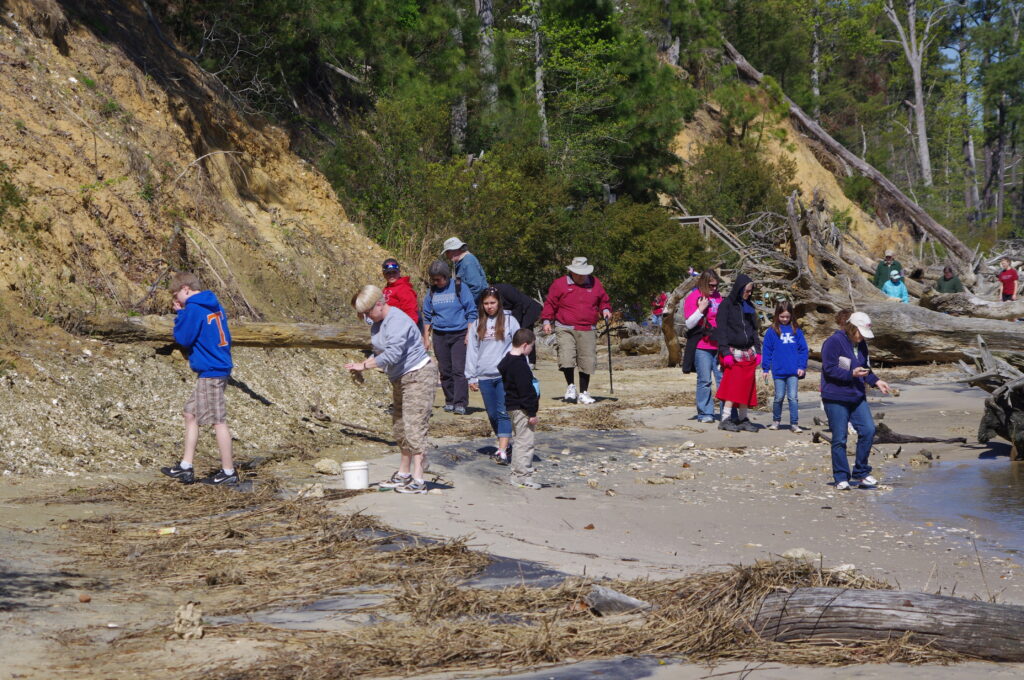
A Coastline Packed With Ancient Life (Image Credits: Wikimedia)
As you explore the stretch between Hamstead Bay and Yarmouth, you’re walking across sediments from the early Oligocene period. These beds are exceptionally rich, preserving remains of mammals, crocodiles, turtles, fish, and even plant life.
What you’ll notice quickly is the variety. From tiny seeds to fragments of bone, this coastline offers a complete snapshot of an ancient wetland ecosystem. It’s not just about one species—it’s about understanding how multiple forms of life once coexisted here.
Fossils You Can Actually Find Yourself
You don’t need to be an expert to make a discovery here. The most common finds include crocodile teeth, turtle shell fragments, and small fish remains scattered across the foreshore.
If you slow down and look closely, especially near the base of the cliffs or along the tideline, you can pick up tiny fossils just by scanning the shingle. In fact, staying in one spot for a while often rewards you with multiple finds without moving far.
The Hidden World of Microfossils
What truly sets this site apart for you is the abundance of microscopic treasures. The Hamstead Formation is packed with fossil seeds—particularly species like Stratiotes websterii—that require careful sieving to uncover.
When you collect and sift through samples, you begin to uncover an entirely different layer of history. These tiny remains reveal details about ancient vegetation and climate, helping scientists reconstruct what this region looked like millions of years ago.
A Geological Story Beneath Your Feet
As you walk along the cliffs, you’re actually seeing layers of the Bouldnor Formation—a geological sequence that records a transition from freshwater to coastal environments.
At the base, older layers like the Bembridge Marls contain fish remains and other vertebrates, while the upper sections are rich in seeds and molluscs. This layering allows you to trace environmental changes over time, almost like reading a natural history book written in stone.
Safety and Smart Fossil Hunting
While the site is rewarding, you need to approach it carefully. Access can be challenging due to private roads and limited parking, so following designated paths is essential.
More importantly, tides here can be dangerous. You must check tide times before heading out, as rising waters can quickly cut off access routes. With the right planning, though, you can safely explore one of the UK’s richest fossil coastlines and experience the thrill of discovery firsthand.