
The global moratorium on commercial whaling marked its 40th anniversary in January, a milestone that underscores decades of progress in protecting Earth’s largest animals from relentless hunting.
A Landmark Vote That Changed the Seas
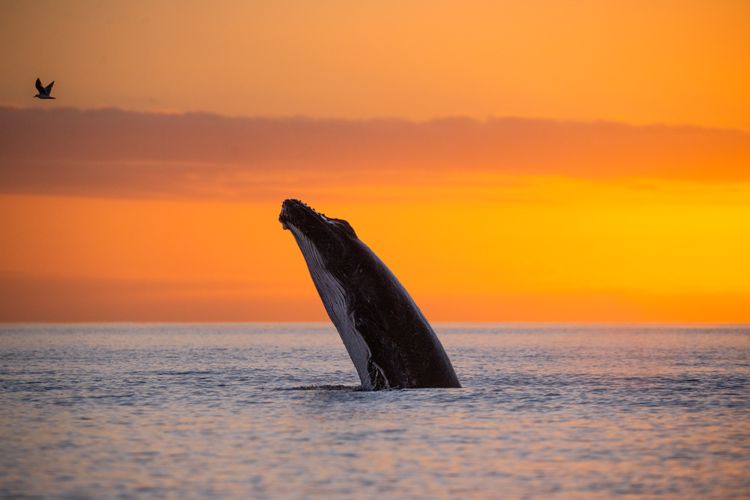
A Landmark Vote That Changed the Seas (Image Credits: Imgs.mongabay.com)
In 1982, member nations of the International Whaling Commission gathered in Brighton and approved a pause on commercial whaling with the required three-quarters majority. The decision took effect at the start of the 1985/1986 season, halting a practice that had decimated whale populations for centuries.
The IWC, founded in 1946 with just 14 members – primarily major whaling powers – now counts 88 governments among its ranks. Originally tasked with regulating the industry, the organization shifted focus toward conservation as evidence of overexploitation mounted. Commercial fleets had already begun to dwindle by the 1970s due to depleted stocks and changing consumer tastes.
Clare Perry, senior adviser with the Environmental Investigation Agency’s ocean campaign, described the moratorium as the defining moment in the IWC’s history. She credited it with saving great whales from extinction.
Evidence of Population Rebounds
Whale numbers have shown encouraging signs of recovery since the ban’s implementation. Species like humpback whales, once reduced by more than 95 percent through industrial hunting, now demonstrate resilience amid reduced direct pressure.
The moratorium arrived just as many populations teetered on collapse. Scientific assessments from the IWC’s committees track these trends, providing data that supports ongoing protection efforts. Humpbacks, in particular, face fewer targeted kills but remain vulnerable to other human impacts.
Nations Navigating Loopholes
Despite broad adherence, a handful of countries continue commercial operations through formal objections, reservations, or withdrawal from the IWC. Norway lodged an objection and hunts minke whales in its waters. Iceland rejoined the IWC in 2002 with a reservation, targeting minke and fin whales. Japan exited in 2019 and shifted its efforts to domestic seas.
Recent catches reflect this persistence:
| Country | 2024 Catch |
|---|---|
| Japan | 322 whales |
| Norway | 415 minke whales |
| Iceland | Ongoing (minke and fin) |
These nations set their own quotas and report data to the IWC, though enforcement remains limited. A 2014 International Court of Justice ruling curbed Japan’s Antarctic hunts, prompting its full withdrawal.
Emerging Threats Eclipse Old Ones
Targeted whaling now poses less risk than incidental harms. Bycatch and entanglements in fishing gear claim over 300,000 cetaceans each year, according to IWC communications manager Kate Wilson. Ship strikes further endanger slower species like humpbacks, as noted by Erich Hoyt of the IUCN’s marine mammal task force.
- Bycatch in fishing nets and lines remains the leading killer.
- Ship collisions increase with rising maritime traffic.
- Ocean noise, debris, pollution, and climate change compound vulnerabilities.
- The IWC addresses these through dedicated programs on entanglement reduction and bycatch mitigation.
Safeguarding the Legacy
The IWC endures as a vital forum, blending science from 200 leading cetacean experts with policy on conservation and welfare. Aboriginal subsistence whaling persists under strict oversight, but commercial hunts face unified opposition from most members.
This 40-year pause stands as a model of international cooperation. Yet vigilance is essential against loopholes and modern perils. Key takeaways include:
- The moratorium averted extinction for multiple whale species.
- Bycatch now surpasses whaling as the top threat, killing hundreds of thousands annually.
- Strengthened global enforcement could secure further gains.
Conservationists urge renewed commitment to protect these recovering icons. What do you think lies ahead for whale populations? Tell us in the comments.