You probably grew up imagining dinosaurs stomping through steamy jungles, surrounded by ferns, swamps, and constant heat. That classic picture is only part of the story. Over the last couple of decades, paleontologists have been quietly rewriting what you know about dinosaur habitats, and one of the most surprising chapters takes you far from the tropics and straight into the ancient Arctic.
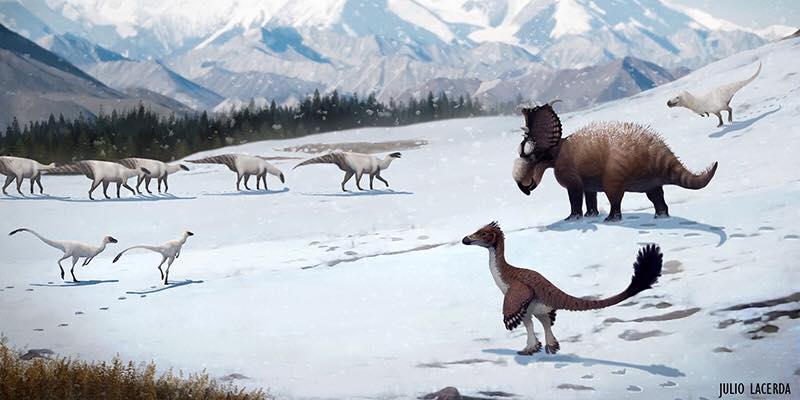
New discoveries in places like northern Alaska and the Arctic regions of Canada show that dinosaurs did not just pass through these high-latitude environments; they actually lived and raised their young there. When you realize these places would have had long, dark winters and chilly temperatures, the idea of dinosaurs thriving there feels almost shocking. Yet the fossils keep telling you the same thing: the Arctic was not a no-go zone, it was home.
Why Arctic Dinosaurs Are Such a Big Deal
When you think of the Arctic, you probably picture icy oceans, polar bears, and months of darkness, not herds of plant-eating dinosaurs or nimble predators sprinting through conifer forests. That is exactly why these discoveries are so powerful: they force you to rethink what dinosaurs could handle. Instead of being delicate creatures locked into tropical climates, they start to look like tough survivors able to push into every corner of the planet.
Finding dinosaur fossils at extreme northern latitudes also changes how you see Earth’s ancient climate. The world was warmer back in the age of dinosaurs, but the poles were still cooler, darker places with strong seasonal swings. When you realize dinosaurs were living right through months of winter darkness and chill, it suggests they were much more adaptable than their pop-culture image gives them credit for. You are not just tweaking the dinosaur story here; you are expanding its boundaries.
What the Ancient Arctic Really Looked Like
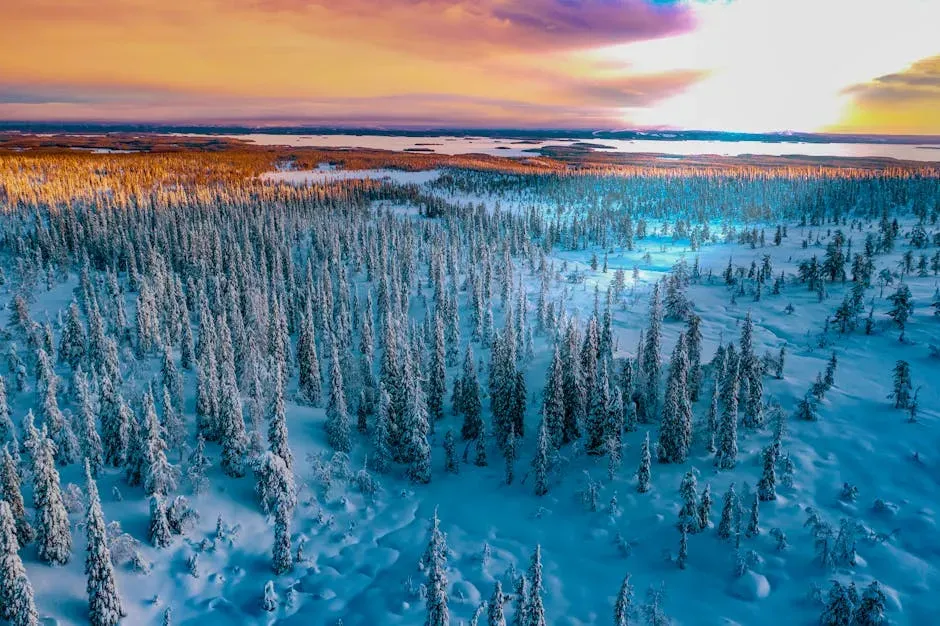
If you could step into the Arctic during the Late Cretaceous, you would not see endless ice the way you do today. You would walk into a dense forest of conifers, ginkgos, and hardy flowering plants, probably squishing through muddy floodplains and riverbanks rather than crunching over snow and ice. Summer would feel cool but not freezing, and winter would bring long months of darkness, lower temperatures, and maybe some frost and snow depending on the exact spot and time.
You would also notice that day and night worked differently. During the summer, the sun could hang in the sky for nearly the entire day, while in winter it might barely rise at all. That means any dinosaur living there had to cope not just with cold, but with extreme light cycles that would test your own body clock. This was not a gentle paradise; it was a challenging environment that demanded real resilience from any animal trying to survive there year-round.
Evidence That Dinosaurs Lived There All Year, Not Just Seasonally
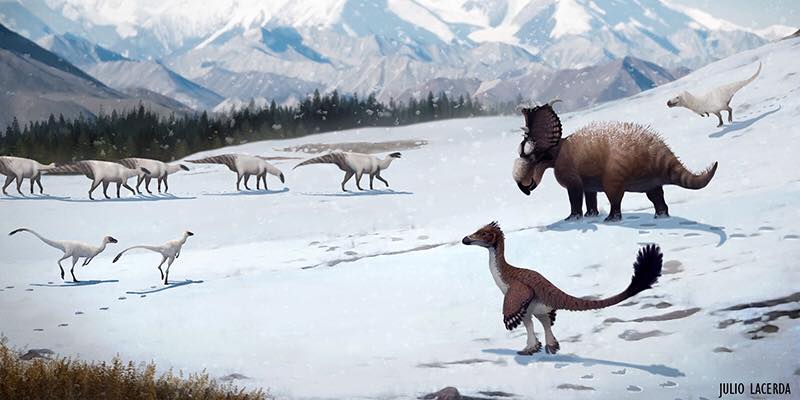
One of the first questions you might ask is whether dinosaurs actually stayed in the Arctic all year or just migrated in during the warmer months. At first, it was tempting to imagine huge herds moving north and south like modern caribou. But when you look at the fossils more closely, the story shifts. Paleontologists have found bones and teeth from very young dinosaurs, even hatchlings, in Arctic sites, which strongly suggests nesting and raising young right there, not thousands of kilometers away.
You also see fossils from a range of species and age groups preserved together, the kind of pattern you would expect from a stable, resident community rather than a brief seasonal stopover. When you add in the fact that young dinosaurs would have struggled to migrate huge distances in harsh conditions, it becomes hard to argue that they were just visitors. The simplest conclusion you can draw from all this is that many of these Arctic dinosaurs were permanent residents, toughing out the winters instead of running from them.
How Dinosaurs Might Have Handled the Cold and the Dark
You will never get to put a jacket on a dinosaur and measure its body temperature, but you can infer a lot about how it lived from its bones, growth patterns, and comparisons with living animals. Many Arctic dinosaur fossils show bone growth patterns that look more like fast-growing, active animals than slow, sluggish reptiles. That hints at higher metabolisms, which would help them stay warm in cooler climates, especially during long, dark winters when food might be harder to find.
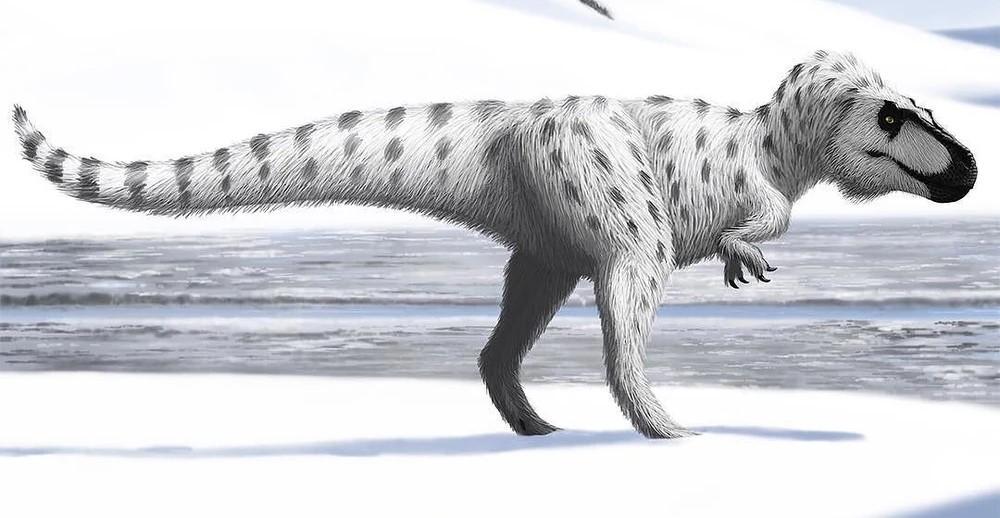
Feather-like coverings and insulating body features, especially in some smaller theropods, may have acted like natural winter coats. Larger plant-eaters might have relied on sheer size to hold in heat, much like big mammals do today. Behavior could have helped too: you can imagine herds huddling together for warmth, seeking shelter in forests, or adjusting feeding and activity patterns with the seasons. You are essentially seeing dinosaurs behave more like adaptable, warm-blooded animals than the cold-blooded giants you might remember from old textbooks.
Plant-Eaters at the Edge of the World
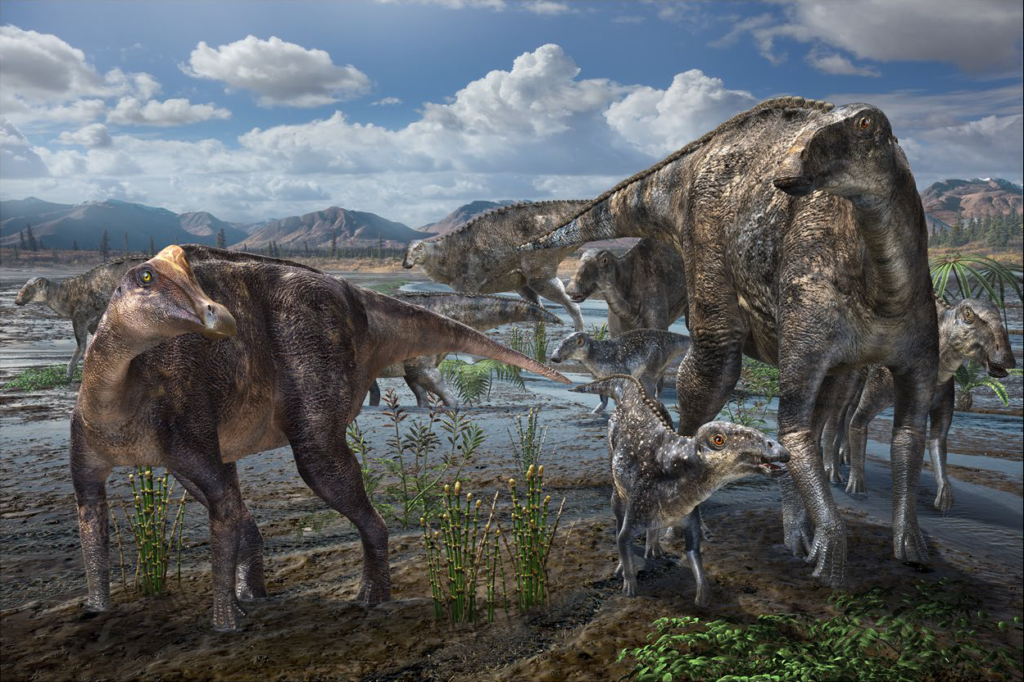
If you are going to live in the Arctic as a plant-eating dinosaur, you need one thing above all: enough food. Ancient Arctic forests seem to have been rich in tough, cold-tolerant plants, including conifers and hardy shrubs that could survive the dim winters and explode with growth during bright, long summer days. Herbivorous dinosaurs likely spent those extended summers feeding heavily, building up body reserves to carry them through leaner periods.
You can imagine duck-billed dinosaurs stripping needles and leaves, horned dinosaurs browsing shrubs, and smaller plant-eaters nibbling low vegetation under the forest canopy. Their teeth and jaws were built for processing fibrous plants, the kind of diet you would expect in a cooler, seasonal forest rather than a lush tropical swamp. When you picture them slogging through mud under a twilight sky that lasts all day, you start to see just how different their world was from the one you might have pictured as a child.
Predators and Prey in a Harsh Seasonal Cycle
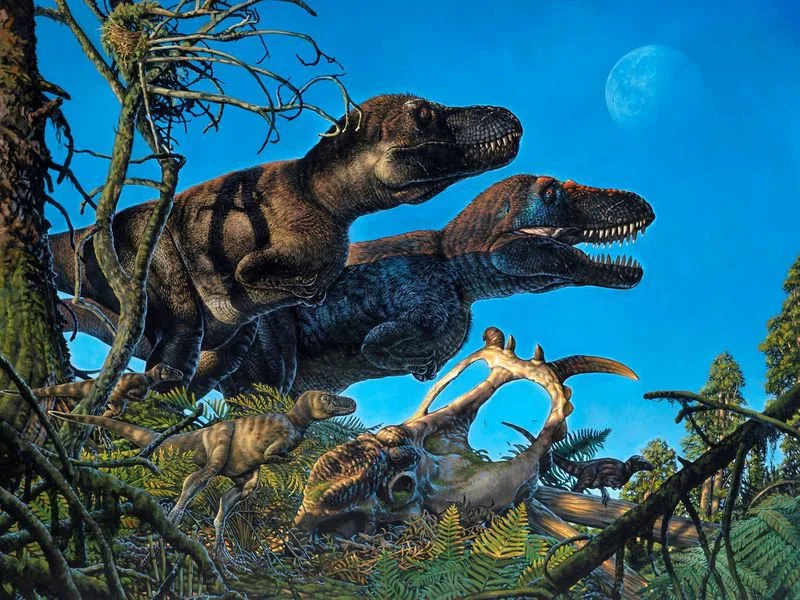
You might picture smaller, agile predators using keen senses rather than just speed, stalking in the snow or mud and relying on patience instead of sheer power. Scavenging would likely have played a big role, with carcasses from winter deaths providing vital resources. This constant back-and-forth between predator and prey in such an unforgiving landscape forces you to see the Arctic not as an empty fringe but as a fully functioning ecosystem with its own intense dramas.
What Arctic Dinosaurs Tell You About Survival and Extinction
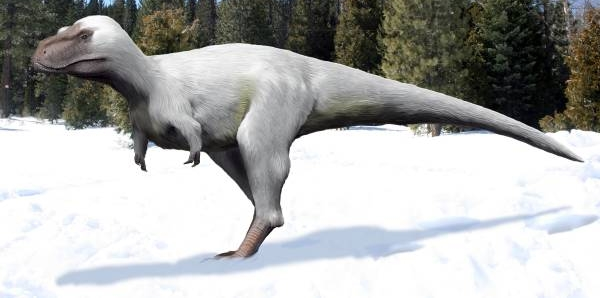
When you realize dinosaurs were tough enough to live in the ancient Arctic, you gain a new respect for their ability to adapt. These animals were not fragile victims of their environment; they were masters of it, able to handle darkness, cold, and seasonal scarcity in ways that would challenge most species alive today. That makes their eventual extinction at the end of the Cretaceous even more striking, because it shows that even highly adaptable creatures can be overwhelmed by sudden, global-scale catastrophe.
At the same time, these Arctic discoveries help you understand how some lineages, especially the bird-like dinosaurs that evolved into modern birds, might have had traits that helped them survive. If you picture small, insulated, active animals already used to seasonal hardships, you can see how they might have had a better chance when the world suddenly darkened and cooled. In a way, every bird you see today carries a distant echo of those Arctic survivors, reminding you that resilience and flexibility can carry life through almost unthinkable change.
By the time you step back from the evidence, the old picture of dinosaurs as purely tropical giants feels way too narrow. You now know they roamed forests at high latitudes, endured long winters, and raised their young under dim polar skies. That deeper, more complex story makes them feel less like movie monsters and more like real animals that found ways to thrive in some of the harshest environments Earth could throw at them.
So the next time you see a dinosaur illustration bathed in warm sunlight and surrounded by palms, you might quietly imagine a different scene: a herd moving through a cold, shadowy forest near the top of the world, breath steaming in the air, eyes adjusted to weeks without sunrise. That version of the dinosaur age is colder, darker, and far more surprising. When you picture that, does it change how you see these ancient giants and the world they ruled?