Imagine every single land animal you have ever seen – every dog, every bird, every frog, every human being – traces its entire existence back to a moment when a scaly, gill-breathing creature hauled itself out of ancient shallow water and felt solid ground for the very first time. That moment was not dramatic in the way we picture it in movies. It was slow, messy, and stretched across millions of years. Yet it remains arguably the most important biological transition in the history of life on Earth.
This is a story packed with strange creatures, surprising fossil discoveries, and body-altering transformations that defy easy imagination. You will encounter fish that had primitive necks, animals with eight toes, and a mysterious gap in the fossil record that stumped scientists for decades. So buckle up and let’s dive in.
The World Before the First Step: Life in the Devonian Seas
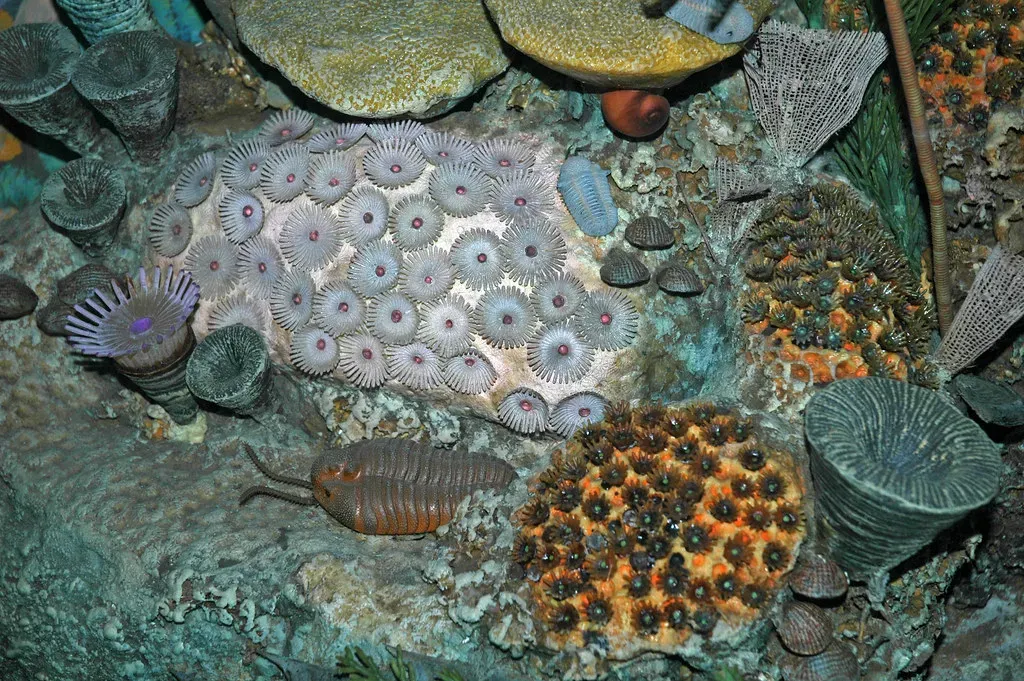
To truly appreciate what happened, you need to picture the Earth roughly 400 million years ago. The Devonian period is traditionally known as the “Age of Fish,” marking the diversification of numerous extinct and modern major fish groups. The oceans were teeming with life, the continents were arranged in ways completely unrecognizable to you today, and dry land was already colonized by primitive plants and arthropods – but no vertebrates had yet set foot on it.
Near the equator were two large supercontinents, Laurentia and Gondwana, which included most of today’s continents in a radically different configuration. At this time, sea levels were very high, probably at a level that hasn’t been reached since. Shallow coastal zones, warm lagoons, and swampy river deltas dominated the edges of these ancient landmasses. Honestly, if you could transport yourself back there, you would barely recognize the planet.
The Ancestors You Never Knew You Had: Lobe-Finned Fish
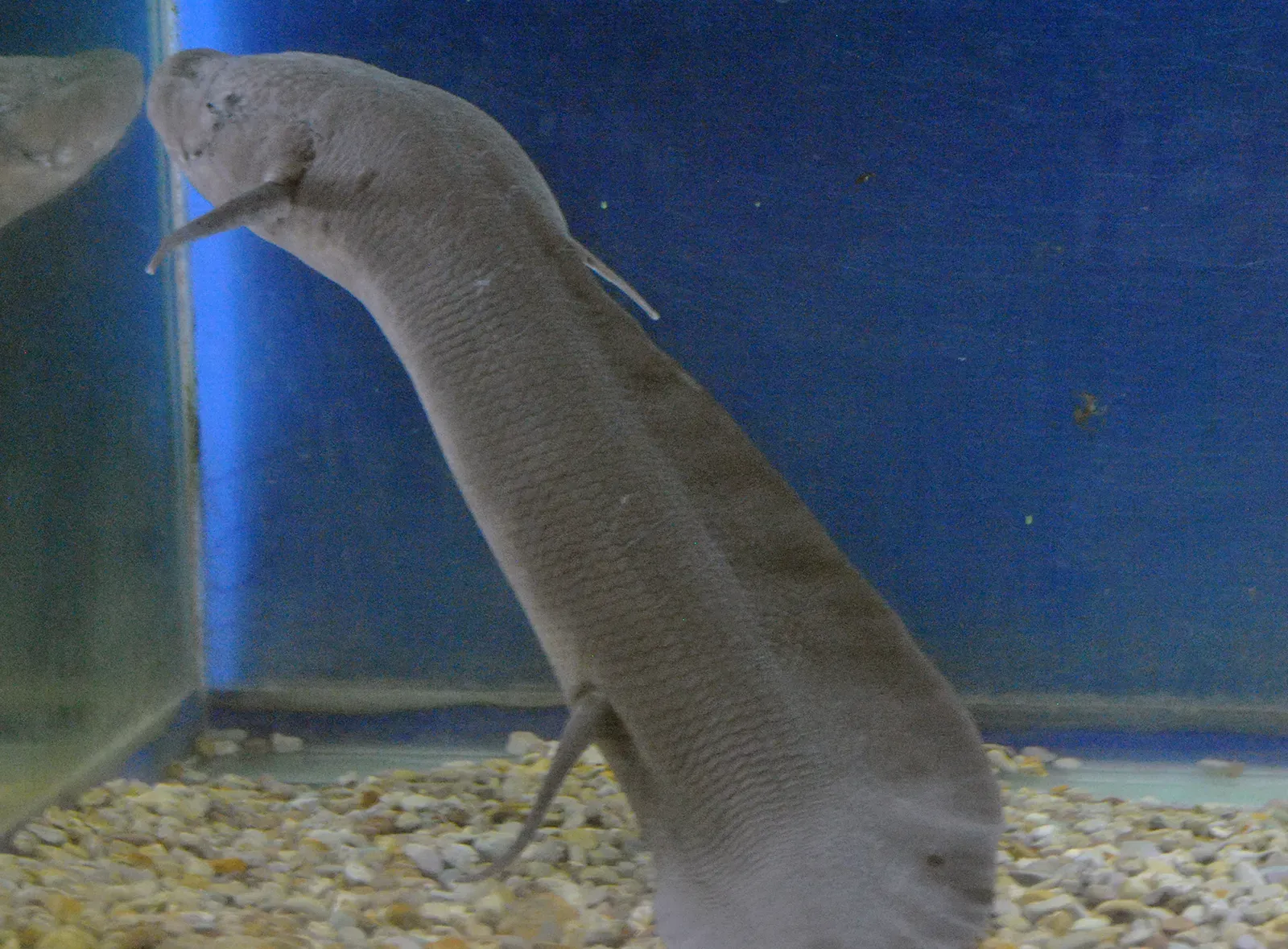
Tetrapods evolved from sarcopterygian fishes in the Devonian and were the first vertebrates to colonize land. Here is the thing that surprises most people: your ancient ancestors were not the ordinary ray-finned fish you picture in a pet store aquarium. Ray-finned fishes comprise some 25,000 living species, far more than all the other vertebrates combined – yet they are a completely different branch of the family tree from the creatures that crawled onto land.
The sarcopterygian ancestor possessed two traits necessary for the evolution of a limbed terrestrial animal: lungs, which provide the ability to breathe air, and appendages with internal skeletal support extending beyond the muscle mass of the trunk. Think of these fleshy, muscular fins like a rough prototype of the arm you are using right now. Molecular data strongly supports lungfish as the tetrapod’s closest living relative. So when you see a lungfish gasping for air at the surface of murky water, you are essentially looking at the ghost of your own evolutionary past.
Tiktaalik: The Famous “Fishapod” That Changed Everything
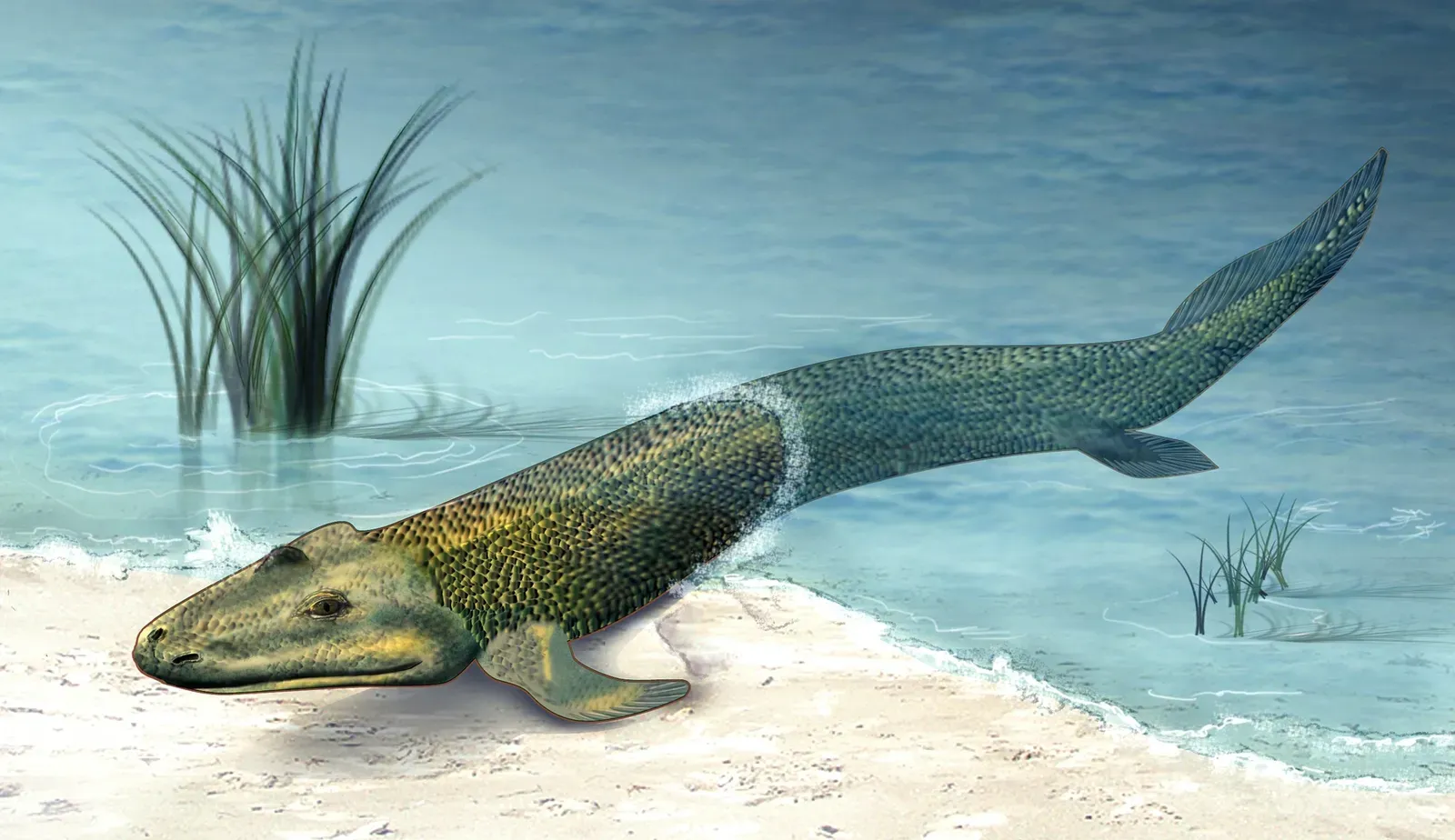
http://nsf.gov/news/mmg/mmg_disp.cfm?med_id=58310
http://nsf.gov/news/news_summ.jsp?cntn_id=106807
https://flickr.com/photos/nsf_beta/3705198718, Public domain)
Tiktaalik is an extinct sarcopterygian (lobe-finned fish) from the late Devonian Period, about 375 million years ago, having many features similar to those of tetrapods (four-legged animals). When paleontologist Neil Shubin and his team discovered it in 2004 in the Canadian Arctic, the scientific world genuinely erupted. Tiktaalik is sometimes called a “fishapod,” because it looks like a cross between the primitive lobe-finned fish that it lived amongst and the first four-legged animals.
Tiktaalik lacked a characteristic most fishes have – bony plates in the gill area that restrict lateral head movement. This makes Tiktaalik the earliest-known fish to have a neck, with the pectoral (shoulder) girdle separate from the skull. A neck. Just stop and think about that. Every time you turn your head to check your blind spot while driving, you are doing something that was genuinely revolutionary in evolutionary terms. Tiktaalik is a transitional fossil; it is to tetrapods what Archaeopteryx is to birds. While it may be that neither is ancestor to any living animal, they serve as evidence that intermediates between very different types of vertebrates did once exist.
Fins Into Limbs: The Bone-Deep Transformation
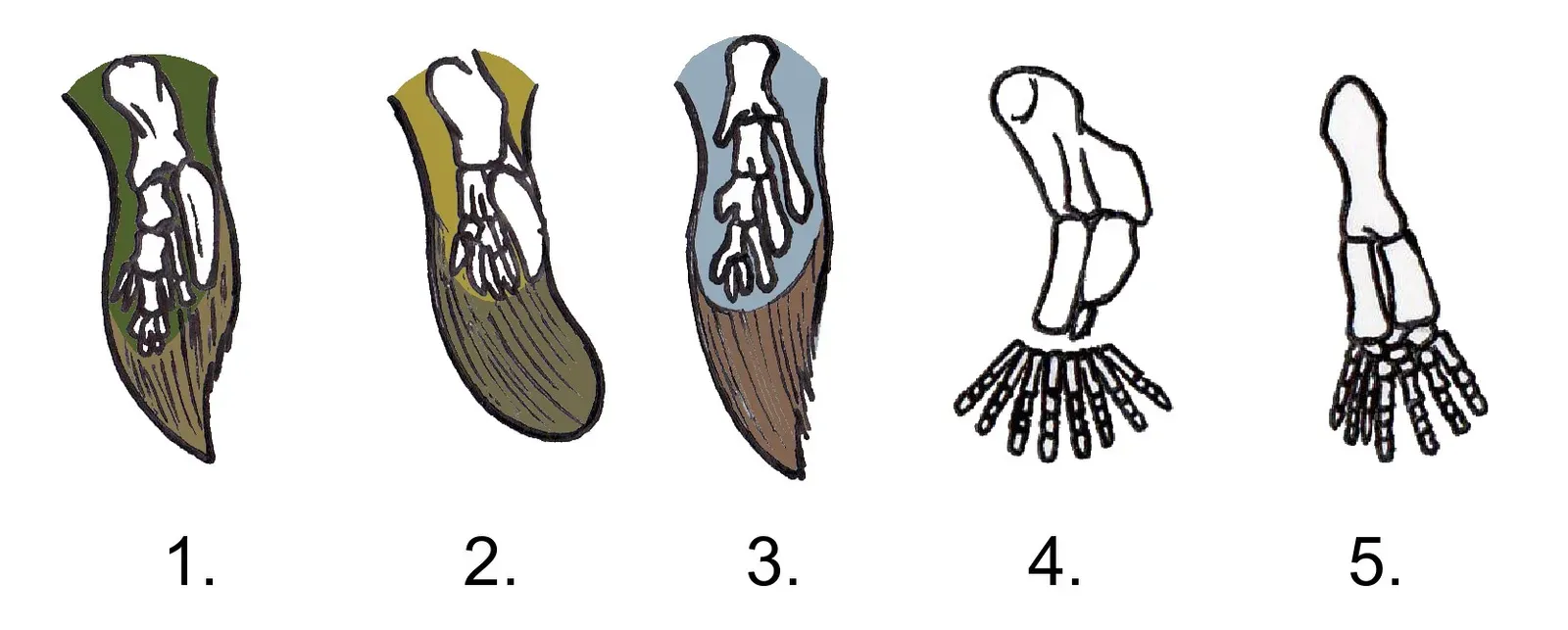
The change from a body plan for breathing and navigating in water to a body plan enabling the animal to move on land is one of the most profound evolutionary changes known. It is also one of the best understood, largely thanks to a number of significant transitional fossil finds in the late 20th century combined with improved phylogenetic analysis. Researchers have dug deep into the actual bones to understand this transition. The researchers chose the humerus bone because it is not only abundant and well preserved in the fossil record, but it is also present in all sarcopterygians – a group of animals which includes coelacanth fish, lungfish, and all tetrapods, including all of their fossil representatives.
Researchers have suggested that evolutionary changes in the shape of the humerus bone, from short and squat in fish to more elongate and featured in tetrapods, had important functional implications related to the transition to land locomotion. Beyond the arm bone, the entire skeleton was rewiring itself. As lineages moved into shallower water and onto land, the vertebral column gradually evolved as well. You may have noticed that fishes have no necks – their heads are simply connected to their shoulders, and their individual vertebrae look quite similar to one another, all the way down the body. Slowly, over millions of years, all of that began to change in radical and spectacular ways.
Breathing New Life: The Evolution of Lungs on Land
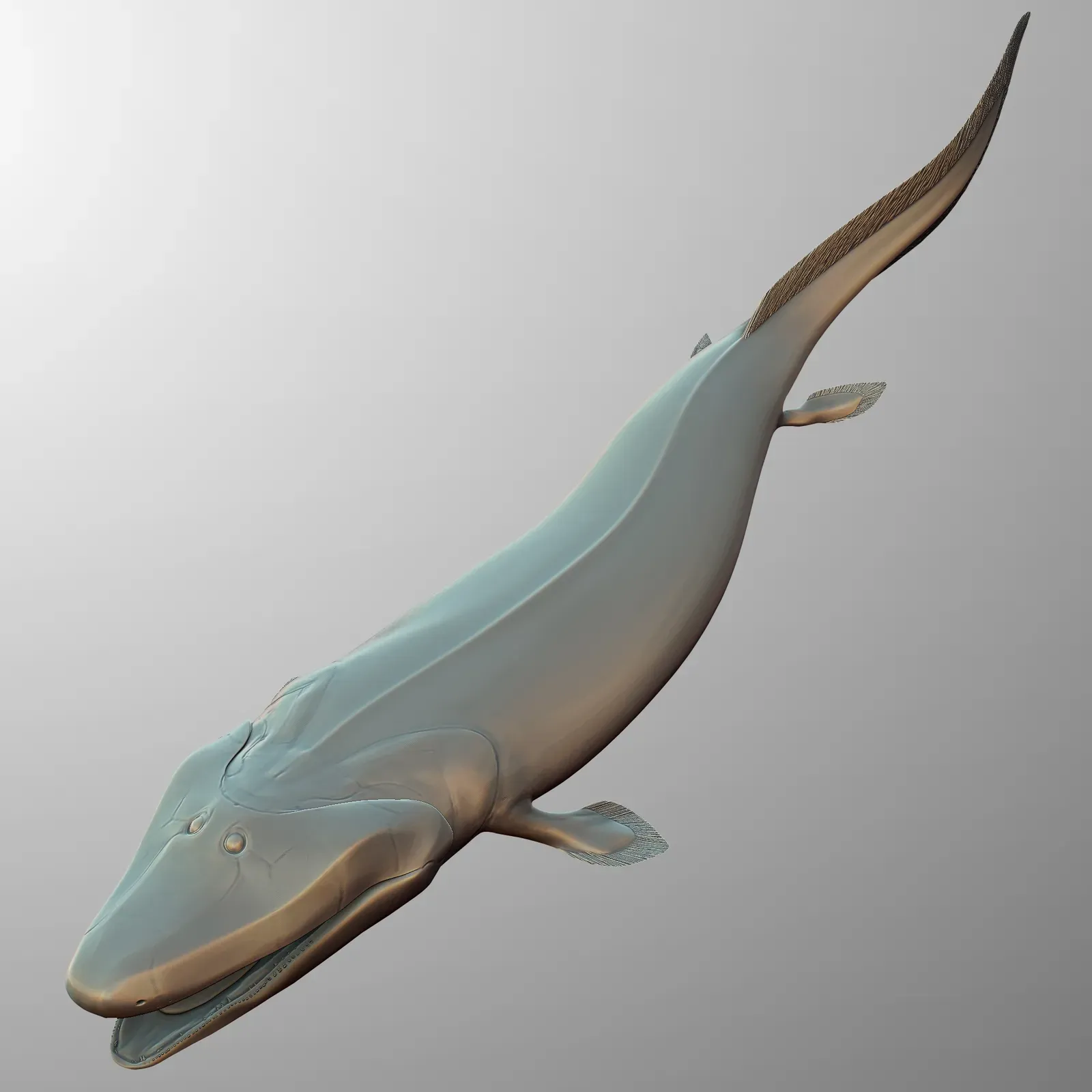
A crucial evolutionary change in vertebrate history was the Palaeozoic water-to-land transition, allowed by key morphological and physiological modifications including the acquisition of lungs. It’s hard to say for sure exactly when primitive air-breathing began, but the evidence points to a surprising conclusion: it likely started underwater, long before any animal set foot on land. It is now clear that the common ancestor of the bony fishes had a primitive air-breathing lung – later evolved into a swim bladder in most ray-finned fishes.
Tetrapods have taken an alternative route: they lost the buoyancy control function of their air bladders, and instead this organ was elaborated to form the lungs that we all use to get around on land. So the very lungs you are using to breathe right now are, in a sense, a modified fish swim bladder repurposed over hundreds of millions of years. Research sheds light on the primitive state of vertebrate lungs as unpaired, evolving to be truly paired in the lineage towards the tetrapods. The water-to-land transition confronted profound physiological challenges and paired lungs were decisive for increasing the surface area and the pulmonary compliance and volume, especially during air-breathing on land. Nature, it turns out, is an extraordinary recycler.
Romer’s Gap and the Rise of the True Land Conquerors
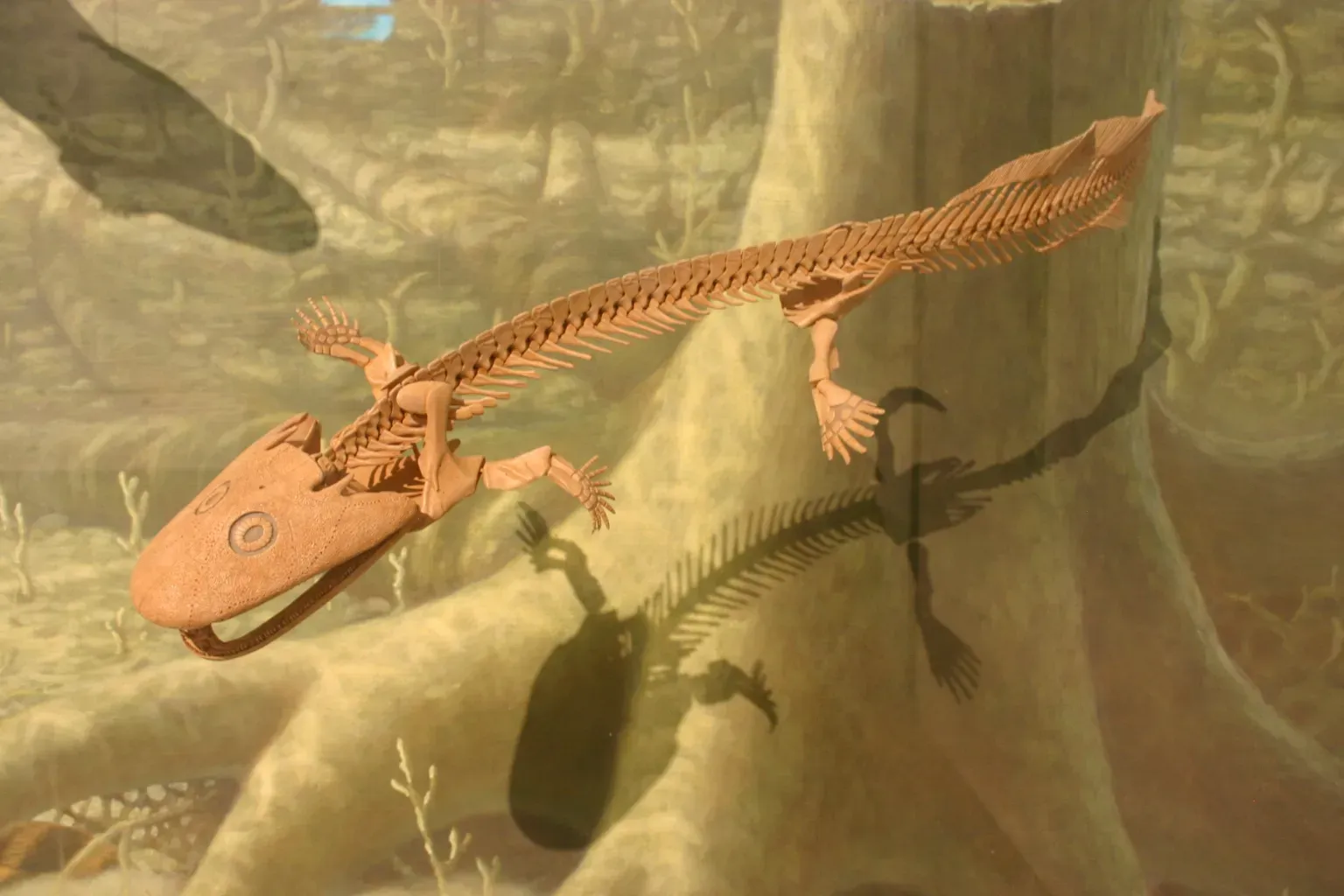
Until the 1990s, there was a 30 million year gap in the fossil record between the late Devonian tetrapods and the reappearance of tetrapod fossils in recognizable mid-Carboniferous amphibian lineages. It was referred to as “Romer’s Gap,” which now covers the period from about 360 to 345 million years ago, after the palaeontologist who recognized it. For decades, scientists had almost no idea what happened to early land vertebrates during this critical window of time. It was like reading an epic novel and suddenly finding that fifty pages had been torn out at the most dramatic moment.
During the “gap,” tetrapod backbones developed, as did limbs with digits and other adaptations for terrestrial life. Ears, skulls and vertebral columns all underwent changes too. When life eventually reemerged from this fossil silence, it was transformed. Tetrapods include all extant and extinct amphibians and amniotes, with the latter in turn evolving into two major clades, the sauropsids – reptiles, including dinosaurs and therefore birds – and synapsids, which include therapsids and all extant mammals, including humans. Every reptile, every mammal, every bird, and every amphibian alive today is the living legacy of those creatures that clawed their way through that mysterious evolutionary gap.
Conclusion: You Are the Living Proof
The journey from sea to land was not a single dramatic leap. It was a crawl, a shuffle, a series of incremental biological experiments spanning tens of millions of years. Terrestrialization may be defined as the series of processes and adaptations that makes an aquatic organism capable of living and sustaining itself on land. It is usually considered one of the most important events in the evolutionary history of life on Earth. Every adaptation – the first neck, the first weight-bearing limb, the first paired lung – was a tiny roll of the evolutionary dice that, against all odds, kept coming up lucky.
The real jaw-dropping truth is that this journey lives inside your body right now. The wrist you flex, the neck you rotate, the lungs you breathe with – all of these are ancient inheritances from creatures that first dared to leave the water behind. It’s hard to overstate how much of a game-changer it was when vertebrates first rose up from the waters and moved onshore about 390 million years ago. That transition led to the rise of the dinosaurs and all the land animals that exist today. You are not just watching this story from the outside. You are the story. What part of this ancient journey surprised you most?