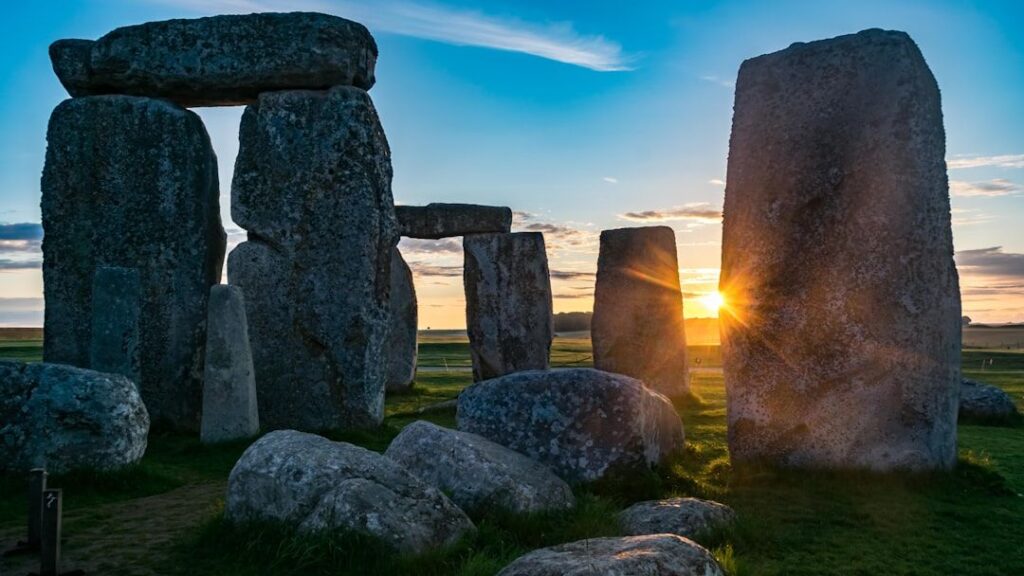
There’s something strangely moving about standing in front of a crumbling temple or a half-buried city. You feel a chill that isn’t just about history; it’s about you, your life, and the quiet realization that everything you know will eventually fade. If ancient ruins give you goosebumps or make you feel oddly peaceful and sad at the same time, that reaction is not random. It may say something deep about how you relate to time, loss, and the reality that nothing truly lasts forever.
Psychologists have begun to explore why some people feel a powerful emotional pull toward abandoned places, decaying buildings, and archaeological sites. It turns out that this fascination often overlaps with certain personality traits, coping styles, and ways of finding meaning. In other words, if you love walking through ruins, you might not just be a history nerd; you might be emotionally tuned in to impermanence itself. Let’s unpack what that could mean about you.
The Emotional Shock of Impermanence: Why Ruins Hit So Hard
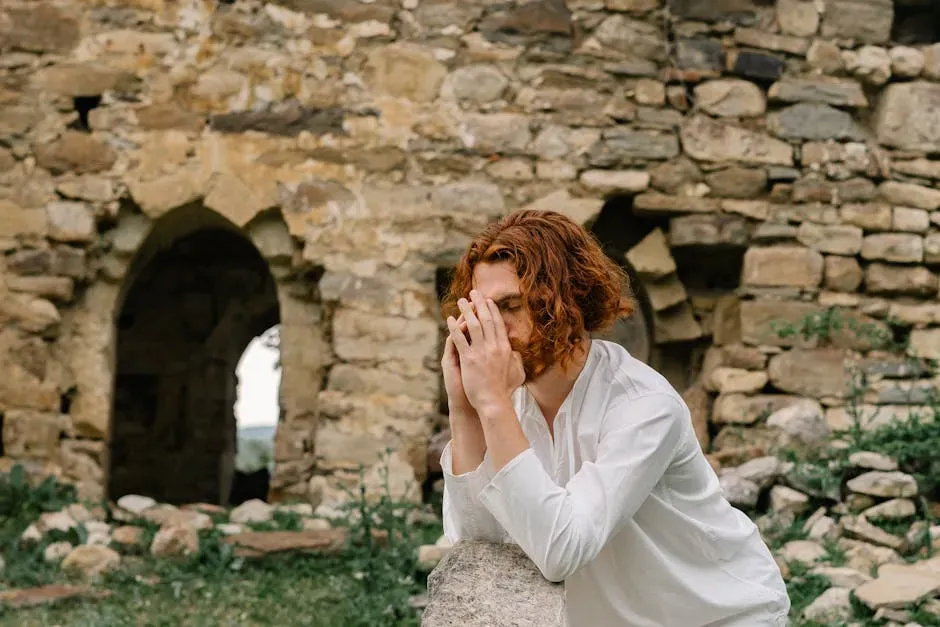
Ruins are like visual proof that nothing is permanent, and that can be both beautiful and brutal at the same time. You look at worn stone steps and realize that people once rushed up and down them, laughed on them, cried on them – and now those lives are gone, leaving only traces. This collision between “then” and “now” can trigger a wave of emotion, almost like grief for people and worlds you never knew but somehow feel connected to.
Psychologically, this is tied to what some researchers call mortality salience: the awareness that life is finite. Many people avoid thinking about this; it is uncomfortable, even terrifying. But if you feel drawn to ruins, you might be someone who instinctively leans toward these truths rather than running from them. You are willing to stand in front of the evidence that empires fall, cities crumble, and memories fade – and instead of turning away, you keep looking.
Ruins, Melancholy, and the Strange Comfort of Beautiful Sadness
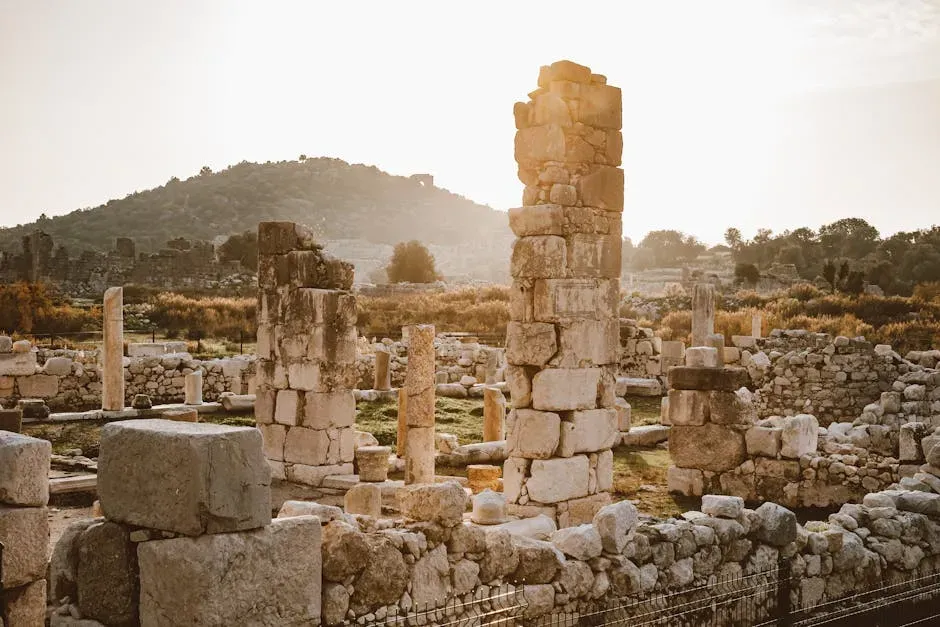
If ancient ruins move you, there’s a good chance you’re familiar with a feeling psychologists sometimes describe in terms of bittersweetness: a mix of joy and sadness, awe and mourning. It is the same feeling you might get from an old love letter, a fading photograph, or a song that reminds you of a time that will never come back. Ruins are bittersweet in physical form, offering you a chance to sit with sadness in a way that feels surprisingly gentle and meaningful.
People who are comfortable with this kind of bittersweet mood often have a deeper tolerance for complex emotions. Instead of needing everything to be upbeat and positive, they can handle emotional shades of gray. Rather than seeing sadness as something broken that must be fixed, they treat it as a valid, even beautiful, part of being human. If you feel soothed, not shattered, by a ruined coliseum or an abandoned temple, you might be someone who knows how to hold sorrow and appreciation in the same hand.
Personality Traits: Openness, Depth, and a Taste for the Existential
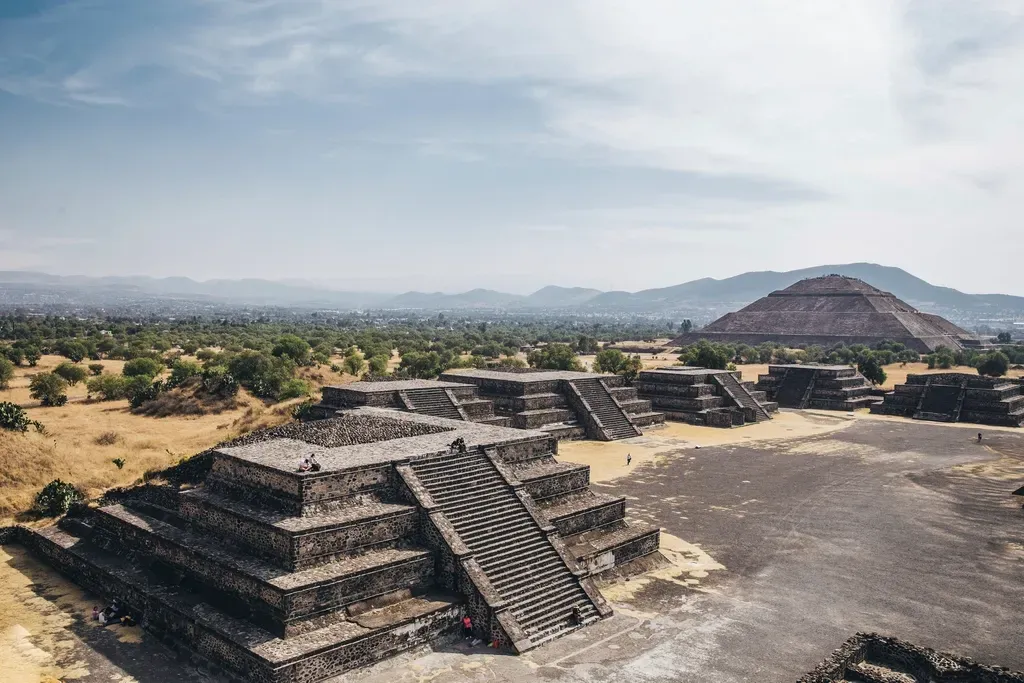
Psychological research on personality suggests that people high in openness to experience are especially drawn to art, history, symbolism, and big philosophical questions. Ruins are basically all of that rolled into one: they are historical, visually striking, and loaded with meaning. If you find yourself fascinated by ancient sites, you might be the kind of person who enjoys reflecting on why things are the way they are, rather than just accepting the surface level of life.
There is also an overlap with what some call existential curiosity – the desire to understand your place in the universe, to reflect on time, death, and meaning. Walking through a ruined city is like stepping into a living thought experiment about what matters and what lasts. If that excites you rather than depresses you, it could signal that you are emotionally and intellectually drawn to questions most people prefer to avoid. You’re not just sightseeing; you’re soul-searching.
Memento Mori in Stone: How Ruins Help You Face Mortality
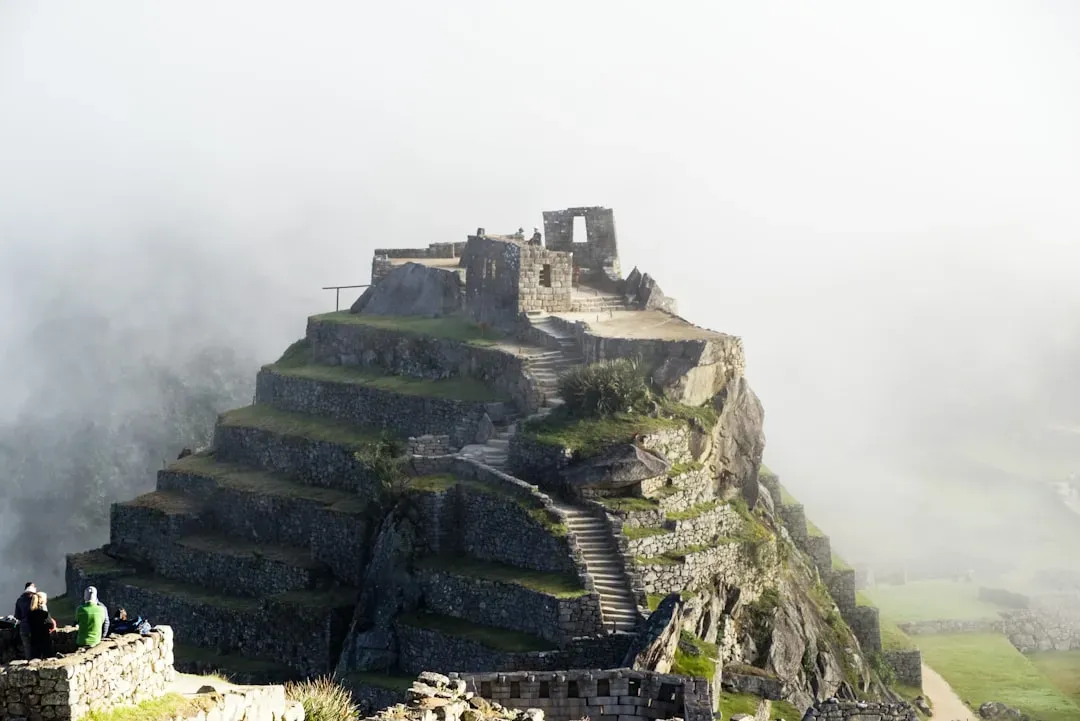
Ruins act like a physical version of the old idea of “remember that you will die,” but they do it in a strangely gentle way. Instead of a harsh reminder, they quietly whisper that countless lives came and went before yours and that yours will one day join them. For some people, this is terrifying. For others, especially those drawn to ancient ruins, it can be oddly liberating. It shrinks your daily anxieties down to size when you realize that even mighty empires eventually dissolve into dust.
This kind of contact with mortality can shift your priorities. People who regularly engage with reminders of impermanence sometimes report caring less about trivial status markers and more about relationships, experiences, and authenticity. You might leave a ruined site with an unexpected urge to call someone you love, pursue something that actually matters to you, or let go of a petty grudge. If ruins speak to you, it might be because they help align your life with what you secretly already know is important.
Finding Meaning in Decay: Why Some Minds Turn Ruins into Life Lessons
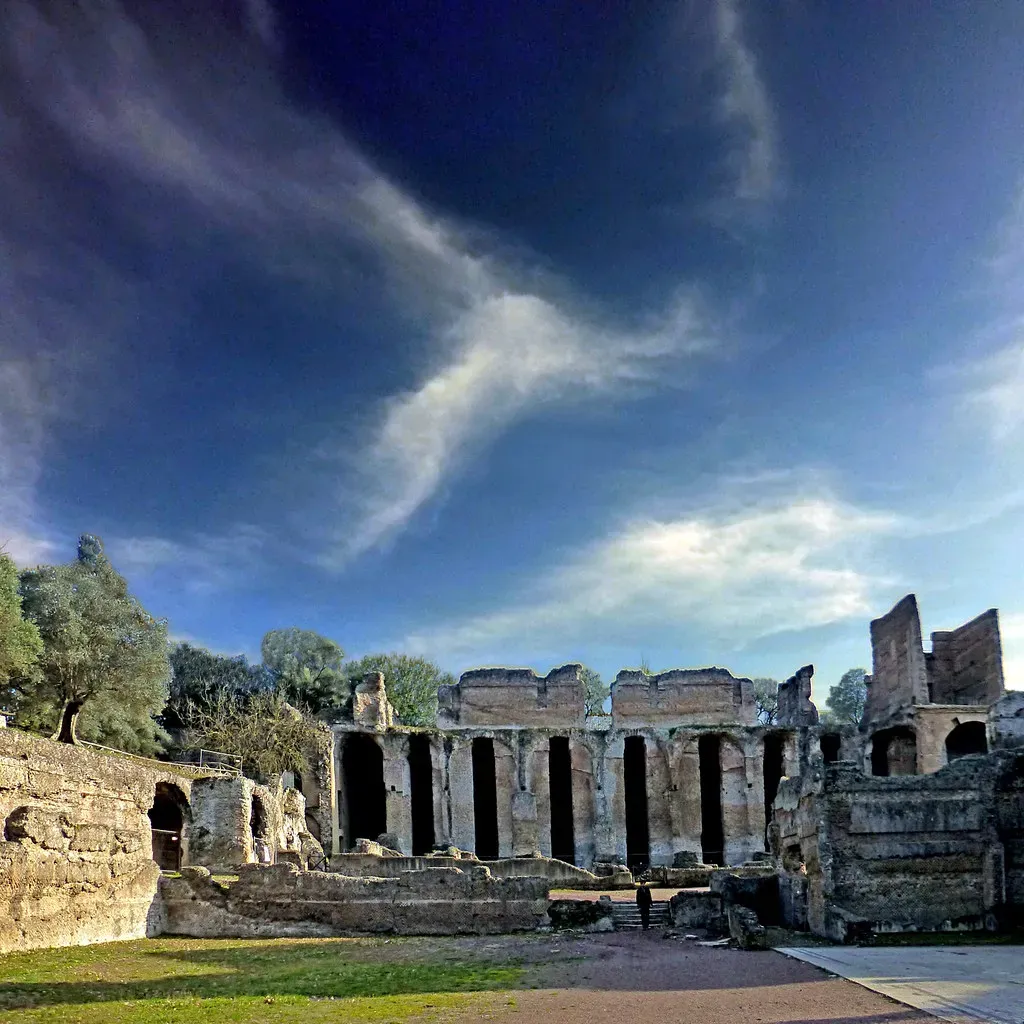
Not everyone looks at a collapsed temple and thinks about life and meaning; many just see broken stones. If you regularly turn those scenes into metaphors about love, time, or society, that points to something important about how your mind works. You are engaging in meaning-making, a psychological process where we connect events or images to bigger personal stories. Ruins are perfect raw material for this, because they are open-ended and symbolic.
This style of thinking is often seen in people who cope with hardship by trying to grow from it, rather than simply trying to forget it. You may find it easier than others to ask: What can I learn from this? How does this change who I want to be? Ancient ruins, in that sense, become like teachers. They model resilience, endurance, and the reality that beauty can exist even after destruction. If that resonates, it suggests you might be the type of person who turns endings into beginnings, at least in your inner life.
Nostalgia for a Past You Never Lived: The Pull of Lost Worlds
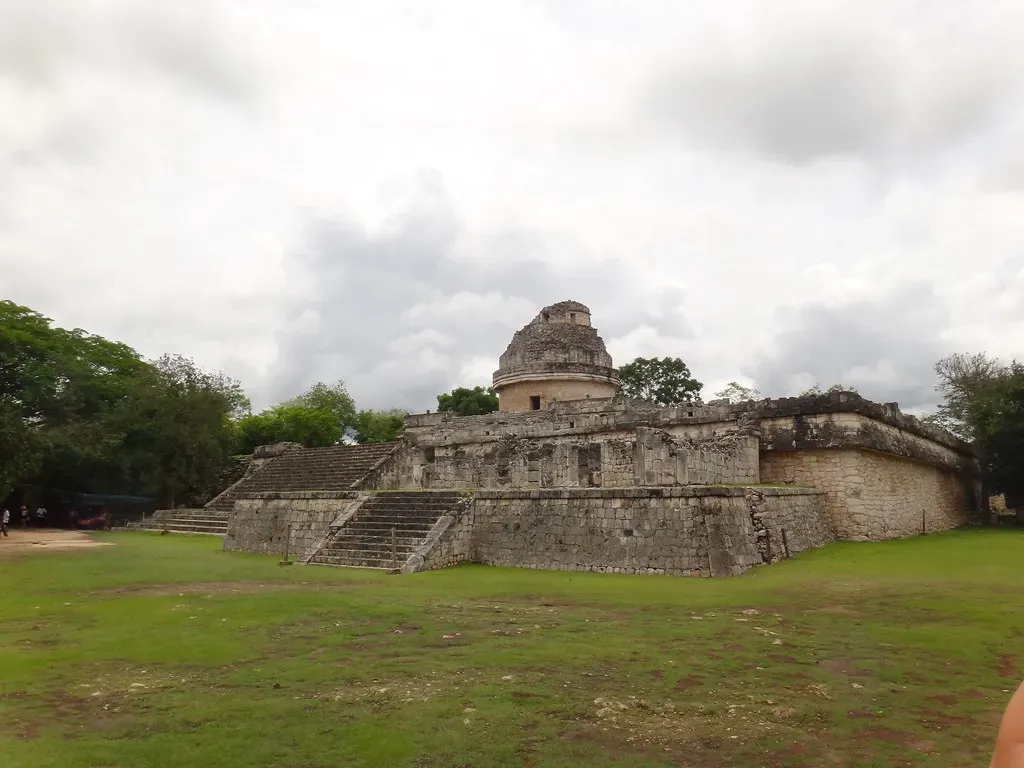
There is a fascinating psychological twist when ruins make you feel nostalgic for times you never actually experienced. This kind of “borrowed nostalgia” points to a deep sensitivity to stories and cultural memory. You are not just thinking about your own life; you are emotionally stepping into the lives of people long gone. That ability to feel for others across time hints at strong imagination and empathy.
Some people experience what could be called historical longing – the sense that another era might have held something purer, more meaningful, or more mysterious than the present. While reality is always more complicated than that, the feeling itself tells you something: you crave depth over speed, substance over constant novelty. Ancient ruins, with their slow crumble and silent dignity, stand in direct contrast to the frantic pace of modern life. If they feel like a relief, it might be because a part of you is hungry for slowness, continuity, and a sense of belonging to something older than your own timeline.
Control, Letting Go, and Why Impermanence Can Be Weirdly Reassuring
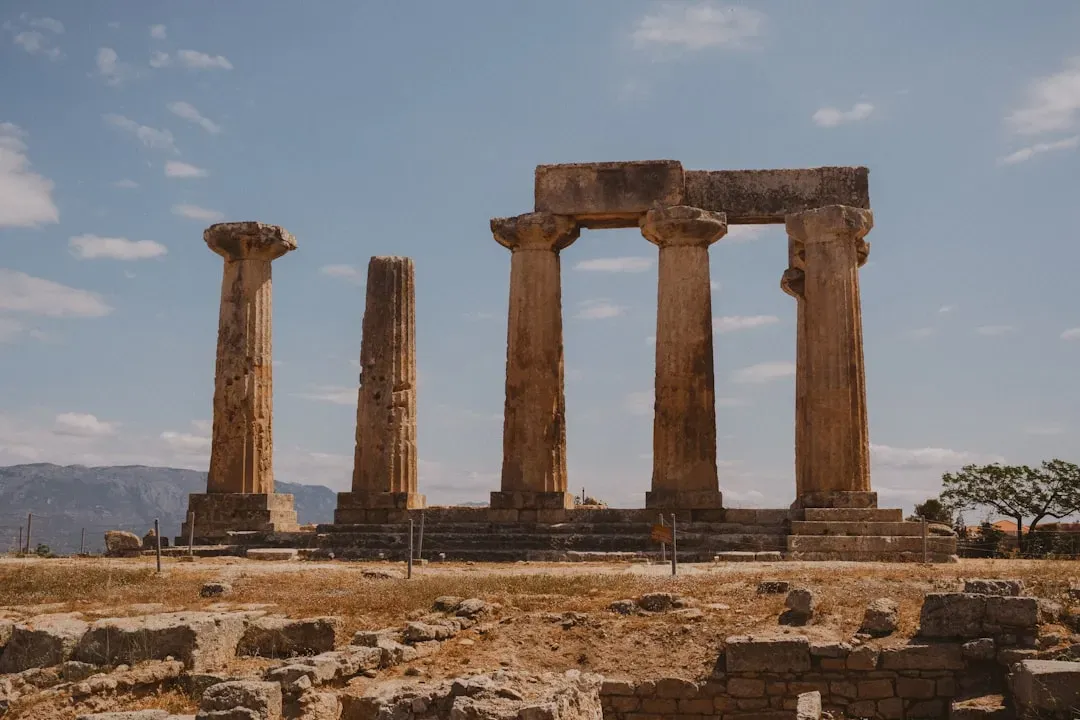
On the surface, the idea that nothing lasts forever sounds depressing. But if you look closer, there is a strange form of comfort there, especially for people who tend to overthink, worry, or cling tightly to control. Ruins show you that change and loss are not personal failures; they are simply how the world works. Empires fell, cities burned, and yet life continued, adapted, reshaped itself into something new.
If ancient ruins bring you peace, it could be because they give you permission to loosen your grip a little. You might feel less pressure to make every decision perfect, to preserve every relationship exactly as it is, or to hold on to an ideal version of your life. Seeing that even the grandest human projects end in dust can oddly free you to live more fully right now. You may still care deeply, but you are less likely to believe that you can – or should – freeze anything in place forever.
Are You Drawn to Ruins? What That Might Quietly Reveal About You
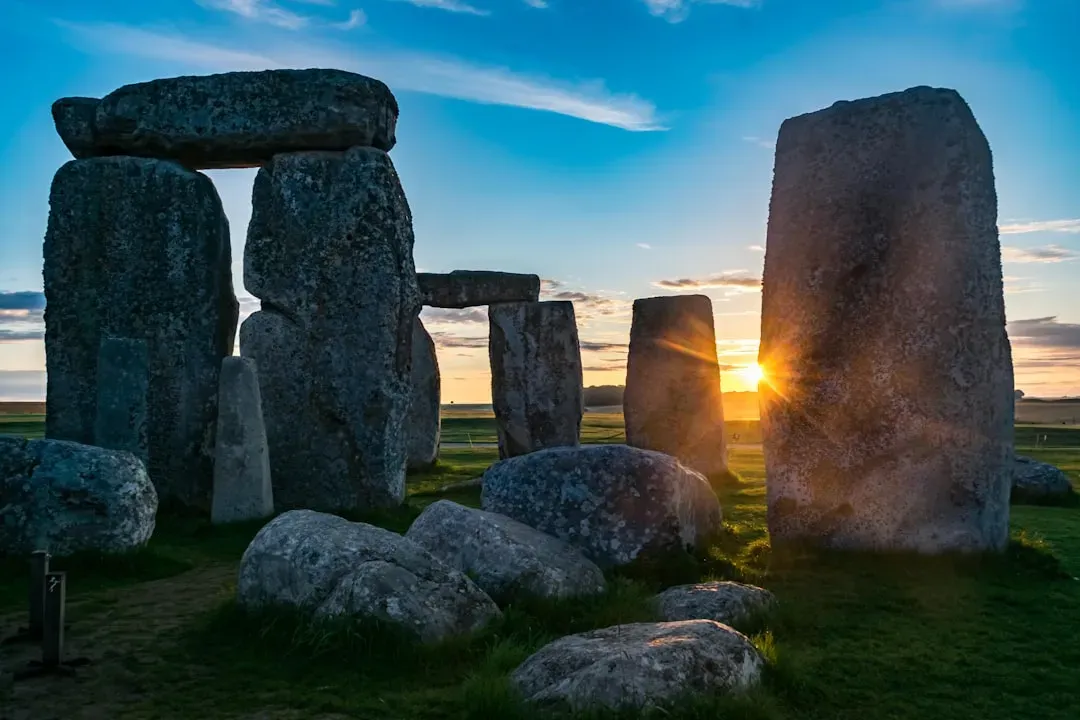
If ancient ruins fascinate you, it does not mean there is something strange or broken about you; in many ways, it suggests the opposite. It hints that you can handle emotional complexity, that you have a mind willing to face uncomfortable truths, and that you are open to seeing beauty in things that are cracked, aging, or incomplete. You are, in a very real sense, emotionally fluent in impermanence, even if you still struggle with it at times like everyone else.
My own opinion is that this fascination is a strength, not a flaw. In a culture obsessed with youth, speed, and endless positivity, being drawn to ruins is a quiet rebellion. It says you are willing to honor time, to respect endings, and to search for meaning where others only see loss. You do not have to turn every broken thing into a lesson, and you certainly do not need ruins to prove you are deep. But if those ancient stones keep calling you back, maybe the real story is not just about the past they represent – it is about the person you are becoming as you stand there, listening. So, the next time a ruined wall gives you chills, will you let yourself wonder what it is really trying to tell you?