Try to imagine something so big that if it walked past your house, you could only see its legs through the windows and nothing else. Now stretch that image further and picture an animal so long that a blue whale would feel oddly modest standing next to it on dry land. That is the kind of scale we are dealing with when we talk about the largest land animals that ever lived.
What makes these giants truly mind‑bending is not just their size, but the worlds they lived in and the scientific detective work behind every estimate. Fossils are often incomplete, measurements keep getting revised, and sometimes a single bone can rewrite what we thought was possible for life on land. As someone who grew up thinking elephants were the ultimate giants, learning about these creatures felt like realizing your favorite movie was only the trailer. Let’s walk through ten of the biggest land animals known so far, and the context that makes each one genuinely jaw‑dropping.
Patagotitan mayorum: The heavyweight icon of the dinosaur world
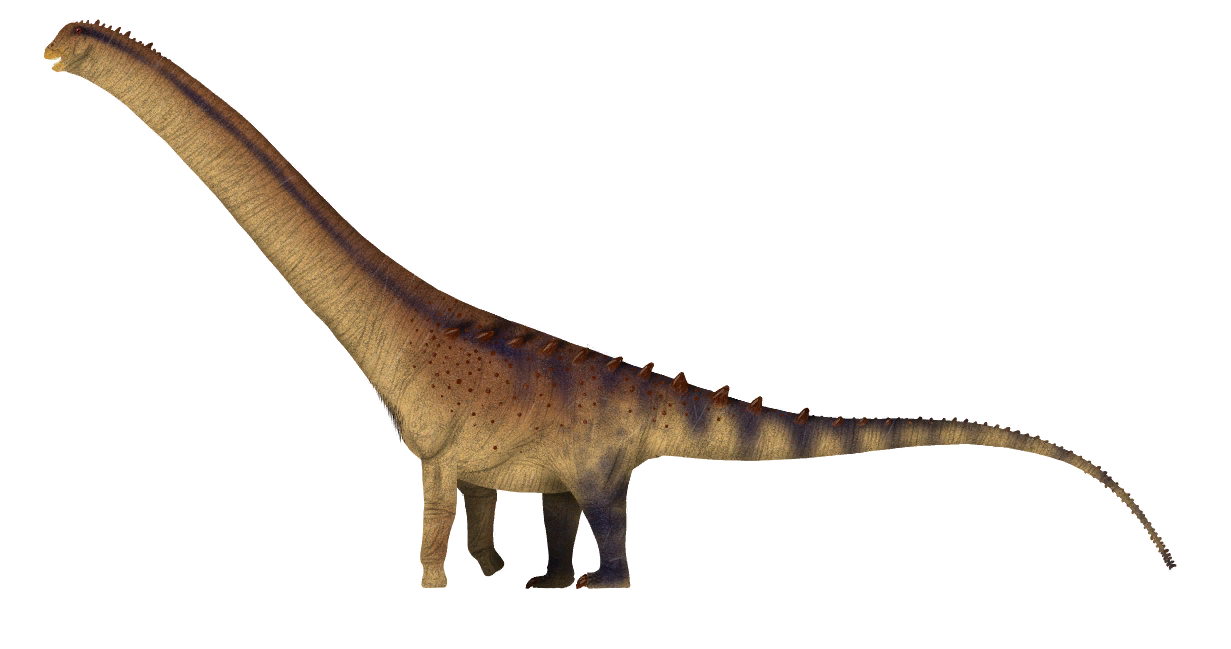
Patagotitan mayorum is often introduced as the poster child for dinosaur gigantism, and for good reason: this titanosaur from Patagonia may have stretched more than the length of a standard city bus and weighed as much as a small herd of African elephants combined. Discovered from multiple fairly complete skeletons in Argentina, it has become one of the best known candidates for the largest land animal ever. That matters, because most “largest dinosaur” contenders are based on just a few bones, while Patagotitan gives scientists a much more solid frame to work with.
What makes Patagotitan astonishing is not just the numbers, but the idea that an ecosystem could reliably support something so massive. It lived in the Late Cretaceous in a lush floodplain environment where rivers, forests, and seasonal changes had to provide enough vegetation every single day to feed a living building on legs. Researchers still debate its exact weight, which shows how hard it is to reconstruct life from stone, but even the conservative estimates are ridiculous by normal standards. It is one of those animals that forces you to update your mental definition of the word “big.”
Argentinosaurus huinculensis: The almost mythical mega‑sauropod
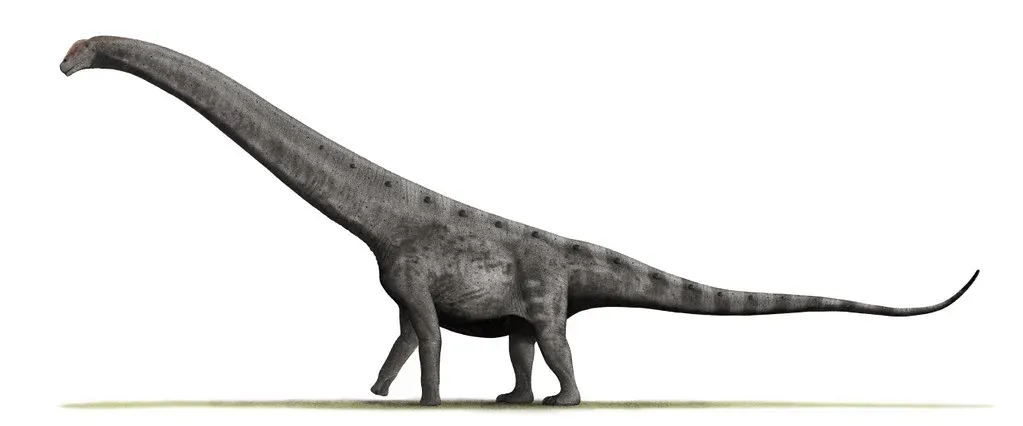
Argentinosaurus is the name that usually pops up when people ask which dinosaur was the absolute largest, and it is wrapped in a kind of scientific mystery. The fossils we have are surprisingly fragmentary: mainly some vertebrae, ribs, and a partial hip from Patagonia. Yet even those pieces are so enormous that careful scaling from better known relatives suggests an animal that could rival or surpass Patagotitan in mass and length. It is like trying to estimate the size of a skyscraper from a single floor, except the floor itself is the size of a truck.
The astonishing thing about Argentinosaurus is how much power we are willing to give a small set of bones when they are clearly beyond anything seen before. Scientists have to balance enthusiasm and caution, constantly revising size estimates as new data and better models arrive. Some reconstructions suggest an animal that weighed dozens of tons and stretched longer than a tennis court, lumbering across ancient South American landscapes. Argentinosaurus reminds us that paleontology is both a science and an exercise in disciplined imagination, where even partial clues can hint at almost unimaginable extremes.
Dreadnoughtus schrani: The giant we can measure more confidently
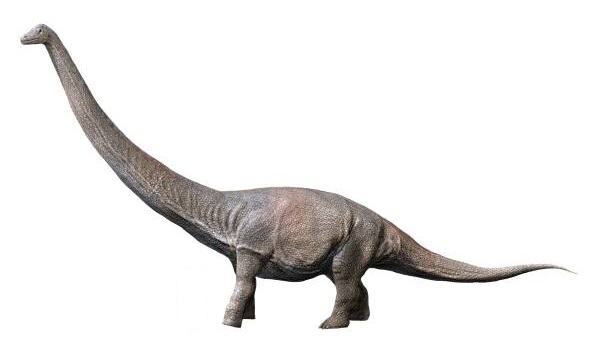
Dreadnoughtus has one of the most dramatic names in paleontology, and for once, the name is not overselling it. This titanosaur from Argentina is known from a remarkably complete skeleton for an animal of such size, giving researchers a rare chance to measure bones from head to tail instead of guessing from a few isolated pieces. Its massive femur and shoulder bones point to an animal with a body so heavy that its own skeleton looks engineered like a bridge rather than a typical animal frame.
What makes Dreadnoughtus particularly astonishing is that the individual we know best may not even have been fully grown. Growth rings and bone texture suggest it was still maturing, meaning the adults could have been even larger, pushing the already wild estimates further into the realm of the absurd. This flips our usual intuition: we think of dinosaurs as static museum skeletons, but Dreadnoughtus was once a living, growing creature that had to eat, digest, and move around while carrying a weight that would collapse almost any modern land animal. It is a walking argument that nature kept testing how far it could push the upper limit of size.
Notocolossus gonzalezparejasi: The dinosaur built around a colossal shoulder
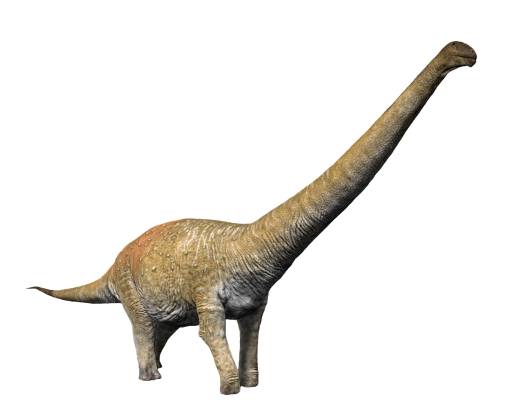
Notocolossus is another titanosaur from South America that stepped into the “largest ever” conversation thanks to some truly enormous limb and shoulder bones. One of the most striking finds is its humerus, the upper arm bone, which is so massive that it looks like it belongs to a creature that could casually shrug off gravity. Although its skeleton is far from complete, the proportions of the bones we do have strongly indicate a body plan on the extreme end of sauropod gigantism.
The context that makes Notocolossus astonishing is how much you can infer from just a few critical bones when you understand biomechanics. By comparing the shape and thickness of its limbs to those of other titanosaurs, scientists can estimate how much weight the animal’s skeleton could support, which in turn informs size estimates. It is a bit like reverse‑engineering a building’s height from the strength of its support columns. Notocolossus demonstrates that even incomplete fossils can still reveal how evolution solved the engineering challenges of moving mountains of muscle and bone across solid ground.
Supersaurus vivianae: The long‑necked record‑breaker
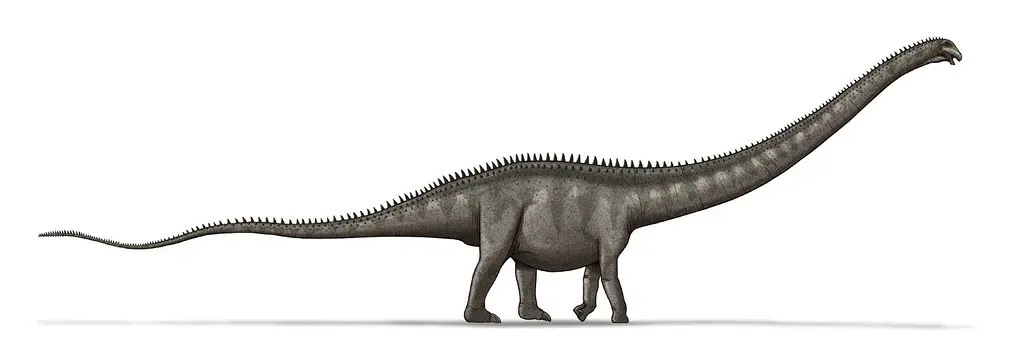
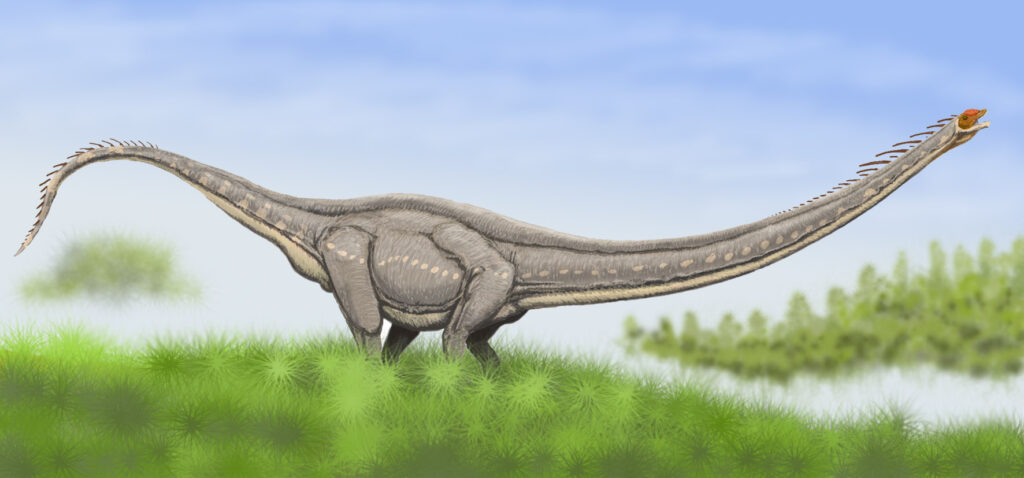
Supersaurus lives up to its name not just in mass, but especially in length. This diplodocid sauropod from North America may have had one of the longest bodies of any known land animal, with a neck and tail that together could stretch across a good part of a city block. Some estimates put its length far beyond many other famous giants, even if its total body mass may have been slightly less than the most robust titanosaurs. In a way, Supersaurus seems to have specialized in being fantastically long rather than simply heavy.
The astonishing context here is how different evolutionary strategies can arrive at “giant” in different ways. A long, relatively lighter build meant Supersaurus could sweep huge areas of vegetation with its neck without moving its body much, like a living crane grazing across the landscape. Its vertebrae often look like they belong in a piece of industrial architecture, full of air spaces and struts that keep things strong but light. Supersaurus shows that maximum size is not a single number but a set of trade‑offs between length, mass, and how you make a body that does not break under its own scale.
Mamenchisaurus sinocanadorum and relatives: Masters of the ultra‑long neck
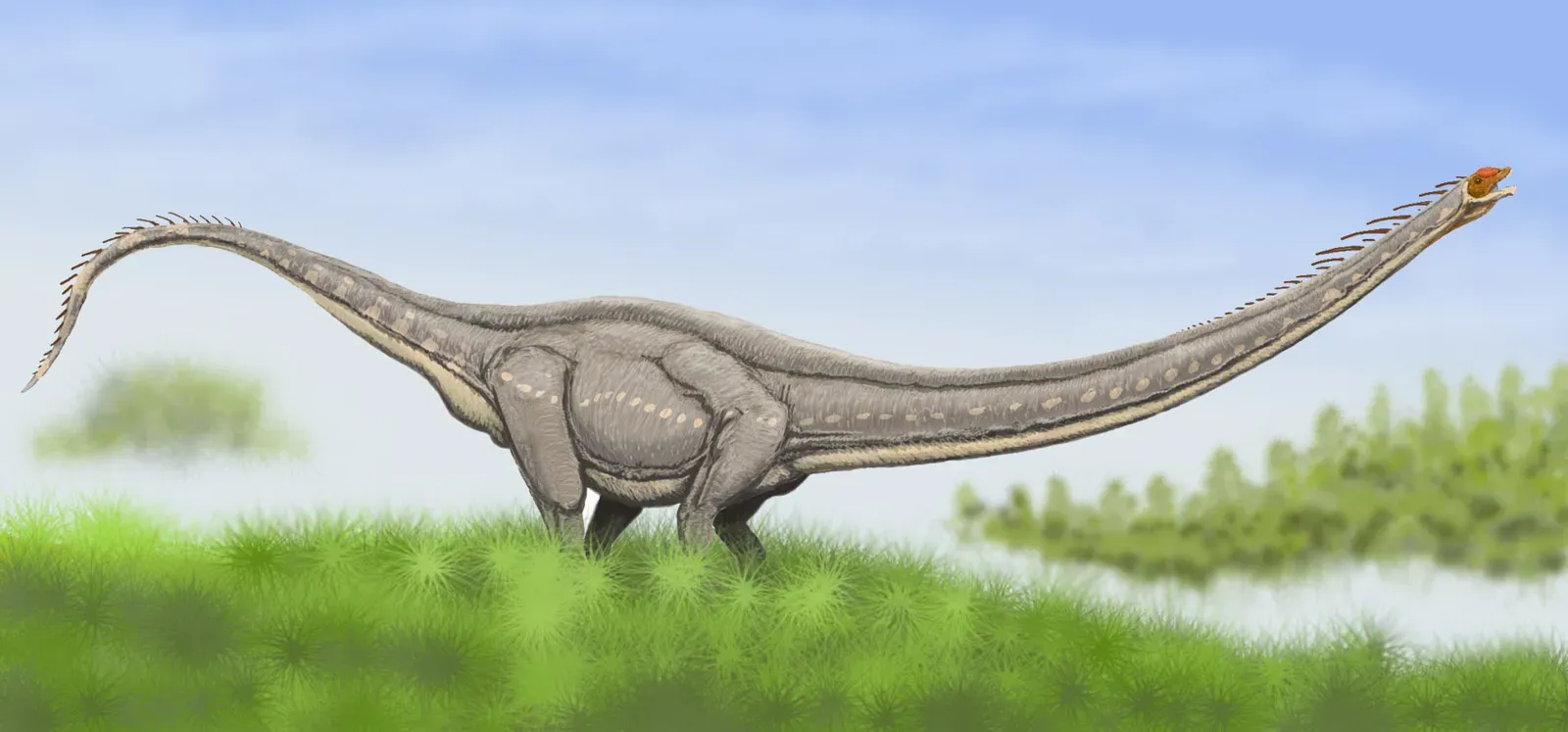
Mamenchisaurus and its close relatives from Jurassic China are not always the heaviest contenders, but their necks are so extreme they deserve a spot in any list of land giants. Some species may have carried necks that made up nearly half their total body length, giving them an almost surreal silhouette against the ancient floodplains and forests of what is now East Asia. Imagine a giraffe, then stretch just the neck several times over, and you start to get the idea.
What makes Mamenchisaurus astonishing is the engineering needed to hold such a neck without snapping vertebrae, cutting off blood flow, or collapsing soft tissues. Their neck bones are full of complex air‑filled spaces to reduce weight, while muscles and ligaments had to be arranged in a way that balanced strength and flexibility. Scientists still debate exactly how high they could lift their heads and what range of motion they had, but even a modest version of their posture would have turned them into living harvesters of treetops. These dinosaurs are a reminder that gigantism is not just about bulk; sometimes it is about turning one part of the body into an outrageous biological experiment.
Brachiosaurus altithorax: The giraffe‑on‑steroids of the Jurassic
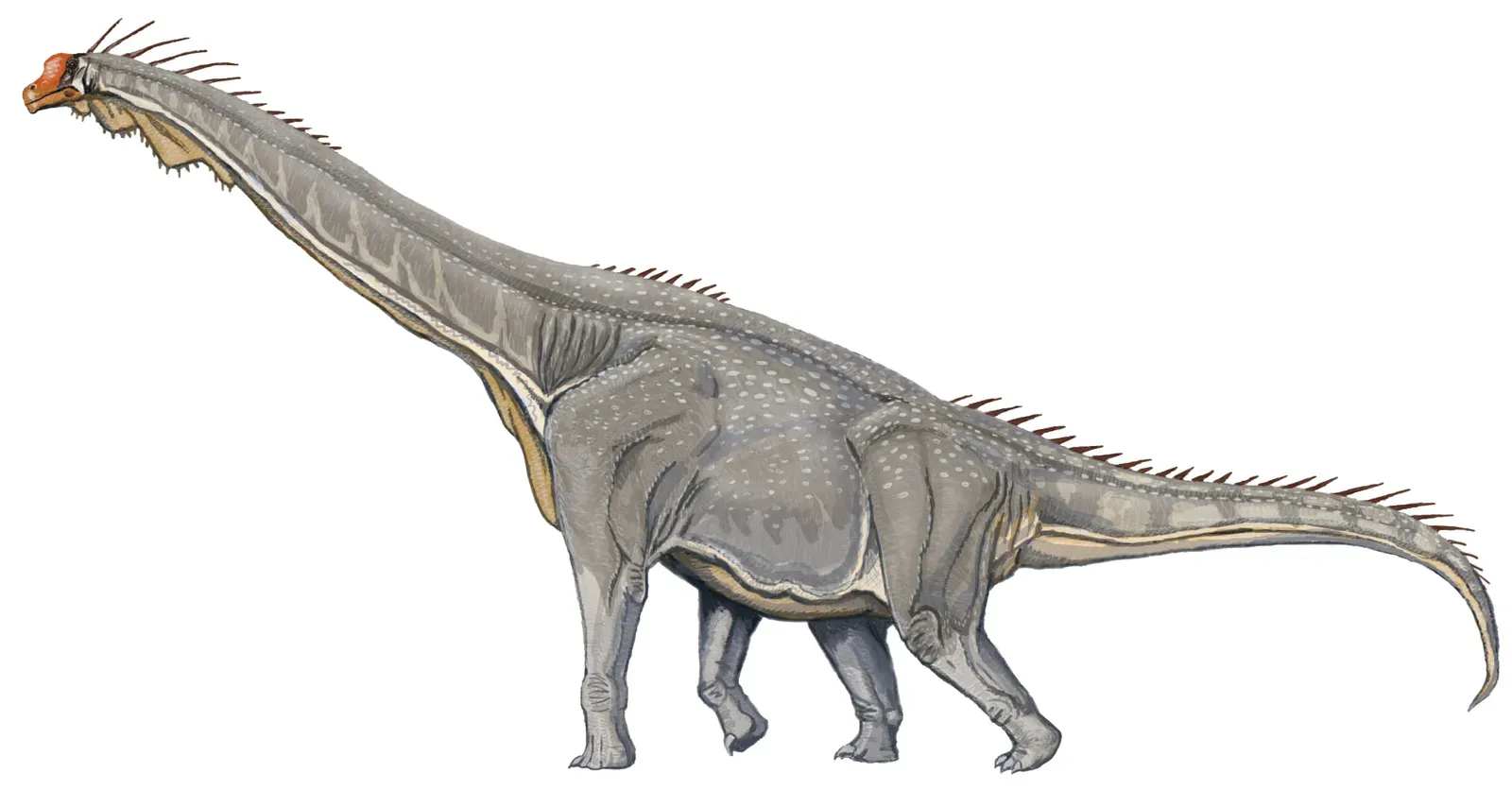
Brachiosaurus is one of the few dinosaurs almost everyone recognizes, thanks to its iconic high‑shouldered stance and long, upward‑tilted neck. Unlike many other sauropods, its front legs were longer than its hind legs, giving it a naturally elevated chest and a browsing height that likely towered over most of its neighbors in Jurassic North America. It might not beat every later titanosaur in raw tonnage, but in its own time it was an undisputed giant, a tree‑top specialist in a world already full of large herbivores.
The context that makes Brachiosaurus astonishing is how early in dinosaur history such extreme size and vertical feeding strategies evolved. It lived in ecosystems where multiple huge sauropods coexisted, somehow dividing up food sources and space without exhausting their environment. This suggests not just the existence of giant animals, but entire communities structured around them, from plants that could withstand heavy browsing to predators that had to adapt to prey far beyond their own size. Brachiosaurus feels almost familiar thanks to pop culture, but the real animal was stranger and more impressive than most renditions give it credit for.
Paralititan stromeri: The tidal‑plain titan of ancient Egypt
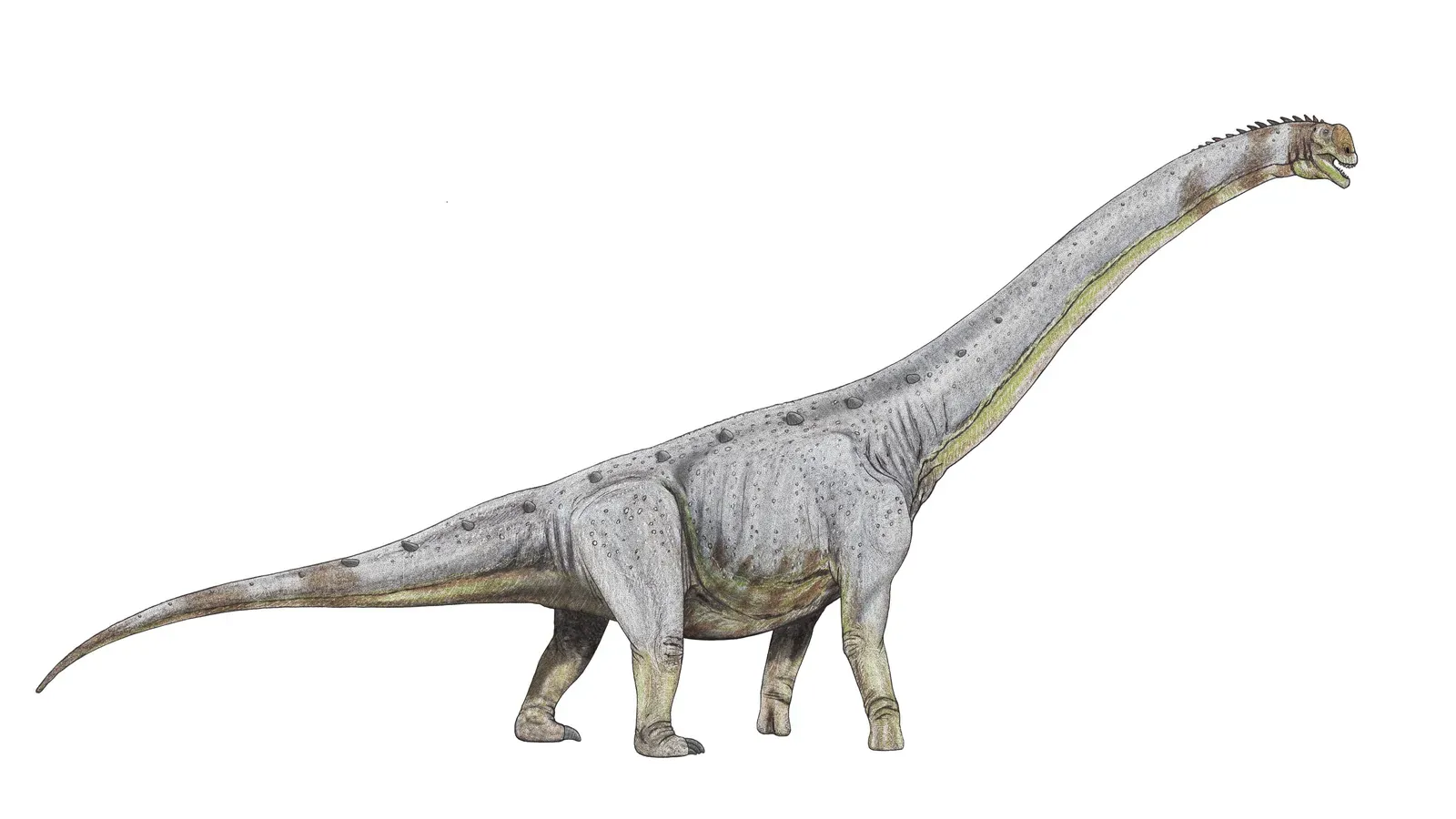
Paralititan brings the story of gigantism to the shores of an ancient sea that once covered parts of what is now Egypt. Its fossils were found in deposits that suggest a coastal or tidal‑plain environment, with mangrove‑like vegetation and wetlands instead of the endless desert we see today. Even from partial remains, the size of its shoulder blade and other bones signal a massive titanosaur, quite possibly one of the heaviest land animals of its era.
The astonishing part of Paralititan’s story is the contrast between its giant frame and the dynamic, shifting world it inhabited. Picture a colossal herbivore trudging through muddy flats and coastal forests, competing with other huge dinosaurs and avoiding deep water while tides and storms reshaped its landscape. The fact that such a huge animal could thrive in a setting we might associate more with crocodiles and wading birds than continental giants forces us to rethink what kinds of environments can support extreme body sizes. Paralititan feels like proof that if there was space and food, sauropods would find a way to grow enormous there.
Turiasaurus riodevensis: Europe’s unexpected giant
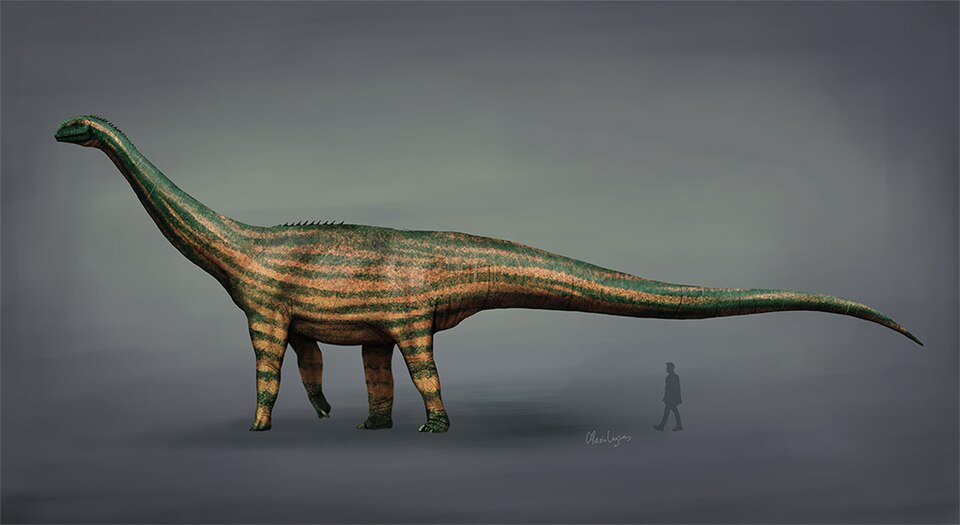
Turiasaurus is a refreshing surprise because it shows that Europe, often portrayed as a land of smaller dinosaurs due to its island‑like geography in the Jurassic and Cretaceous, could also produce giants. Discovered in Spain, this sauropod was one of the largest known from the continent, with limb bones and vertebrae that mark it as a serious heavyweight among European dinosaurs. It might not edge out the South American titans, but it holds its own proudly in the lineup of the world’s largest land animals.
The context that makes Turiasaurus astonishing is what it says about dinosaur diversity and geography. Its discovery challenged the old picture of Europe as a place where limited land area kept animals relatively small, showing that local conditions could still support truly large herbivores. To me, Turiasaurus feels like that quiet student in class who suddenly reveals they can lift twice as much as anyone else in the gym. It is a reminder that our global map of dinosaur gigantism is still incomplete, and whole regions may yet surprise us with new giants.
Modern African elephant (Loxodonta africana): The modest giant that resets our scale
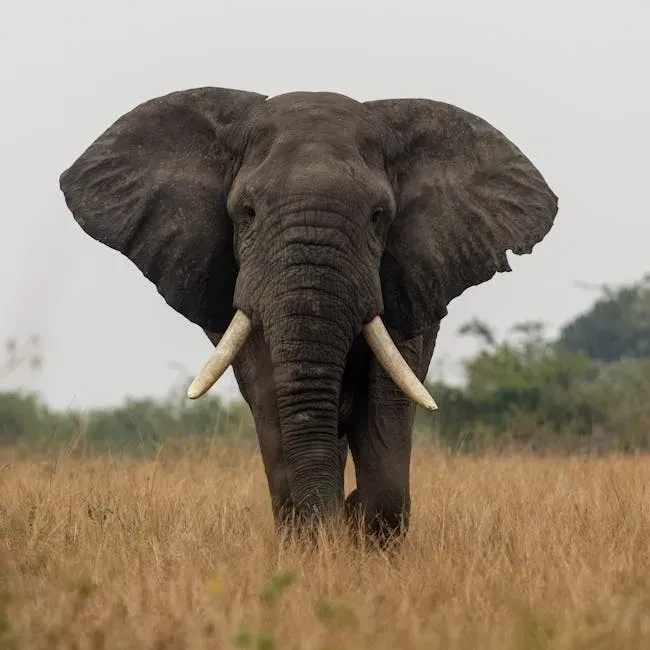
Compared to the colossal sauropods, the modern African elephant might sound almost ordinary, but that is exactly why it deserves a place on this list. It is the largest land animal alive today, and by human standards it is still enormous, with some individuals weighing as much as a small truck and carrying tusks longer than many people are tall. Yet when you set an elephant next to even conservative reconstructions of something like Patagotitan, it suddenly shrinks in your mind, becoming almost a “starter giant.”
The astonishing context here is what elephants tell us about the limits of size in the modern world. They live in ecosystems under intense human pressure, where habitat, climate, and food availability are all constrained in ways very different from the dinosaur era. Elephants are pushing up against what current environments and evolutionary pressures will allow, showing us that gigantic body sizes are still possible but come with heavy costs in terms of space, time to grow, and vulnerability to change. When you realize that our biggest living land mammal would have been a medium‑sized snack in some dinosaur communities, it really drives home how extreme prehistoric gigantism truly was.
Conclusion: Gigantism as nature’s loudest experiment
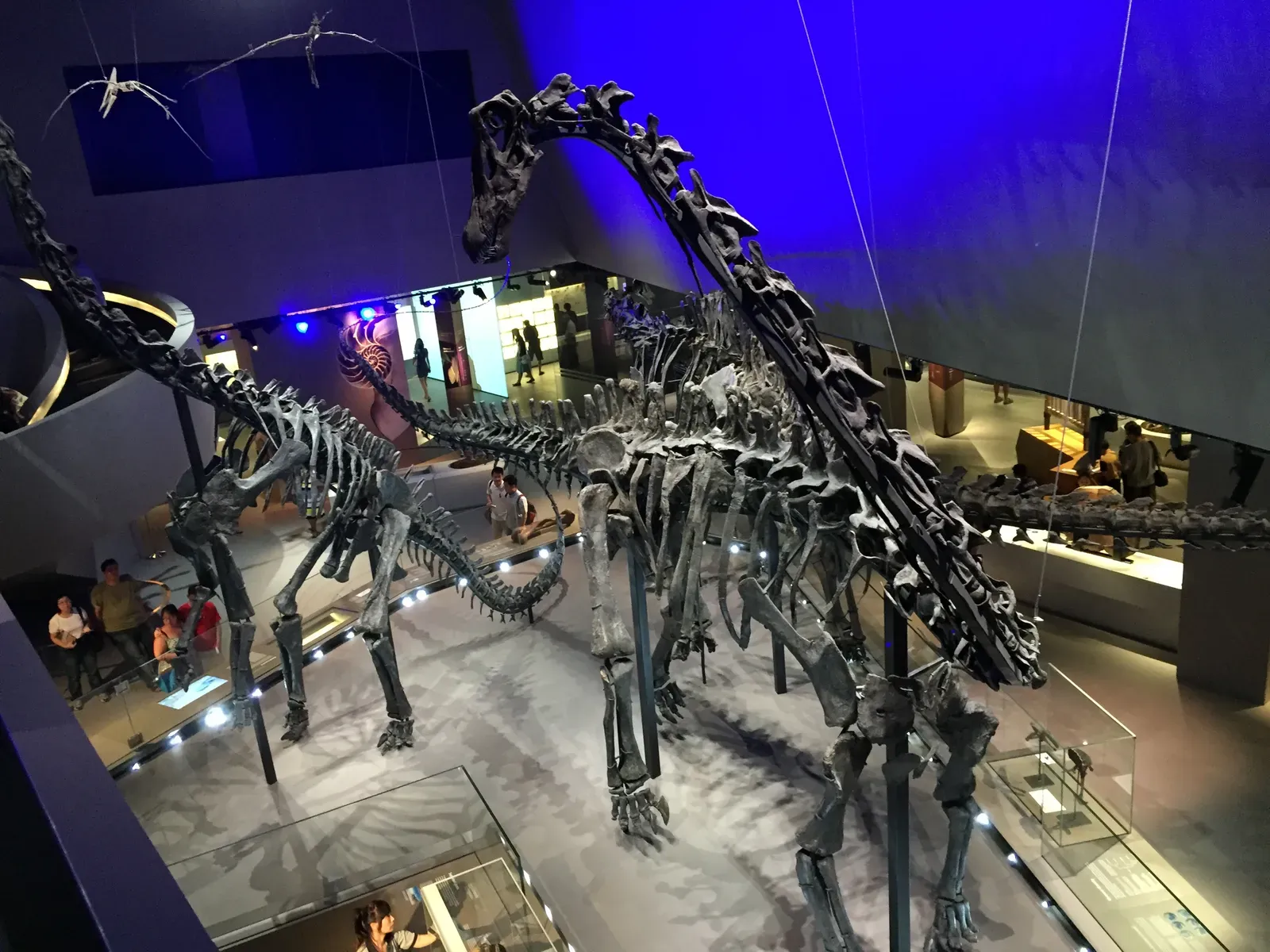
Looking across these ten giants, one thing becomes clear: extreme size is not a weird exception in Earth’s history, it is a pattern that life has chased again and again whenever conditions allowed. From tidal plains in ancient Egypt to Jurassic floodplains in North America and Cretaceous forests in Patagonia, evolution repeatedly pushed land animals toward scales that seem absurd from a human point of view. To me, that suggests gigantism is nature’s favorite high‑risk, high‑reward experiment, always flirting with the edge of what physics, biology, and ecosystems can handle.
At the same time, these animals highlight how fragile those conditions can be. Most of the super‑giants vanished when climates shifted, continents moved, or ecosystems reorganized, and today the last big land champions are under pressure from us. I cannot help but feel that we live in a strangely downsized chapter of Earth’s story, walking around with the fossils of impossible creatures beneath our feet while the biggest thing we normally see is an elephant on a screen. Maybe the more we understand about these ancient titans, the more seriously we will take the quiet giants we still have. If you had been born in the age of Patagotitan instead of the age of smartphones, what would you have thought counted as “normal” size?