
There is a particular kind of flinch that shows up when someone is nice to you for no obvious reason. A compliment makes you wonder what they want. A favor leaves you anxious about the bill that will arrive later. Even a simple “I was thinking of you” text can feel less like warmth and more like a setup. If that sounds uncomfortably familiar, you are not broken or ungrateful; you may just have learned that kindness usually comes with conditions, demands, or emotional debt.
Psychology has a pretty straightforward explanation for this: our nervous systems remember patterns of care. If, in your past, affection came bundled with guilt trips, manipulation, or sudden withdrawal, your brain did exactly what it is supposed to do to keep you safe. It learned to be wary. The hard part is that this old survival strategy keeps running even when you are finally around safer people. In this article, we will break down how that happens, what it does to your relationships, and what it really takes to relearn that care does not have to come with strings attached.
The Hidden Logic: Why Your Brain Distrusts “No-Strings” Kindness

One of the most surprising things about discomfort with kindness is that it is rarely about the present moment. It is your brain scanning for patterns that match old experiences and deciding, often in a split second, whether this is safe or not. If, growing up, kindness was followed by criticism, demands, or unpredictable anger, your nervous system quietly paired “warmth” with “incoming threat.” Over time, your body starts reacting to generosity almost like it would to a loud noise: a jolt, a tightening, a quiet bracing for impact.
Neuroscience research on learning and memory shows that when two things repeatedly happen together, our brains wire them together as a prediction. So if you repeatedly experienced affection tied to obligation, or gifts tied to guilt, your system may predict that every pleasant interaction has a hidden cost. This is not a conscious choice or a character flaw; it is a kind of emotional math your brain did long ago that still feels true now. That is why a simple compliment can feel suspiciously like a contract you never agreed to sign.
When Love Was a Transaction: Early Lessons That Shape Expectations

Many people who struggle to accept kindness can point back to a time when love felt like a deal instead of a given. Maybe a parent only praised you when you achieved something, and went cold when you needed comfort. Maybe acts of care came packed with phrases about how much they had sacrificed for you, and how much you now owed in return. In families like this, affection is not experienced as a safe resting place; it is more like store credit you are constantly working off.
Over years, this turns into a basic belief that relationships are built on keeping other people satisfied so they will not withdraw care. You learn to scan for subtle signs of disappointment and to anticipate what others need before they even ask, just to keep the peace. Kindness from others starts to feel less like a gift and more like a future bill you will need to pay through compliance, emotional caretaking, or self-abandonment. When that is your baseline, someone being kind “for nothing” does not feel sweet; it feels impossible.
The Role of Attachment Styles: Anxious, Avoidant, and Suspicious of Care

Attachment theory offers a helpful lens for understanding this kind of discomfort. People with more anxious attachment often expect rejection or abandonment, so kindness can feel like something that will be snatched away at the first sign of imperfection. They may cling to it but also question it, wondering how long it will last or what they must do to deserve it. That constant anxiety around losing care makes it hard to relax into good things when they actually arrive.
On the other hand, people with more avoidant attachment have often coped by becoming highly self-reliant, sometimes after learning that needing others leads to disappointment or control. For them, receiving care can feel threatening to their independence or like a trap that will pull them into obligations they do not want. Both patterns share a similar core story: other people’s kindness is not simply safe and reliable. Whether you lean anxious, avoidant, or bounce between both, it makes sense that your body would tense up when someone tries to treat you gently.
How Manipulative “Kindness” Confuses Your Sense of Safety

There is a painful difference between genuine kindness and what some people use as a kind of emotional currency. Maybe you had someone in your life who was incredibly generous… right up until you said no to them. Suddenly, all their past favors became ammunition: reminders of how much they had done and how selfish you were for setting boundaries. Experiences like this teach you that kindness is not safe; it is just camouflage for control. After a few rounds of that, your instincts start treating even healthy generosity as a possible threat.
This pattern shows up in many forms: love-bombing at the start of a relationship, then passive-aggressive comments when you ask for space; big gifts followed by pressure to make decisions you are not ready for; or a parent who constantly reminds you how much they have given you whenever you disagree. When that is the backdrop, it is logical that your guard shoots up when someone offers help with no clear reason. Your body remembers that the last time you relaxed into “kindness,” it ended in guilt, debt, or drama. Suspicion, in that context, is not paranoia; it is a survival habit.
The Self-Worth Knot: Why You Feel You Have Not “Earned” Care

Another powerful piece of this puzzle is how you see your own worth. If you grew up being rewarded only for performance, compliance, or emotional caretaking, you may have internalized the idea that you must earn every good thing you get. Kindness then becomes something you are graded on, not something you are inherently worthy of. When someone offers you soft, uncomplicated care, it can clash directly with the story in your head that says you have not done enough to deserve it yet.
This can show up as deflecting compliments, insisting you do not need help, or immediately trying to repay every small gesture so the scales will not feel unbalanced. Underneath that urge to immediately even the score is often a fear of being seen as selfish, needy, or in debt. It feels safer to stay self-sufficient than to risk being labeled ungrateful later. From the outside, it might look like pride or distance, but inside it is usually a mix of shame, fear of judgment, and the old belief that unconditional care is for other people, not you.
Relearning Safe Kindness: Small Experiments That Change the Script

The good news is that the same brain that learned to associate kindness with strings can slowly learn a different pattern. This does not happen through positive thinking alone; it usually begins with small, concrete experiments. For example, you might choose one or two people who have shown consistent respect for your boundaries and intentionally let yourself accept tiny acts of care from them: a ride, a check-in text, a home-cooked meal. The goal is not to force yourself to feel comfortable, but to notice what actually happens when you do not rush to repay or perform.
Therapy can be particularly powerful here, because a good therapist offers a relationship where care is structured, predictable, and not contingent on pleasing them. Over time, repeated experiences of being treated with steady respect and empathy can loosen the old belief that there is always a catch. On your own, you can practice simple skills like saying “thank you” instead of instantly launching into “you really didn’t have to,” or tracking your body’s reactions when someone is kind and gently grounding yourself with slow breathing. None of this is fast or glamorous work, but over months and years, it can transform how safe kindness feels in your nervous system.
Learning to Offer Yourself the Kindness You Never Trusted
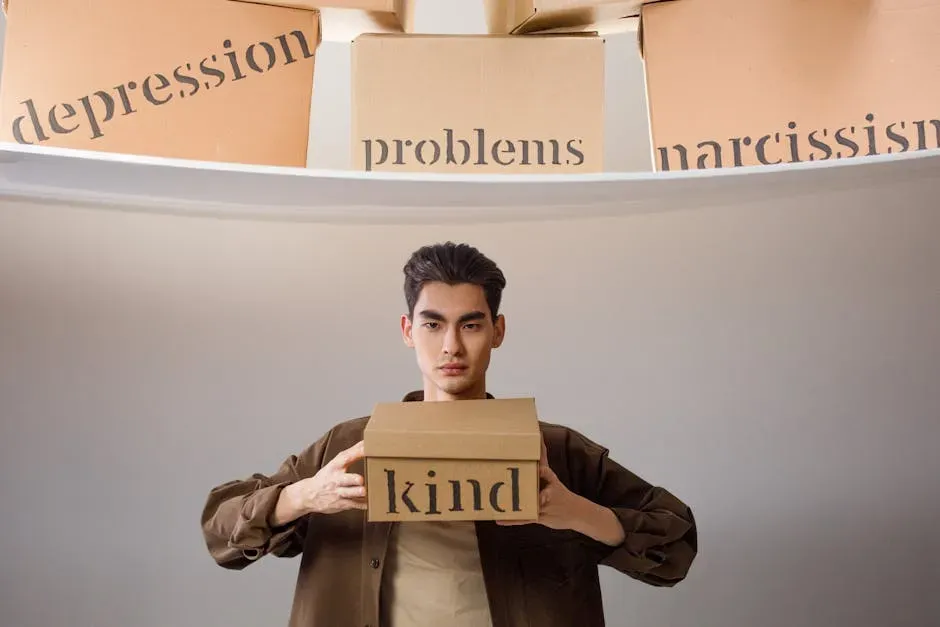
One unexpected twist in all of this is that people who cannot trust external kindness often struggle to be genuinely kind to themselves. If you learned that compassion is dangerous or manipulative, you might treat your own self-care attempts with suspicion too, dismissing rest as laziness or treating comfort as something you have not earned. In my own life, I noticed that every time I tried to slow down or treat myself gently, an inner voice would immediately argue that I was being indulgent and that I should just push through. That same old bargain-based model of care had simply moved inside.
Actively practicing self-compassion can feel awkward or even fake at first, especially if criticism has long been your default motivator. Yet studies on self-compassion consistently find that people who treat themselves with understanding, rather than harsh judgment, tend to be more resilient, not less. You can start small: noticing when you are in pain, naming it without minimizing, and responding the way you would to a dear friend instead of a disappointing employee. As you gradually normalize being on your own side, it becomes slightly less shocking when someone else also chooses to be gentle with you.
Conclusion: Kindness Without Strings Is Not a Trick, It Is a Skill to Receive

If you feel uneasy when someone is kind to you, it is not because you are ungrateful or cold-hearted; it is because, somewhere along the way, kindness became tangled with pressure, manipulation, or performance. Your discomfort is a sign that your nervous system did its job and learned to protect you in environments where care was conditional. The frustrating part is that this old protective script keeps running even in relationships that are healthier, making the good stuff feel suspicious right when you finally have access to it.
Relearning to accept kindness without waiting for the catch is not a quick mindset shift; it is a long, often clumsy process of collecting new experiences that contradict your old expectations. It requires choosing safer people, noticing your own defensiveness without shaming it, and slowly letting yourself test the idea that some care really does come with no bill attached. In a world that often treats everything as a transaction, daring to believe in no-strings-attached kindness is almost rebellious. The real question is not whether you deserve that kind of care, but whether you are willing, little by little, to let your guard loosen enough to recognize it when it finally shows up – are you?