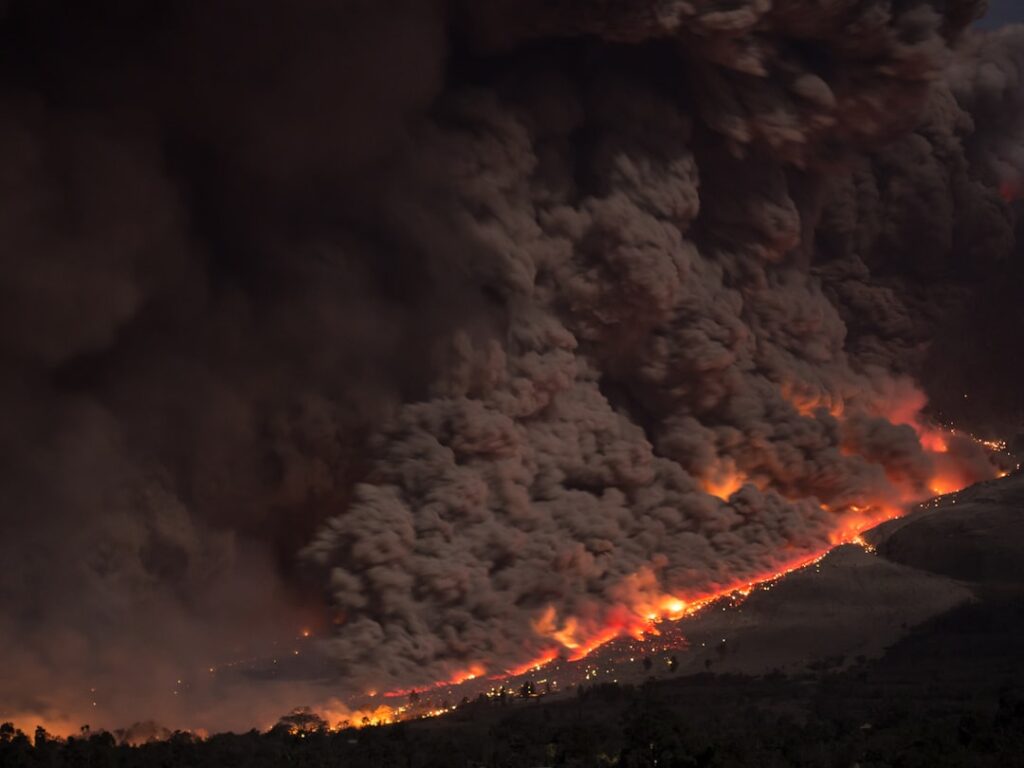
Jakarta – Indonesia entered the 2026 fire season with alarming early activity, as burned areas surged to 32,637 hectares by February, an area roughly three times the size of Paris. Officials now warn of a potential “Godzilla El Niño,” a super-intense climate event that could prolong droughts and intensify blazes across carbon-rich peatlands, critical habitats for endangered species. These developments heighten risks to biodiversity in Sumatra and Kalimantan, where fires already encroach on protected ecosystems.
Fires Ignite Far Ahead of Schedule
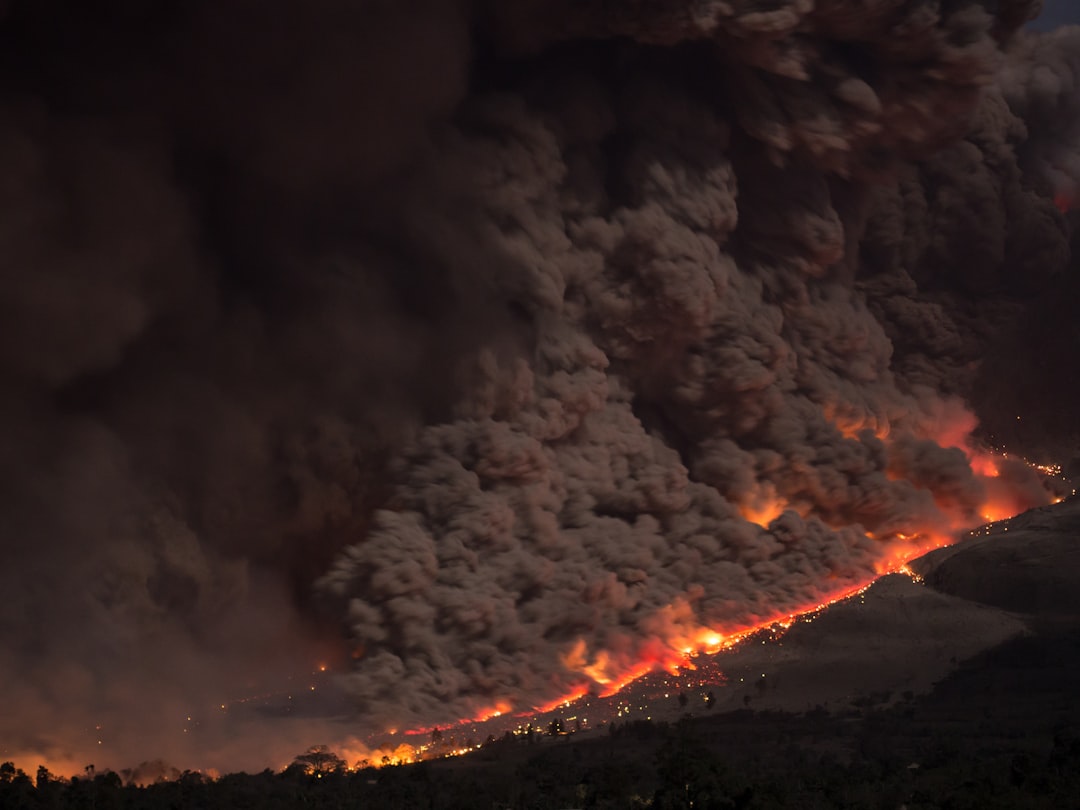
Fires Ignite Far Ahead of Schedule (Image Credits: Unsplash)
Authorities detected a dramatic uptick in fire activity well before the typical dry season peak. Burned land expanded 20 times faster than during the same period in 2025, signaling vulnerabilities in oversight. Independent monitors from Pantau Gambut recorded 23,546 hotspots in peatlands since January, with March alone seeing 12,942 – nearly triple February’s count.
Nationwide, high-confidence hotspots reached 735 by mid-April, almost three times higher than the previous year. Many blazes concentrated in oil palm and timber concessions, underscoring gaps in concession management. In border provinces like Riau and West Kalimantan, fires posed immediate transboundary risks, prompting emergency measures.
The Ominous Rise of ‘Godzilla El Niño’
Forecasters predict a strong El Niño could strike in the second half of 2026, with Indonesia’s BMKG estimating a 50-80% chance of a weak to moderate event. U.S. NOAA models raised the stakes further, projecting a 25% likelihood of a “very strong” variant – earning the dramatic “Godzilla” moniker for its potential to warm Pacific waters by at least 1.5°C above average. Such conditions historically align with severe Indonesian fire seasons, peaking from September to October.
Past episodes offer stark lessons. The 2015 “Godzilla” El Niño fueled toxic haze that sickened over 500,000 people and spread to neighboring countries. Prolonged dryness could again exacerbate peat degradation, where soils store 20 times more carbon than mineral lands, amplifying global emissions when ignited.
Wildlife Habitats in the Crosshairs
Peat swamp forests, prime targets of these fires, serve as vital refuges for species like orangutans and proboscis monkeys. Drainage for plantations has left millions of hectares flammable, with nearly half of Indonesia’s peatlands highly vulnerable. Early 2026 hotspots already flared in protected peat zones, threatening biodiversity hotspots in Borneo and Sumatra.
Fires smolder underground, persisting through light rains and releasing toxins that harm air quality. Repeated burning oxidizes peat, subsiding land and eroding water retention – conditions that doom wildlife reliant on these moist ecosystems. Historical blazes have decimated orangutan populations by over 50% in affected zones, destroying seed banks essential for forest recovery.
- Over 3,000 January hotspots in protected peat ecosystems.
- West Kalimantan: 2,216 hotspots; Aceh: 1,444.
- One-third of peat hotspots within company concessions.
- Peat fires contribute to haze with particulates and gases like benzene and carbon monoxide.
Responses from Authorities and Conservationists
Government agencies prioritized border regions, deploying patrols, early warnings, and water-bombing helicopters. Deputy Forestry Minister Rohmat Marzuki emphasized focus on areas near Malaysia and Singapore: “These areas are a priority because they are close to neighboring countries.” Environment Minister Hanif Faisol Nurofiq highlighted fires’ role in emissions and economic losses, calling for stricter enforcement.
Conservation groups like Pantau Gambut urged concession holders to restore burned lands beyond their boundaries. Campaigner Putra Saptian stressed: “Supervision of peat ecosystem-based restoration must be strengthened.” Health officials warned of disease spikes, from respiratory infections to dengue, amid haze-reduced visibility in cities like Pekanbaru.
| Region | Hotspots (Early 2026) | Burned Area Example |
|---|---|---|
| Riau (Sumatra) | High concentration | 2,713 ha (Jan-Mar) |
| Central Kalimantan | Significant | 321 ha (Jan-Mar) |
| West Kalimantan | 2,216 peat hotspots | N/A |
Key Takeaways
- Early fires burned 32,637 ha by February, 20x prior year.
- 23,546 peat hotspots signal broader risks with El Niño.
- Peatlands’ destruction endangers species and carbon stores.
As Indonesia steels itself for a potentially record-breaking dry season, the interplay of human land use and climate extremes underscores the urgency for robust conservation. Peat restoration and fire prevention offer pathways to safeguard wildlife legacies. What steps should global partners take to support these efforts? Share your thoughts in the comments.