A fresh analysis has upended long-standing debates in paleontology by identifying two small tyrannosaurids as immature stages of the formidable Tarbosaurus bataar. This reclassification not only simplifies the family tree of Late Cretaceous predators but also stretches the known territory of Tarbosaurus across vast swaths of Asia. Researchers detailed their findings in a study that scrutinizes cranial features and growth patterns, revealing how juvenile traits once mistaken for distinct species signatures actually align with known young specimens of Tarbosaurus.
Tracing the Origins of Two Enigmatic Fossils
Tracing the Origins of Two Enigmatic Fossils (Image Credits: Upload.wikimedia.org)
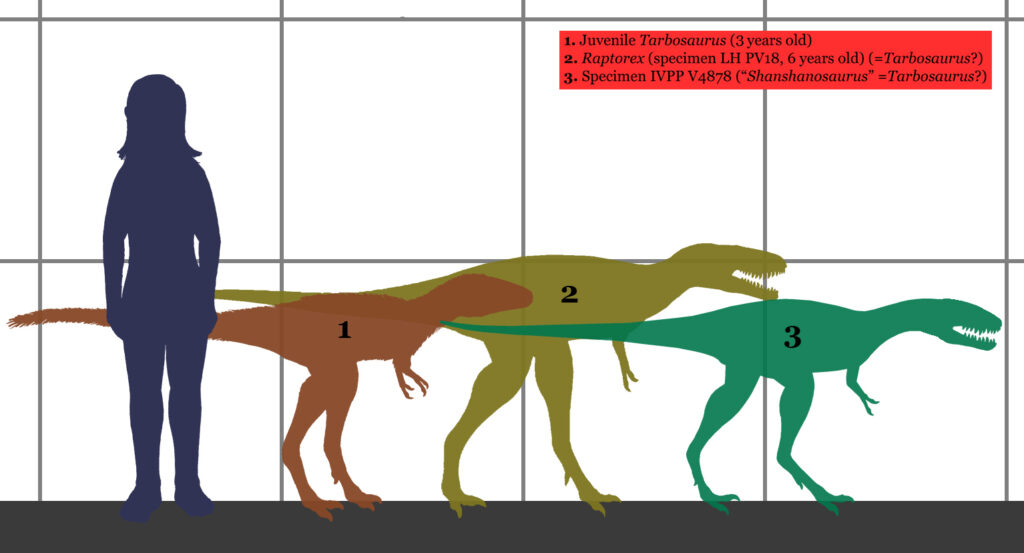
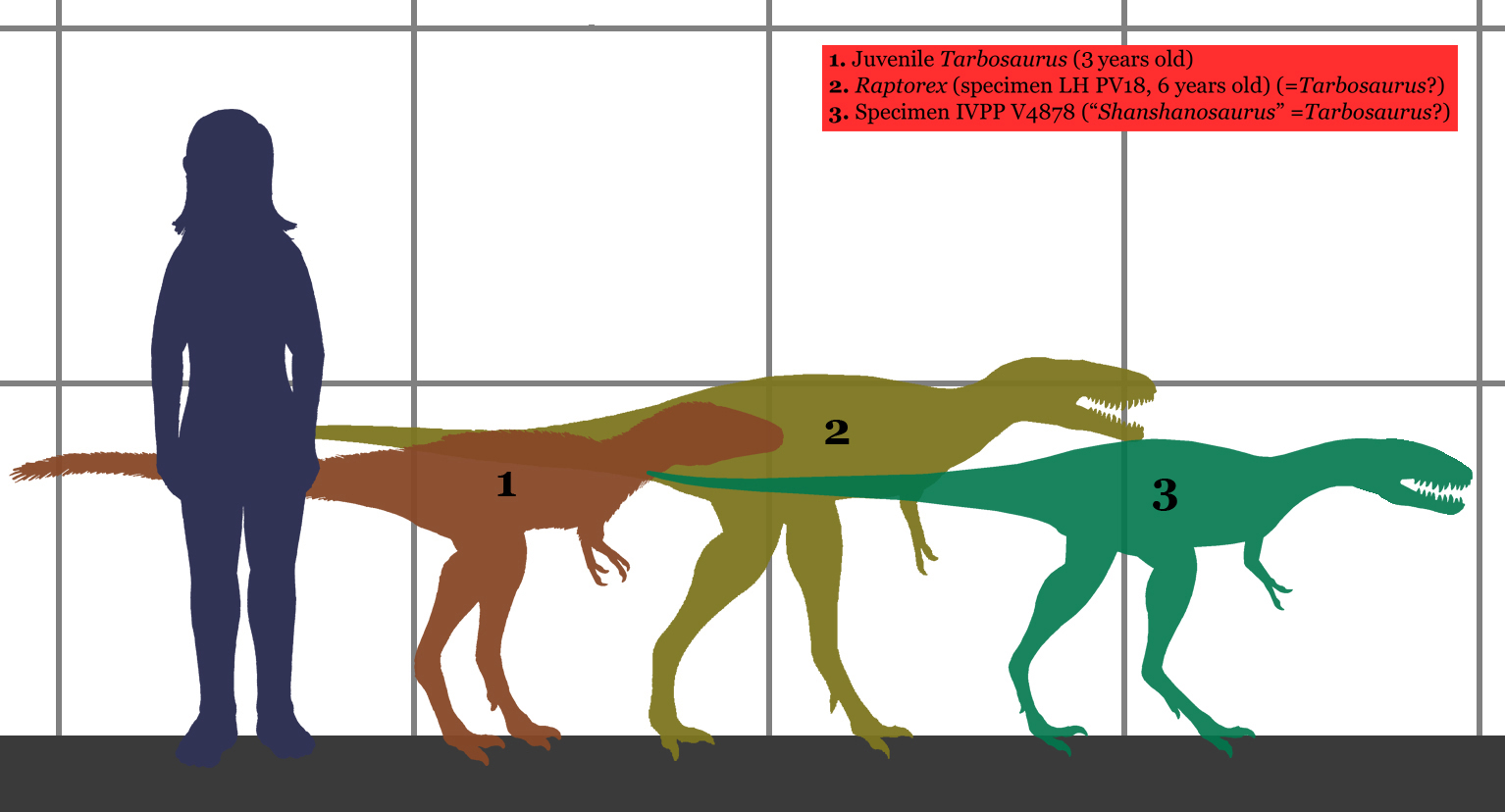
The saga of Raptorex kriegsteini began in 2009 when paleontologists described a nearly complete juvenile skeleton, initially hailed as evidence that the tyrannosaurid body plan – massive skull, puny arms – evolved in small dinosaurs tens of millions of years earlier than thought. Purchased through fossil dealers and donated to the University of Chicago, the specimen LH PV18 sparked controversy over its age and origin, with early claims placing it in Early Cretaceous rocks of China. Subsequent work pinned it to Mongolia’s Late Cretaceous Nemegt Formation, raising suspicions it represented a young Tarbosaurus.
Asiatyrannus xui entered the scene more recently, named in 2024 from a skull and partial skeleton unearthed in China’s Nanxiong Formation. At roughly 3.5 to 4 meters long, this specimen stood out as the southernmost Asian tyrannosaurid, prompting excitement over a potential new branch in the tyrannosaurine lineage. Yet questions arose immediately about its maturity, with histological analysis suggesting a juvenile phase rather than a subadult.
Morphological Matches Seal the Deal
A team led by Gorm Skouboe Raun compared the holotypes of both taxa against confirmed juvenile Tarbosaurus specimens, such as MPC-D 100/66 and MPC-D 107/5 from Mongolia. They identified shared autapomorphies, unique traits defining Tarbosaurus bataar, including the absence of a posterolateral process on the nasal bone and a laterally projecting shelf on the lacrimal’s supraorbital process. Purported differences, like the shape of the maxillary fenestra or nasal exclusion from the antorbital fossa, proved variable across Tarbosaurus growth stages rather than species-specific.
Histology reinforced the juvenile status: lines of arrested growth in Asiatyrannus indicated rapid development without nearing maturity. Tooth counts matched precisely – 12-13 maxillary and 14-15 dentary – while features like an interlocking angular-prearticular contact appeared exclusively in Tarbosaurus. The study cataloged these overlaps systematically, dismantling claims of distinct genera.
- Absence of complementary anterolateral process on lacrimal
- Ridge on angular for dentary contact
- Large subrectangular maxillary fenestra in juveniles
- Low rugose jugal accessory horn
- Straight postorbital bar, a juvenile trait
Redrawing Tarbosaurus’ Map Across Asia
Tarbosaurus bataar, known primarily from over 30 specimens in Mongolia’s Nemegt Formation, ruled a lush floodplain teeming with hadrosaurs, sauropods, and ankylosaurs during the Maastrichtian stage. Adults reached 10-12 meters and 5 tons, with skulls up to 1.35 meters long. Juveniles like MPC-D 107/7, with a 290 mm skull, hinted at ontogenetic shifts, including thinner teeth suited for different prey.
Reassigning Raptorex and Asiatyrannus extends Tarbosaurus’ range 2,300 kilometers south to China’s Nanxiong Formation, mirroring expansive distributions seen in North American tyrannosaurids like Tyrannosaurus rex. This challenges notions of isolated populations, suggesting open habitats allowed wide dispersal without major barriers.
| Specimen | Location | Age Estimate | Skull Length |
|---|---|---|---|
| Tarbosaurus bataar (adult, PIN 551-1) | Nemegt Fm, Mongolia | Mature | ~1.3 m |
| Raptorex kriegsteini (LH PV18) | Nemegt Fm, Mongolia | ~3 years | ~53 cm |
| Asiatyrannus xui (ZMNH M30360) | Nanxiong Fm, China | Juvenile | 47.5 cm |
| Tarbosaurus juvenile (MPC-D 107/7) | Nemegt Fm, Mongolia | 2-3 years | 29 cm |
Lessons for Dinosaur Taxonomy and Beyond
This reassessment underscores pitfalls in naming taxa from immature fossils, where growth-related variations mimic species differences. Raptorex’s debut fueled hype over early tyrannosaur evolution, but stratigraphic and morphological clues long pointed to Tarbosaurus. Asiatyrannus’ brief tenure highlights accelerating discoveries in China, yet stresses rigorous maturity checks.
Communities like paleontology forums buzz with parallels to ongoing debates, such as Nanotyrannus versus Tyrannosaurus juveniles. The work implies Tarbosaurus’ relatives roamed like modern big cats, with ranges rivaling today’s carnivores. Future splits within Tarbosaurus itself remain possible as more specimens emerge.
As tyrannosaurid puzzles resolve, Tarbosaurus emerges not just as Asia’s tyrant king but a far-flung dominator whose young once bore misleading names. This shift refines our view of prehistoric ecosystems, reminding us that size and maturity matter in the fossil record. What do you think about these reclassifications? Share your thoughts in the comments.
- Raptorex and Asiatyrannus lack unique traits; they match juvenile Tarbosaurus bataar autapomorphies.
- New range spans Mongolia to southern China, ~2,300 km.
- Highlights risks of juvenile-based taxonomy in tyrannosaurids.