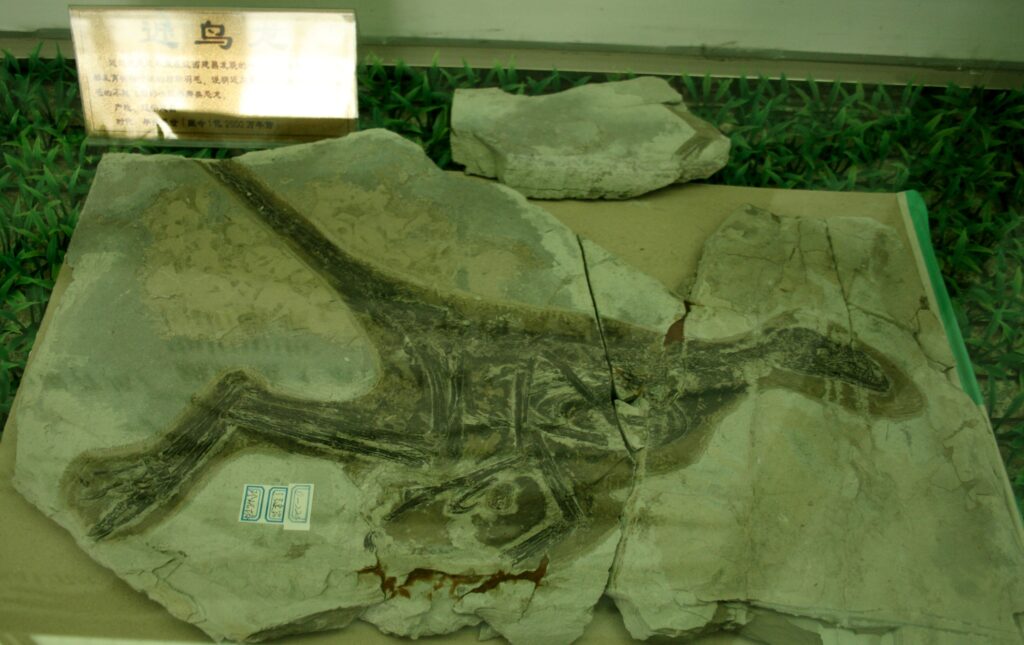
For a long time, the story of birds and dinosaurs felt settled: dinosaurs were scaly reptilian beasts, birds were something later and separate, and a single odd fossil called Archaeopteryx sat awkwardly in between. Then, in the 1990s, rock slabs from a quiet, hilly corner of northeastern China started arriving in Beijing and other cities. They came not from big-budget digs but from farmers with shovels and side hustles. On those slabs were skeletons wrapped in halos of fine filaments and full, branching feathers – proof that dinosaurs were not what we thought they were. Those fossils came from Liaoning Province, from layers known as the Yixian and Jiufotang formations, part of a wider ecosystem called the Jehol Biota. This place has turned out to be one of the most important fossil sites on Earth, preserving everything from tiny mammal whiskers to dinosaur feathers and even hints of color patterns. It did more than just nudge paleontology forward; it blew a hole straight through old assumptions about what dinosaurs looked like, how birds evolved, and what kind of world existed around 125 million years ago. And the wildest twist is that local people had been pulling these treasures from the ground for years before global science realized what they meant.
The Quiet Farming Villages Sitting on a Fossil Gold Mine
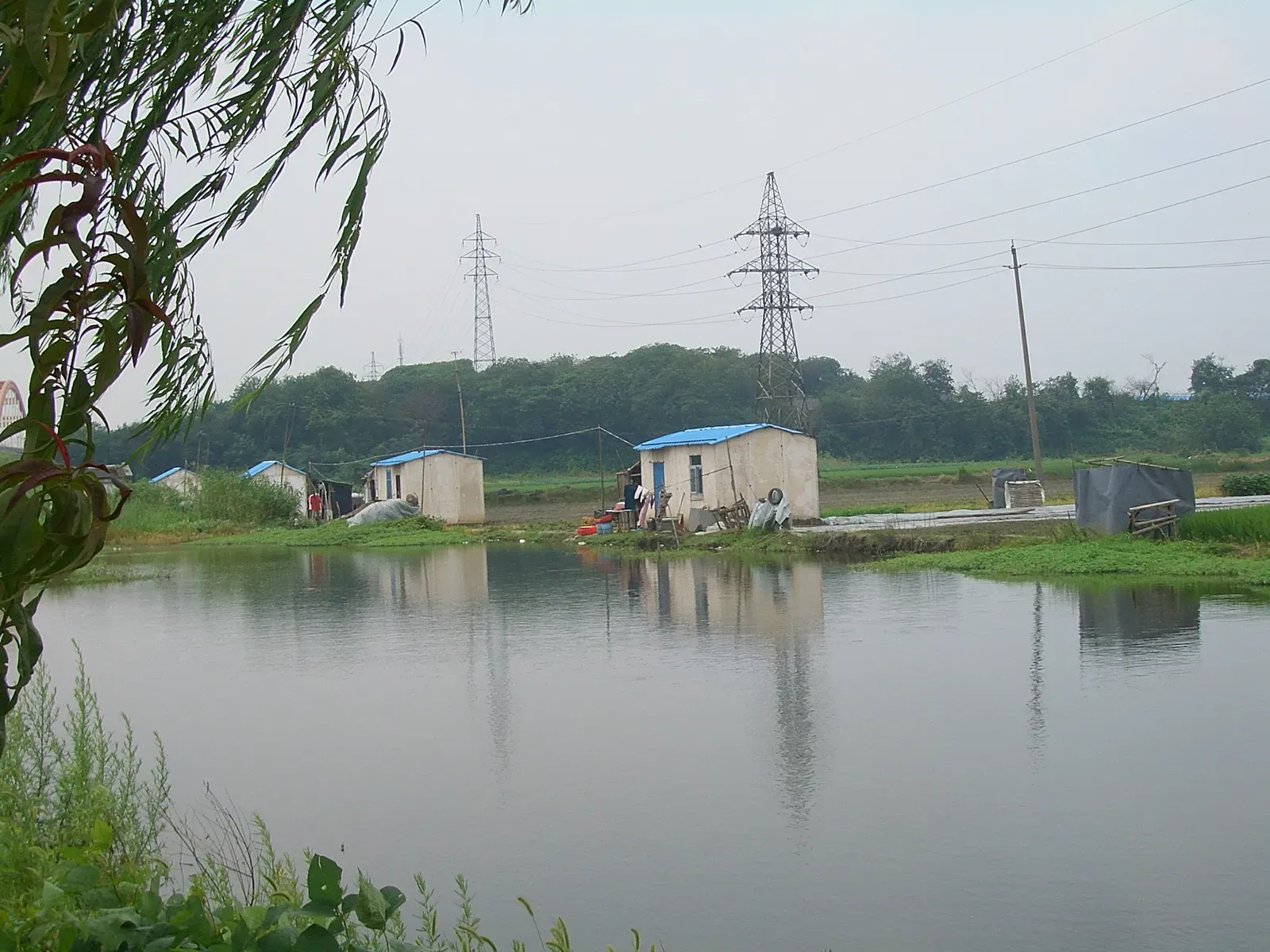
Picture rolling fields, low hills, and small brick farmhouses: that is western Liaoning, a long way from the glossy stereotype of high-tech Chinese megacities. For most locals, the priority was simple survival, not rewriting the history of life. But under their fields lay lake sediments from the Early Cretaceous, packed with astonishingly preserved fossils of fish, insects, plants, birds, mammals, and dinosaurs. Over time, villagers learned that if you split the right kind of fine, grey stone, you might find a fossil good enough to sell.
By the 1980s and early 1990s, farmers around places like Sihetun and Jianshangou were regularly digging up fossils in winter to supplement meager incomes. At first, they were mostly interested in fish and delicate fossil birds, which were easier to recognize and sell. Many specimens went straight into local markets and private collections, leaving no paper trail. From the standpoint of science, this was chaos: the fossils were real and spectacular, but their exact find-spots and layers were often undocumented, and that context is critical for understanding age, environment, and evolution.
How Feathered Dinosaurs Erupted into the Global Spotlight
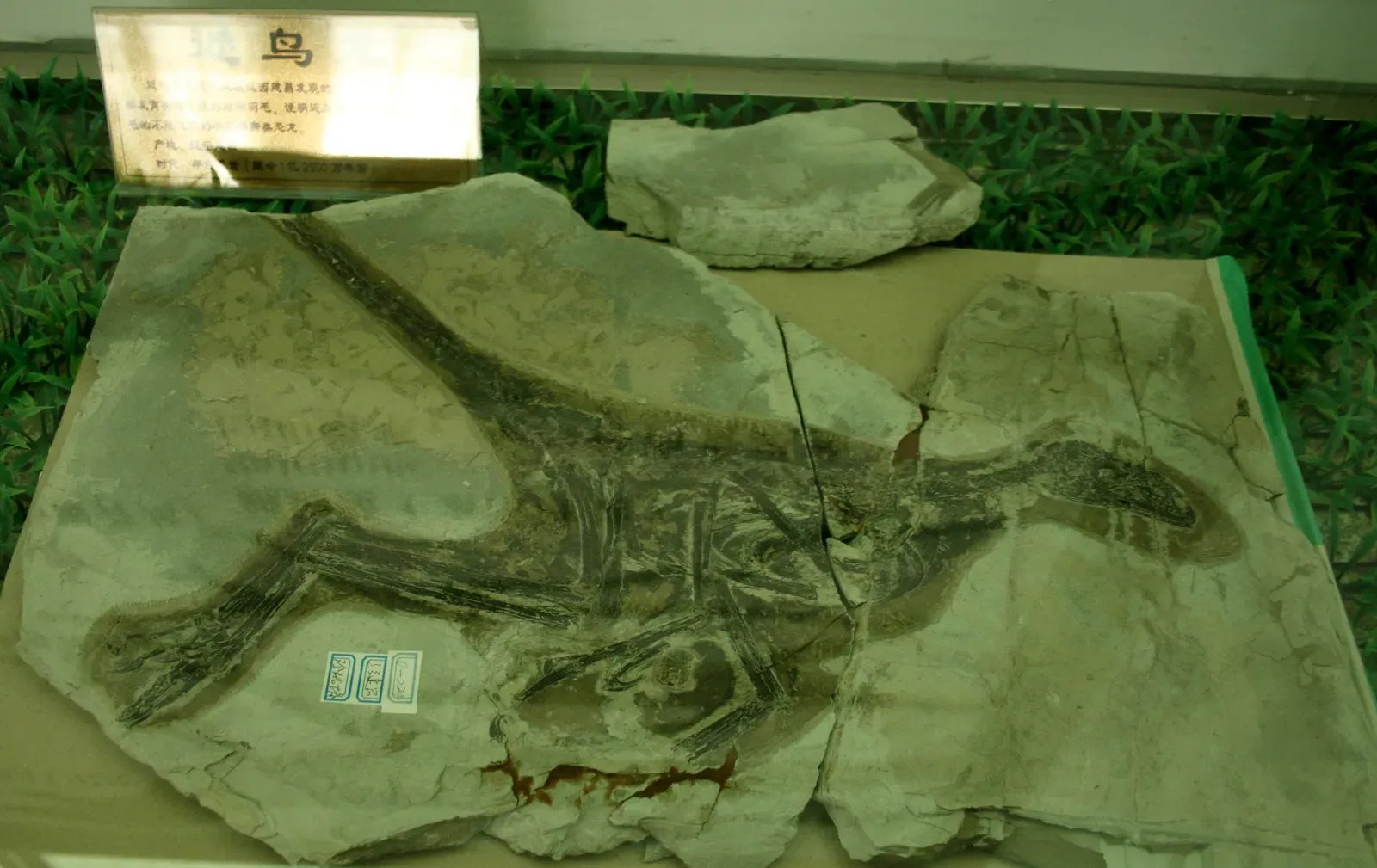
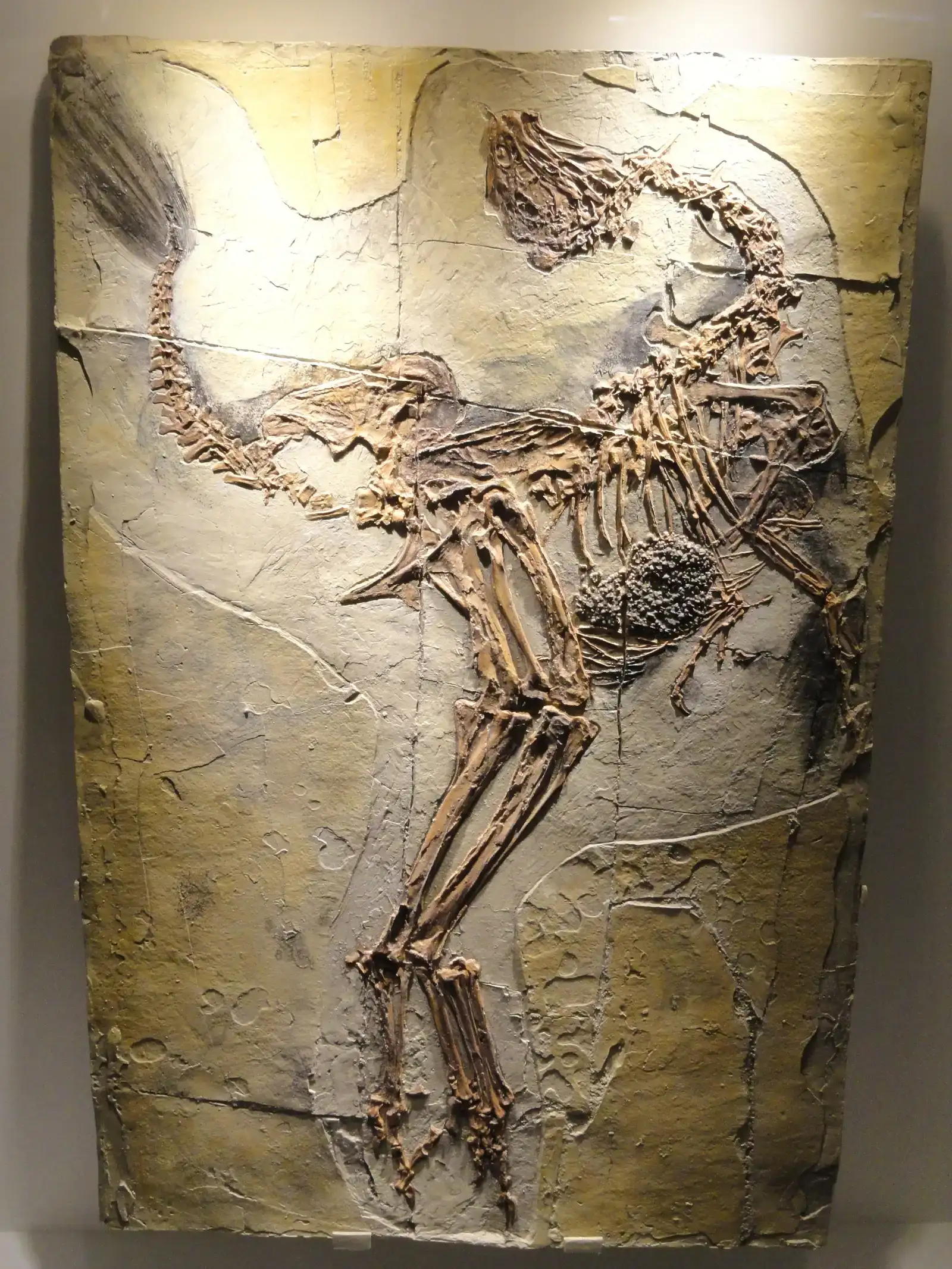
The turning point came in the mid‑1990s, when fossils from Liaoning reached professional paleontologists who recognized something extraordinary. In 1996, the dinosaur Sinosauropteryx was formally described from the Yixian Formation. It was small and lightly built, but what stunned researchers was the soft halo of filamentous structures surrounding its body. These were not random smudges or decay artifacts; they formed a clear covering along the back, tail, and head, suggesting a primitive kind of feather or feather precursor.
Over the next few years, more feathered dinosaurs followed: Caudipteryx, Protarchaeopteryx, and others, some with distinct, modern-looking, vaned feathers on the arms and tails. At the same time, Liaoning was yielding early birds like Confuciusornis and Liaoningornis, preserved with full flight feathers and even keratinous beaks. This sudden flood of fossils from a single region forced scientists all over the world to accept that feathery coverings were not rare oddities limited to one or two strange species. Instead, feather‑like structures appeared across multiple dinosaur lineages, painting a radically different picture of what dinosaurs looked like and how birds evolved from them.
Local Fossil Hunters: Invisible Partners in a Scientific Revolution
Here’s the part that rarely makes it into textbook summaries: behind almost every famous Liaoning fossil is a local person who actually pulled it out of the ground. Farmers and small‑scale fossil traders were the first to recognize that certain layers yielded beautiful, commercially valuable specimens. They learned where to dig, how to split the rocks, and which shapes in stone might mean something worth carrying back home. Some individuals became highly skilled at spotting fossils, even if they had little formal education.
By the time international paleontologists fully grasped the significance of these feathered dinosaurs, locals had already been finding early birds and other spectacular fossils for roughly a decade. Many important specimens reached scientists only after passing through markets and private hands, sometimes repaired or altered. That created real problems for research, because information about the original layer, orientation, or associated fossils was often lost. Yet without that first wave of unofficial collecting, it is hard to imagine Liaoning becoming the global fossil phenomenon it is today. Whether they are given credit or not, the villagers and traders of Liaoning were key catalysts in the scientific upheaval.
The Jehol Biota: A Snapshot of an Entire Lost World
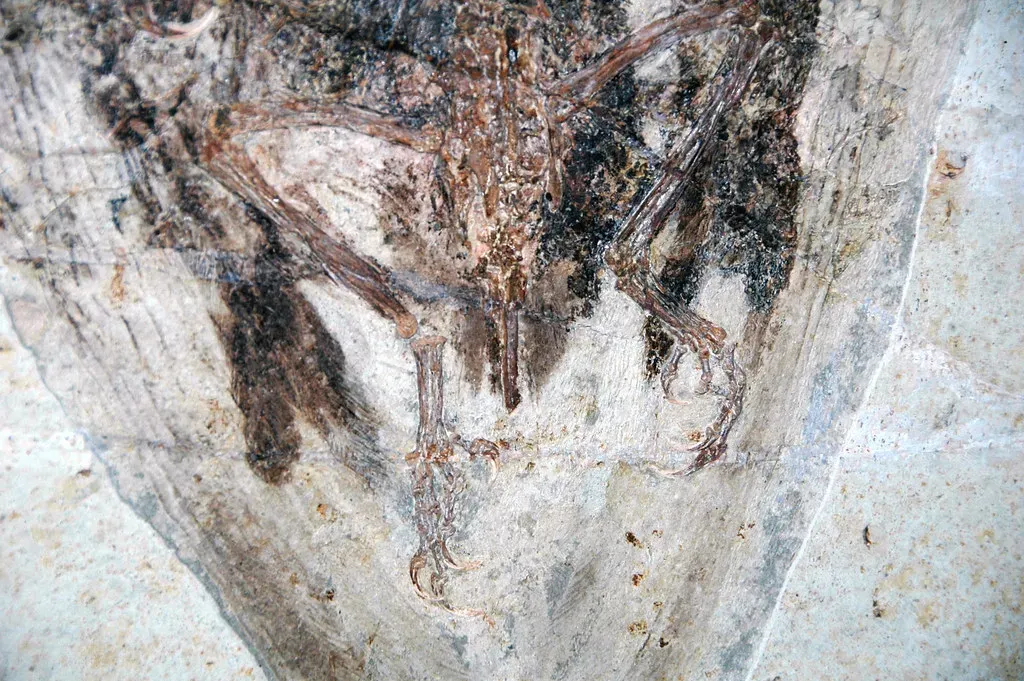
Liaoning is not just about a few flashy dinosaur skeletons with feathers; it is about an entire ecosystem frozen in astonishing detail. The Jehol Biota – which includes the Yixian and Jiufotang formations and related deposits in neighboring provinces – captures forests of conifers and ginkgos, lakes full of fish, dragonflies and beetles, salamanders, turtles, and small mammals scurrying underfoot. Dinosaurs, birds, and pterosaurs glide, climb, and hunt in this picture, but they are only part of an intricate web of life.
This ecosystem was preserved so exquisitely thanks to a mix of quiet lakes and sudden volcanic events. Fine volcanic ash and lake mud repeatedly buried animals and plants in low‑oxygen conditions, slowing decay and locking in fragile structures like feathers, skin outlines, and even stomach contents. Because of that, researchers can do things that once sounded like science fiction: infer dinosaur sleeping postures, identify seeds inside fossil bird bellies, and analyze microscopic pigment bodies in feathers to reconstruct color patterns. Liaoning turned the Jehol Biota into one of the few fossil windows where paleontology can feel almost like field biology in deep time.
The Science That Upended Old Ideas About Dinosaurs and Birds
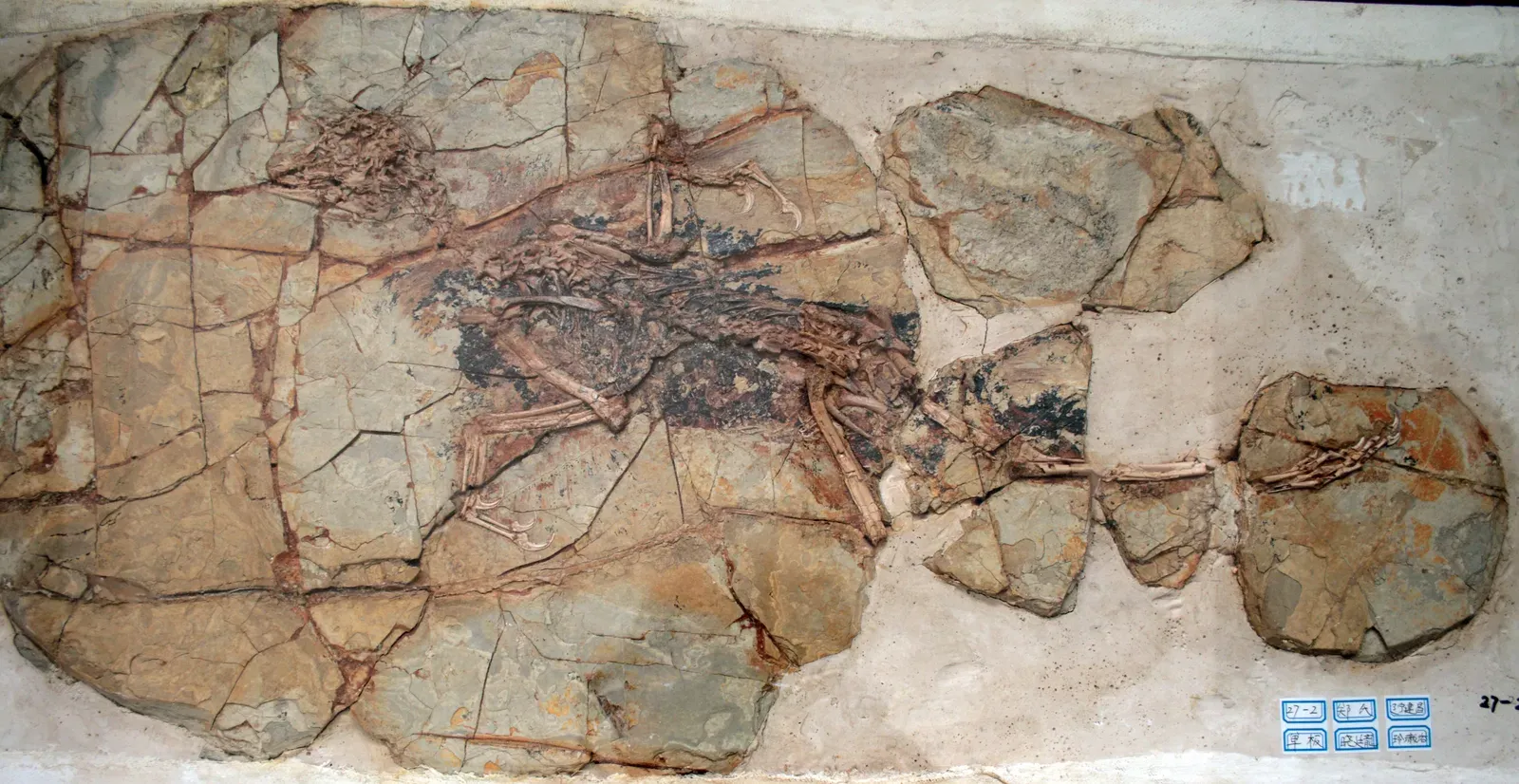
Before Liaoning’s feathered dinosaurs hit the scene, the debate over whether birds descended from theropod dinosaurs was intense and sometimes bitter. Archaeopteryx from Germany was the poster child, but skeptics argued it might not really be a dinosaur or that feathers were a rare exception. The Liaoning fossils smashed those escape routes. Here were numerous small theropods – not just one oddball – with clear feather‑like or fully feathered coverings, some incredibly close to the bird lineage, others farther out on the dinosaur family tree.
Studies of these fossils have reshaped more than just the dinosaur‑bird connection. They show that simple filamentous feathers likely evolved early, possibly near the base of dinosaur evolution, and then diversified into complex, vaned feathers with aerodynamic capabilities. Some species, including so‑called four‑winged dinosaurs, carried long feathers on both arms and legs, suggesting that gliding and experimental forms of flight evolved in stages rather than in one clean jump. On top of that, research into feather pigments from Liaoning fossils has revealed banded tails, countershading, and patterns that would not be out of place on modern birds, reinforcing the idea that dinosaurs were visually complex, behaviorally sophisticated animals, not dull, monochrome reptiles.
Ethics, Black Markets, and the Cost of Late Recognition
There is a darker side to the Liaoning story. Once word spread that the province was producing world‑class fossils, prices rose and a lively trade – legal and illegal – flourished. Fossils moved through middlemen, were shipped to private buyers, and sometimes ended up in foreign collections with murky origins. A few spectacular specimens later surfaced in museums only after long battles over legality, provenance, and possible forgery. For scientists, each lost or altered fossil is not just a missing object but a missing data point that could have helped reconstruct ancient ecosystems and evolutionary steps.
At the same time, Chinese authorities and scientific institutions worked to bring more of the process under formal control. Official excavations expanded, local museums grew, and regulations tightened around fossil export. But the reality on the ground is messy: fossils still represent a lifeline income for many rural families. From my perspective, the uncomfortable truth is that science arrived late and only partly changed the rules. For decades, the global research community benefited from fossils that villagers found outside formal systems, yet those same villagers have often been treated as a problem rather than as partners. If Liaoning has taught us anything, it is that scientific ethics cannot stop at the lab door; they need to account for the people living on top of the rocks we prize.
What Liaoning Tells Us About Chance, Curiosity, and Who Gets Credit
One reason Liaoning hits me so hard is that it exposes how fragile our scientific stories really are. If those particular lake beds had not been laid down with volcanic ash at just the right time, feathers would have decayed and vanished, and we might still be arguing over whether most dinosaurs were scaly or fuzzy. If local farmers had not realized that those slabs of stone could be sold, many of the key fossils might still be underground. If a handful of paleontologists had not been curious enough to look past the chaos of the fossil trade, the global community might have dismissed these finds as curios for collectors.
Yet when the story is told, the spotlight usually falls on the named scientists and the big research institutions. We celebrate the dramatic Nature papers and the museum displays, but we rarely acknowledge the chain of hands that carried each fossil from a cold hillside to the glass case. To me, Liaoning is a reminder that science is not just a tale of pure reason and heroic experts; it is also a story of chance encounters, economic desperation, and quiet, practical knowledge held by people who will never see their names on a journal article. We ignore that at our own peril, because it blinds us to where the next Liaoning might appear, and who we will need to listen to when it does.
Conclusion: The Province That Forced Us to See Dinosaurs – and Science – Differently
Liaoning did more than put feathers on dinosaurs; it stripped the old paint off our entire mental image of the Mesozoic. Dinosaurs were not just lumbering, scaly monsters but dynamic, often fuzzy animals, some with flamboyant crests and complex plumage, living in rich ecosystems full of birds, mammals, insects, and flowering plants. The Jehol Biota turned textbooks upside down and made the dinosaur‑to‑bird transition feel vivid and inevitable rather than speculative and hazy. In that sense, Liaoning deserves its reputation as one of the most important fossil regions ever discovered.
But I think the deeper legacy of Liaoning is more uncomfortable and more important: it shows how long science can overlook what is right in front of it, especially when discoveries are happening far from wealthy institutions and familiar power centers. For years, locals in Liaoning were unearthing the very fossils that would transform global understanding, while the broader scientific world barely looked their way. My opinion is that future revolutions in paleontology – and in other sciences – will depend less on one more clever theory and more on learning to share credit, resources, and decision‑making with the communities standing on top of the next great fossil beds. The real question is, when another Liaoning appears, will we recognize it in time, and will we handle it any better?