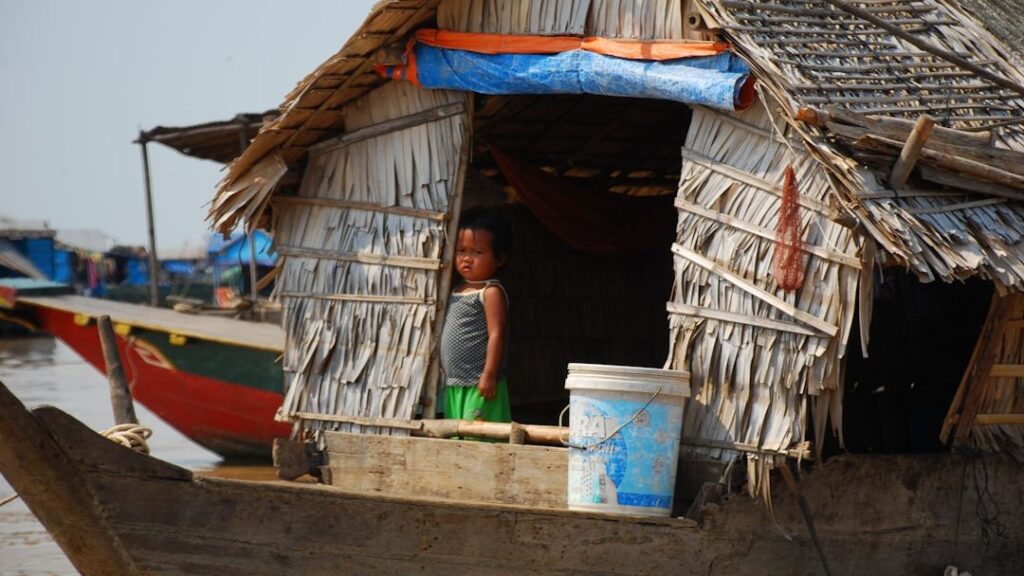
Tonle Sap, Cambodia – Each dry season the lake shrinks and its surrounding mangroves dry into brittle fuel. The change leaves more than a million residents who rely on the water and trees for food and income facing repeated fire threats. A recent study documented the steady loss of these flooded forests, prompting local action backed by satellite technology.
Seasonal Fires Threaten a Vital Ecosystem
The flooded forest around Tonle Sap serves as a nursery for fish that sustain the entire region. When the forest remains intact, fish populations thrive and support fishing families year after year. Once fires take hold, breeding grounds vanish and catches decline sharply. Records show that nearly one third of floodplain forests in the area disappeared between 1993 and 2017. Conversion to farmland and uncontrolled fires account for most of the damage. The pattern repeats annually from January through June as receding waters expose dry roots and leaf litter.
Community Members Train as First Responders
Seventy eight residents, including longtime fisher Luon Chanleng, completed specialized firefighter training. They now patrol the shoreline and respond quickly when flames appear. Their efforts focus on containing small fires before they spread across large sections of the forest. “When the forest is healthy, fish can breed and grow,” Chanleng said. “But if the forest burns, the fish disappear – and that affects the livelihoods of our whole community. I can’t imagine our life without the forest.”
Satellite Alerts Speed Up Response Times
The team receives real time wildfire notifications from satellites through the U.S. based nonprofit Conservation International. Alerts reach patrol members within minutes, allowing them to reach ignition points while flames remain manageable. This system replaces slower traditional reporting methods that often arrived too late. Project director Zeb Hogan of the Wonders of the Mekong initiative noted that agriculture expansion and fires drive most forest loss. Satellite monitoring directly targets the fire component by giving communities advance warning. Early intervention has already reduced the size of several recent burns.
Long Term Stakes for Regional Food Security
Healthy flooded forests underpin fish stocks that feed both local households and distant markets. Continued protection therefore supports nutrition and income for families who have depended on the lake for generations. Without sustained action, further forest decline could deepen economic pressure across the basin.
What matters now
- Seventy eight trained community firefighters now patrol the lake
- Satellite alerts reach teams within minutes of detection
- One third of floodplain forests lost since 1993
- Protection efforts focus on both fires and agricultural conversion
The combination of local knowledge and modern monitoring offers a practical model for other shrinking wetlands. Continued support for these patrols could help preserve the ecological balance that has sustained Tonle Sap communities for centuries.