If you grew up picturing dinosaurs as lonely, mindless monsters stomping around on their own, you’re in for a surprise. Over the last few decades, fossil discoveries have quietly rewritten that old movie image, revealing animals that nested, cared for their young, and sometimes lived in tight-knit groups. Instead of cold, distant reptiles, you’re now looking at creatures with lives that, in some ways, feel oddly familiar.
When you dig into the evidence, you start to see patterns: organized nesting grounds, adults guarding eggs, herds moving together, and even youngsters sticking close to parents or age-mates. You cannot time-travel back to watch a dinosaur family breakfast, but the clues locked in bone beds, eggs, and trackways give you a surprisingly vivid glimpse. Once you see those clues, it becomes very hard to believe these animals were just solitary brutes.
Evidence That Dinosaurs Nested, Not Just Laid Eggs and Left
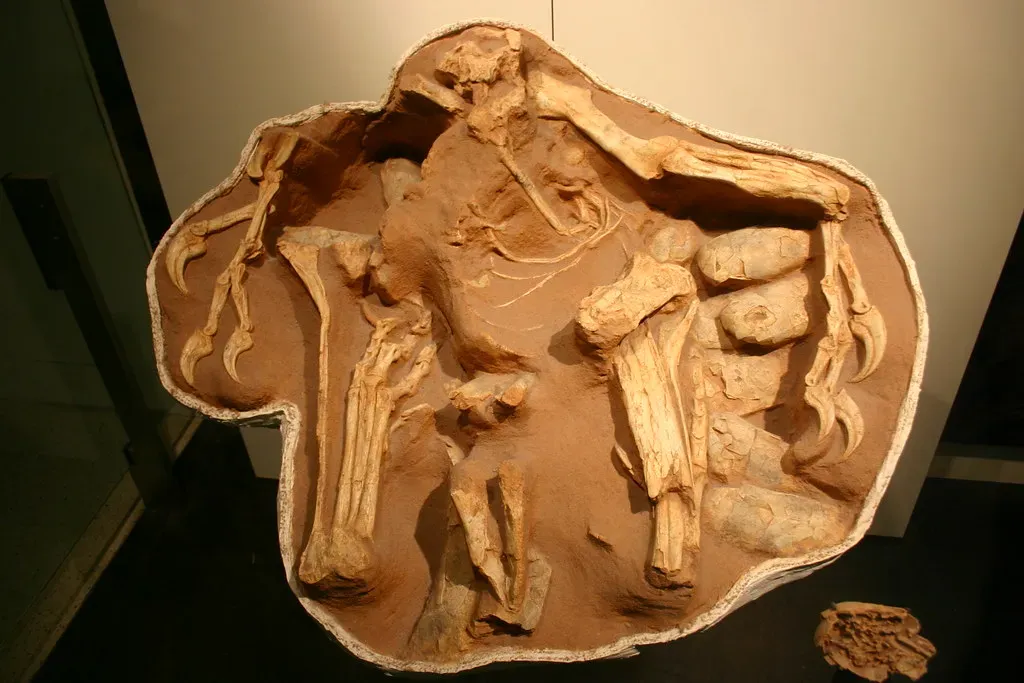
One of the most striking signs of dinosaur family life shows up in the ground itself: nests. In several fossil sites, you find clusters of eggs laid in neat arrangements rather than scattered at random, suggesting you’re looking at deliberate nesting behavior. Some nests even show multiple layers of eggs, implying that certain dinosaurs came back to the same spot year after year, the way many modern birds do.
In a few famous finds, eggs are preserved inside bowl-shaped depressions with clear boundaries, hinting that the parents prepared or at least reused nesting areas. You also see traces of plant material and sediment patterns that suggest nests were sometimes lined or carefully positioned, perhaps to help with temperature control or protection. When you picture that, you’re no longer imagining an animal that just drops eggs and walks off; you’re seeing one that invests time and effort in where its offspring begin life.
Fossilized “Family Scenes” That Freeze Social Life in Stone
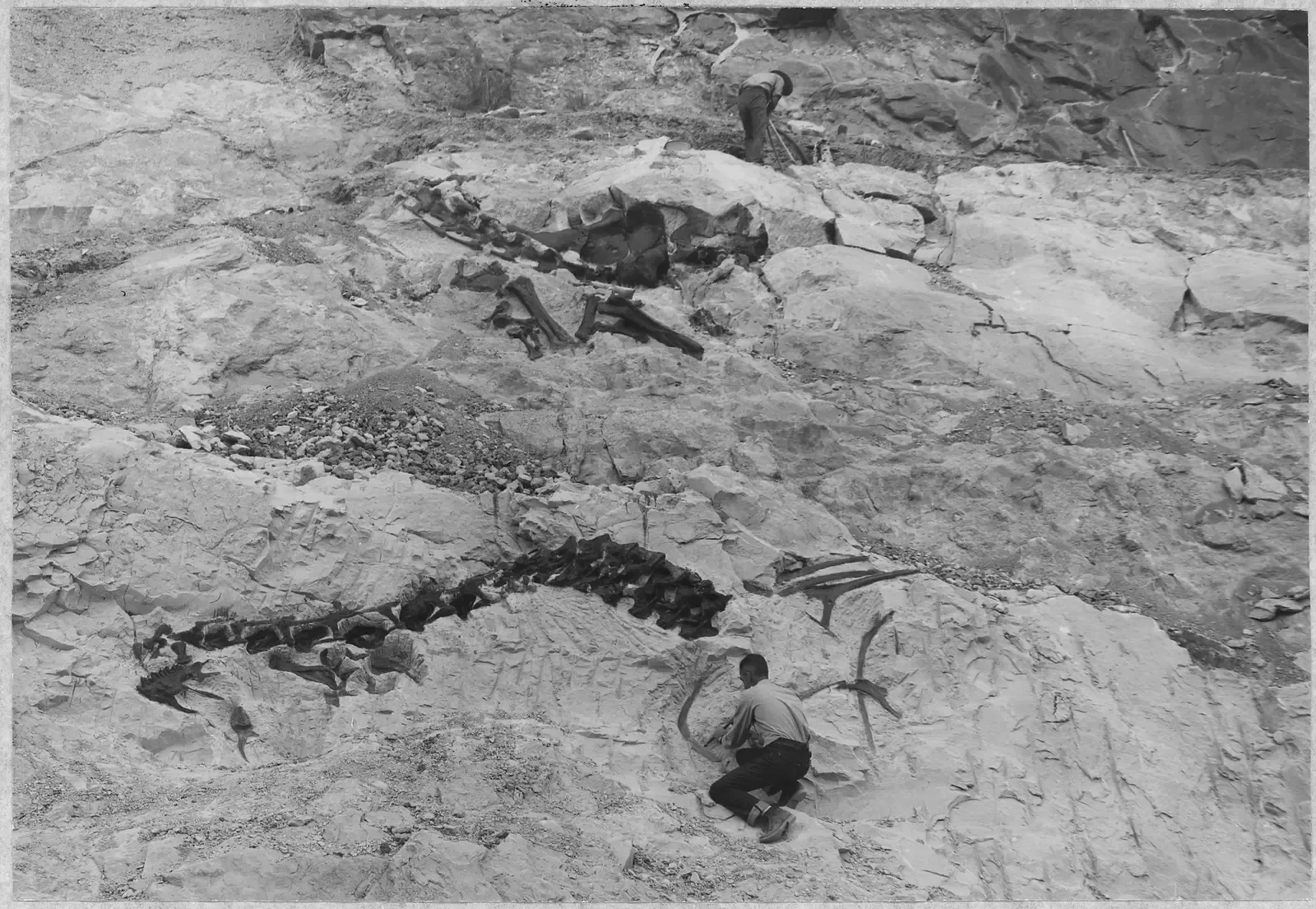
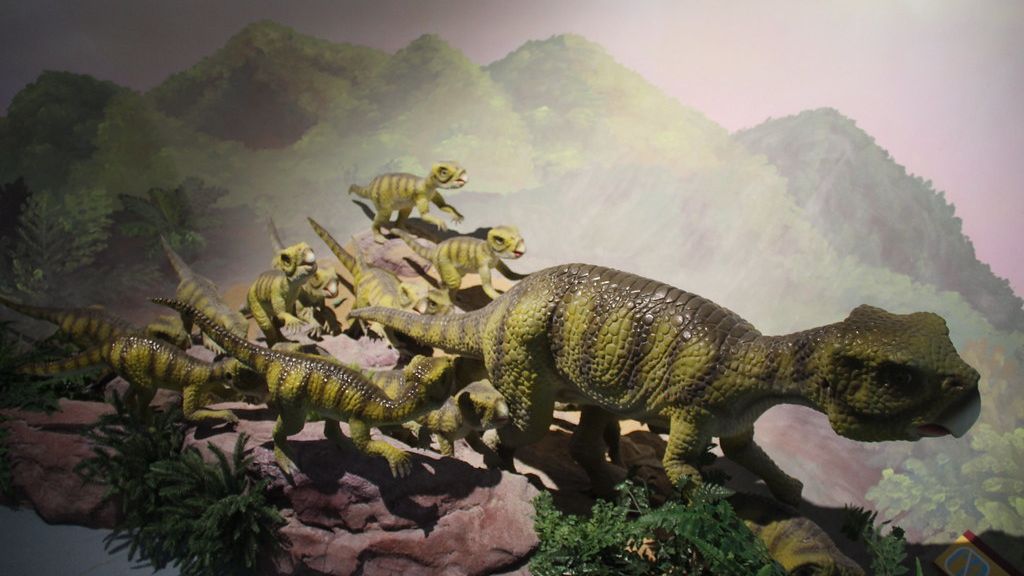
Some of the most emotional evidence comes from fossils that capture dinosaurs together in death, the way they likely lived. You find bone beds with many individuals of the same species, often of different ages, preserved in one place, suggesting they formed herds or social groups. In a few cases, smaller juveniles are discovered close to larger adults, hinting that young dinosaurs did not always fend for themselves from day one.
You also see trackways – series of fossil footprints – that tell a similar story. At certain sites, parallel tracks from multiple individuals move in the same direction, at similar speeds, like a group walking together rather than a random crowd. Sometimes smaller footprints run alongside bigger ones, which you can reasonably interpret as youngsters traveling with adults. It is almost like stumbling onto a prehistoric family hike, frozen in mud that turned to stone.
Growing Up Dinosaur: Slow Development and Extended Care
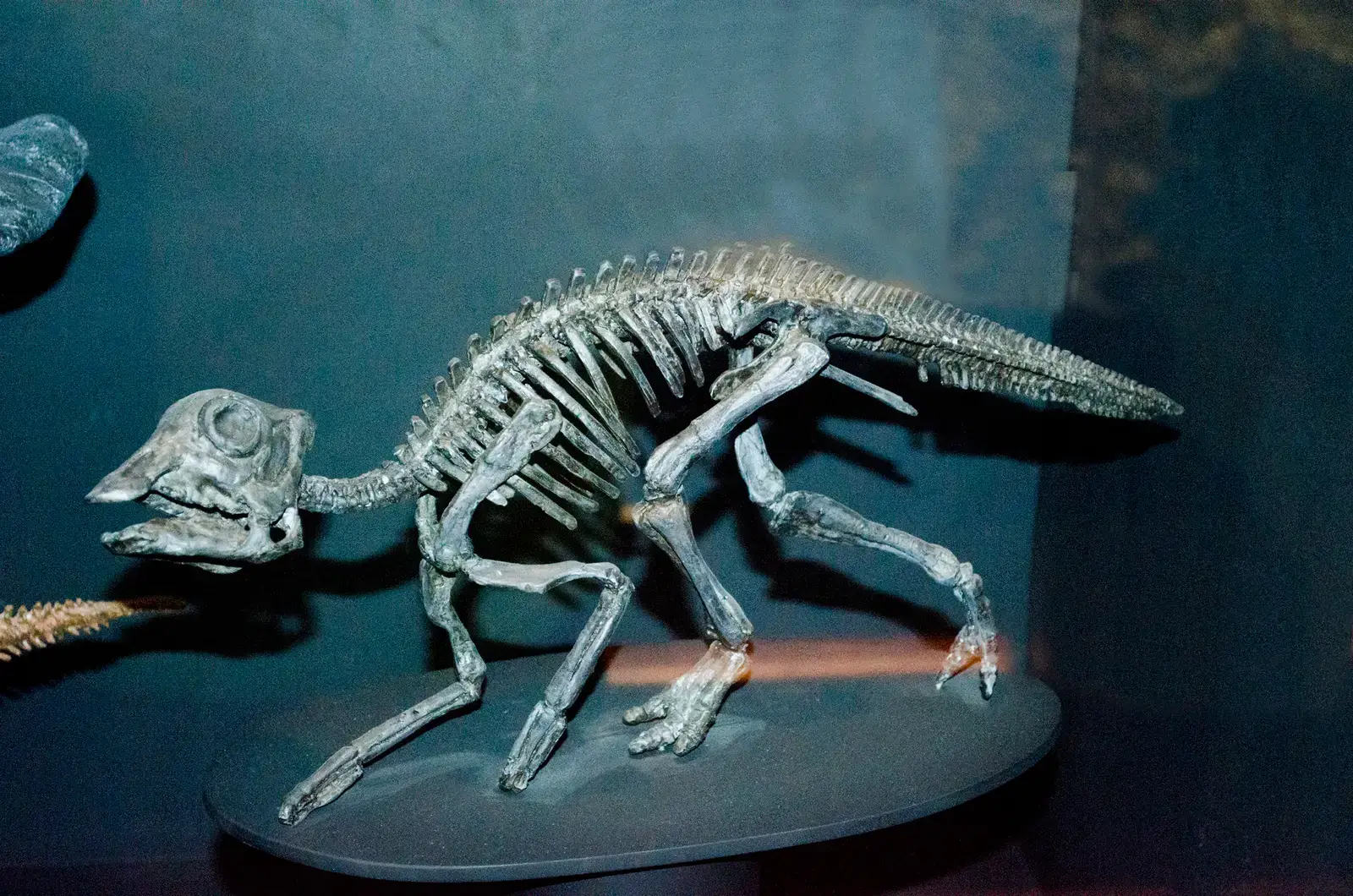
When you look at thin slices of dinosaur bones under a microscope, you can see growth rings and patterns that reveal how fast or slowly an animal matured. For many species, especially larger ones, those patterns suggest a long growing-up period rather than a quick dash to adulthood. A long childhood tends to go hand in hand with at least some parental care, because fragile youngsters are easy targets if left on their own.
Fossilized juveniles found in or near nests, sometimes with signs of limbs that were not yet strong enough for extensive walking, add another piece of the puzzle. That kind of evidence points to hatchlings staying in or near the nest for a while, instead of immediately dispersing. When you combine slow growth, vulnerable young bodies, and clustered nesting, it starts to make much more sense to imagine parents guarding, feeding, or at least protecting their offspring for some time after hatching.
Herds, Hierarchies, and the Power of Moving in Groups
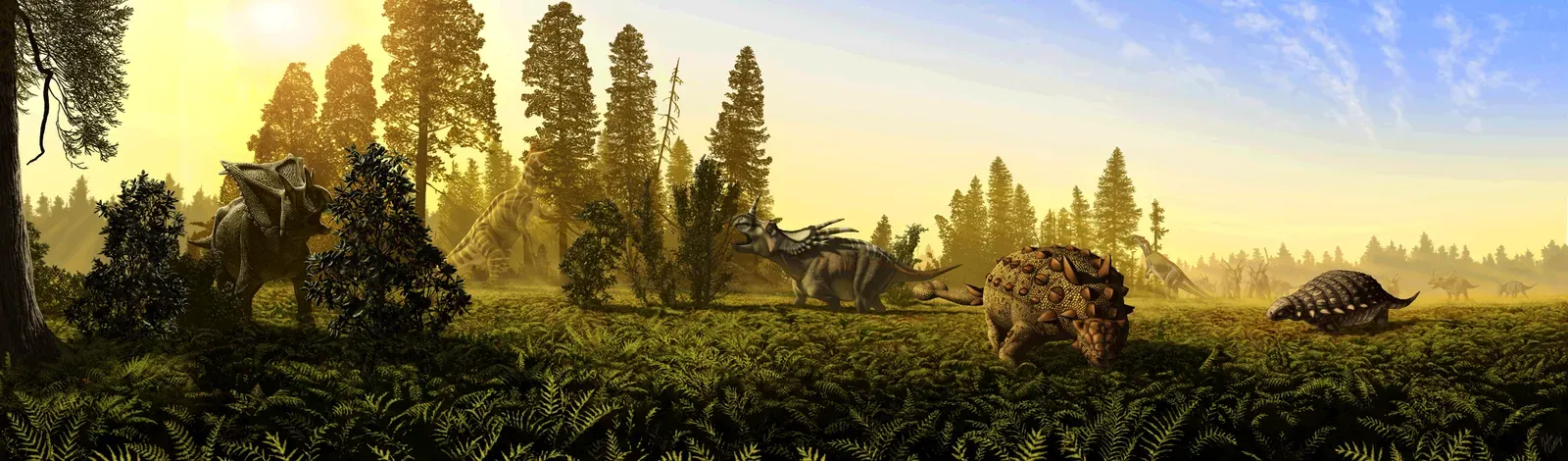
Large bone beds of certain herbivorous dinosaurs suggest that some species lived and perhaps migrated in big groups, much like modern wildebeest or caribou. When you see dozens, sometimes hundreds, of the same species preserved together, often including adults and juveniles, the simplest explanation is that they moved as a herd. For you, that means imagining dinosaurs not as loners, but as animals that relied on safety in numbers.
Group living usually brings some kind of structure, whether it is loose or strict. While you cannot map out a detailed dinosaur social ladder, you can reasonably infer that large, dangerous animals living side by side needed ways to avoid constant conflict. Differences in body size, horn or crest development, and healed injuries point toward social interactions that might include displays, dominance, or cooperation. When you picture a herd on the move, you can imagine older, experienced individuals influencing where the group goes, much as you see in many flocking or herding animals today.
Birds and Crocodiles: Your Living Clues to Dinosaur Parenting
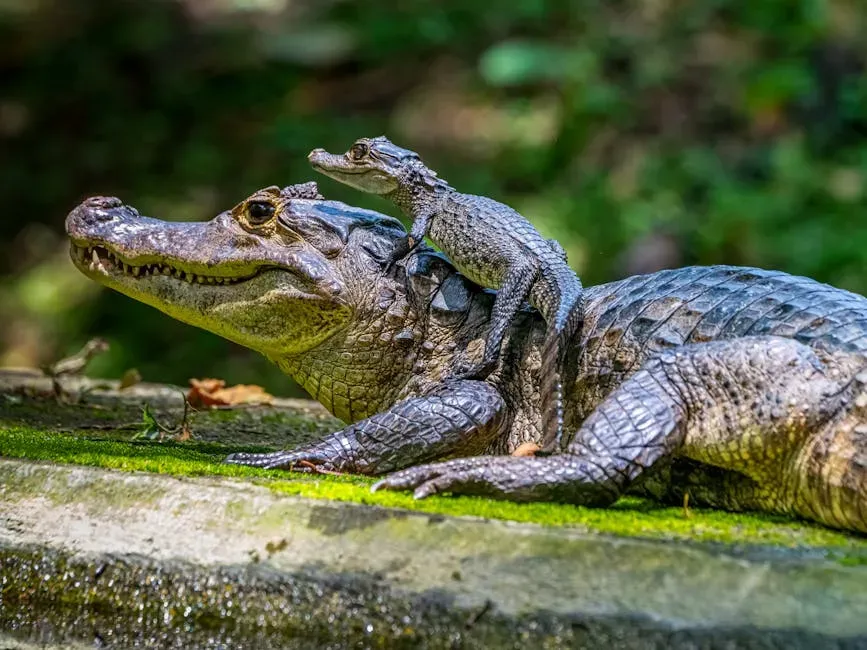
You do not have to rely on fossils alone to guess how dinosaur parenting might have worked; you can also look at their closest living relatives. Birds, which are direct descendants of certain dinosaur groups, show an impressive range of parental care, from incubating eggs to feeding and protecting chicks for extended periods. Crocodilians, which share a more distant common ancestor, also guard nests, move hatchlings gently in their mouths, and respond to baby calls.
When two branches of the family tree both show significant parental behavior, it becomes reasonable for you to suspect that at least some of those traits were present in their ancient relatives. Add that to the fossil evidence of nests, brooding postures, and juveniles in or near nesting sites, and you get a consistent picture: many dinosaurs were not indifferent parents. Instead, you are looking at animals whose family lives probably mattered a great deal to their survival.
Why Dinosaur Social Lives Change How You See Prehistory
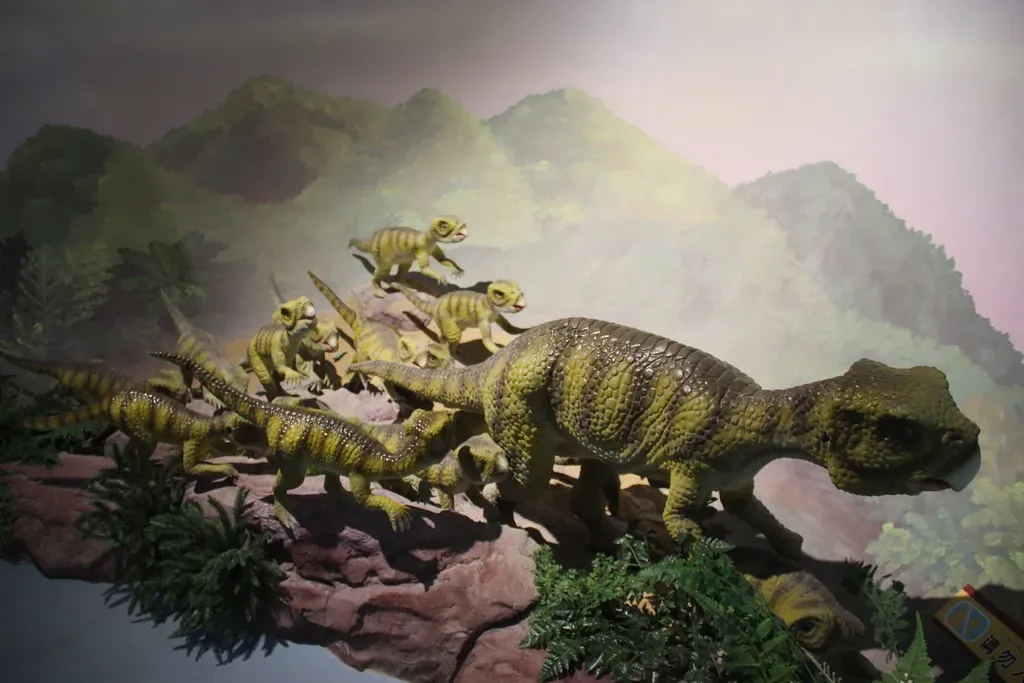
Once you accept that many dinosaurs had , the prehistoric world stops feeling like a simple arena of endless combat. Instead, you start to picture quieter moments: adults defending nest mounds, groups moving together toward seasonal feeding grounds, hatchlings peeking out from under a parent’s body. That mental shift changes not just how you see dinosaurs, but how you think about the deep history of social behavior in animals.
This perspective also helps you connect more personally to creatures that lived tens of millions of years ago. You might still be awed by their size and power, but now you can also imagine familiar emotions – protection, bonding, maybe even something like teaching – playing out in those ancient landscapes. In a sense, the distance between you and them shrinks, reminding you that caring for offspring and relying on others are not just modern traits, but forces that have shaped life for a very long time.
When you pull all of this together – the nests, the bone beds, the trackways, the growth patterns, and the parallels with living relatives – you end up with a richer, more nuanced picture of dinosaur life. You are no longer just watching monsters roam; you are watching families, herds, and social groups navigate a dangerous world. That makes prehistory feel less like a distant, alien story and more like an earlier chapter in patterns of life you still see today. Knowing that, how differently do you imagine a dinosaur now?