Earth has been receiving cosmic visitors for billions of years, and these messengers from space carry more than just rocky material. They bring with them the most exotic gifts imaginable – elements and minerals that don’t exist anywhere on our planet. These alien substances, forged in the depths of space under conditions impossible to replicate on Earth, are revolutionizing our understanding of the cosmos and potentially holding keys to life itself.
The El Ali Meteorite: A Cosmic Treasure Trove
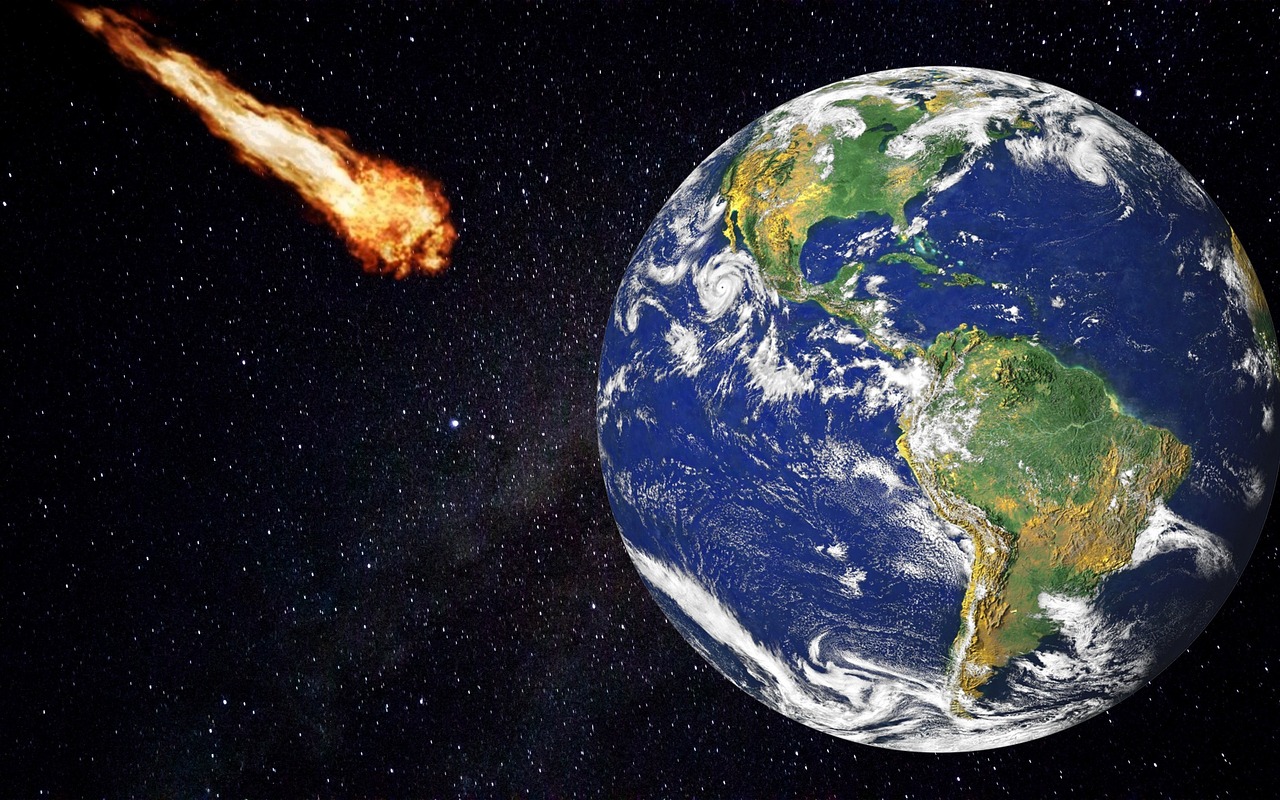
Known as the El Ali meteorite, this hunk of metal plunged through Earth’s atmosphere at some unknown date in the past and brought with it at least three minerals not found naturally on Earth. This massive space rock, weighing over thirty-three thousand pounds, had been sitting in Somalia for generations before scientists realized what an incredible treasure it represented.
Local camel herders had known about this boulder for generations, using its metallic surface as an anvil to sharpen their blades. What they didn’t know was that they were hammering away on one of the most scientifically valuable objects on the continent. Many of those meteoritic minerals are truly alien – some thirty percent don’t form naturally on Earth.
Discovering Earth’s Impossible Minerals
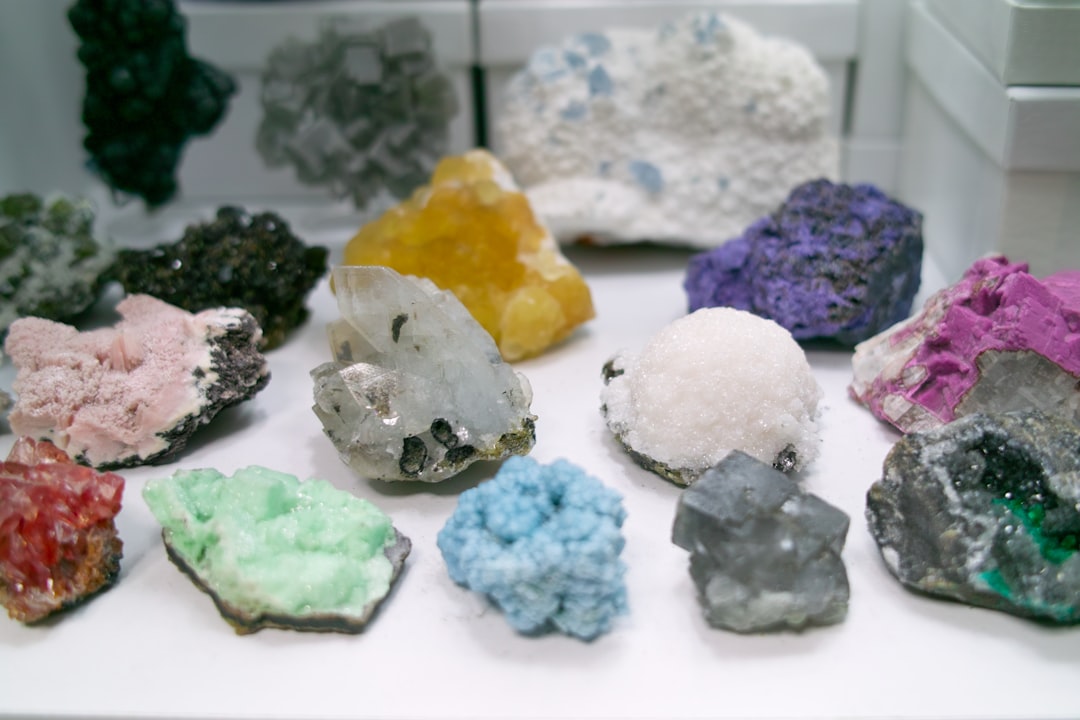
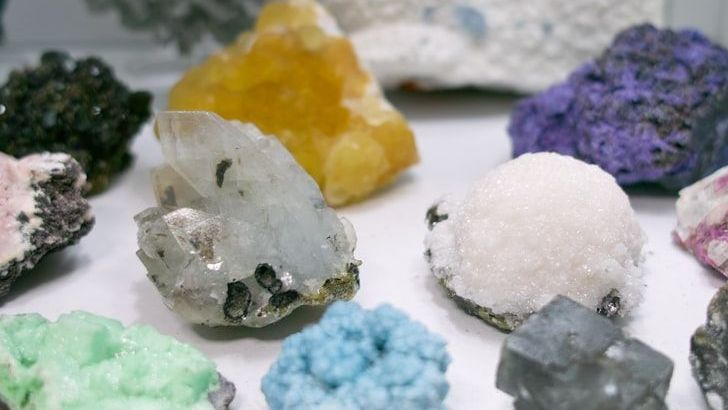
Earth has roughly 5,800 minerals, while only about 480 have been found in meteorites, and many of those meteoritic minerals are truly alien – some thirty percent don’t form naturally on Earth. This staggering difference reveals how unique Earth’s geological processes are compared to the vast cosmic laboratory beyond our atmosphere.
In 2019, scientists in the United States, Germany, and Russia released a meteorite minerals catalog containing more than 500 minerals, about 70 of which are not found on Earth or have unusual properties, and this catalog is constantly updated. Each discovery adds another piece to the cosmic puzzle, revealing conditions and processes that simply cannot occur in Earth’s relatively stable environment.
The Formation of Alien Minerals
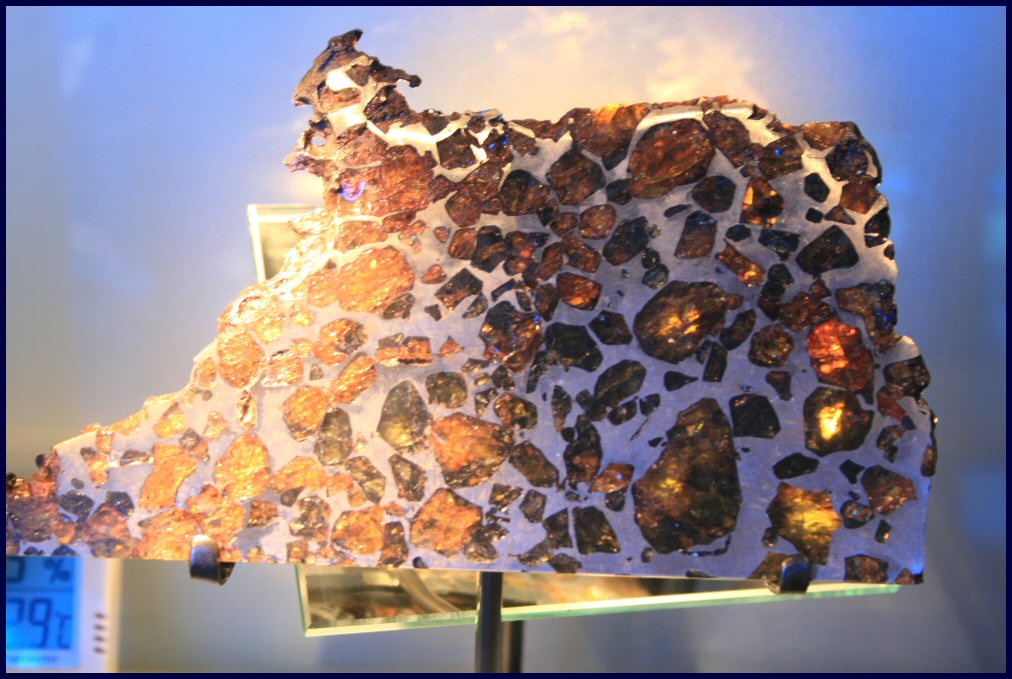
As the molten metal of a meteorite slowly cools and solidifies, different minerals crystallize at different times, which leaves behind certain “incompatible” elements that concentrate in the dwindling pool of liquid, and the new minerals formed when almost all the metal had already cooled and just tiny molten blobs remained. This process creates mineralogical conditions impossible to achieve naturally on Earth.
The cooling environments these meteorites experienced were unlike anything our planet has ever known. The material found in meteorites is a combination of two base metals, nickel and iron, which were cooled over millions of years as meteoroids and asteroids tumbled through space. This incredibly slow cooling process, taking place in the vacuum of space, allows for crystal structures that would be destroyed by Earth’s active geological processes.
Wedderburn’s Impossible Iron Carbide
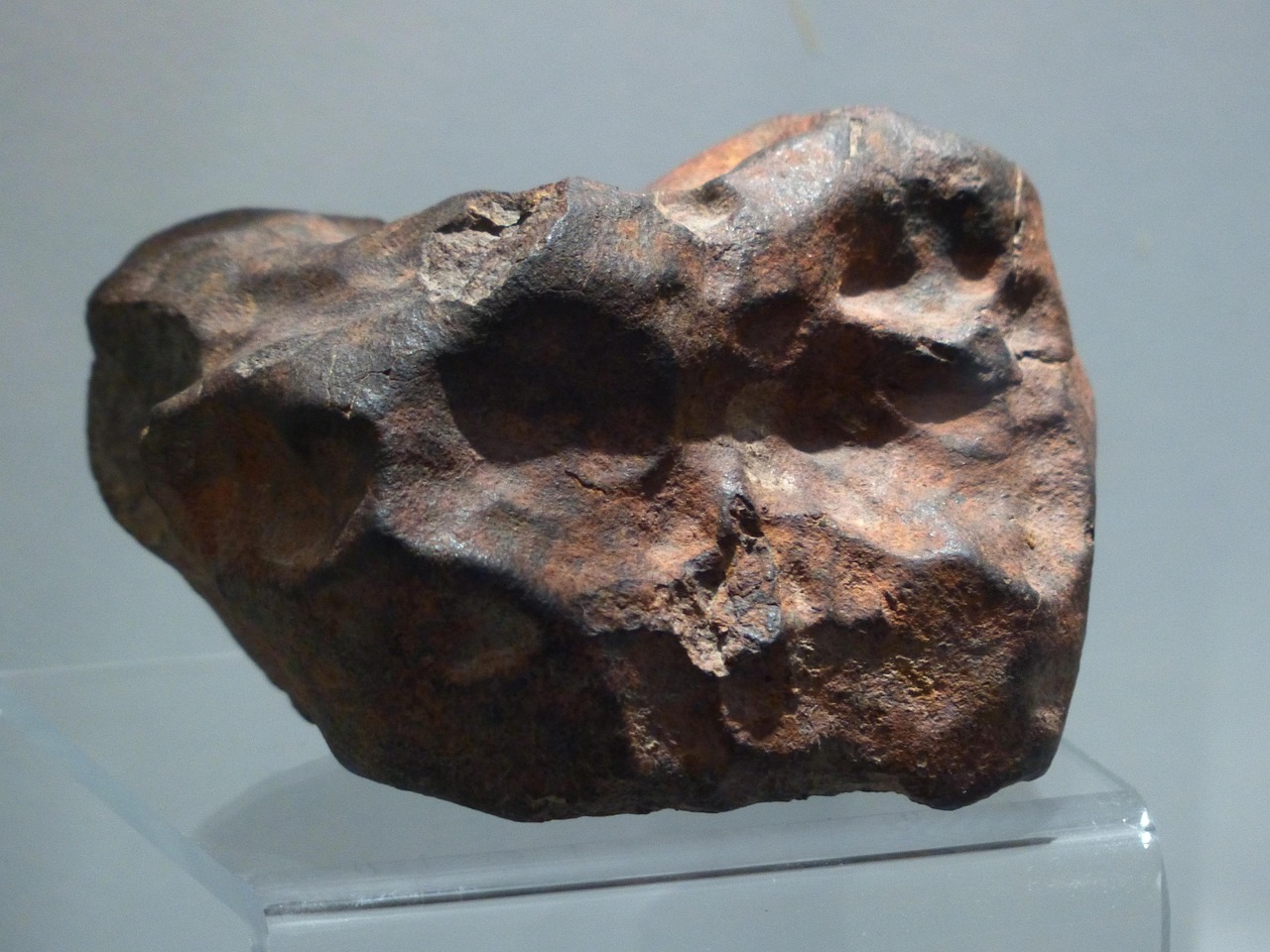
The Wedderburn meteorite was first discovered in 1951 near Wedderburn in Victoria, Australia, and when it was first found, the rock was “lemon-sized” and weighed 210 grams. For decades, this seemingly ordinary space rock sat in collections, hiding one of Earth’s most extraordinary secrets.
The Wedderburn Meteorite was discovered in 1951, but it wasn’t until decades later that it was revealed to have a new iron carbide mineral dubbed ‘Edscottite’ or Fe5C2, and as the Wedderburn Meteorite is about the size of a lemon and the only known source of Fe5C2, it may be the rarest mineral in the world. This discovery demonstrates how even small meteorites can contain materials of extraordinary rarity and scientific value.
Cosmic Crystals and Quasicrystals
A rare and exotic mineral, so unusual that it was thought impossible to exist, came to Earth on a meteorite, according to an international team of researchers led by Princeton University scientists, and the discovery provides evidence for the extraterrestrial origins of the world’s only known sample of a naturally occurring quasicrystal. These materials challenge our fundamental understanding of how matter can organize itself.
Instead of the regularly repeating clusters of atoms seen in most crystals, quasicrystals contain a more subtle and intricate atomic arrangement involving two or more repeating clusters, and as a result, a quasicrystal’s atoms can be arranged in ways that are not commonly found in crystals, such as the shape of a 20-sided icosahedron. This discovery opened up entirely new fields of materials science and physics.
Pre-Solar Grains: Matter Older Than Our Solar System
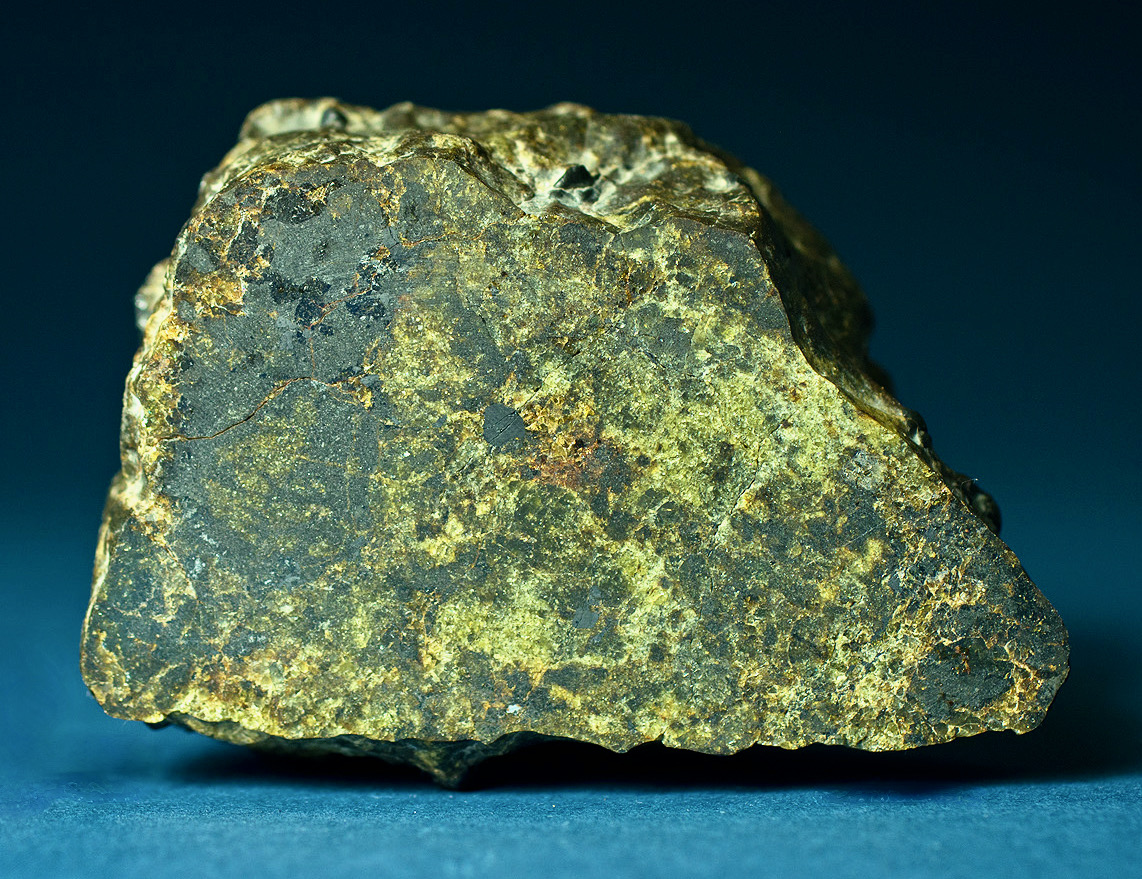
The ancient unheated PAH carbon as well as the phosphides, the metallic aluminum, and the moissanite suggest that Hypatia is an assembly of unchanged pre-solar material, which means matter that existed in space before our Sun, the Earth and the other planets in our solar system were formed. These grains represent the ultimate time capsules, preserving conditions from before our solar system even existed.
The matrix contains a high amount of very specific carbon compounds, called polyaromatic hydrocarbons, or PAH, a major component of interstellar dust, which existed even before our solar system was formed. Finding these compounds intact within meteorites gives scientists an unprecedented glimpse into the chemical composition of the galaxy before our Sun ignited.
Mercury’s Missing Meteorites Finally Found
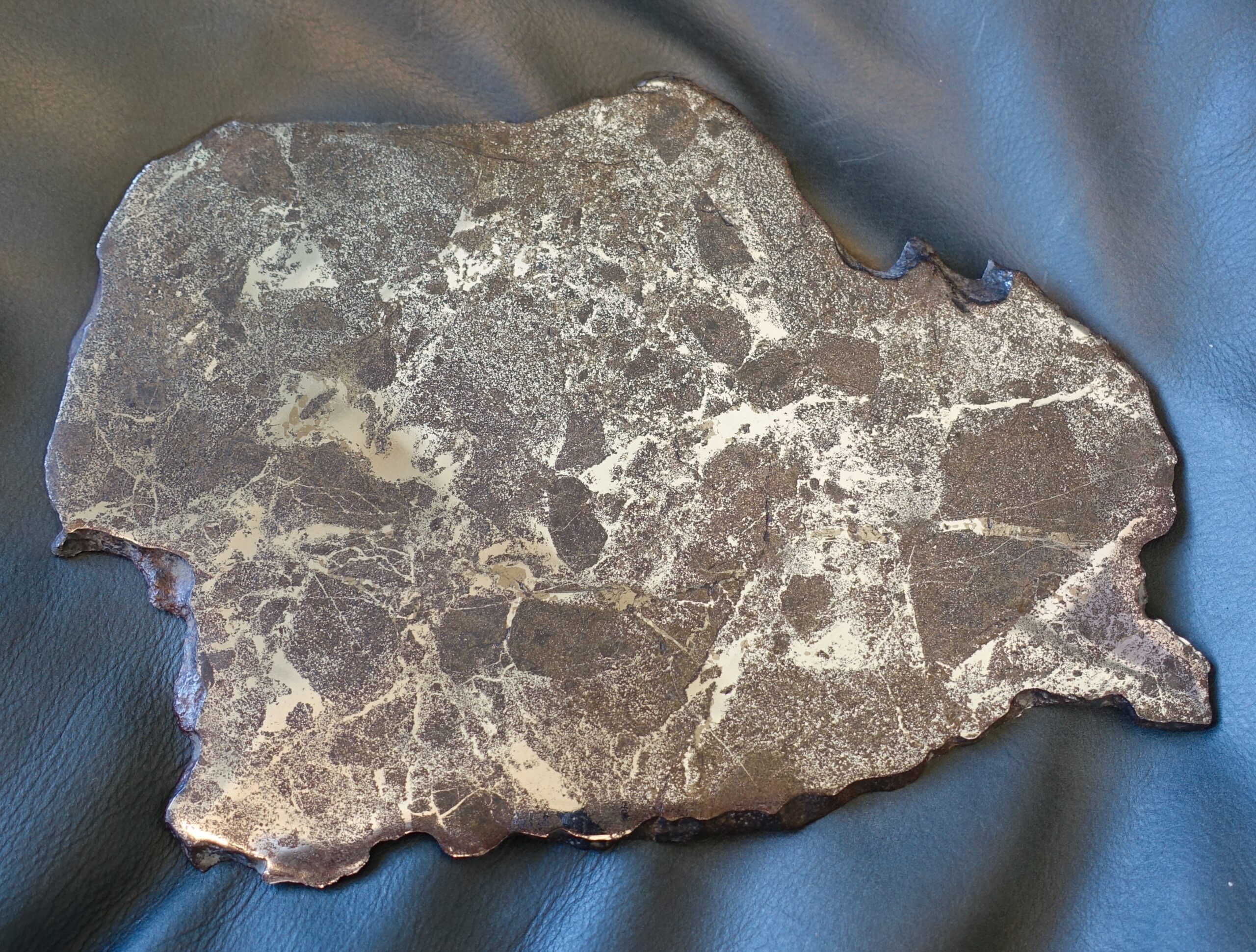
New study my colleagues and I conducted has discovered two meteorites that could have a Mercurian origin, solving one of planetary science’s most intriguing mysteries. For decades, scientists have found meteorites from Mars, the Moon, and asteroids, but Mercury remained elusive.
Because Mercury is so close to the Sun, any space mission to retrieve a sample from there would be complex and costly, so a naturally delivered fragment may be the only practical way to study its surface directly – making such a discovery scientifically invaluable. These potential Mercury meteorites could revolutionize our understanding of the innermost planet’s composition and formation history.
The Cosmic Recipe for Life’s Building Blocks
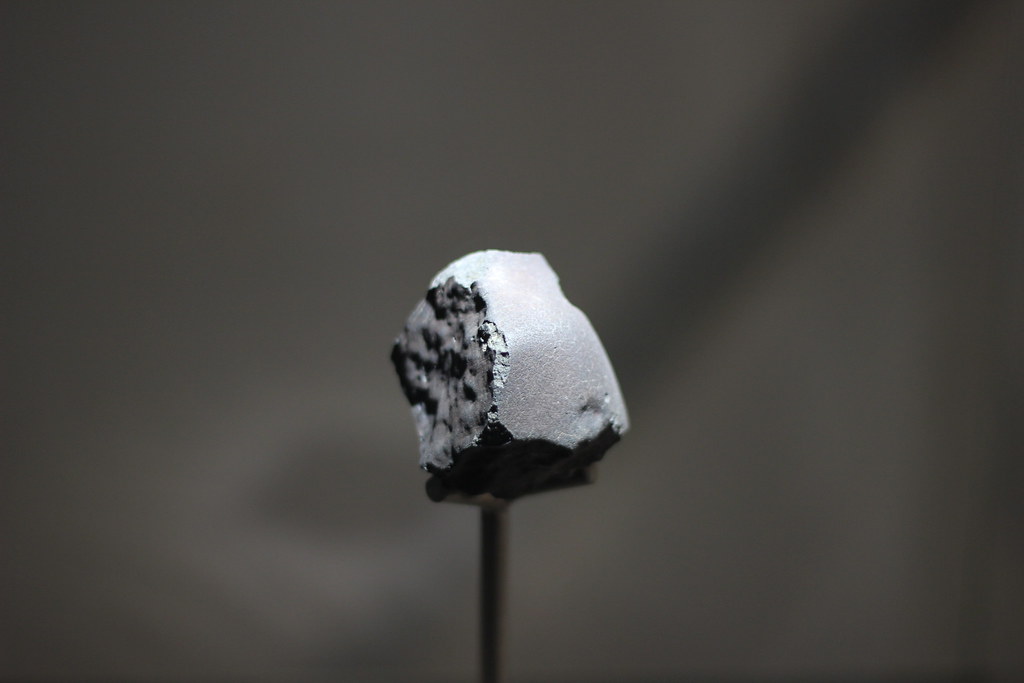
Scientists could sniff out delicate organic compounds long evaporated from older meteorites, hunt not just for amino acids and sugars but also proteins which have long been suspected but never confirmed in a meteorite, and if they were clean and careful, could hedge against criticism by ensuring the molecules discovered inside were native and not contamination from Earth’s own microbes. These discoveries suggest that life’s ingredients were being delivered from space long before Earth could produce them.
Recent analysis suggests there are likely hundreds of different amino acids in some meteorites, far more than the twenty or so that Earth-based life uses. This incredible diversity hints at alternative biochemistries that might be possible elsewhere in the universe, expanding our concept of what life could look like beyond Earth.
The ongoing story of meteorites and their alien elements continues to unfold, challenging our understanding of chemistry, physics, and biology. Each space rock that survives the fiery plunge through Earth’s atmosphere carries with it the potential to rewrite textbooks and expand the boundaries of human knowledge. What other impossible materials are waiting to be discovered in these cosmic messengers? What secrets about the universe’s formation and the potential for life beyond Earth do they still hold?