You probably grew up with the idea that prehistoric humans were stumbling around in caves, barely getting by, and slowly fumbling their way toward civilization. When you look at the latest discoveries, though, that image falls apart fast. Again and again, you see evidence that early humans were curious experimenters, sharp problem-solvers, and surprisingly creative designers who understood materials, tools, and even complex planning on a level that demands respect.
As you walk through the research, you start to realize something a bit unsettling and also inspiring: if you were dropped into their world with nothing but your modern mind, you might not actually do better than they did. In some areas, you would probably struggle to match their ingenuity. From stone tools refined over hundreds of thousands of years to clever ways of using fire, fibers, pigments, and even sound, prehistoric humans were not just surviving; they were inventing.
Stone Tools: More Like Precision Engineering Than “Primitive Rocks”
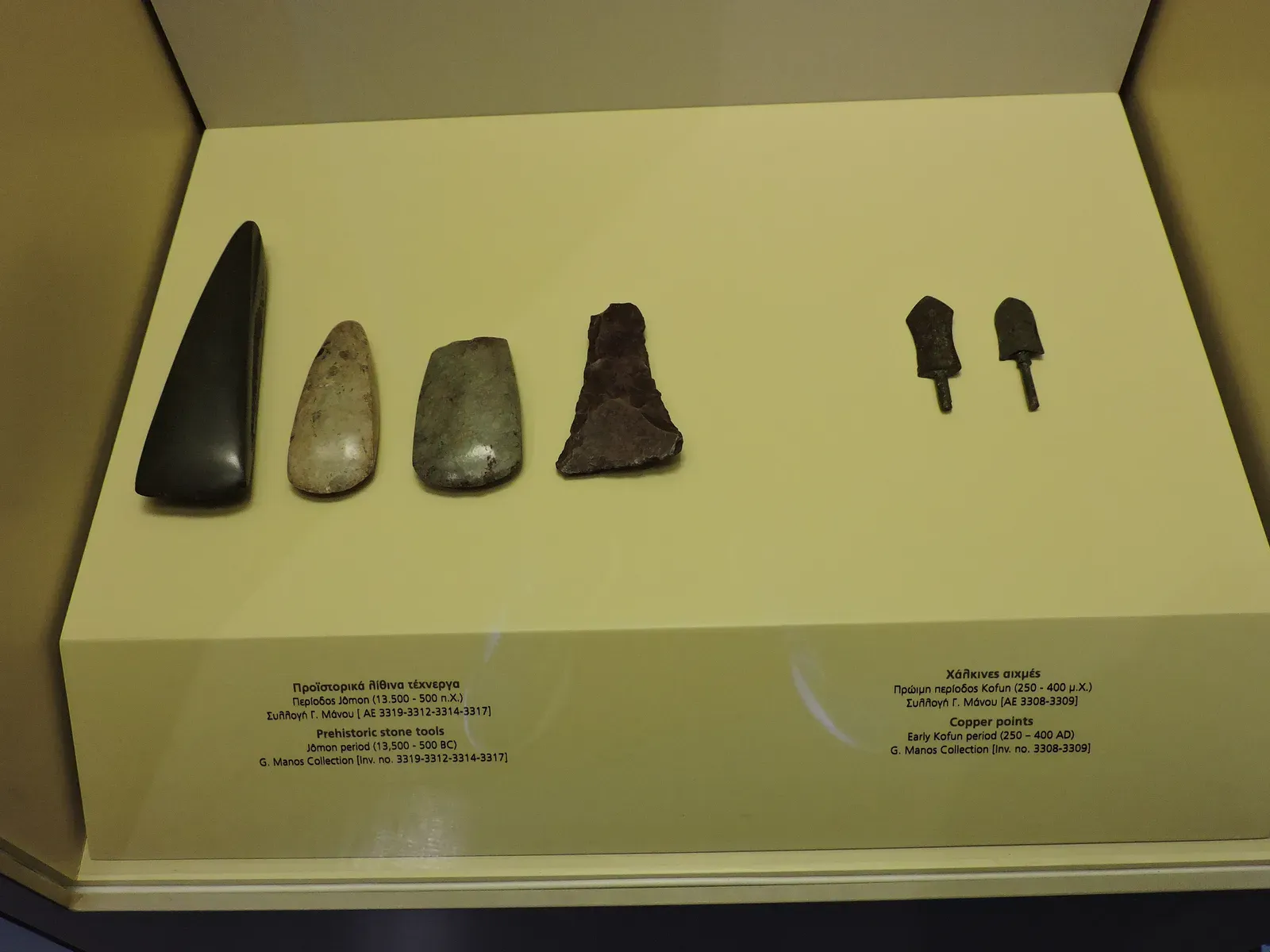
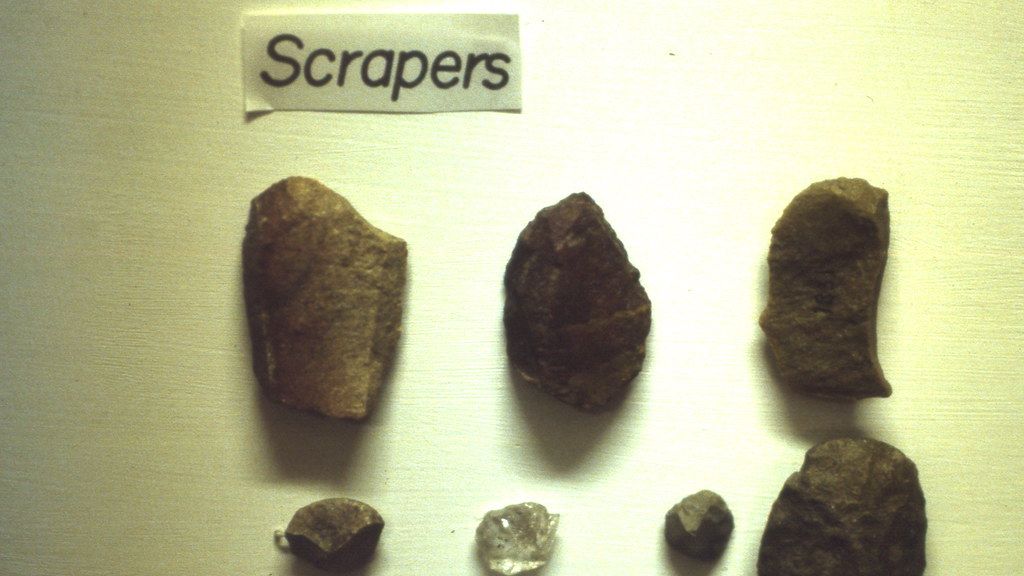
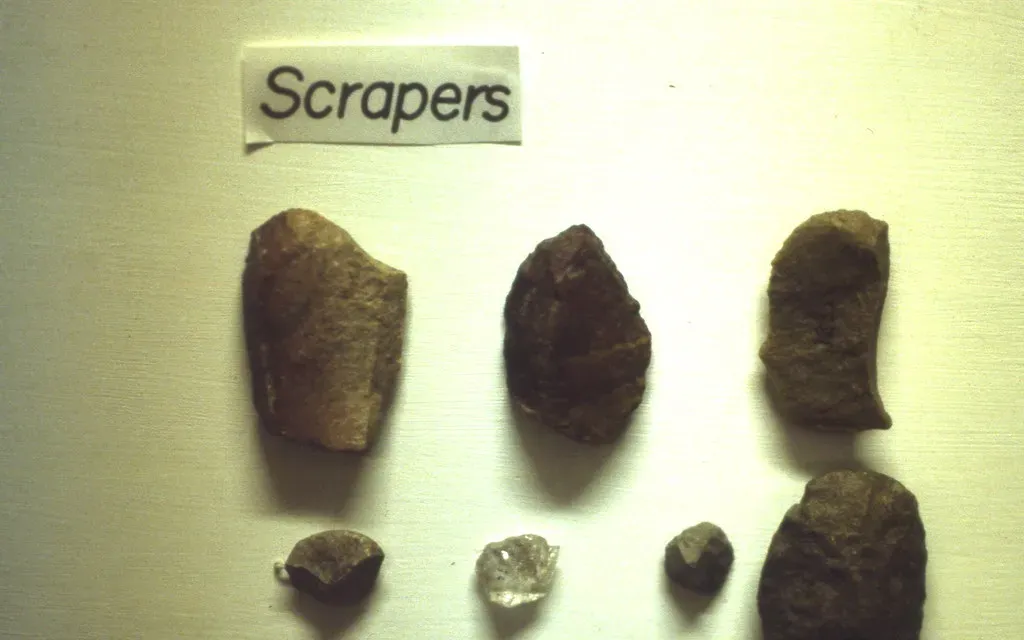
When you picture a stone tool, you might imagine a random sharp rock, roughly smashed into shape. But if you look closely at real prehistoric tools, you start to see patterns, symmetry, and tiny details that show deliberate design choices. You notice how edges are flaked at just the right angle to make cutting easier, how some tools fit naturally into the palm of your hand, and how others are shaped to perform very specific jobs like scraping hides, carving wood, or piercing meat.
Over time, you can follow a kind of technological evolution in stone itself. Earlier tools tend to be bulkier and simpler, while later ones become thinner, lighter, and more efficient, almost like going from a brick of a mobile phone to a sleek smartphone. You see this especially in carefully shaped spear points and blades that would have required planning, patience, and a firm understanding of how the stone would break. You are not just looking at random debris; you are looking at a record of trial and error, shared knowledge, and an unbroken chain of innovation stretching across hundreds of thousands of years.
Fire: From Lucky Lightning Strikes to Controlled Technology

If you have ever tried to start a fire from scratch, you know how hard it is, even with some guidance. Yet prehistoric humans were already treating fire like a reliable tool, not a rare accident. You see ancient hearths where people came back to the same spots again and again, and layers of ash that show repeated burning over long periods of time. This tells you they were controlling fire deliberately – choosing where to place it, how to maintain it, and what to use it for.
Once you see fire as technology, you also start to notice how humans used it as a kind of multi-tool. You find evidence that they used fire to cook food, which makes meat and plants easier to digest and safer to eat. They used it to harden wooden spear tips, to change the properties of stone, and to keep predators at a distance. In a way, you can think of fire as their first all-purpose machine: a portable power source they learned to summon, protect, transport, and pass down through generations like priceless knowledge.
Weapons and Hunting Gear: Smart Solutions for Dangerous Problems
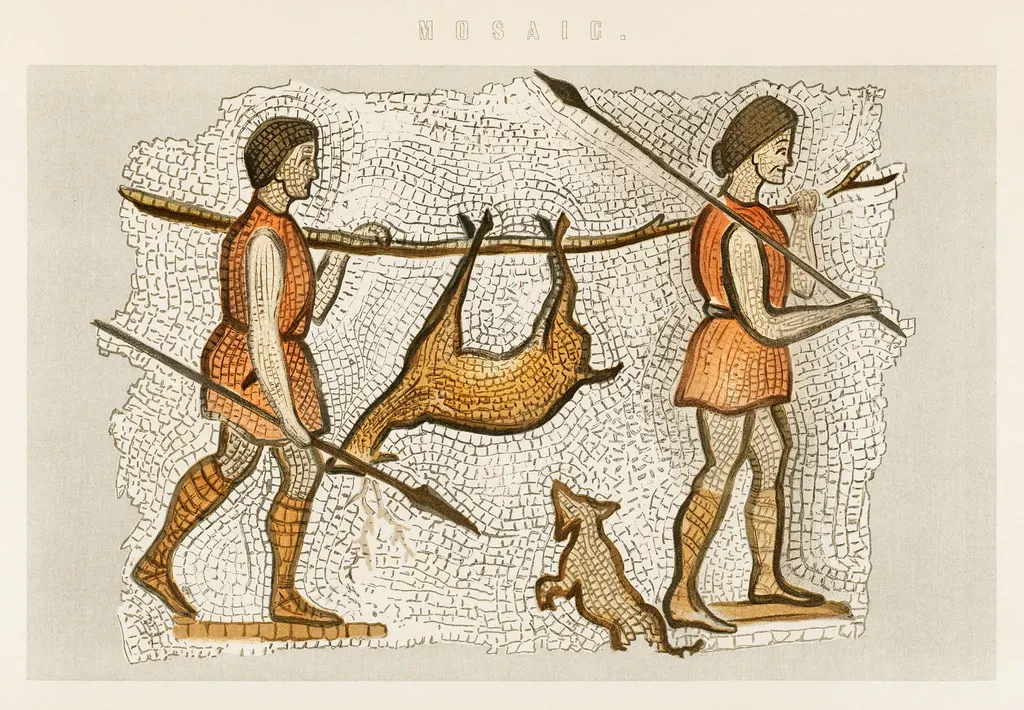
Imagine standing on an open plain with nothing but your bare hands while huge animals roam around you. You would not last very long. Prehistoric humans understood this perfectly, and you see it in the weapons and hunting gear they created. They did not just rely on brute force; they invented tools that extended their reach, increased their safety, and multiplied their effectiveness. Spears, for example, let them attack from a distance, and later on, throwing devices and eventually bows turned their arms into high-powered launchers.
What really strikes you is how these weapons show deep planning and cooperation. A well-balanced spear or a carefully shaped point is not something you throw together at the last second. It demands skill, the right materials, and often teamwork, from gathering raw resources to shaping and attaching the parts securely. When you picture a hunting party using coordinated tactics, timing, and specialized gear, you see early humans acting much more like strategists and engineers than like desperate scavengers.
Fibers, Clothing, and Rope: The “Soft” Tech That Changed Everything

Hard stone tools get most of the attention, but when you start thinking about fibers, string, and clothing, you realize how much soft technology shaped human survival. You find traces of twisted plant fibers, impressions of woven materials, and tools that look designed for working with thread or leather. These might sound modest compared to blades and spears, but once you have strong rope, secure knots, and weather-resistant clothing, your entire world opens up. You can bind things, carry more, build shelters, and explore harsher environments.
Picture yourself trying to climb, pull, drag, or carry anything heavy without rope, or trying to endure a cold, windy night without proper clothing. As soon as you start wrapping fibers together into cord, or sewing furs into fitted garments, you gain a huge advantage. You also see creativity here: different twist techniques for stronger cordage, different stitching patterns to keep water out, and clever ways of combining materials. This kind of invention is subtle but transformative, and it shows you that prehistoric humans were constantly looking for ways to extend the power of their own bodies.
Art, Symbols, and Music: Inventing Ways to Think Together
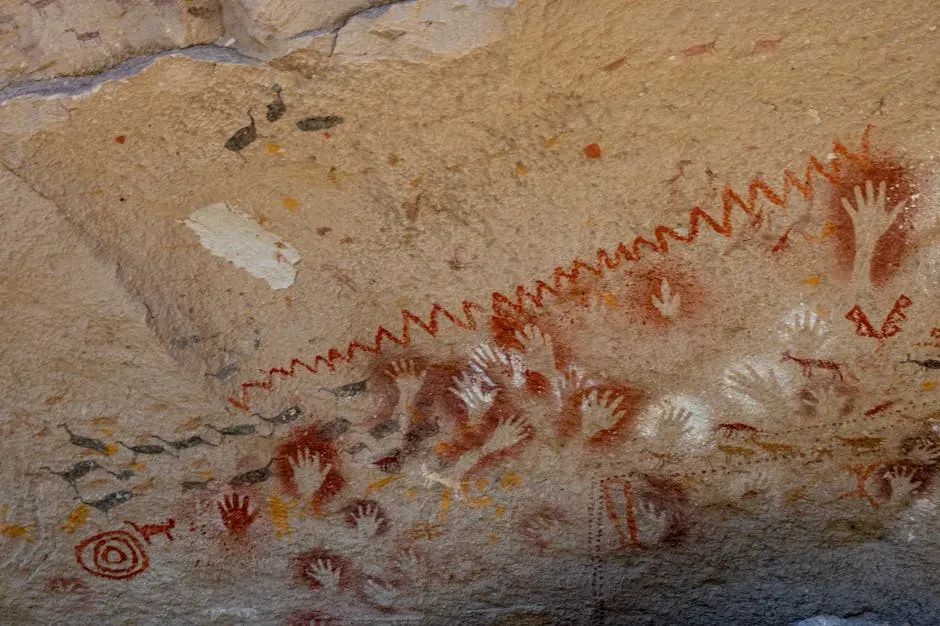
When you stand in front of ancient cave paintings or look at engraved pieces of bone and stone, you are seeing more than decoration. You are seeing humans invent new ways to communicate ideas, stories, and shared meanings that go beyond the here and now. These images and symbols suggest that people were not just focused on survival but were thinking abstractly, remembering the past, imagining the future, and perhaps even exploring spiritual or emotional worlds. That alone tells you something powerful about their minds.
Then, when you add in early musical instruments – like flutes carved from bone – you realize that prehistoric people were also experimenting with sound, rhythm, and group experience. Imagine gathering around a fire while someone plays a simple melody and others sing or clap along. In moments like that, music becomes a social technology, helping you coordinate, bond, and share emotions. Instead of seeing early humans as silent and grim, you start to see them as storytellers, artists, and performers who invented tools not only for the body but also for the mind.
Trading, Travel, and Shared Knowledge: Innovation as a Group Project
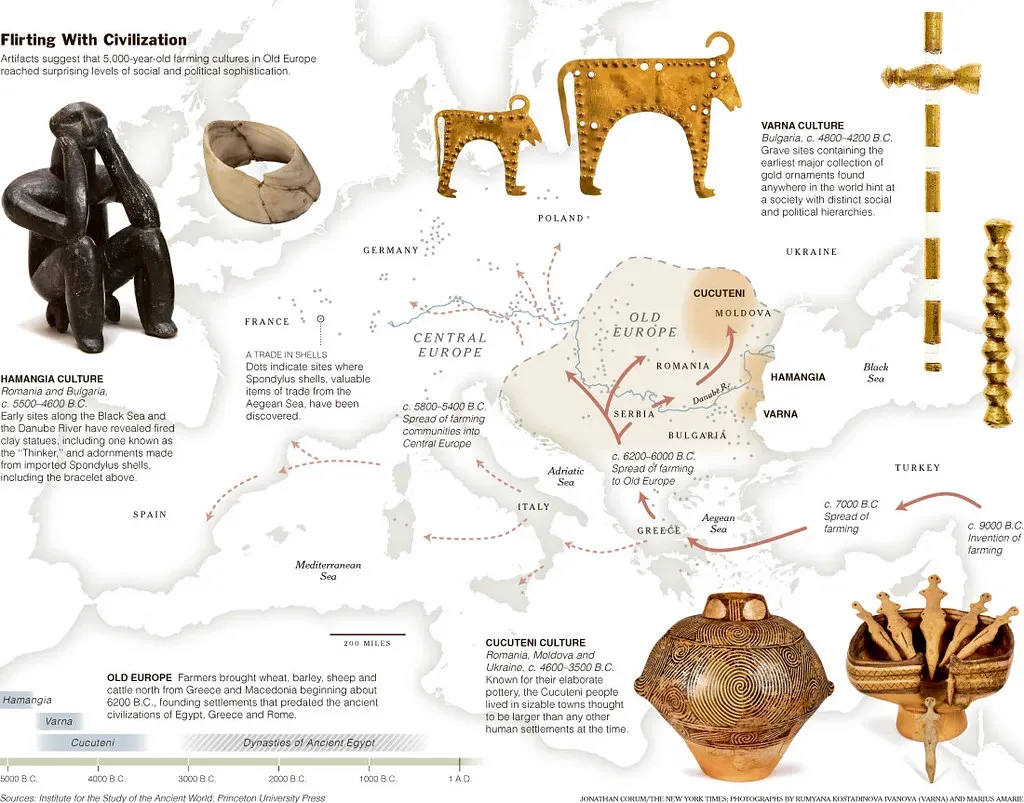
One of the most surprising discoveries is how far materials sometimes traveled from where they were found. You might see a specific kind of stone or shell used in tools or ornaments, even though the nearest natural source lies many miles away. This suggests that prehistoric humans were moving around widely or trading with other groups, sharing both objects and ideas. When you think of this as an early form of networking, you begin to understand how inventions could spread and improve over large areas.
Innovation, in that sense, was never just an individual achievement; it was a group project. When you share a effective tool design or a better way to start a fire with another band of people, you are helping them survive, and they may later enhance your ideas in return. Over countless generations, this back-and-forth exchange acts like an invisible engine, driving human technology forward. You realize that you are part of that same process today, just with faster tools and bigger networks, but powered by the same basic habit: learning from others and adding your own twist.
Rethinking “Primitive”: What Prehistoric Inventors Teach You Today
Once you put all of this together – stone tools that look like engineering projects, controlled fire, smart weapons, clever fibers, expressive art, and long-distance networks – you can no longer dismiss prehistoric humans as simple or slow. You start to see them as master inventors working under brutal constraints, with no manuals, no internet, and no second chances when things went wrong. If anything, their world forced them to be more observant, more experimental, and more resilient than you might be in your daily routine.
This shift in perspective changes how you see yourself, too. You are not just a modern person looking back at “cavemen”; you are a direct descendant of people who refused to accept their limits and kept tinkering until they found better ways to live. Their inventions shaped your brain, your culture, and your habits, right up to this moment. When you hit a difficult problem in your own life, you can draw on that same ancient spirit of trial, error, and stubborn creativity. Knowing what you know now, do you still see prehistoric humans as primitive – or do you recognize them, at last, as the original innovators you still carry inside you?