If you could step back a hundred thousand years and watch your ancestors hunt, you’d probably be shocked by how familiar some of their decisions feel. You would see planning, teamwork, risk calculations, and even trial-and-error learning that look a lot like what you do in everyday life, just with much higher stakes. Hunting was never only about brute strength; it was about reading the land, understanding animals, and using your brain to tip the odds in your favor.
As you trace the long arc from scavenging to sophisticated group hunts, you start to see something powerful: your mind and body were shaped by those survival challenges. Every tool you use, every shortcut you take, and every strategy you admire has roots in that long evolutionary story. When you understand how ancient hunting actually worked, you do more than learn about the past – you see why you think, move, and cooperate the way you do today.
From Scavenger to Predator: How You First Entered the Hunt
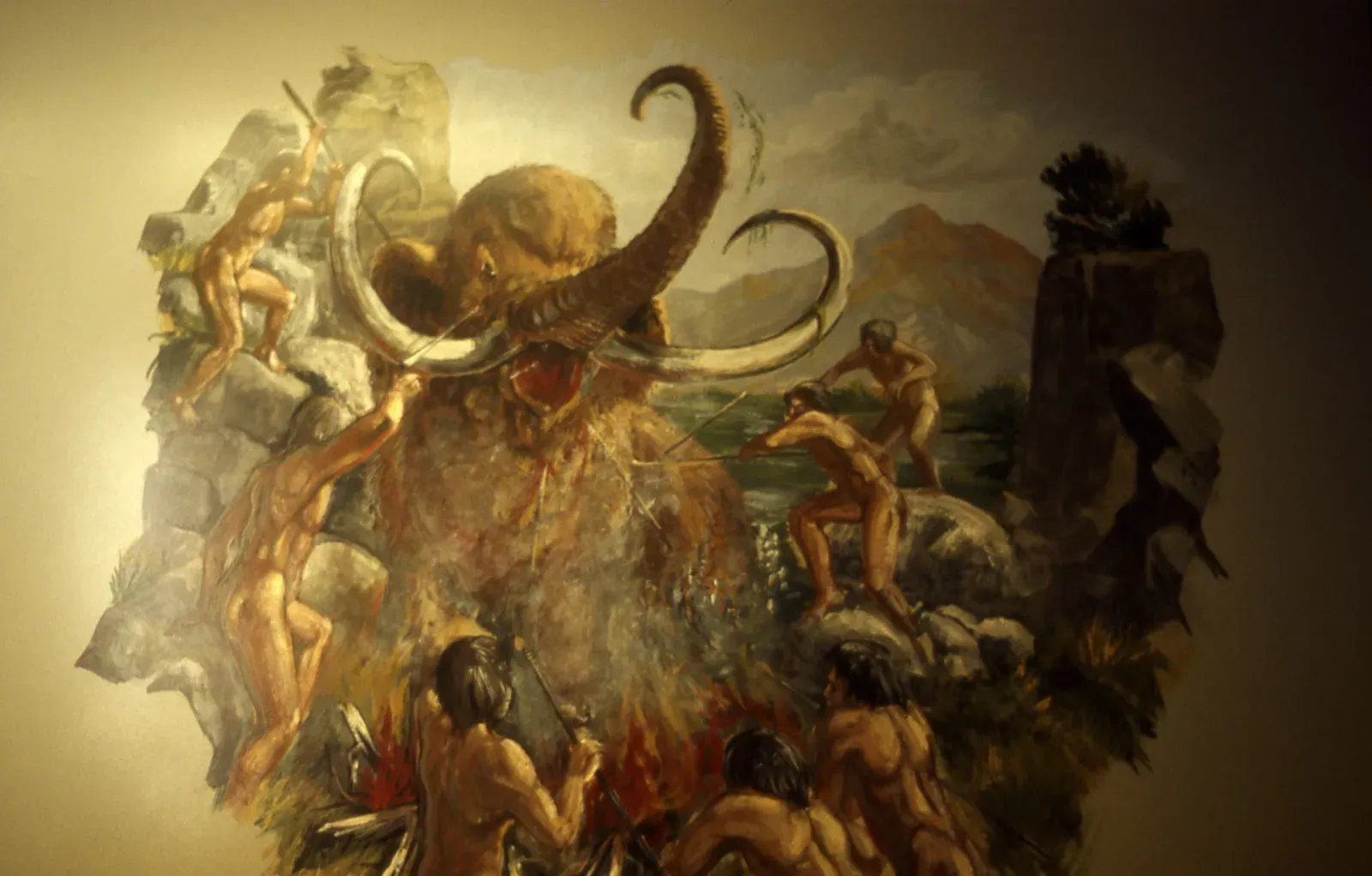
Imagine you are not yet a top hunter but more of an opportunist, roaming open landscapes where large carnivores do most of the killing. Early on, your ancestors likely started as scavengers, carefully watching lions or hyenas finish a kill, then darting in to grab scraps of meat and marrow-rich bones once the danger dropped. In those moments, your survival depended less on strength and more on timing, nerve, and a good sense of when to run and when to wait.
Over time, as your tools and cooperation improved, you stopped relying only on the leftovers. You began to track weakened or isolated animals, using simple stone tools to wound or finish them off. This shift from scavenger to active hunter did not happen overnight; it was a long, messy gradient where you mixed both strategies, grabbing a carcass when you could and pursuing prey when conditions were right. The key change was mental: you started treating animals not just as lucky finds but as targets you could actively plan around.
Turning Stone Into Strategy: How Tools Transformed Your Options
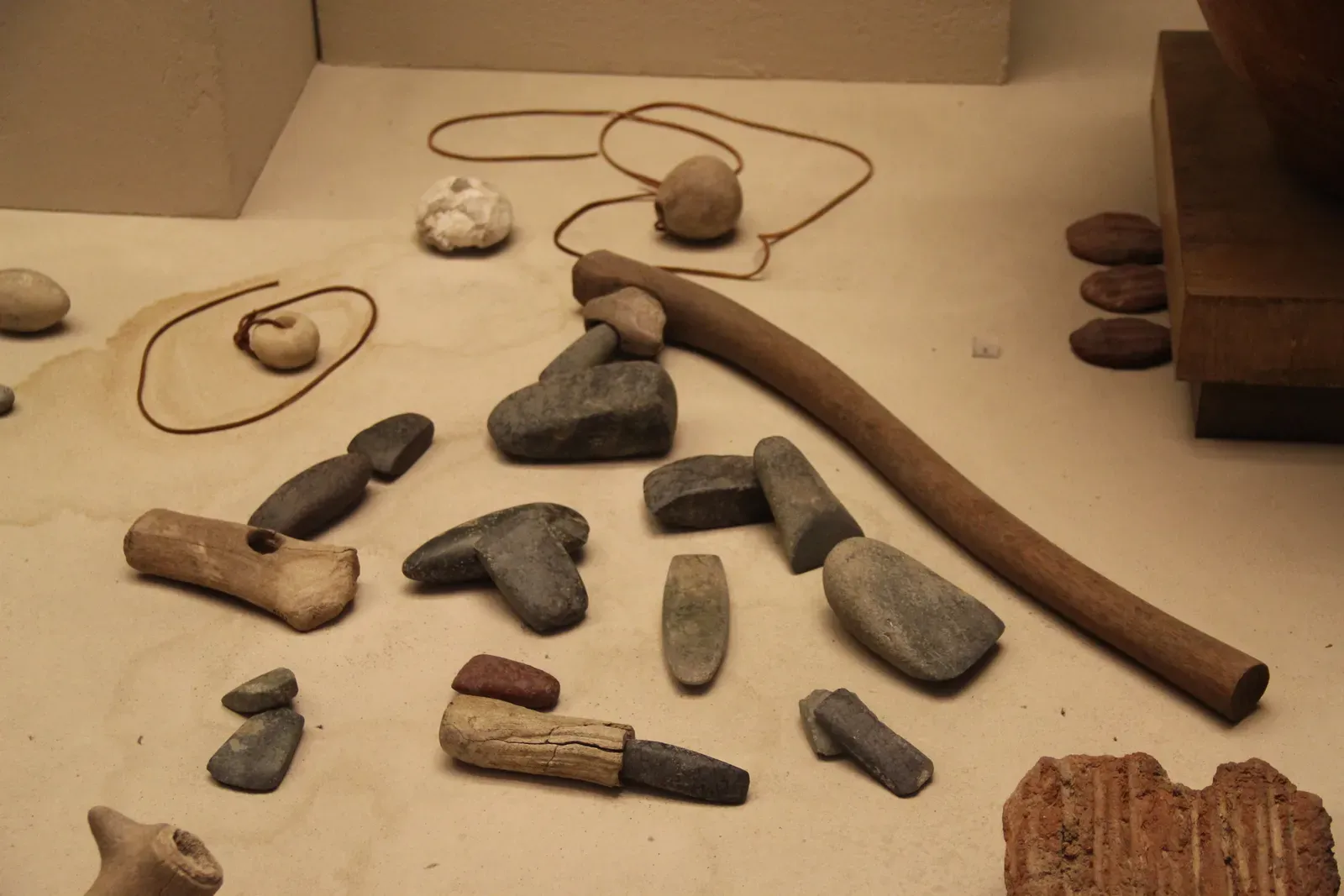
Pick up a sharp flake of stone in your hand – suddenly, your fingers are not limited to dull nails and teeth anymore. Early stone tools, even the simplest ones, gave you the power to cut meat, pierce hides, and crack open bones that other animals left untouched. That meant you could harvest calories that would otherwise be out of reach, and those extra nutrients fueled your growing brain. With each improvement in tool design, you could tackle tougher prey and handle carcasses more efficiently.
As you move forward in time, tools stop being just sharper rocks and start becoming real hunting technology: spears, throwing sticks, eventually complex composite weapons. A thrusting spear lets you keep a bit of distance from hooves and horns; a throwing spear or atlatl lets you create deadly force from several body lengths away. Every new tool widens your tactical options – now you can strike from ambush, harass an animal at range, or finish a wounded animal without getting as close. In a way, each tool is a physical expression of a strategy you’ve already imagined.
Strength in Numbers: Why You Rarely Hunted Alone
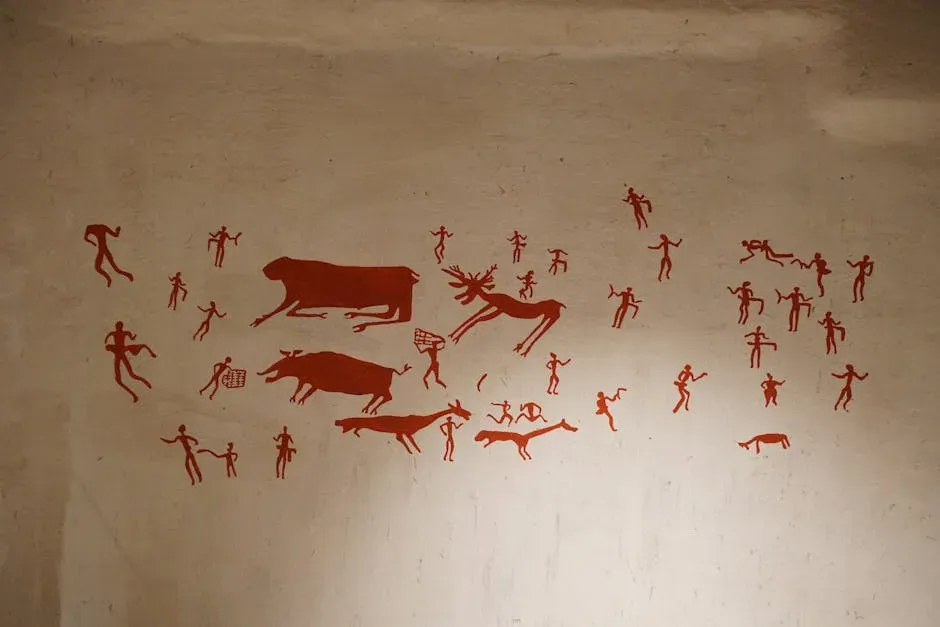
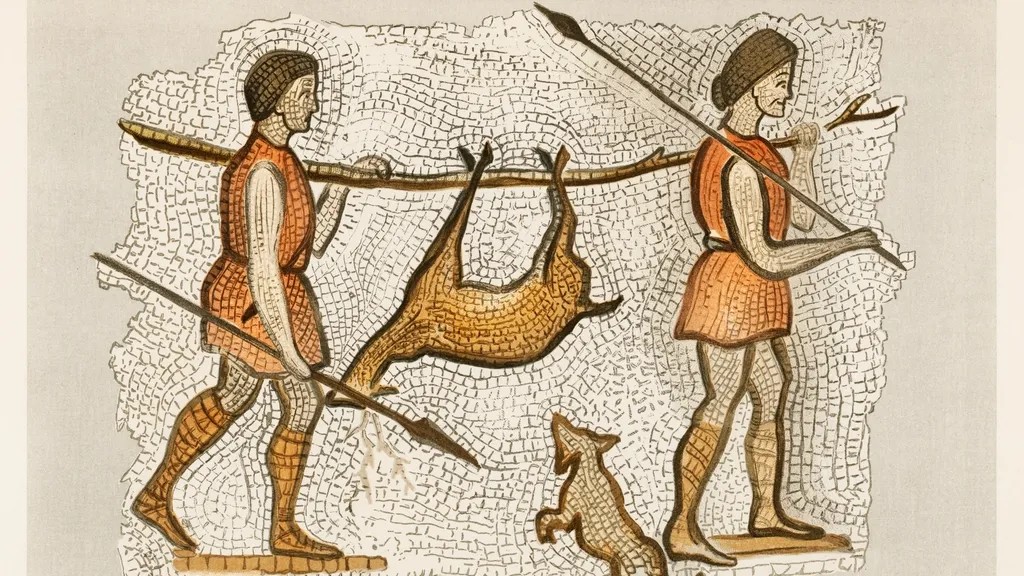
If you picture an ancient hunter, you might imagine a lone figure stalking silently through the grass, but reality was usually more social. You survived best when you hunted as a group, with different people taking on different roles. Some of you drove the animals forward, others waited in ambush, and still others guarded the young or prepared camp. By sharing tasks and risks, you could go after larger, more dangerous prey than any one person could manage alone.
Hunting together also forced you to communicate better, long before you had complex languages like you do today. Hand signals, eye contact, short calls, and shared routines became your invisible tools. When you coordinate a drive toward a cliff or a narrow ravine, one mistake can ruin the hunt or get someone hurt, so you learn quickly whom you can trust and how to read subtle cues. Over thousands of generations, this constant pressure to cooperate shaped not only how you hunted but also how you formed bonds, shared food, and built early cultures.
Reading the Wild: Tracking, Landscape Traps, and Ambush Tactics
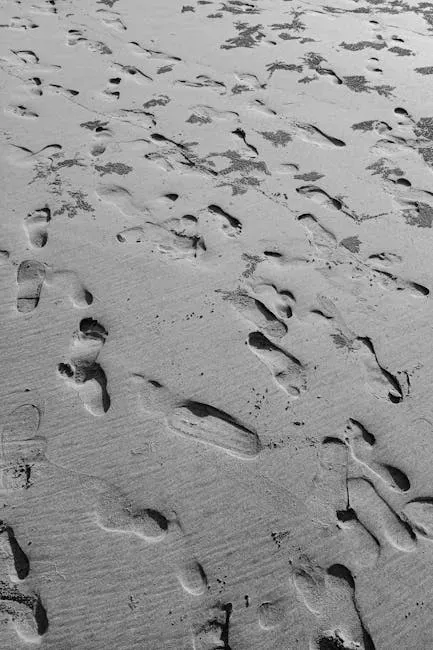
Think of hunting not as chasing animals, but as solving a moving puzzle laid out across the land. You learn to read tracks, broken branches, disturbed soil, and even the alarm calls of birds to figure out where prey has gone and what it might do next. It is a bit like reading a story written in footprints and shadows, and the better you get at it, the less energy you waste. You start to anticipate where an animal will move long before you see it.
At the same time, you learn to turn the landscape itself into a weapon. You might funnel animals into narrow valleys, toward hidden pits, or toward a cliff edge where they panic and fall. In some places, people built stone lines or drive lanes that guided herds into kill zones or natural traps. When you use terrain this way, you are not just reacting to animals – you are designing scenarios. Instead of relying on speed or brute force, you arrange things so the animal’s own instincts push it exactly where you want it to go.
Endurance and Persistence: Outlasting Your Prey Instead of Outrunning It
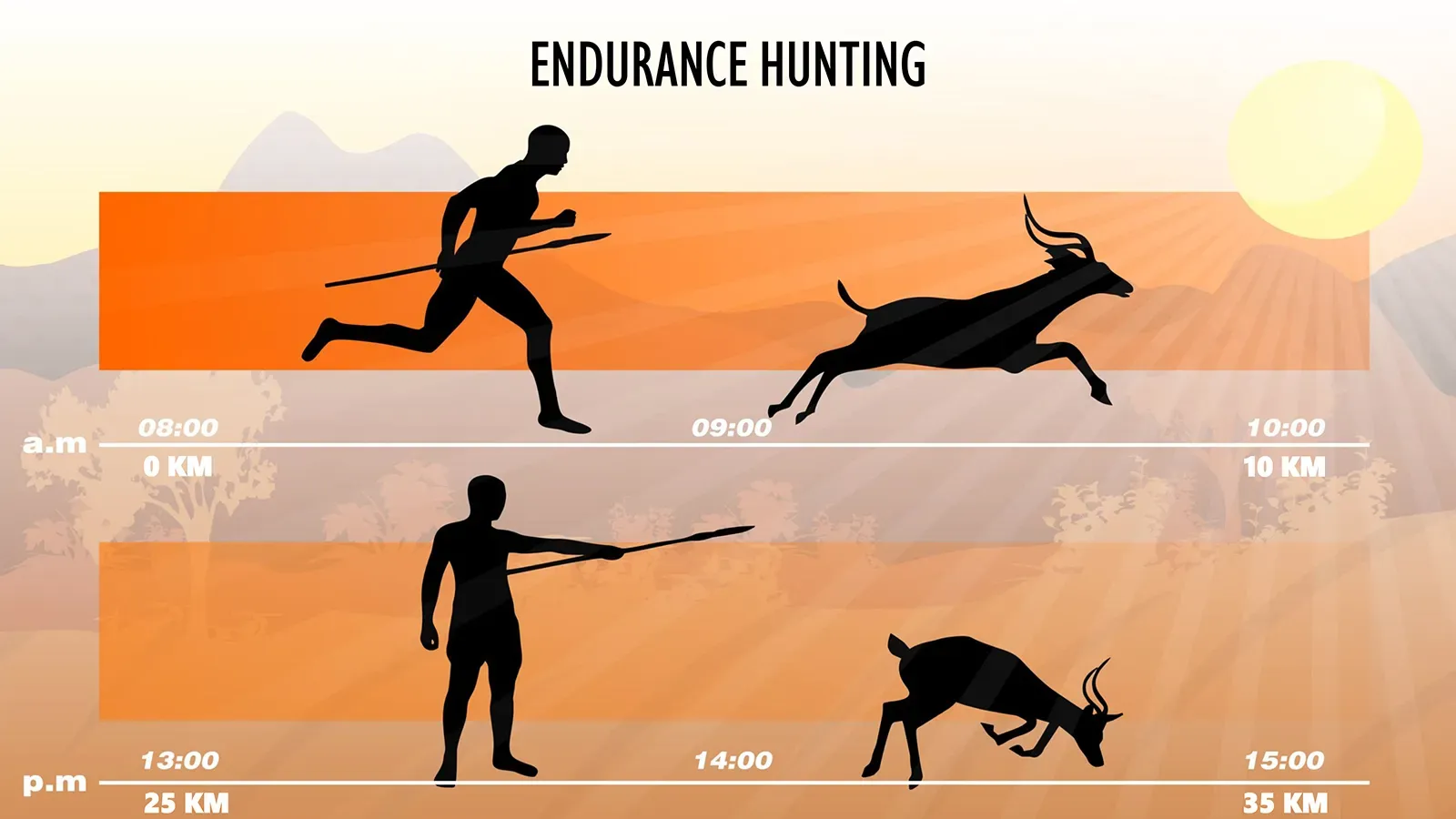
One of your most underrated hunting superpowers is not speed, but stamina. Many large animals can sprint faster than you for short bursts, but they overheat or tire quickly, especially in hot, open environments. You, on the other hand, sweat efficiently, can cool your body while moving, and can keep a steady jogging pace for surprisingly long distances. Some ancient hunting strategies took full advantage of this by turning the hunt into a test of endurance instead of a quick chase.
In what researchers often call persistence hunting, you might track an animal in the heat of the day, pushing it to run again and again whenever it tries to rest. Each sprint drains its energy and builds heat, while you keep moving at a manageable pace. Eventually, the exhausted animal slows, stumbles, or stops, unable to cool down or continue. At that moment, the balance flips: you, the relatively slow primate, become the relentless predator that simply will not quit. It is a brutal strategy, but it perfectly matches your body’s evolutionary strengths.
Adapting to Ice, Forest, and Desert: How Your Strategies Shifted With Climate
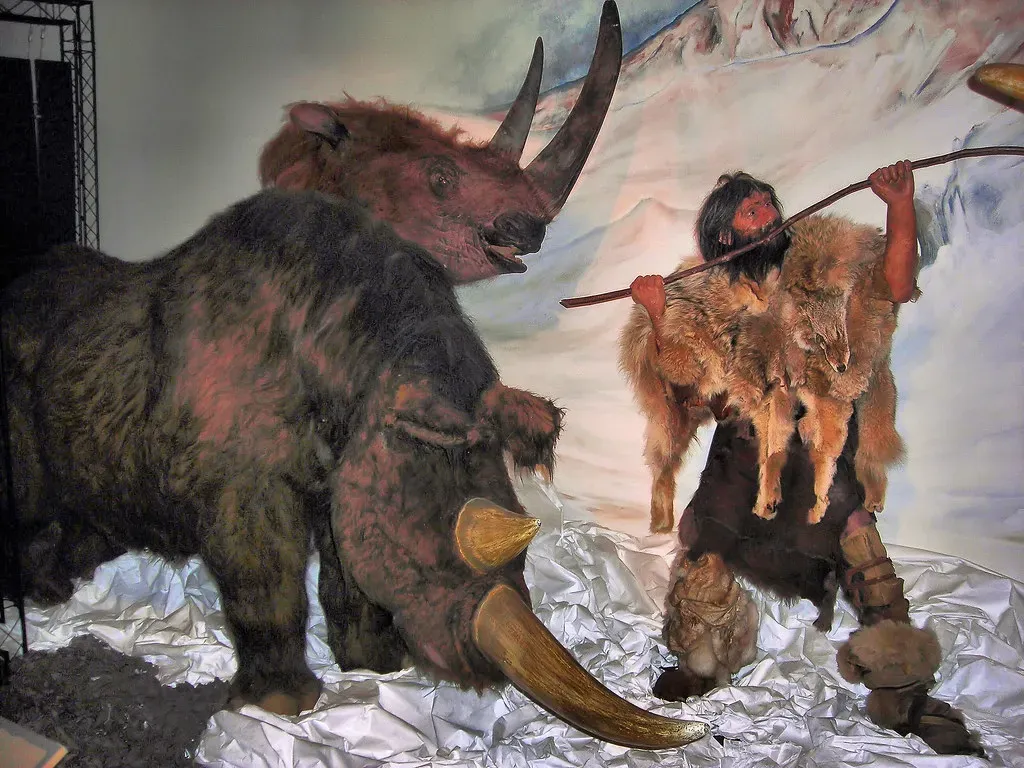
Your hunting tactics were never one-size-fits-all; they constantly adapted to the world around you. In cold Ice Age environments, you might focus on large herd animals like mammoth, bison, or reindeer, planning seasonal hunts around their migrations. Tools become specialized for piercing thick hides and working in freezing conditions, and group coordination becomes vital when you face huge, dangerous animals in open, windswept spaces. Food from a single successful hunt could sustain your group for a long time, so you plan carefully and store what you can.
In dense forests or tropical environments, your approach changes. Visibility shrinks, so tracking relies more on sound, smell, and close-range signs. You might focus on smaller game, birds, or arboreal animals, using snares, traps, and quick ambushes rather than long chases. In deserts and dry regions, water sources dictate everything: you learn which paths animals use to reach rare pools, and you wait or ambush there. In every case, you are constantly experimenting, adjusting your methods to match the animals, plants, and weather patterns you live with.
From Spears to Stories: How Hunting Shaped Your Mind and Culture
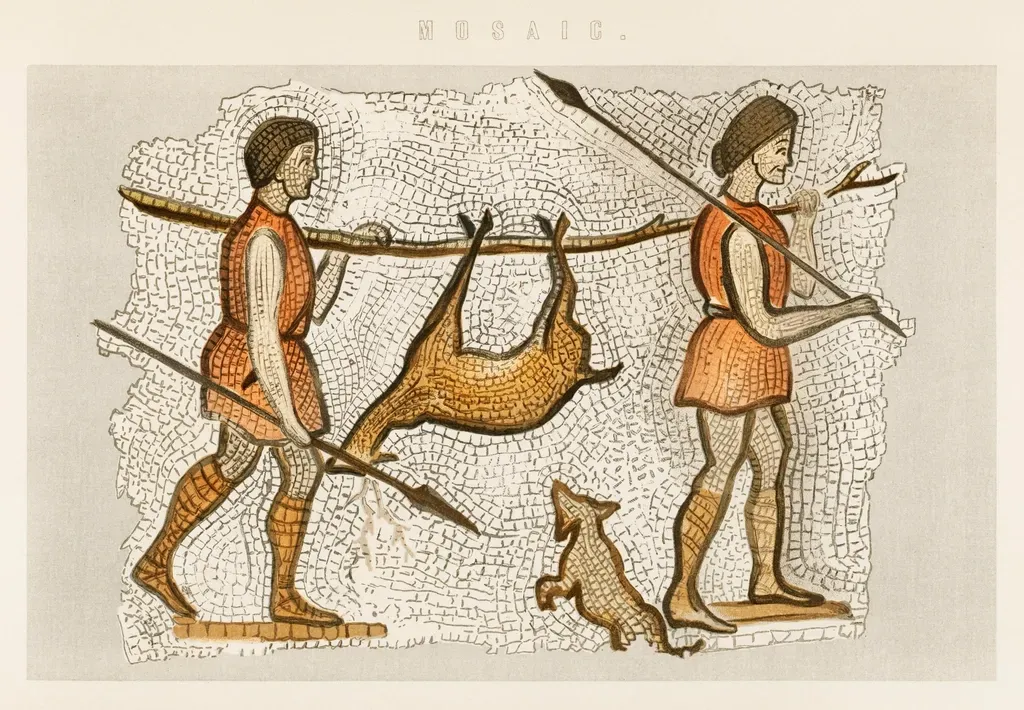
Even after you step away from the kill site, the impact of hunting does not stop. You share meat, divide portions, and remember who helped and who did not. Around the fire, you retell what happened, exaggerate for drama, and turn the day’s danger into a story that others can learn from. Over time, these stories become part of your shared knowledge – lessons about where to go, what signs to watch, and which mistakes to avoid. You are not just passing down techniques; you are building a culture around survival.
Hunting also reshaped how you think. Planning complex hunts pushed your brain to handle time, space, and probability in ways that still echo in how you solve problems now. You learned to delay gratification – tracking for hours or days before any reward appeared – and to weigh risk against potential gain. Many of the mental skills you rely on in modern life, from project planning to teamwork, grew out of those ancient pressures. When you look at your own decision-making today, you can still see the shadows of those long-ago hunts in how you judge opportunities and dangers.
When you zoom out, the evolution of ancient hunting is not just a story about spears and animal bones; it is a story about who you are. Your ancestors turned fear into strategy, turned bare hands into tools, and turned lonely survival into shared effort and shared meaning. Even though you probably buy your meat wrapped in plastic or order your food with a tap on a screen, the instincts, abilities, and social habits that carried your lineage through countless dangerous hunts still live in you. The next time you plan carefully, team up with others, or push through exhaustion to reach a goal, you might ask yourself: are you really so far from those hunters after all?