If you picture early humans, you probably imagine small bands of hunters stalking antelope or hiding from lions. What you might not picture is you, as a Stone Age person, standing eye to eye with a giant ground sloth the size of a truck, or walking past elephant cousins with tusks that curve like scythes. Yet a growing pile of discoveries is quietly forcing you to rethink who your ancestors really shared the planet with.
In the last few decades, scientists have been digging up fossils, analyzing ancient DNA, and re-examining old sites with new tools. Again and again, you see the same message emerging: early humans were not living in a world of only small, shy animals. Instead, they moved through landscapes crowded with enormous, sometimes bizarre creatures. The picture is messy and still evolving, but when you zoom out, it tells you a far more dramatic story of coexistence, competition, and survival than the simple textbook version you might remember from school.
You Shared Ice Age Landscapes With True Giants
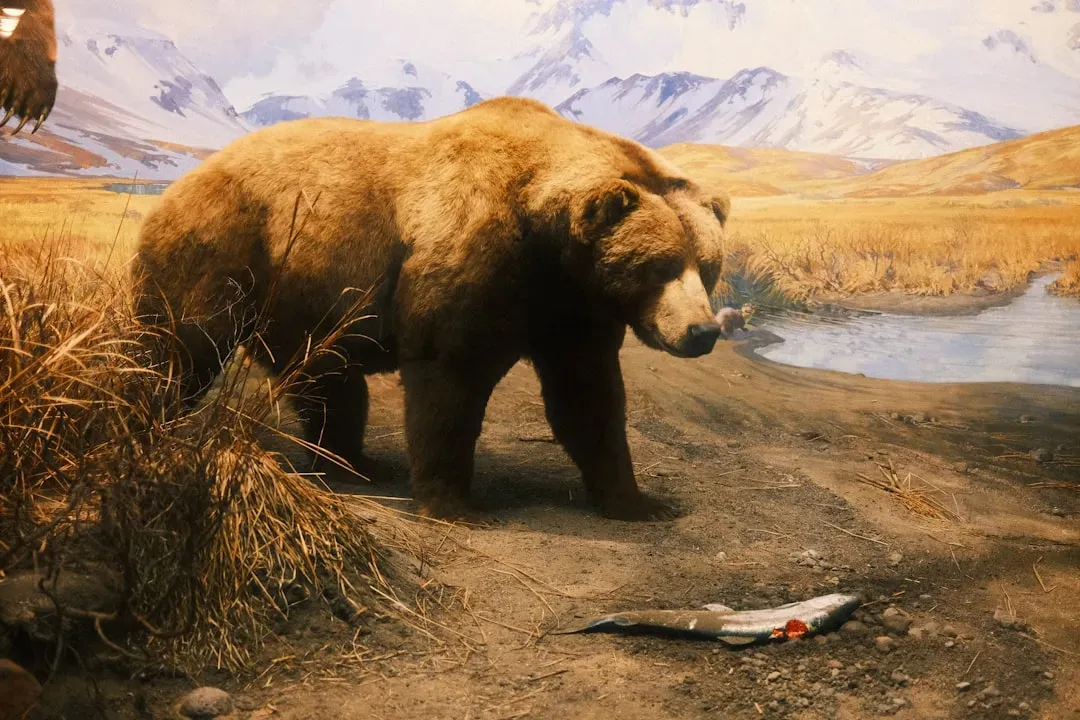
When you think of the Ice Age, you might think of endless snow and a stray mammoth or two, but the reality was closer to a wild, overcrowded zoo of giants. If you were a human then, your everyday world could have included towering mammoths, shaggy rhinos, car-sized ground sloths, saber-toothed cats, giant armored armadillo relatives, and oversized camels and bison. You were not wandering a quiet, empty wilderness; you were threading your way through a living, shifting crowd of megafauna.
What makes this more surprising is how many of these species overlapped with humans in both space and time. As researchers refine dating methods, they keep finding that these massive animals did not disappear long before humans arrived, as older ideas suggested. Instead, you see time windows where human remains, stone tools, and the fossils of these giants lie in the same layers, pointing to real coexistence on the same landscapes. That means your ancestors had to navigate a world where being trampled, gored, or stalked by something much bigger than you was not a rare exception but part of the everyday risk calculus.
You Walked Among Mammoths, Mastodons, and Other Tusks on Legs
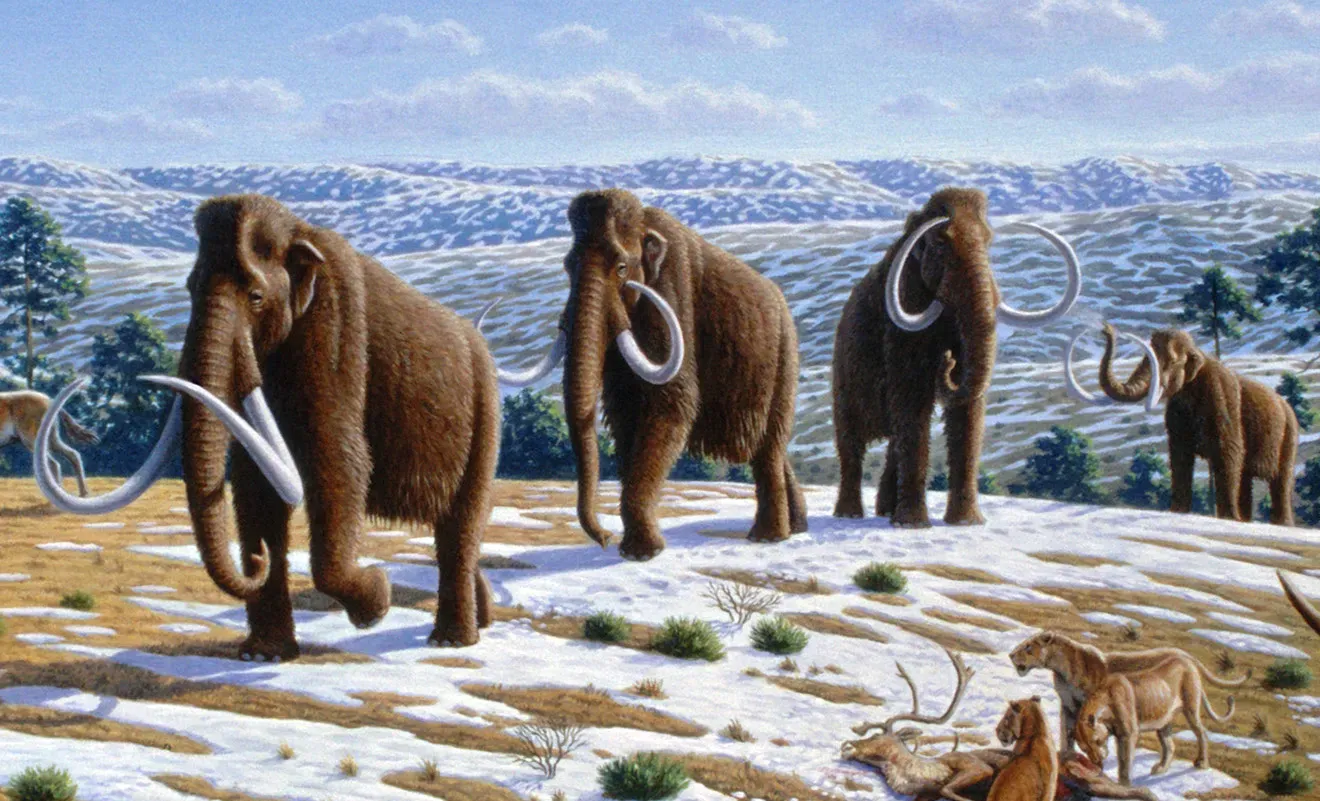
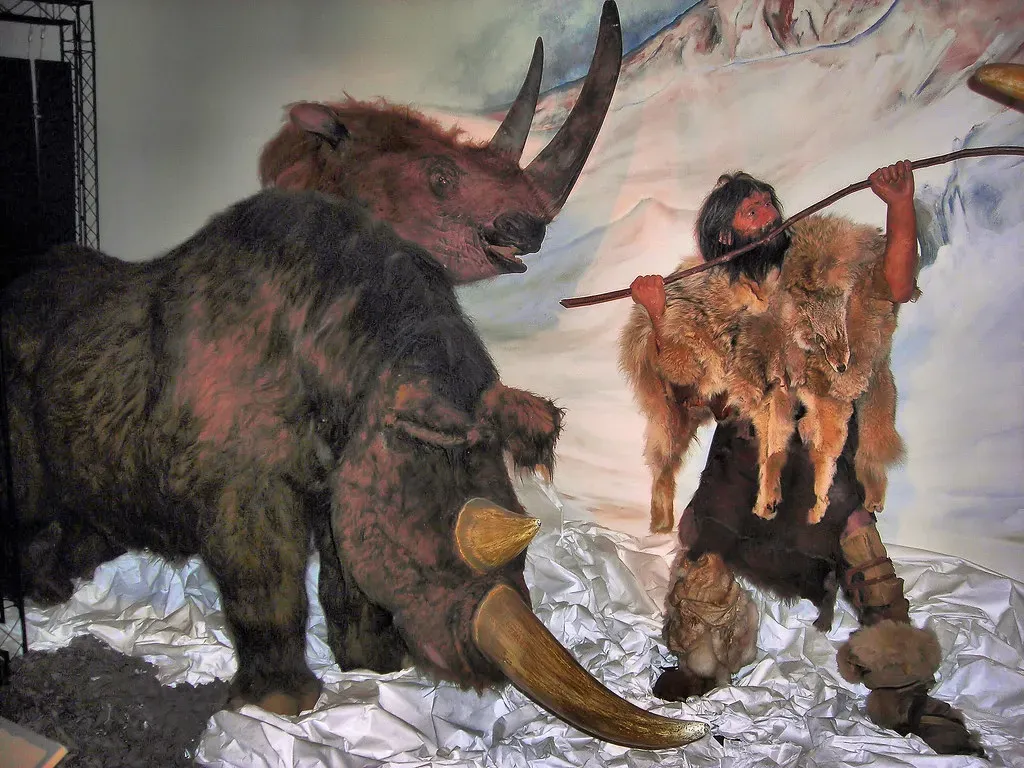
If you could step back into the late Ice Age, you would quickly notice that elephant-like creatures did not come in a single standard model. You would see woolly mammoths trudging across cold grasslands, mastodons moving through forests, and other elephant cousins in different regions, each adapted to its own environment. For you as a human, this meant your hunting and survival strategies had to adjust depending on whether you were facing a tundra-loving mammoth or a browsing mastodon in dense woodland.
Archaeological sites now show clear evidence that humans not only coexisted with these tusked giants, but also hunted and butchered them in some areas. At some locations, you see cut marks on mammoth bones that line up with stone tools, and in others, traces of campfires and organized bone piles suggest deliberate processing and even possible long-term use of carcasses. This does not mean you, as an early human, were always taking down the biggest animals around, but it does show that your ancestors sometimes managed to turn these dangerous towers of flesh into food, tools, and shelter, using cooperation and clever planning to make up for what they lacked in size.
You Lived Beside Giant Sloths, Armored Beasts, and Other Bizarre Herbivores
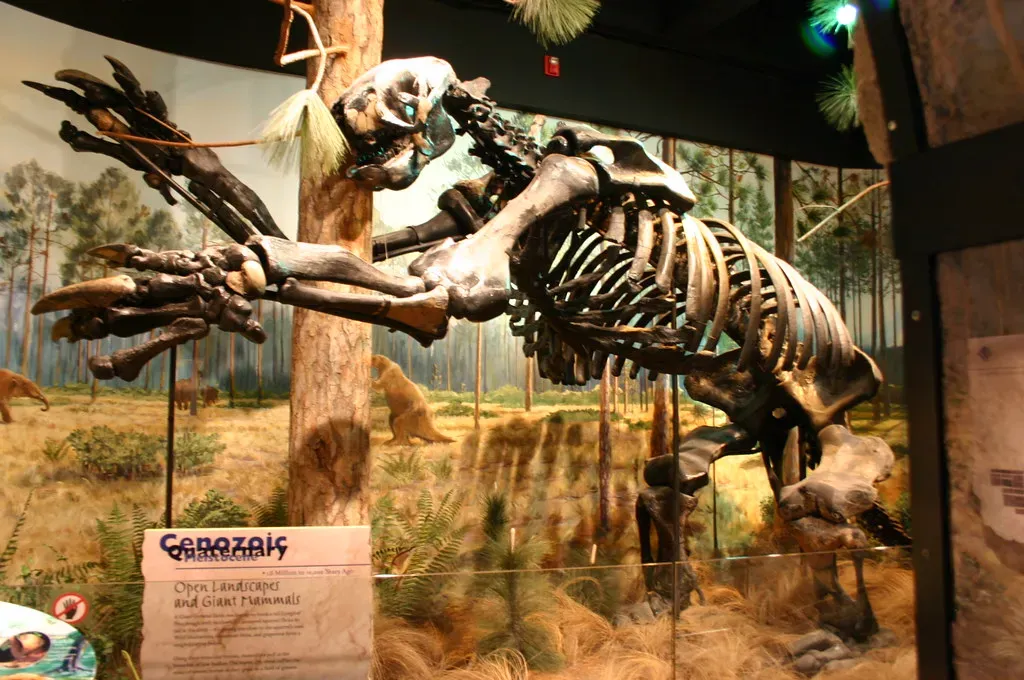
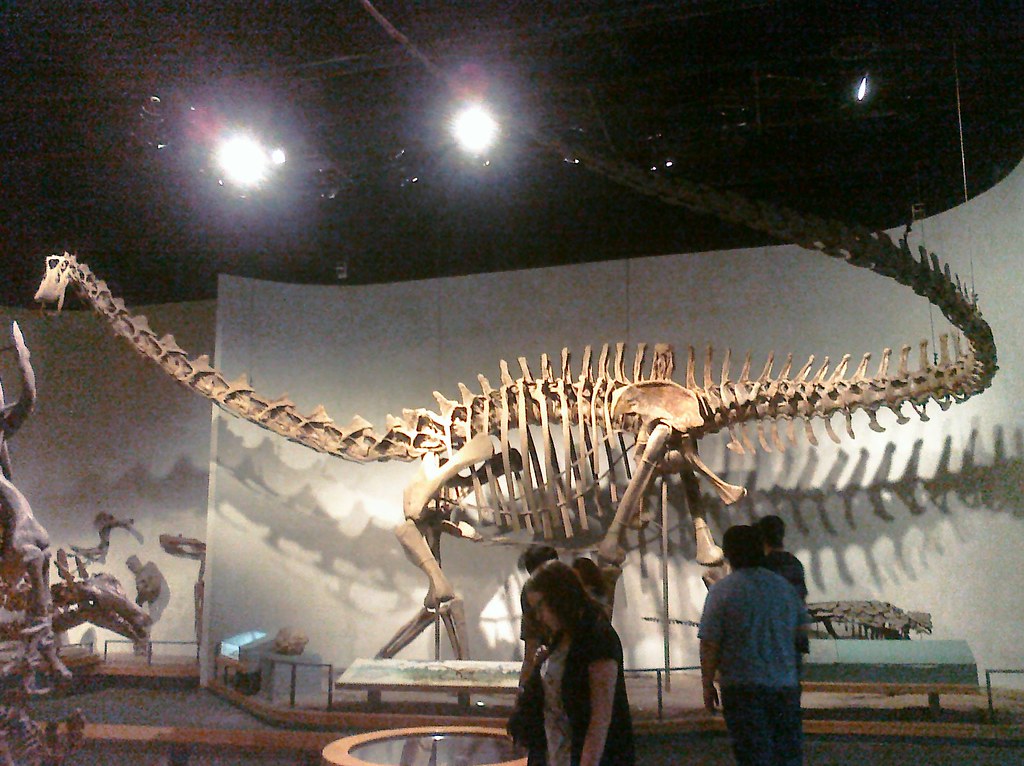
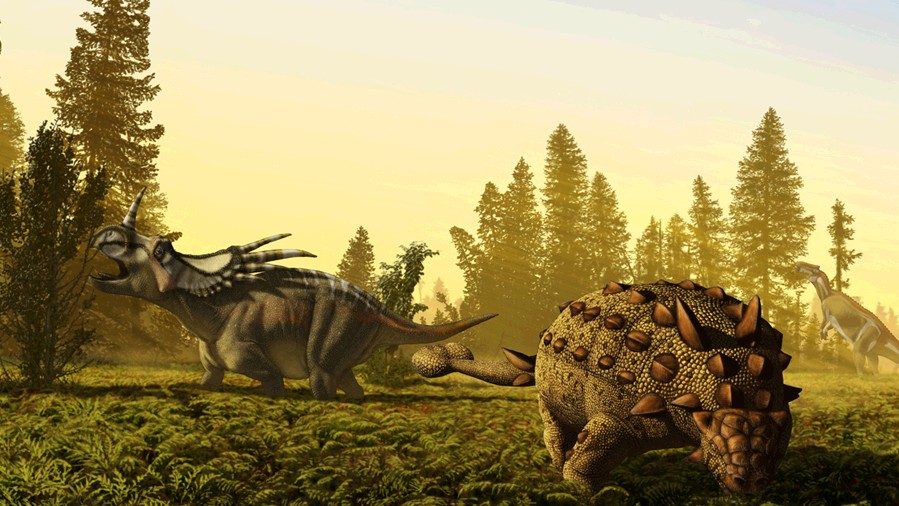
Some of the strangest neighbors you would have had were not predators at all, but slow-moving, plant-eating giants. In the Americas, massive ground sloths stood as tall as small buildings when they reared up, and heavily armored creatures related to armadillos looked like moving boulders with tails that could hit like clubs. From your perspective, these animals would have felt almost unreal, as if you had stumbled into someone else’s myth or dream, yet they left tracks and dung, toppled trees, and shaped entire landscapes you depended on.
Evidence from fossil sites suggests that these herbivores helped engineer their environments in ways you would have noticed firsthand, opening paths through vegetation, creating clearings, and affecting where water pooled or flowed. You might have followed their trails to find new feeding grounds or fresh water, or you might have seen opportunities to scavenge or, in some cases, to hunt them. At the same time, sharing a habitat with a multi-ton sloth or an armored giant meant constantly adjusting your movements, camp locations, and foraging routes, because a single accidental encounter could be as dangerous as facing a predator.
You Faced Apex Predators That Saw You as Part of the Menu
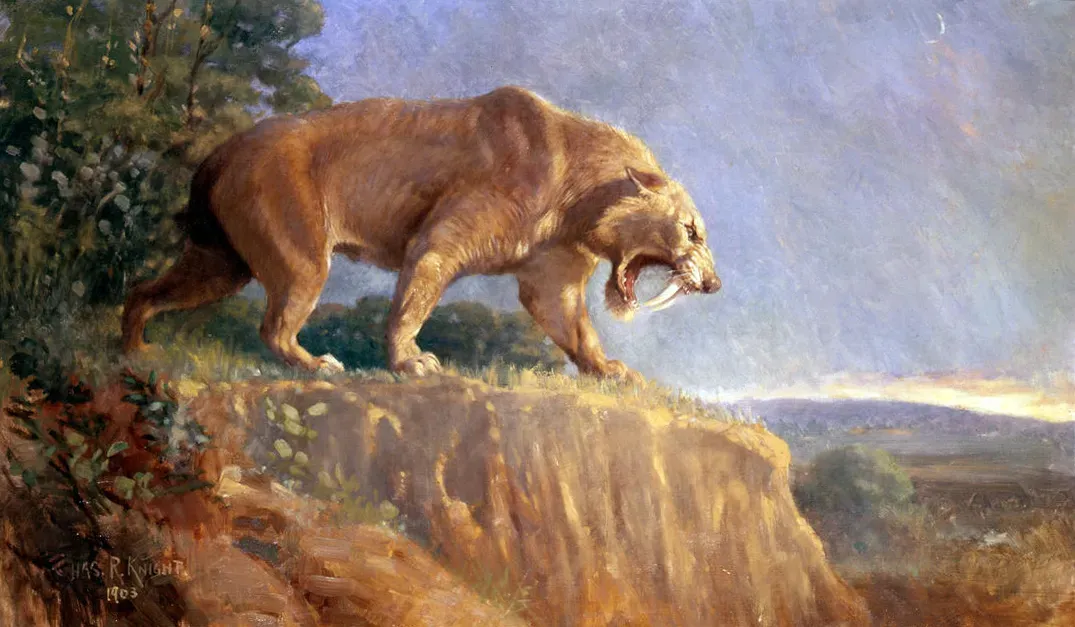
It is tempting to imagine yourself as the fearless top predator of the Pleistocene, but early on, you were much closer to the middle of the food chain. In many regions, your ancestors shared territory with saber-toothed cats, giant short-faced bears, large lions, packs of powerful wolves, and other formidable hunters. To them, you looked like an oddly naked, slow, and not particularly intimidating primate unless you were part of a coordinated group armed with tools.
Claw marks on bones, bite damage on skulls, and the way some cave deposits are arranged hint that humans were sometimes prey, not just hunters. You would have had to sleep lightly, choose shelter carefully, and coordinate watch duties to keep your group safe. Fire, elevated sleeping spots, and tight social bonds were not just cultural flourishes; they were tools that helped you carve out a little island of safety in a world full of teeth and claws. As weapons and tactics improved, you slowly shifted from mostly avoiding these predators to sometimes challenging and competing with them, but that change did not happen overnight.
You Used Tools, Fire, and Teamwork to Survive Giant Beasts
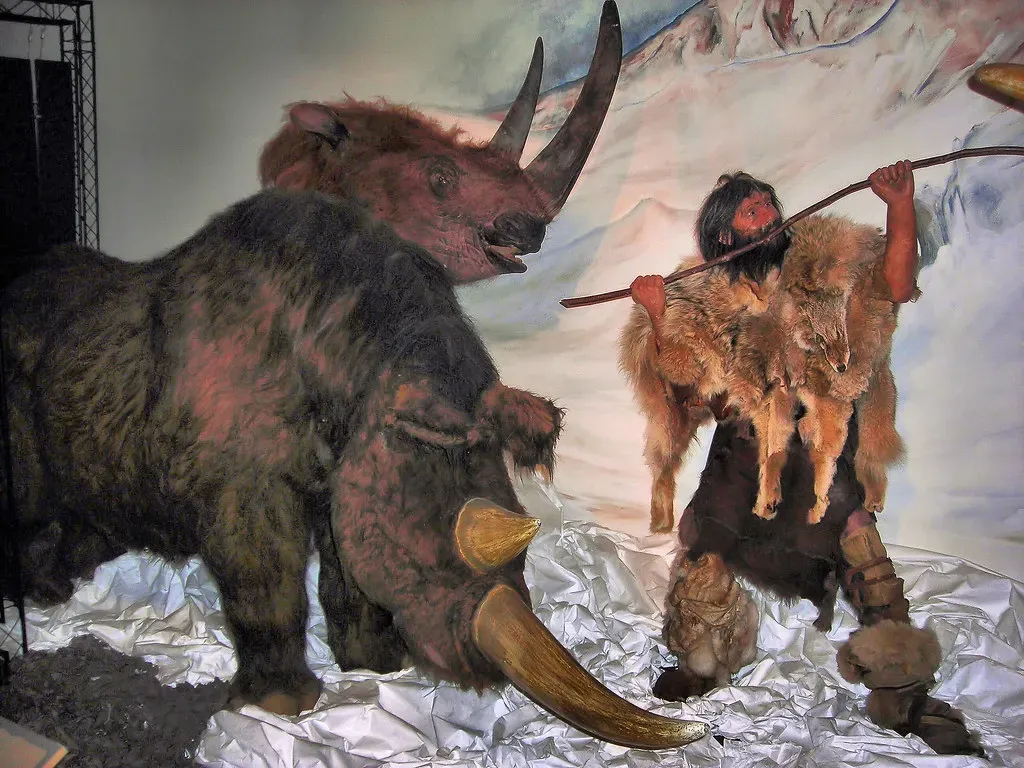
Coexisting with enormous animals meant you could not rely on strength or speed alone, so you leaned hard on your ability to plan, communicate, and cooperate. You used stone-tipped spears, knives, and later more advanced weapons to compensate for your physical disadvantages. When you and your group approached a giant animal, you were not just charging blindly; you were reading tracks, predicting behavior, and coordinating roles, much like a modern team plans a complex project.
Fire gave you an extra edge, allowing you to cook tough meat, scare away predators, and manage landscapes by burning vegetation to encourage fresh growth that attracted herbivores. You probably used knowledge passed down through stories and demonstrations, teaching younger members when to approach a herd and when to back off. Over time, these shared skills and strategies helped you turn dangerous surroundings into manageable challenges. Instead of being overwhelmed by giant beasts, you transformed them into resources and opportunities, even as they remained a constant threat.
You Witnessed, and May Have Helped Drive, a Wave of Extinctions
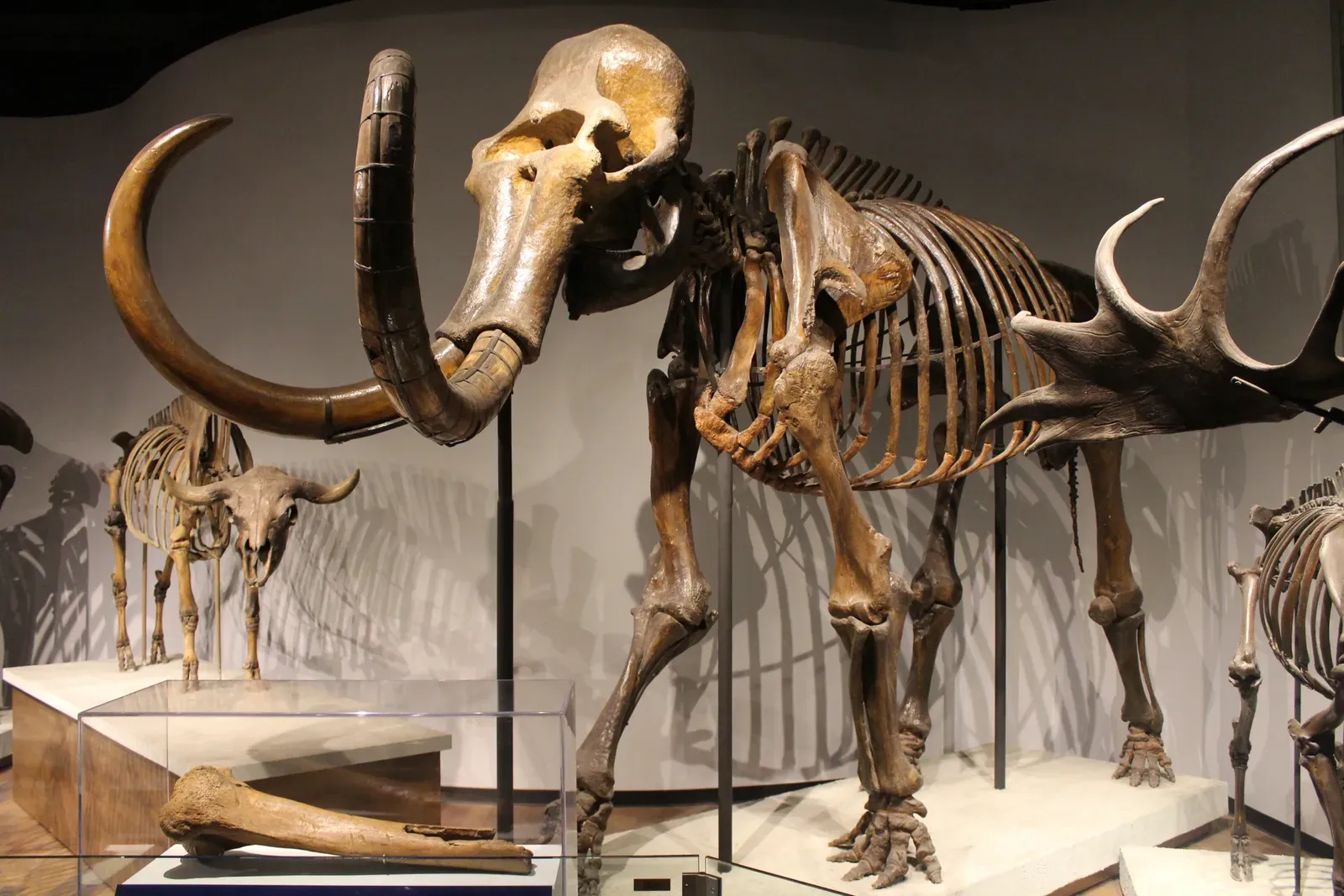
As you move forward in time toward the end of the last Ice Age, something dramatic starts happening: many of the largest animals disappear from the fossil record within a relatively short window. In region after region, you see mammoths, giant sloths, oversized kangaroos, massive birds, and other huge species vanish while humans are present on the same landscapes. The exact balance of causes is still debated, but you can see broad patterns that tie climate shifts and human expansion together in ways that are hard to ignore.
From your perspective as a human living through that period, you might not have realized you were part of a global turning point. You would simply have noticed that certain animals became scarce, old migration routes changed, and familiar giants stopped appearing season after season. Hunting pressure, landscape burning, and the introduction of new competitors all likely played some role alongside natural environmental changes. By the time the dust settled, you and your kind were left in a world where many of the most impressive giants existed only as bones and stories, reshaping the ecosystems you relied on and opening the door for smaller, more adaptable species to thrive.
You Can Now Rethink What It Meant to Be Human Among Giants
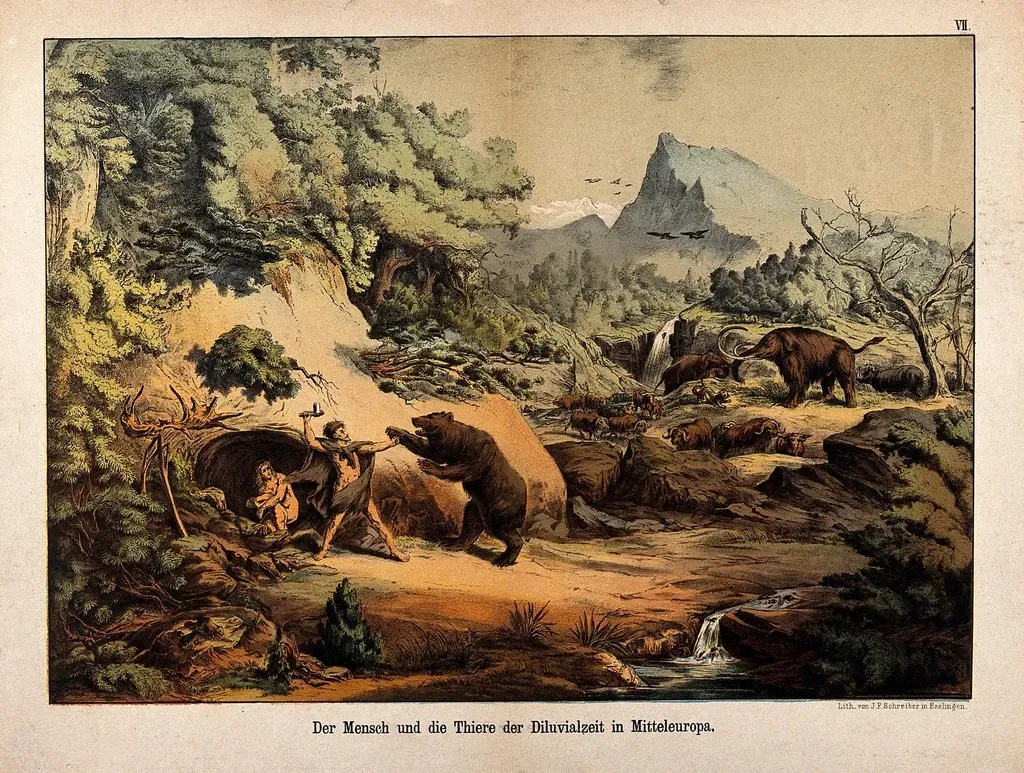
When you look at this fuller picture, you start to see early humans less as fragile victims of nature and less as all-powerful destroyers, and more as adaptable strugglers learning to survive among forces far bigger than themselves. You were living in a world where a single misstep around a mammoth, a careless moment near a predator, or a failed hunt could end everything, yet you found ways to work together, share knowledge, and gradually tip the balance in your favor. That mix of vulnerability and ingenuity is a lot closer to your own lived experience today than a simple tale of heroic conquerors or helpless prey.
New discoveries will keep refining the details, but the big message for you is that being human has always meant improvising in the shadow of something larger, whether that is a towering ground sloth, a changing climate, or a rapidly shifting technology landscape. The more you learn about your ancestors’ coexistence with giant beasts, the more you can appreciate how much courage and creativity it took for them to carve out a place in such a dangerous world. When you imagine standing there yourself, hearing distant trumpets of mammoths or low rumbles of massive herbivores in the dark, you get a deeper sense of just how hard-won your species’ survival really is. If you had to step into that world tomorrow, how would you adapt?