If you grew up imagining dinosaurs as giant, scaly reptiles and birds as totally separate, delicate creatures fluttering in your backyard, your mental picture is about to get shaken up. Over the past few years, a wave of genetic and molecular discoveries has started to close the gap between those two worlds, turning what used to be a bold hypothesis into something much closer to everyday scientific reality. You are, in a very real sense, already living among dinosaurs every time you watch a pigeon strut across the sidewalk.
Instead of relying only on bones and impressions in rock, scientists are now pulling chemical fingerprints, ancient proteins, and even hints of DNA out of fossils that are tens of millions of years old. When you line those molecular clues up with modern bird genetics, you see a story that is far stranger and more elegant than “dinosaurs died, birds appeared.” You see a long evolutionary fuse, with feathers, skeletons, and even egg chemistry connecting animals you thought had nothing in common. Once you walk through the evidence, you may never look at a chicken nugget the same way again.
You Are Already Looking at Living Dinosaurs
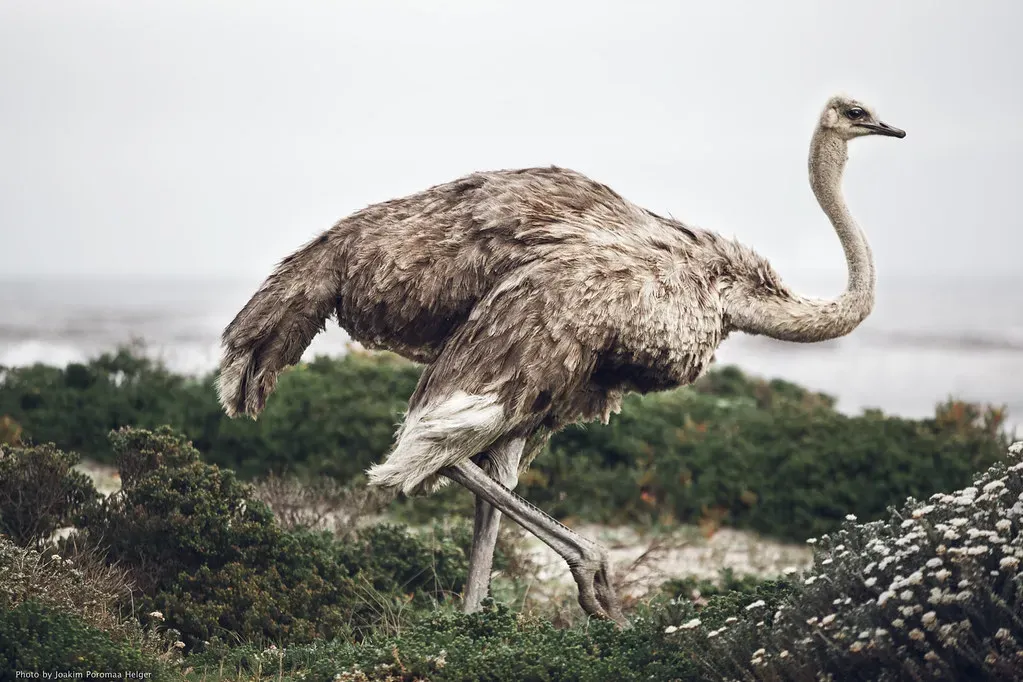
When you look at a crow perched on a streetlight or a gull fighting over fries in a parking lot, you’re not just seeing some distant cousin of dinosaurs; you’re looking at the only surviving branch of the dinosaur family tree. Modern birds sit squarely inside the group of two‑legged theropod dinosaurs that once included celebrities like Velociraptor and Tyrannosaurus rex. For a long time, this was argued mainly from bones: similar hips, hollow limbs, specialized wrists and shoulders adapted for rapid movement.
What has changed in the last couple of decades is the kind of evidence you can actually compare. Researchers have sequenced large parts of bird genomes, built huge evolutionary trees from that DNA, and then cross‑checked those trees against the fossil record. When you match that genetic map with the timing of feathered dinosaur fossils, it’s not just that birds are “like” dinosaurs – they are what is left of them. You might feel a bit odd realizing that the closest thing you’ll ever see to a Velociraptor is a stalking heron in a marsh, but that is exactly where the evidence points.
Ancient Feathers Share the Same Core Proteins as Modern Birds
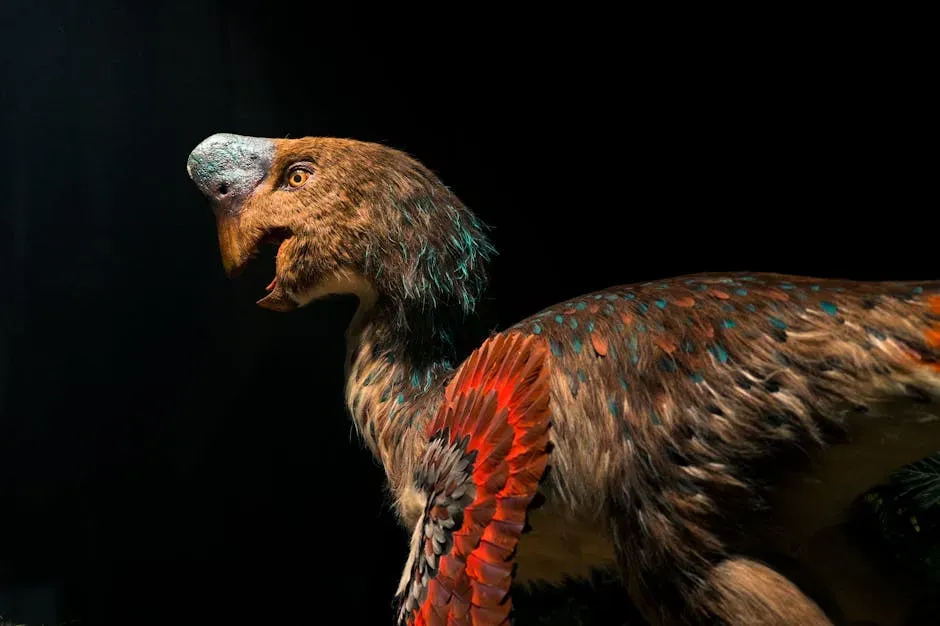
One of the most striking pieces of new evidence comes from the feathers themselves. Using powerful X‑rays and other imaging tools, scientists have analyzed fossil feathers from non‑avian dinosaurs such as Sinornithosaurus, early birds like Confuciusornis, and younger fossil birds preserved in fine lake sediments. When you strip away the rock and look at the molecular structure, you find traces of tough structural proteins that are also central to modern bird feathers. In other words, the basic chemical recipe you see in a pigeon’s wing was already present in dinosaurs more than a hundred million years ago.
This matters because, for years, many people assumed dinosaur feathers were fundamentally different, more like simple fluff made of weaker proteins. Instead, the new work shows that the same beta‑type feather proteins that give modern feathers their strength and resilience were already in play early on. You can imagine it like a shared “material science” solution: evolution hit on a strong, lightweight, flexible design, and then kept reusing and refining it from small hunting dinosaurs all the way to modern swifts and eagles. When you run your fingers along a feather, you are touching a technology that was battle‑tested in the age of dinosaurs.
Fossil Proteins Quietly Bridge the Dinosaur–Bird Gap
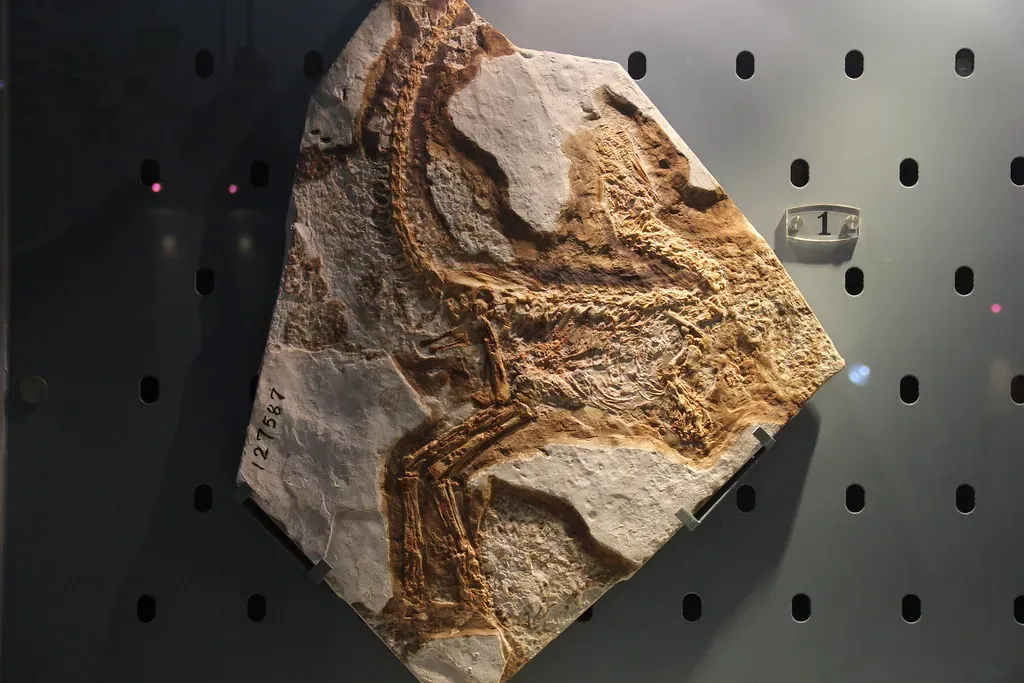
Even more surprising than ancient feathers is the fact that soft tissues and proteins from dinosaurs can still be detected at all. Your intuition probably tells you that everything squishy should vanish after a few thousand years, but careful work on exceptionally preserved fossils has revealed fragments of collagen in dinosaur bones and blood vessel‑like structures in some specimens. In a few cases, cartilage from young dinosaurs has yielded signals consistent with original proteins and even hints associated with DNA packaging structures inside cells.
When those ancient proteins are compared to modern animals, they point you toward birds rather than lizards or crocodiles. For example, collagen sequences from a Tyrannosaurus rex sample have shown stronger similarity to chickens and ostriches than to typical reptiles when plugged into evolutionary analyses. You are not looking at intact dinosaur genomes here – far from it – but you are seeing molecular echoes that behave exactly as you’d expect if birds really were their closest living relatives. It is like hearing a recognizable melody drifting through heavy static and realizing you know which song it belongs to.
Bird Genomes Carry the Evolutionary Signature of Their Dinosaur Past
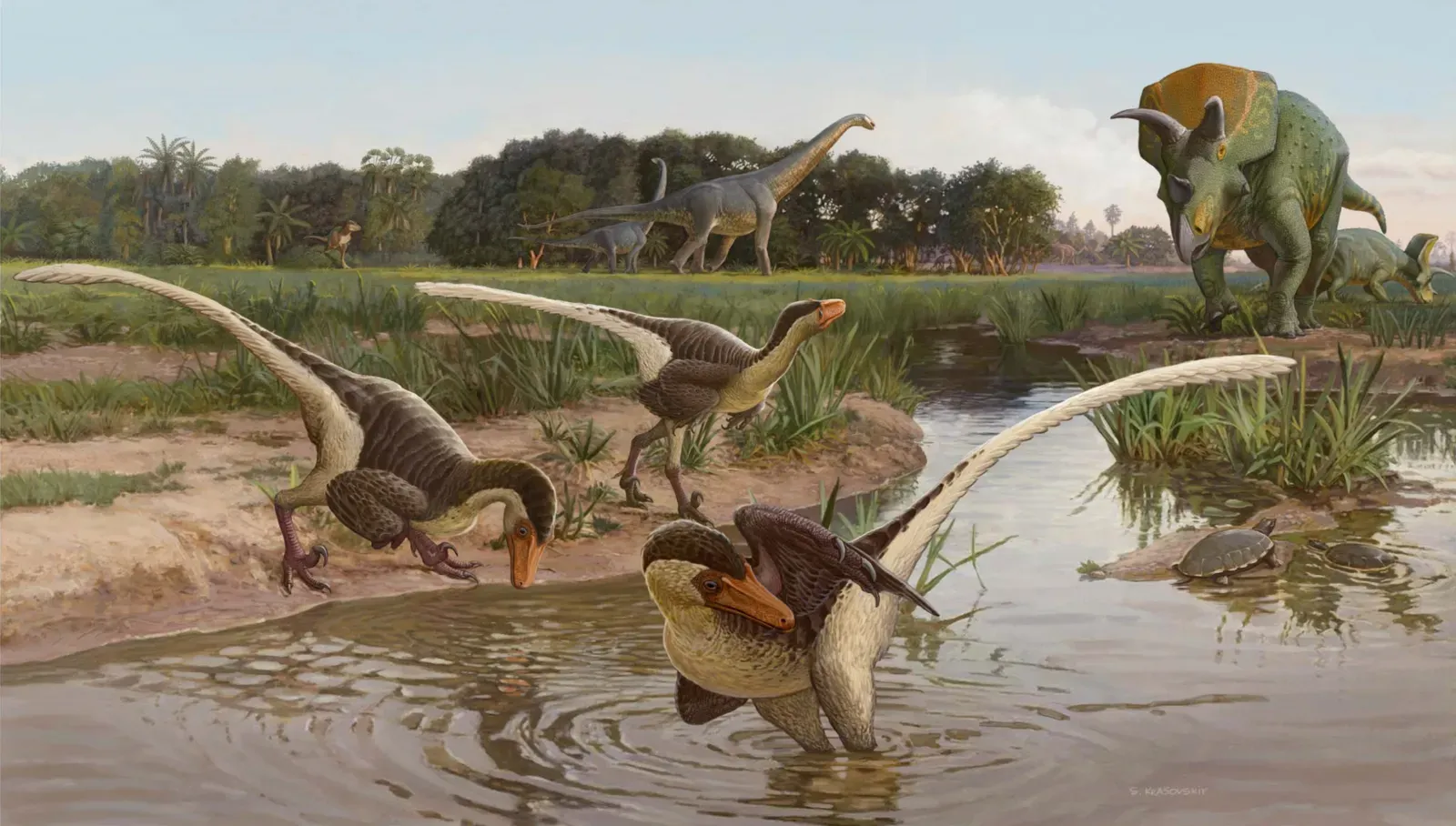
On the flip side of the fossil record, you have the living birds themselves, and their genomes are packed with clues about their deep history. Large studies that sample hundreds or even thousands of genetic markers across dozens or hundreds of bird species keep recovering the same basic picture: birds share a common ancestor nested among small theropod dinosaurs, and major bird groups radiated rapidly after the end‑Cretaceous extinction. When you look closely, you see genetic patterns that match shifts you already know from fossils – such as changes in body size, skull shape, and limb proportions.
You can think of a bird genome as a palimpsest, a manuscript that has been written over many times but still carries faint traces of older text underneath. Certain gene families related to feathers, metabolism, and skeletal development show patterns of duplication and modification that make sense only if you assume a dinosaur origin. Even features like high metabolic rate, complex lungs, and strong, lightweight bones – things you associate with birds – emerge more naturally when you see them as refinements of traits that were already evolving in their dinosaur ancestors. The genetics does not stand alone, but it adds depth and timing you simply cannot get from bones by themselves.
Chickens, Ostriches, and Emus: Your Everyday Dinosaur Proxies
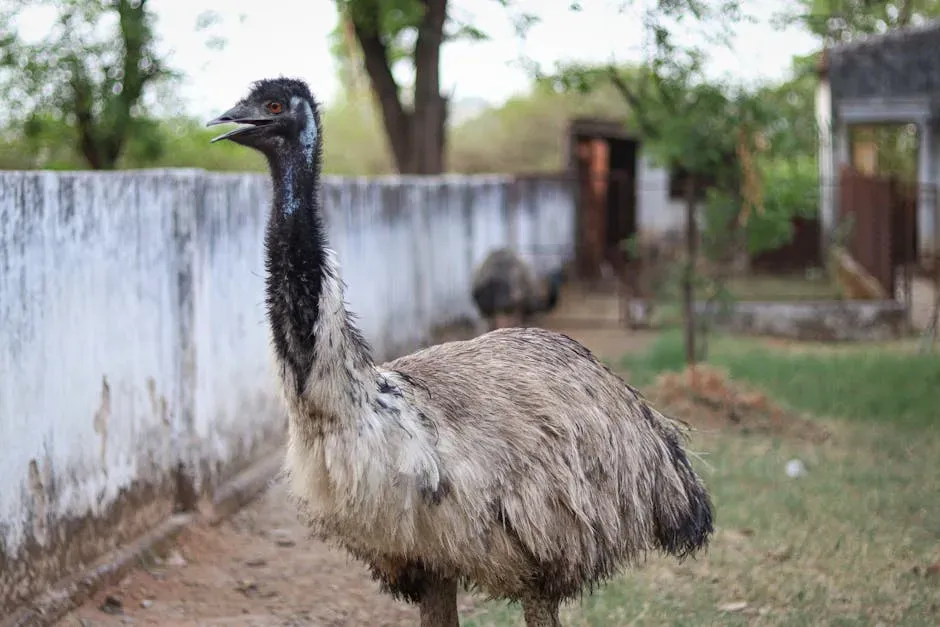
If you want to feel the dinosaur connection in your everyday life, you do not have to visit a museum; you can look at familiar birds that have become genetic workhorses for science. Chickens, for instance, have well‑studied genomes and are constantly compared to other animals in evolutionary research. When molecular fragments from dinosaurs like T. rex are lined up against living animals, chickens and other birds often come out as the closest matches among tested species. That does not mean a chicken is “mostly T. rex,” but it does mean both share a more recent common ancestor with each other than with, say, snakes or lizards.
Larger ground‑dwelling birds such as ostriches and emus give you another window into the past. Their skeletons and skull development show patterns that echo what you see in non‑avian dinosaur fossils, and their DNA places them near the base of the modern bird family tree. When you watch an emu run, with its powerful legs, long neck, and steady, forward‑facing gaze, you are seeing a living body plan that is much easier to imagine scaled up into a mid‑sized theropod than turned into any modern reptile. The genetic links simply back up what your eyes already suspect once you know what to look for.
Feather Color, Structure, and the Story Locked in Pigments
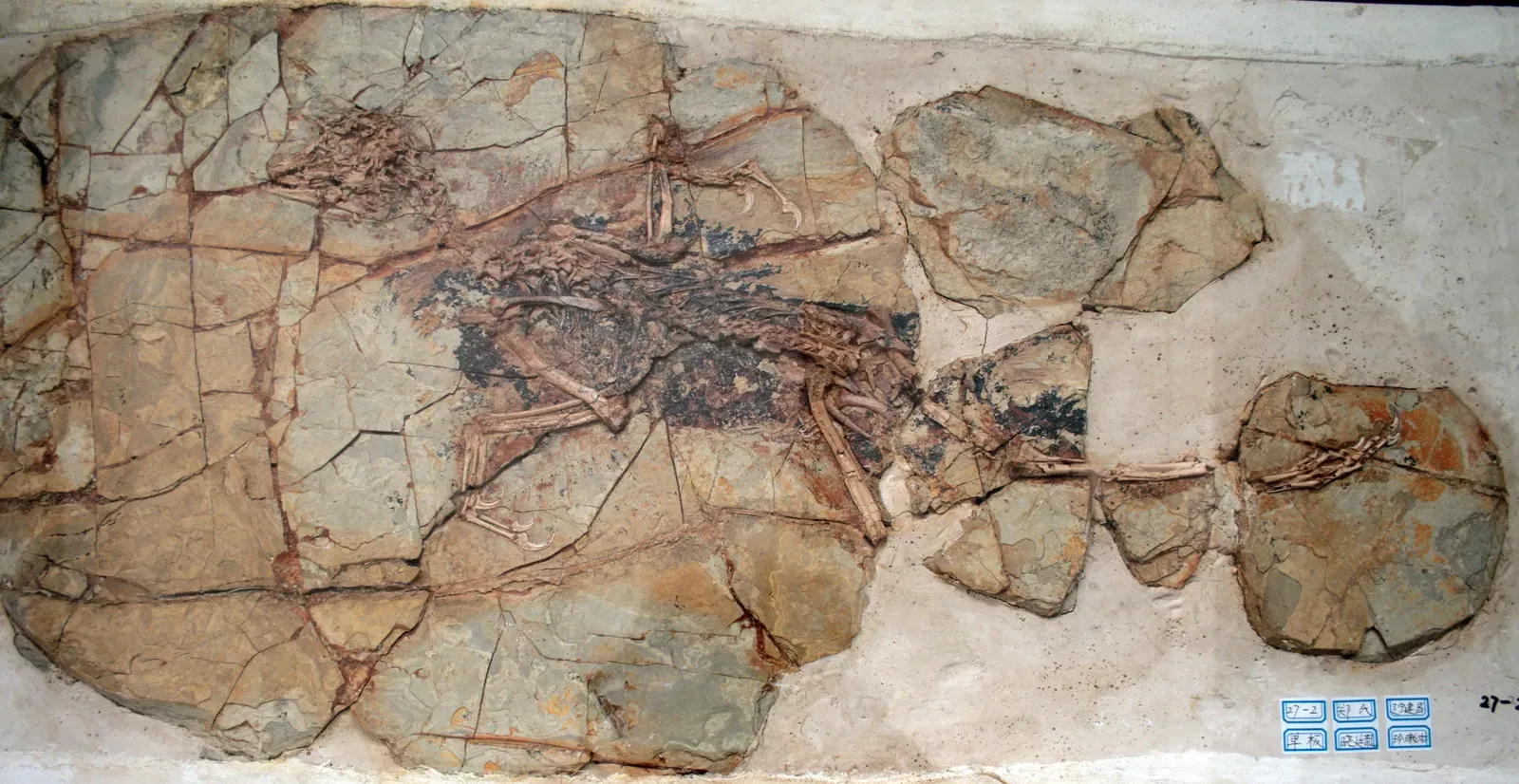
Uploaded by FunkMonk, CC BY-SA 2.0)
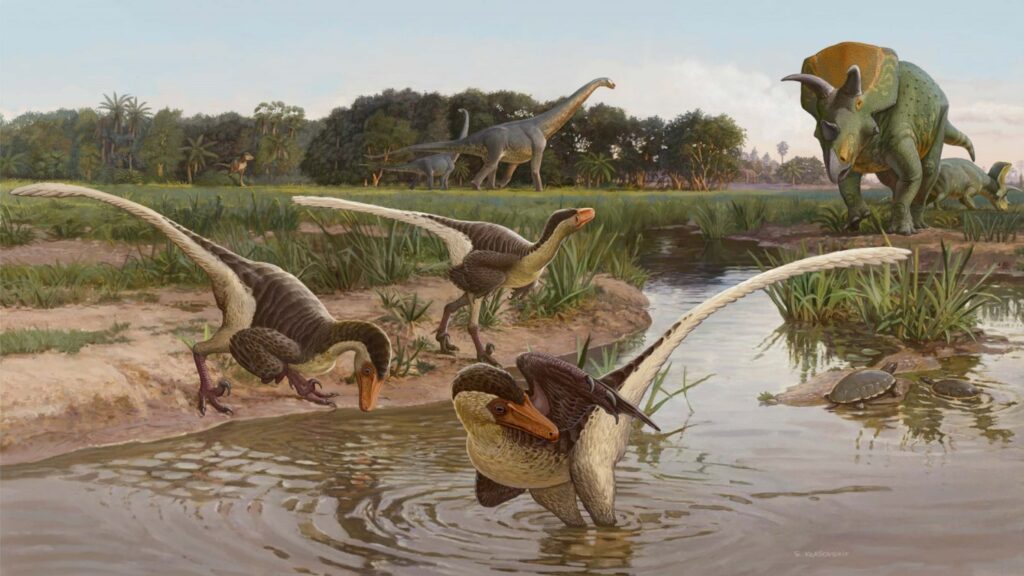
Genetics is not just about skeletal traits or deep ancestry; it also helps you read the colors and surface details of ancient animals. In well‑preserved feathered fossils, scientists have found microscopic pigment structures whose shapes and arrangements can be tied to particular colors in modern birds. Although you are not sequencing dinosaur plumage genes directly, you can combine those pigment clues with what is known about feather and color genes in living birds to reconstruct plausible color patterns for some species. That is why you now see scientifically informed illustrations of small, striped, or banded dinosaurs rather than the drab, gray monsters of older books.
The discovery that ancient dinosaur feathers already had the strong, bird‑like protein framework also supports more complex colors and patterns than many people assumed. Modern bird colors often rely on the precise arrangement of proteins and pigments inside feather structures, producing everything from glossy black crows to iridescent hummingbirds. When you find that early feathers shared that structural backbone, you are free to imagine a Cretaceous landscape speckled with patterned, perhaps even shimmering, dinosaur plumage. Your mental picture shifts from a low‑resolution cartoon to something closer to a vivid, high‑definition scene.
Eggshells, DNA Fragments, and the Deep History of Bird Reproduction
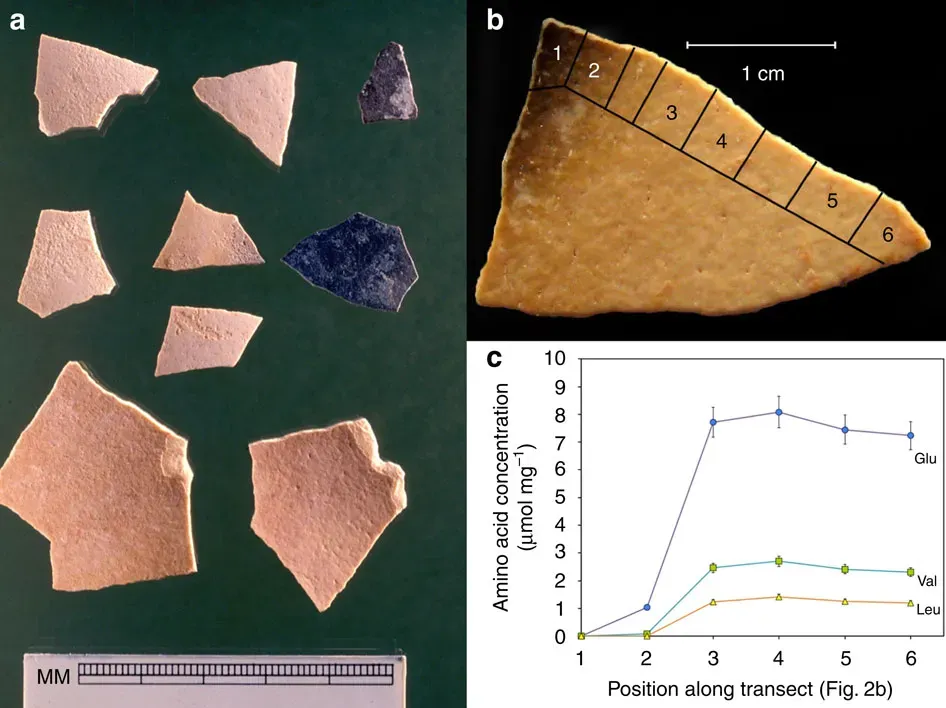
It is easy to focus only on bones and feathers, but eggs are another powerful bridge between dinosaurs and birds. Modern bird eggshells contain a mix of minerals and proteins that can sometimes preserve tiny fragments of DNA for surprisingly long periods under the right conditions. Techniques developed on fossil bird eggshells have allowed scientists to pull out ancient DNA from large, extinct birds and compare it with living lineages, revealing how quickly some giants evolved and how they fit into the avian family tree. These methods show that eggs can act as time capsules for genetic information, at least on the scale of hundreds of thousands to a few million years.
For non‑avian dinosaurs, the time spans are even longer and the DNA is much more degraded, but the same logic applies to shell structure and protein composition. When you examine fossil dinosaur eggs and compare their microstructure and chemistry to modern bird eggs, you find strong parallels in how the shells formed, how gas exchange likely worked, and how embryos developed. Even when true DNA is long gone, the pattern of proteins and minerals tells you that bird reproduction did not appear from nowhere; it grew out of systems that were already in place in their dinosaur ancestors. The genetics and biochemistry are simply adding fine print to a story paleontologists have been sketching for decades.
Why You Should Be Skeptical of Jurassic Park–Style Dinosaur DNA
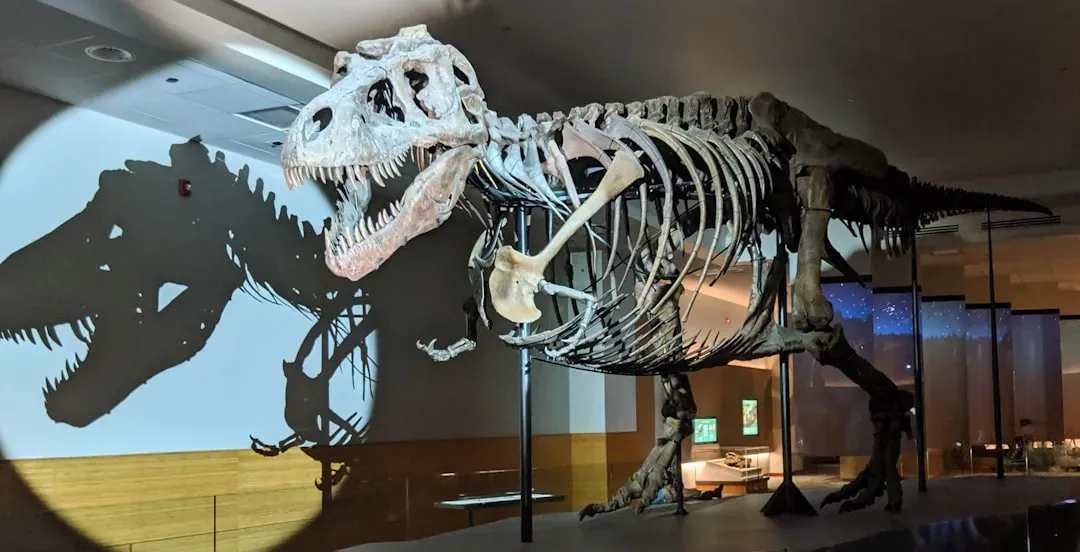
At this point you might be wondering: if proteins and occasional chemical hints of DNA can survive, why are scientists so adamant that you cannot just clone a dinosaur? The answer lies in how quickly full DNA sequences break down compared to tougher molecules like collagen or feather proteins. Over tens of millions of years, the long strands of DNA shatter, react with surrounding minerals, and become so scrambled that, as far as usable genetic code goes, you are dealing with noise rather than a readable script. The fragments that remain can sometimes tell you that a dinosaur is closer to birds than to reptiles, but they cannot give you a full instruction manual for rebuilding the animal.
This reality forces you to treat every claim of “dinosaur DNA” with careful scrutiny. The strongest work tends to speak in terms of chemical markers, protein remnants, or patterns inside cell‑like structures, not perfectly preserved genes ready for sequencing. Popular stories about dinosaurs in amber or intact genomes waiting to be revived make for fun movies, but the actual science is quieter and more constrained. The good news is that you do not need a living T. rex to understand its place in the tree of life; the combination of partial molecular traces, detailed fossils, and rich bird genetics already gives you a surprisingly sharp picture of how these creatures are related.
How This Changes the Way You See Evolution – and Your Backyard
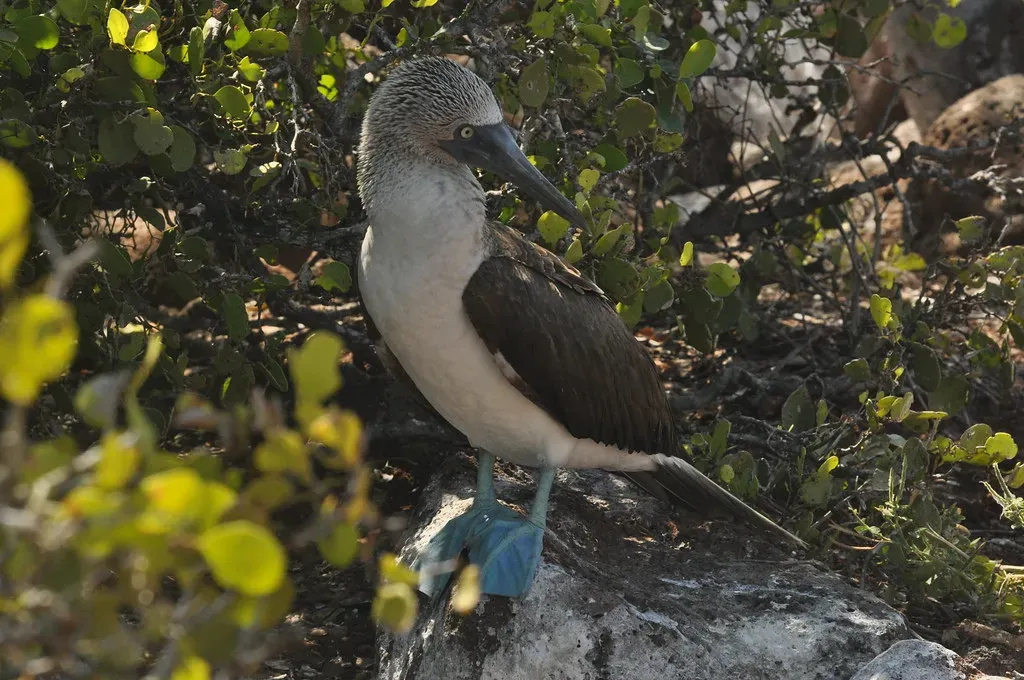
Once you let this genetic and molecular evidence sink in, evolution stops feeling like a series of disconnected chapters and starts to look more like one continuous, branching narrative. Instead of picturing dinosaurs as a dead, sealed‑off group, you can see that one slender branch of their lineage made it through a global extinction, shrank in body size, refined feathers and flight, and then exploded into the nearly countless bird species you see today. The fossils give you the snapshots; the genetics helps you connect them, estimate when key shifts happened, and test how different traits might have evolved together.
On a personal level, this connection can make your everyday encounters with birds feel almost uncanny. I still remember the first time I watched a heron stalk through shallow water after learning about the dinosaur–bird link at a deeper, genetic level; suddenly, the line between Jurassic swamp and modern wetland felt paper thin. You do not have to be a scientist to feel that, either. The next time a hawk glides overhead or a robin tilts its head to listen for worms, you can remind yourself that you are not just watching a bird – you are watching the living, breathing continuation of a story that began with dinosaurs. That realization pulls prehistory right into your backyard.
Conclusion: You Share the Planet With the Last Dinosaurs
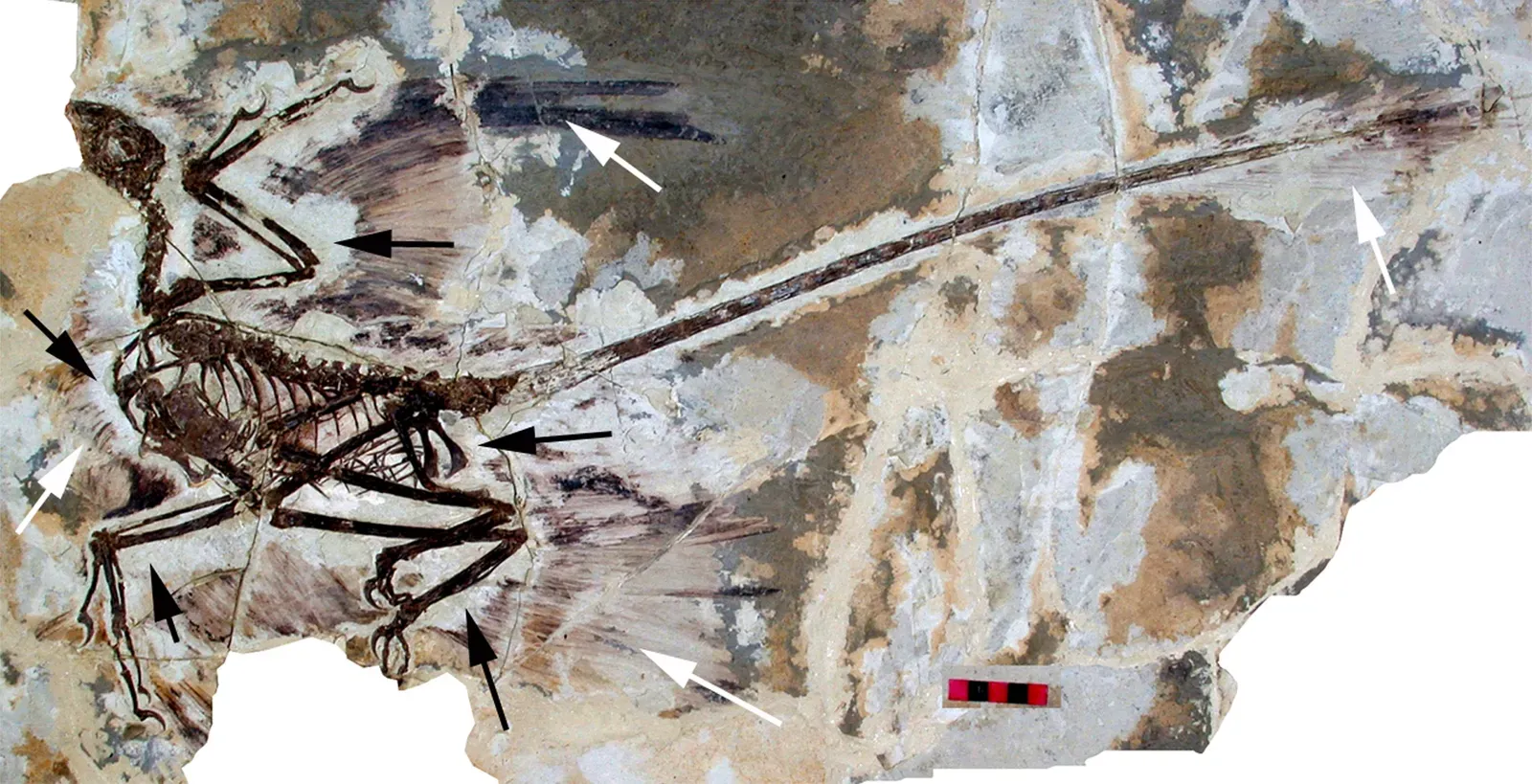
When you pull together the strands of evidence – fossil feathers that share the same core proteins as modern plumage, collagen and cartilage molecules that lean toward birds in evolutionary analyses, egg chemistry that echoes across ages, and vast bird genetic datasets that all point back to small theropod ancestors – the picture becomes hard to ignore. You are not dealing with a loose analogy or a poetic metaphor; birds really are the surviving dinosaurs, written in living DNA instead of stone. The “new” genetic evidence is less about rewriting everything and more about tightening the screws on a framework that was already there, making the dinosaur–bird connection harder and harder to dismiss.
That shift has a quiet but powerful consequence for how you see the world around you. Dinosaurs are not just skeletons in glass cases or creatures trapped on movie screens; they are pecking at seeds, diving for fish, and singing at sunrise. You live in a world where the only dinosaurs that made it through became feathered, airborne, and astonishingly diverse. The next time you hear a sparrow chirp outside your window, will you remember that you are listening to the distant echo of a Jurassic chorus?