New Mexico – Fossils unearthed in the San Juan Basin have upended long-standing views on the final days of non-avian dinosaurs. Researchers determined that these creatures maintained high diversity and formed distinct regional communities right before the catastrophic asteroid impact 66 million years ago. The findings, published in the journal Science, reveal no signs of decline leading into the Cretaceous-Paleogene mass extinction that claimed about 75 percent of Earth’s species.
No Decline in Sight
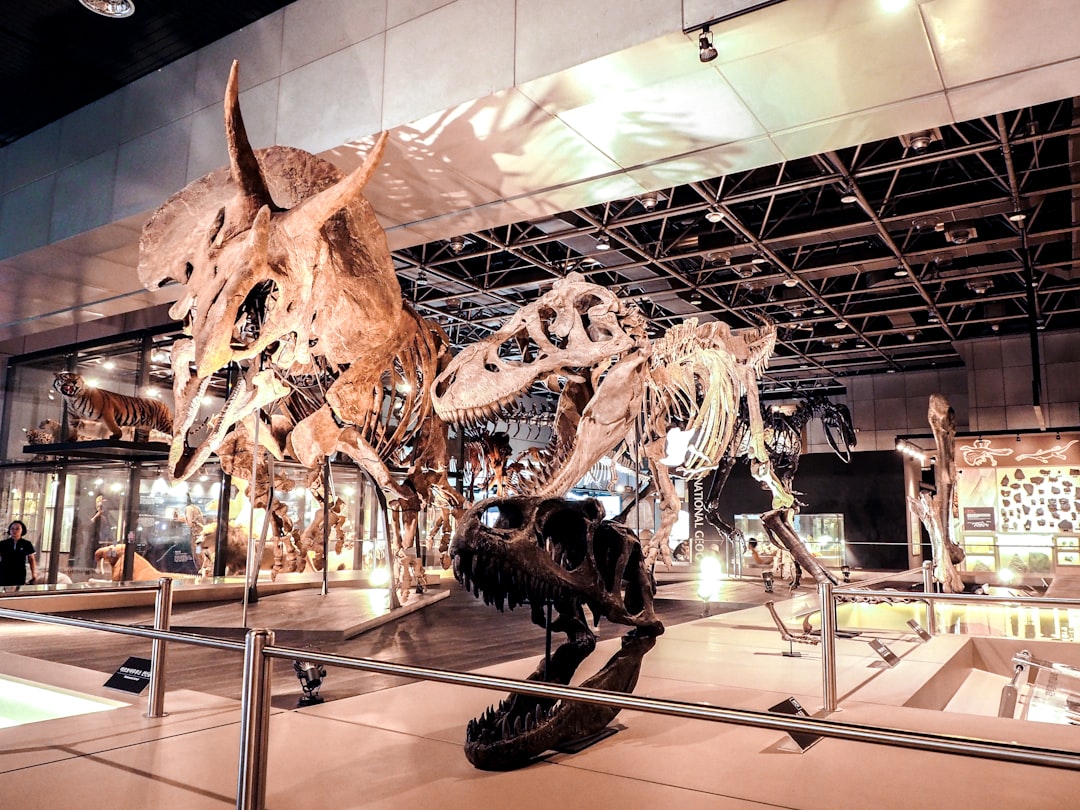
No Decline in Sight (Image Credits: Unsplash)
For decades, paleontologists argued that dinosaurs faded gradually before the asteroid hit the Yucatan Peninsula. Statistical models based on earlier fossils suggested dwindling numbers and variety, leaving them vulnerable to the disaster. Yet this new evidence paints a different picture. Dinosaurs populated vibrant ecosystems until the very end.
First author Andrew Flynn, Ph.D., an assistant professor at New Mexico State University, captured the shift. “What our new research shows is that dinosaurs are not on their way out going into the mass extinction,” he said. “They’re doing great, they’re thriving and that the asteroid impact seems to knock them out.” The study counters notions of a prolonged slump, pinning the extinction squarely on the extraterrestrial event.
Pinning Down the Timeline
The breakthrough came from the Naashoibito Member of the Kirtland Formation in northwestern New Mexico’s De-Na-Zin Wilderness Area, near Farmington. Teams applied high-precision techniques, including detrital-sanidine geochronology and magnetostratigraphy. These methods dated the rock layers and fossils to between 66.4 and 66 million years old – the final 380,000 to 400,000 years of the Cretaceous.
Work spanned over a decade on public lands managed by the U.S. Bureau of Land Management. Collaborators from Baylor University, the Smithsonian Institution, the University of Edinburgh and others analyzed magnetic field reversals in rocks alongside geochemical ages from sandstone crystals. This precision aligned the New Mexico sites exactly with northern exposures like Montana’s Hell Creek Formation.
Regional Worlds of Dinosaurs
Dinosaurs did not roam a uniform landscape. Instead, temperature and geography carved out separate bioprovinces across western North America. Southern groups in New Mexico differed markedly from their northern counterparts. Ecological modeling confirmed high endemism and diversity persisted until the impact.
The table below highlights key contrasts:
| Region | Dominant Species | Key Traits |
|---|---|---|
| Southern (New Mexico) | Alamosaurus (sauropod) | 30-80 tons, 30-50 feet tall, long neck; hadrosaurs, ceratopsians, tyrannosaurids |
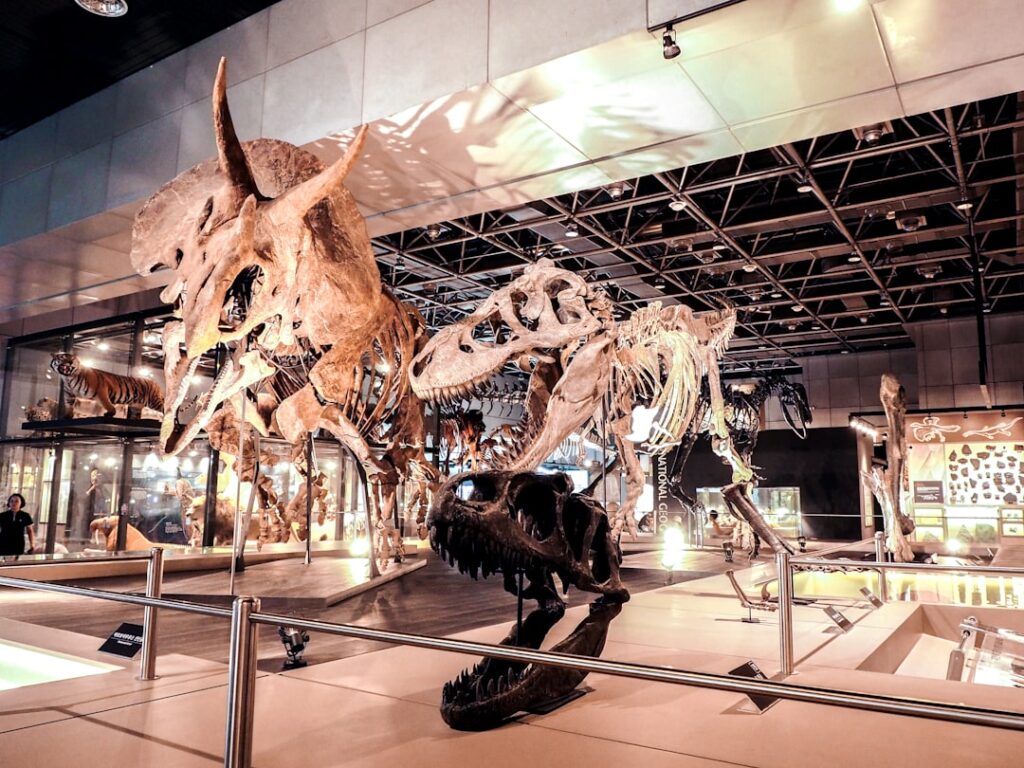
| Northern (Hell Creek) | Triceratops, Edmontosaurus, Tyrannosaurus | Horned and duck-billed herbivores, top predator |
Alamosaurus, a colossal sauropod the length of two semi-trucks, anchored the southern fauna. Daniel Peppe, Ph.D., associate professor of geosciences at Baylor University, noted: “The Naashoibito dinosaurs lived at the same time as the famous Hell Creek species in Montana and the Dakotas… They were not in decline – these were vibrant, diverse communities.”
Mammals Fill the Void
The asteroid’s aftermath unfolded rapidly. Within 300,000 years, surviving mammals diversified into new diets, sizes and roles. Unlike recoveries from other mass extinctions, north-south provinciality endured. Northern and southern mammal communities remained distinct, shaped by lingering temperature gradients.
Stephen L. Brusatte, professor at the University of Edinburgh, emphasized the drama. “These were the dinosaurs that were greeted by the asteroid… There clearly were many types of dinosaurs thriving up until that moment the asteroid ended it all.” The shift marked not just an end, but a pivot to mammalian dominance.
Key Takeaways
- Dinosaurs showed no pre-impact decline; diverse communities thrived across regions.
- Precise dating places New Mexico fossils in the last moments of the Cretaceous.
- Asteroid strike alone triggered the extinction, reshaping life on Earth.
This research underscores how sudden catastrophes can erase even the mightiest dominators. It also highlights the value of protected fossil sites for unraveling deep history. What lessons does this hold for modern biodiversity? Share your thoughts in the comments.