For most of the twentieth century, the popular image of a dinosaur was of a creature operating alone. A solitary hunter, or a slow-moving herbivore wandering aimlessly across a Mesozoic landscape. That picture is rapidly coming apart. With each new dig, each reanalyzed bonebed, and each technological leap in paleontology, the evidence points toward something far richer: dinosaurs that lived in structured groups, cared for their young, communicated, and in some cases maintained social bonds across generations.
Our understanding of dinosaur behavior has long been hampered by the inevitable lack of evidence from animals that went extinct more than sixty-five million years ago, whose daily behaviors are rarely reflected in the fossil record. Today, however, with the discovery of new specimens and the development of cutting-edge techniques, paleontologists are making major advances in reconstructing how dinosaurs lived and acted. What you’re about to explore is a field in genuine motion, one that is quietly rewriting everything we thought we knew.
The Oldest Evidence of Herding: Mussaurus and the Jurassic Social Life
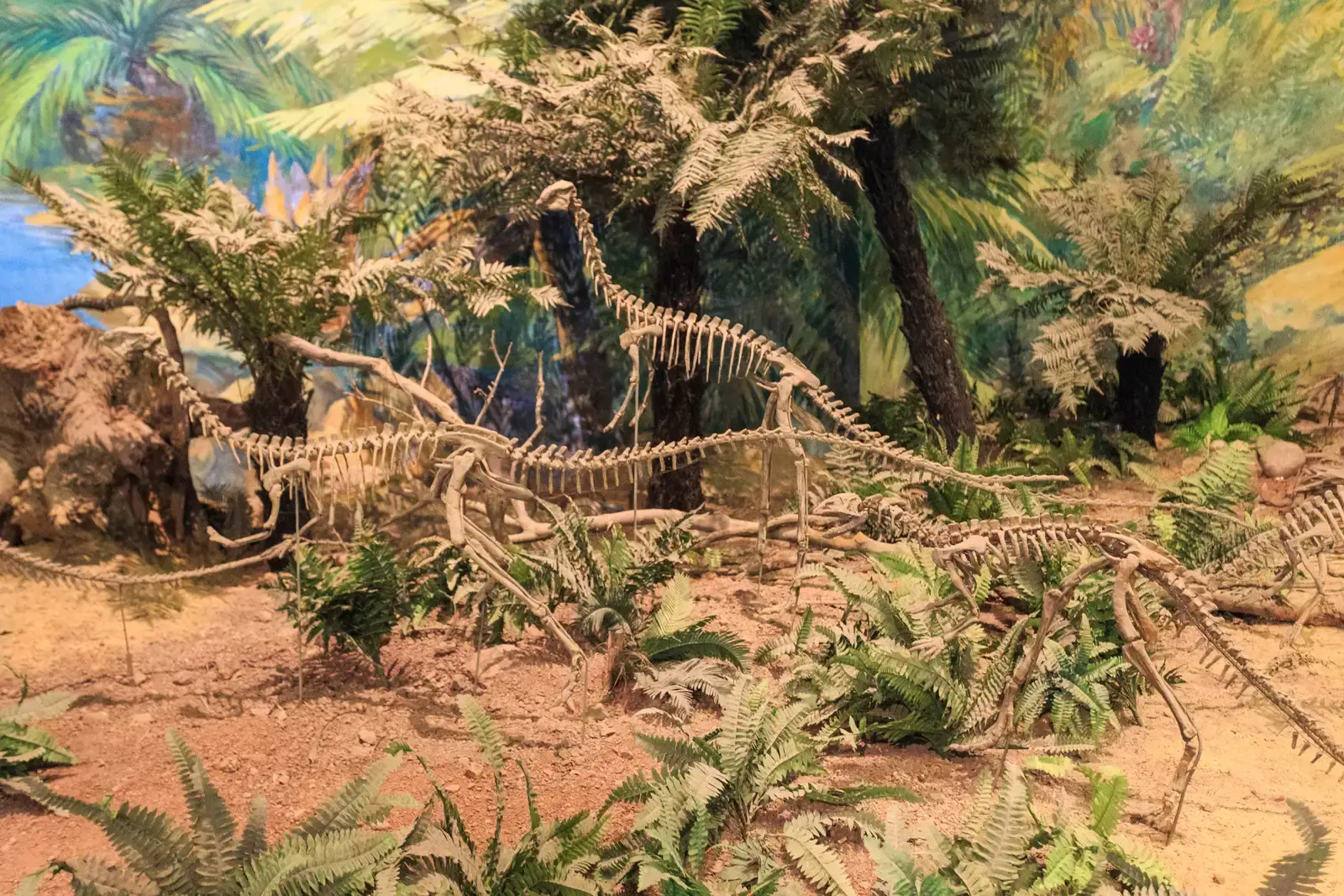
Scientists believe they have found the earliest evidence for complex herd behavior in dinosaurs. Researchers say Mussaurus patagonicus may have lived in herds some 193 million years ago, a full 40 million years earlier than other records of dinosaur herding. That’s not a minor revision to the timeline. It means that by the time many dinosaur lineages had barely taken root, social living was already a going concern.
In Patagonia, an exceptional fossil occurrence was documented that includes over 100 eggs and skeletal specimens of 80 individuals of Mussaurus patagonicus, ranging from embryos to fully-grown adults. Most specimens were found in a restricted area, with some articulated skeletons grouped in clusters of individuals of approximately the same age. These discoveries indicate the presence of social cohesion throughout life and age-segregation within a herd structure, in addition to colonial nesting behavior. Think of it as the Mesozoic equivalent of a multigenerational community, with the young staying close and the adults foraging further out.
Age Segregation: When Young Dinosaurs Kept Their Own Company
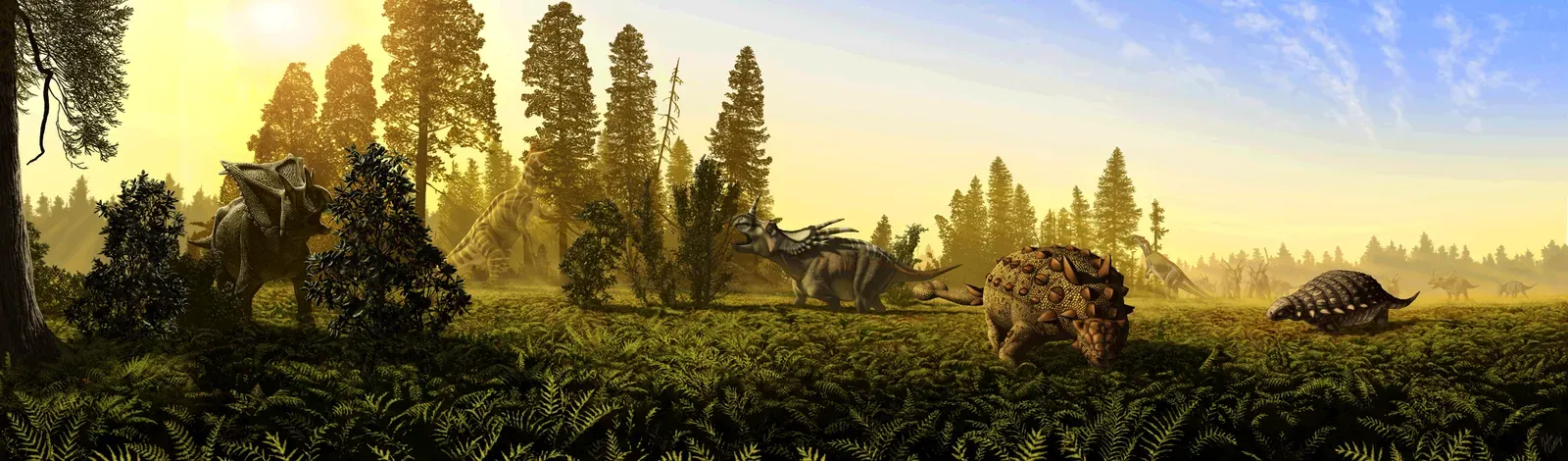
Each nest in the Mussaurus site was found in a relatively small area, suggesting that these dinosaurs raised their young in a communal breeding ground. Scientists noticed how animals of a similar age were buried together: the eggs and young hatchlings in one spot, teenagers in another, and adults found alone or in a pair. This phenomenon is known as “age segregation” and it’s an indication of herding behavior. The young stayed close to each other while the adults protected the herd and foraged for food.
A growing body of evidence hints that dinosaurs were not wholly solitary or gregarious over the course of their lives, but rather behaved differently at different ages. A study of the hadrosaur Hypacrosaurus underscores this shift in our understanding. Published in Palaeogeography, Palaeoclimatology, Palaeoecology, the study focused on Hypacrosaurus bonebeds in Montana and Alberta for insight into the social lives of the dinosaurs. The age and distribution of the bones indicates that Hypacrosaurus stayed in juvenile herds until they were about four years old, at which time they joined multigenerational herds. You’d find a similar pattern today in species like elephants or wildebeest, where age plays a direct role in social grouping.
Bonebeds and Trackways: Reading the Fossil Record for Group Living
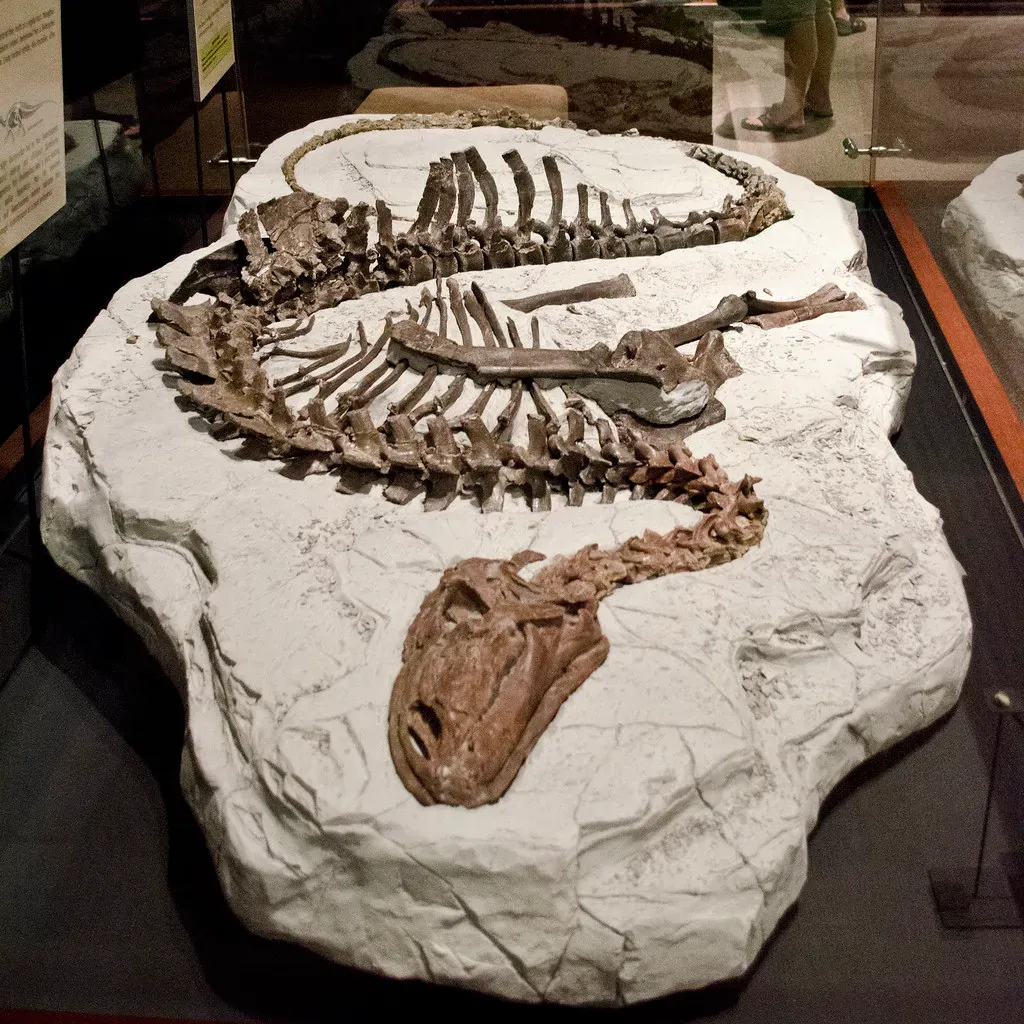
Gregariousness, or dwelling in groups, is best inferred by discovering monospecific bonebeds with individuals of different ages. When you find a mass burial that contains hatchlings, juveniles, and full-grown adults of the same species, all preserved together in the same sediment layer, the odds of them being a random accumulation become very slim. In the last two decades alone, several assemblages of ceratopsians and duckbills containing thousands of individuals have been found.
These occurrences of multiple skeletal remains have repeatedly been reinforced by dinosaur footprints as evidence of herding. Trackways along the Paluxy riverbed in central Texas preserve a series of giant sauropod footsteps in limestone of the Early Cretaceous Period. Because the tracks are nearly parallel and all progress in the same direction, researchers concluded that these sauropod trackmakers passed in a single herd. Trackway accumulations can even provide information about herd structure, the spatial organization of individuals within a group, as well as speed and direction of travel. You’re essentially watching a Jurassic commute, frozen in stone.
Cross-Species Herding: When Different Dinosaurs Traveled Together
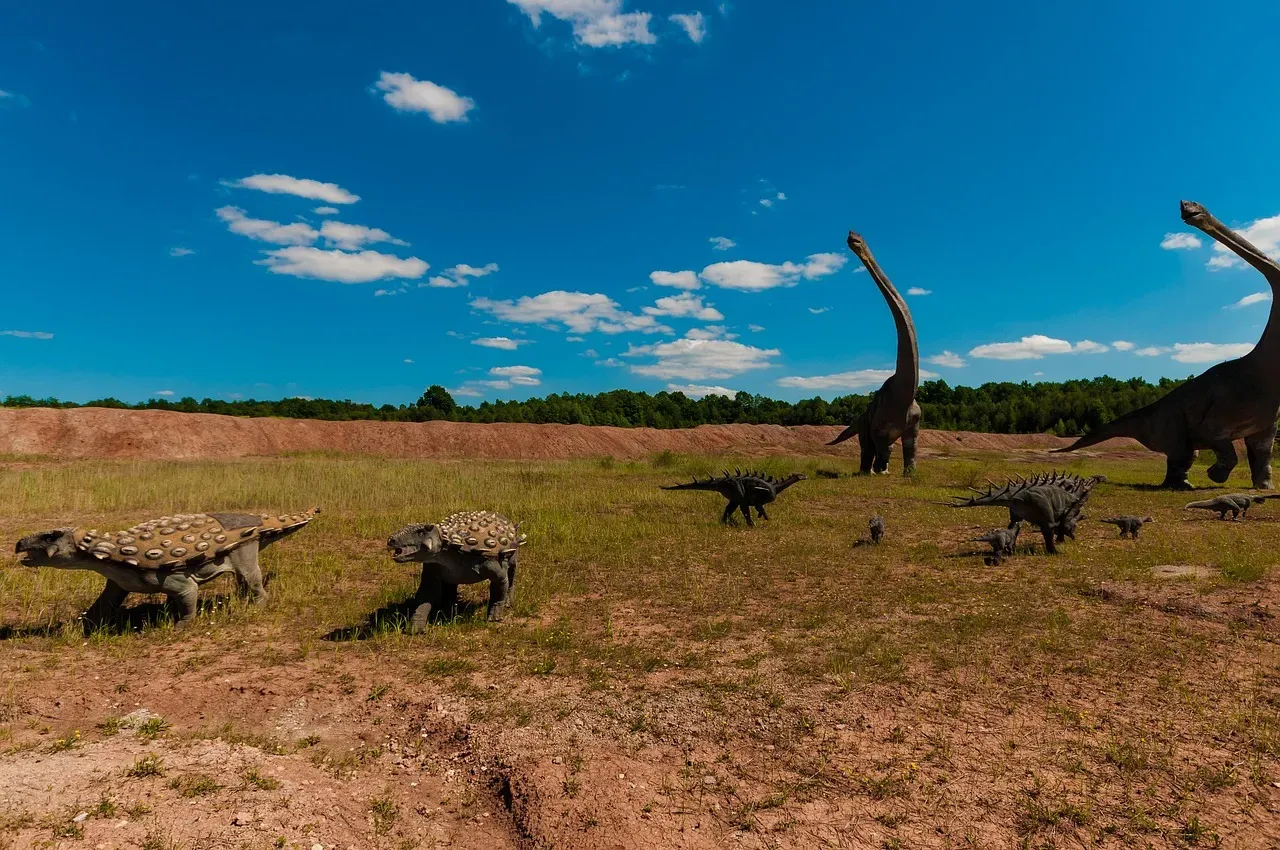
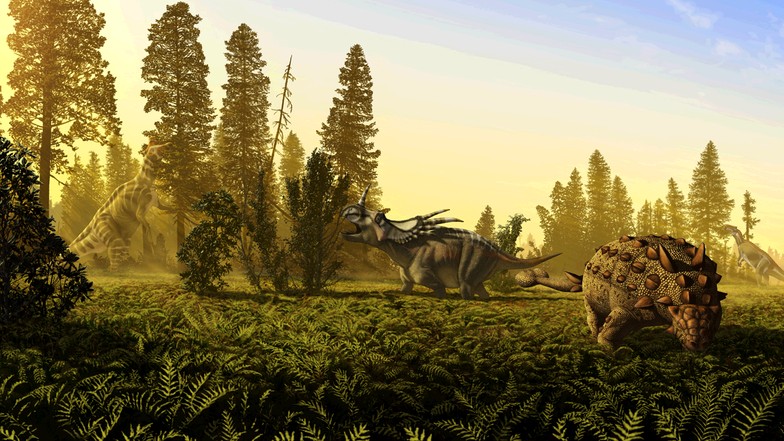
Fossil footprints of a mixed herd of ceratopsians and ankylosaurs have been discovered in Dinosaur Provincial Park, Canada. Why would different species herd together? The most logical inference is that species with different sensory and defensive mechanisms could increase the overall survival rate of the herd by cooperating. It’s a strategy you can still observe today on the African savanna, where zebras and wildebeest travel and graze in proximity, each benefiting from what the other detects.
Like modern herbivores, different species appear to have cooperated to protect themselves from predators, and this discovery is considered evidence that ceratopsians and ankylosaurs engaged in complex social behavior. The discovery of tyrannosaurid footprints nearby strongly supports this hypothesis. What you’re looking at here isn’t a random coincidence of fossils. It’s a snapshot of an actual ecosystem decision, made in real time, by animals that understood safety in numbers even across species lines.
Parental Care and Communal Nesting: Raising Young Together
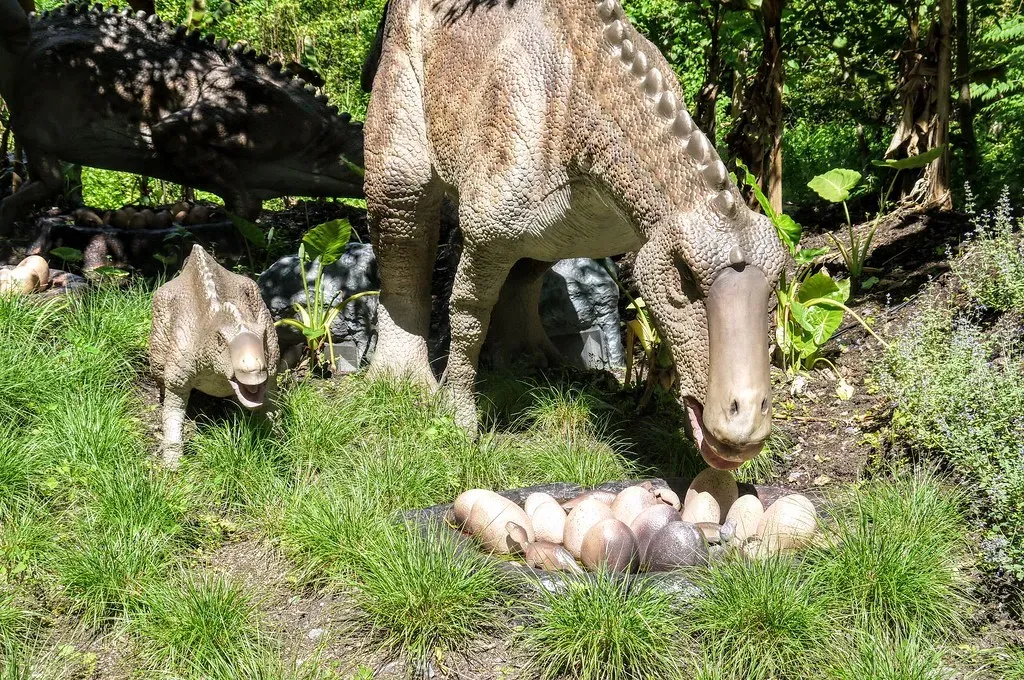
Fossils offer the most direct evidence that dinosaurs cared for their newborns. The best example is the hadrosaur Maiasaura, meaning “good mother lizard.” In 1979, Jack Horner discovered adult skeletons near babies, suggesting that parents brought food to offspring and guarded nests from predators. The clutches of Maiasaura eggs were spread apart, meaning that the dinosaur nested in colonies. These nesting grounds were preserved in successive layers, meaning that parents returned to the same grounds to mate, possibly every year like many birds today.
Parental care is also implied by the fossilized remains of a grouping of Psittacosaurus consisting of one adult and 34 juveniles. In this case, the large number of juveniles may be due to communal nesting. Dinosaurs nested in colonies and returned to the same nesting areas on a regular basis. Some hatchling dinosaurs were nest-bound, and were brought food by their parents. These kinds of baby dinosaurs grew very fast in the confines of their nests. If that sounds familiar, it’s because you can see almost identical behavior in modern ground-nesting birds today.
Visual and Auditory Signals: How Dinosaurs May Have Communicated
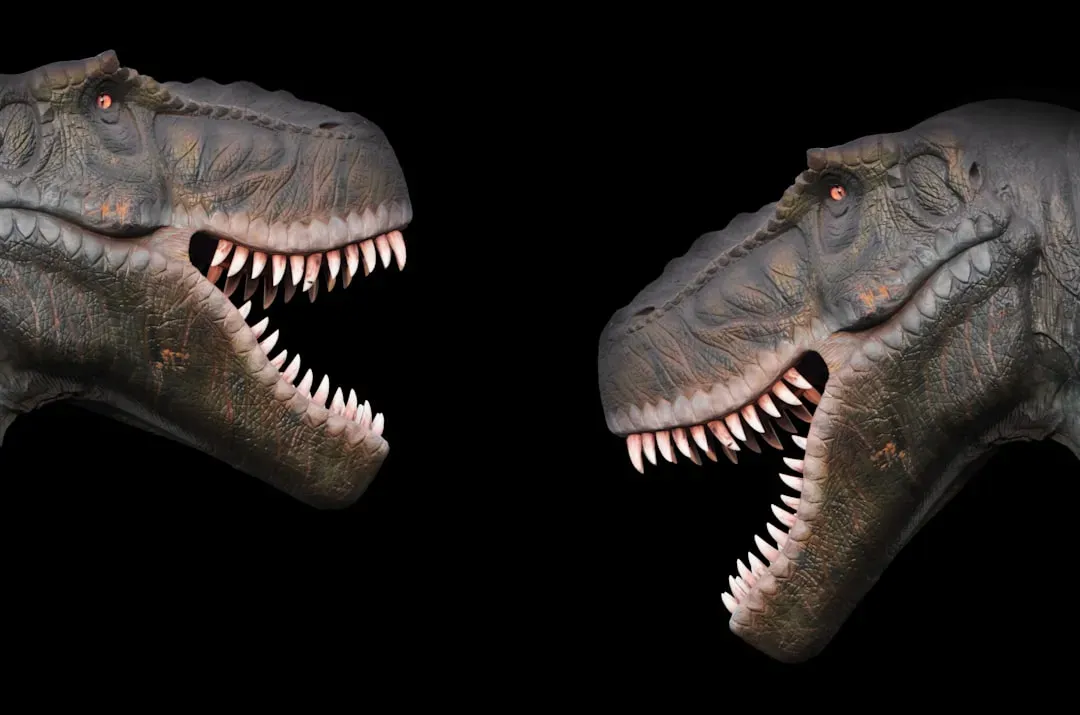
One of the most intriguing areas of research concerns signaling between dinosaurs, examining how the anatomy of ceratopsians supports the use of frills and horns as sociosexual signals, as well as the evidence for auditory signals in hadrosaurs and other dinosaurs, and how they might have used color. Communication, in other words, wasn’t just a possibility. It was likely built into the architecture of their bodies. Archosaurs are very communicative animals, and both birds and crocodilians have large repertoires of calls and signals. Almost assuredly, non-avian dinosaurs did the same.
Paleontologists have recently pieced together the colors and patterns of some feathered dinosaurs, using electron microscopes to see tiny preserved structures that once contained the pigments of the animals in life. This is something that scientists used to think was probably impossible. Right now it can only tell us so much, as it just tells us the color of the individual animal at the time of its death. Even so, color pattern research hints at display behavior, and display behavior is almost never a solitary act. You display because someone else is watching.
What Living Relatives Tell Us: Birds, Crocodilians, and the Social Inheritance
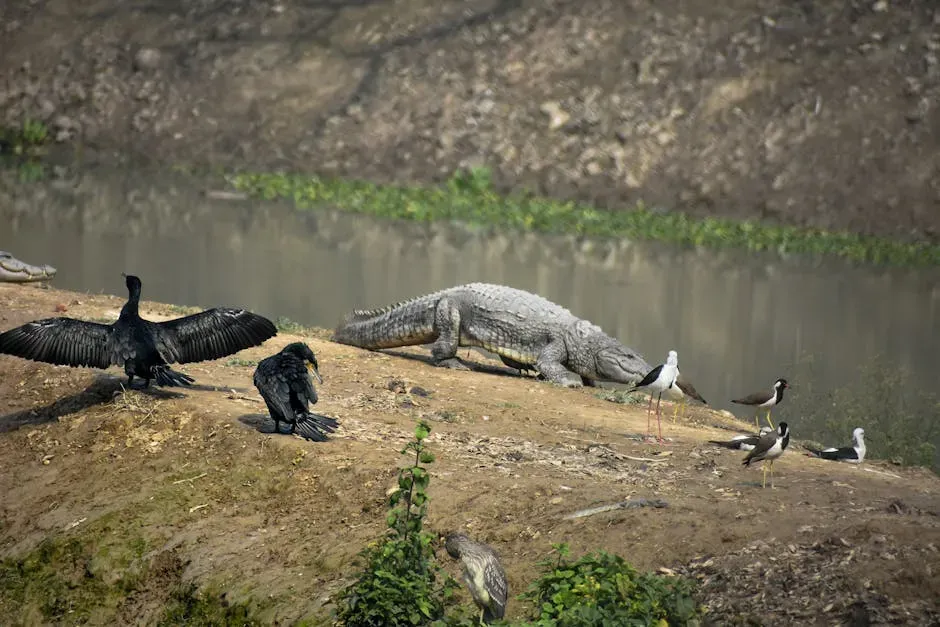
There is general agreement that some behaviors which are common in crocodiles and birds, dinosaurs’ closest living relatives, were also common among dinosaurs. This isn’t guesswork. It’s a method called phylogenetic bracketing, where if two living relatives of an extinct animal share a behavior, it’s reasonable to infer the ancestor shared it too. Parental care of babies for at least several weeks is present in both modern crocodilians and modern birds, implying that this trait was present in archosaurs ancestrally. Birds have long been known to bring food to their babies, and there are cases of crocodilians in captivity doing the same.
Although we have numerous examples of several individuals of a dinosaur species found together, this doesn’t necessarily mean that the species habitually lived in groups, let alone that their near relatives did. Cats are generally solitary animals, but if you inferred the social behavior of lions or cheetahs from tigers and pumas, you’d think these animals lived their lives alone. The comparison is a useful reminder that evidence should be read carefully. Still, when you stack bonebeds, trackways, nesting colonies, and anatomical signals on top of what we already know about birds and crocodilians, the cumulative case for dinosaur sociality becomes genuinely compelling. If multiple separate lines of dinosaurs lived in herds, researchers believe the social behavior may have evolved earlier, perhaps as far back as their common ancestor in the late Triassic.
Conclusion
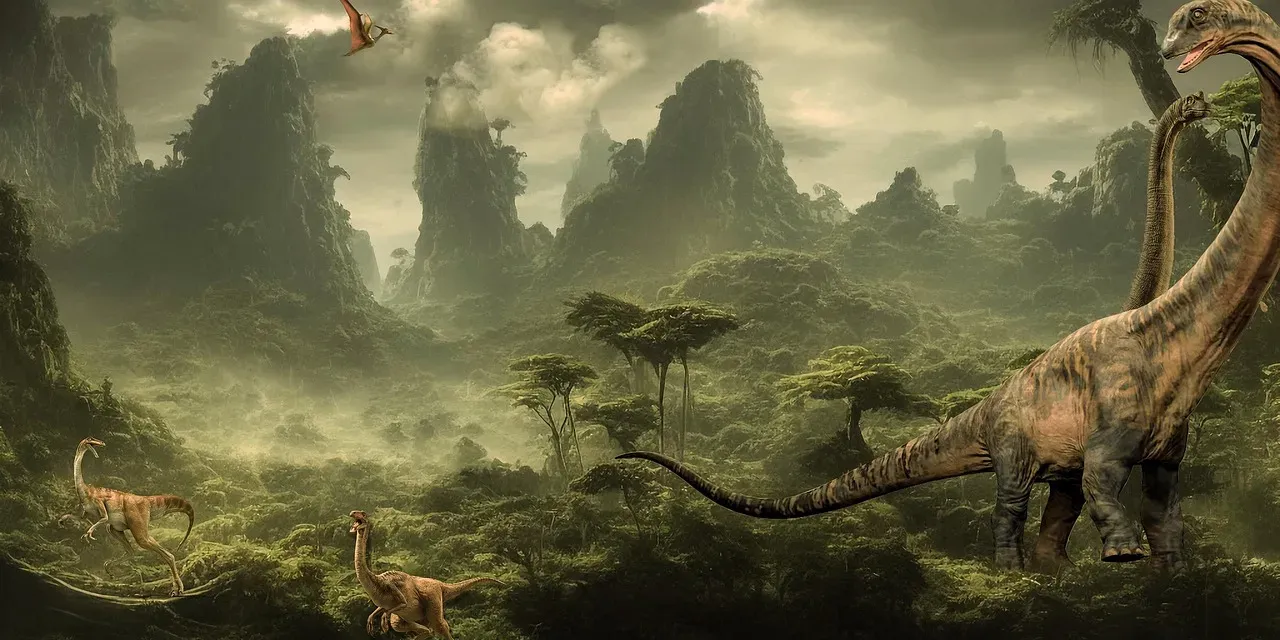
The solitary, brutish dinosaur of older imagination was always more a reflection of our assumptions than of the actual evidence. What the fossil record is increasingly telling you is that many dinosaurs lived in structured, socially layered groups, cared for their young, communicated through sight and sound, and in some cases may have cooperated even across species lines. None of this makes dinosaurs cuddly, but it makes them real in a way that a solitary monster never could.
Paleontology is still early in this conversation. Much of what we know is tentative, and honest researchers are the first to say so. There are a lot of vague and undefined terms leading to confusion in this field, along with overly strong conclusions based on limited evidence. We do know, and can work out, a lot of dinosaur behavior, but the field can do a lot of things a lot better. That kind of scientific humility is actually a good sign. It means the questions are still open, and the answers, when they come, will be worth waiting for. The deeper we dig, the more social these ancient animals become.