Every time you think science has settled what a dinosaur looked like, how it moved, or what it ate, another fossil crawls out of the earth and flips the whole conversation on its head. Honestly, that is what makes paleontology one of the most exhilarating fields in all of science. It is never truly finished. It keeps evolving, season after season, discovery after discovery.
Dinosaurs may be long extinct, but recent years have made it abundantly clear that they are anything but settled science. New fossils, reanalyses of famous specimens, and the use of increasingly sophisticated tools have continued to upend what we thought we knew about how these animals lived, moved, fed, and evolved. The picture that emerges from the latest research is stranger, richer, and far more surprising than anything those classic textbook illustrations ever suggested. So let’s dive in.
The Golden Era of Discovery Is Right Now
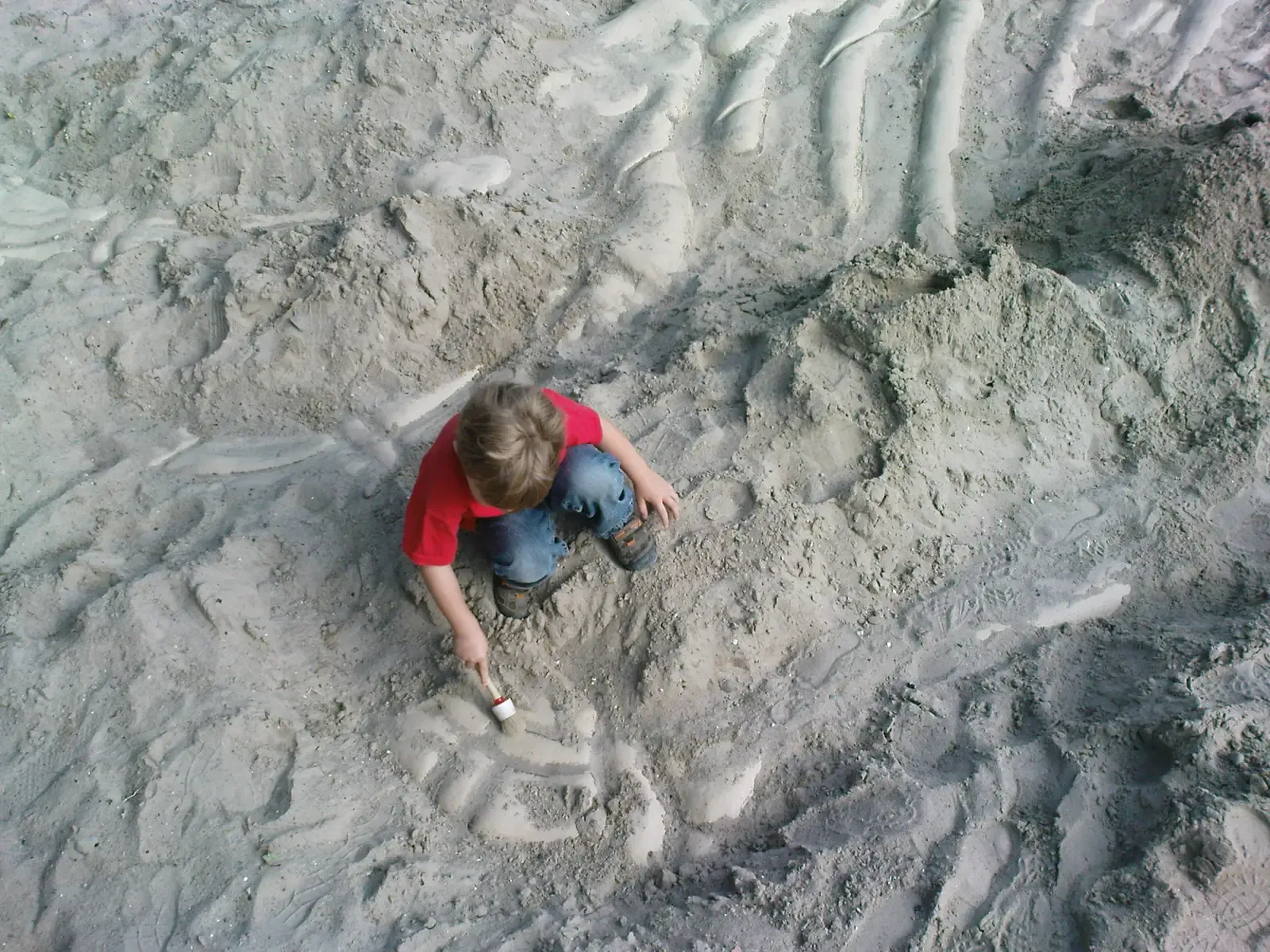
If you imagined that the age of truly groundbreaking dinosaur discovery was something that happened in the late 1800s, think again. A golden era in dinosaur science is driving a global fascination with these ancient creatures. Around 1,400 dinosaur species are now known from more than 90 countries, with the rate of discovery accelerating in the last two decades. The year 2025 alone saw the discovery of 44 new dinosaur species, nearly one a week. That is a staggering pace.
Many new discoveries come from paleontological hotspots such as Argentina, China, Mongolia, and the US, but dinosaur fossils are also being found in many other places, from a Serbian village to the rainswept coast of northwest Scotland. Paleontology in 2025 proved once again that Earth still holds extraordinary stories in stone, amber, and microscopic cellular archives. Over the past year, fossil finds and scientific breakthroughs captured global attention, reshaped evolutionary family trees, revealed ancient behavior, and even pushed the boundaries of molecular preservation.
Nanotyrannus Is Real and It Rewrites T. rex History
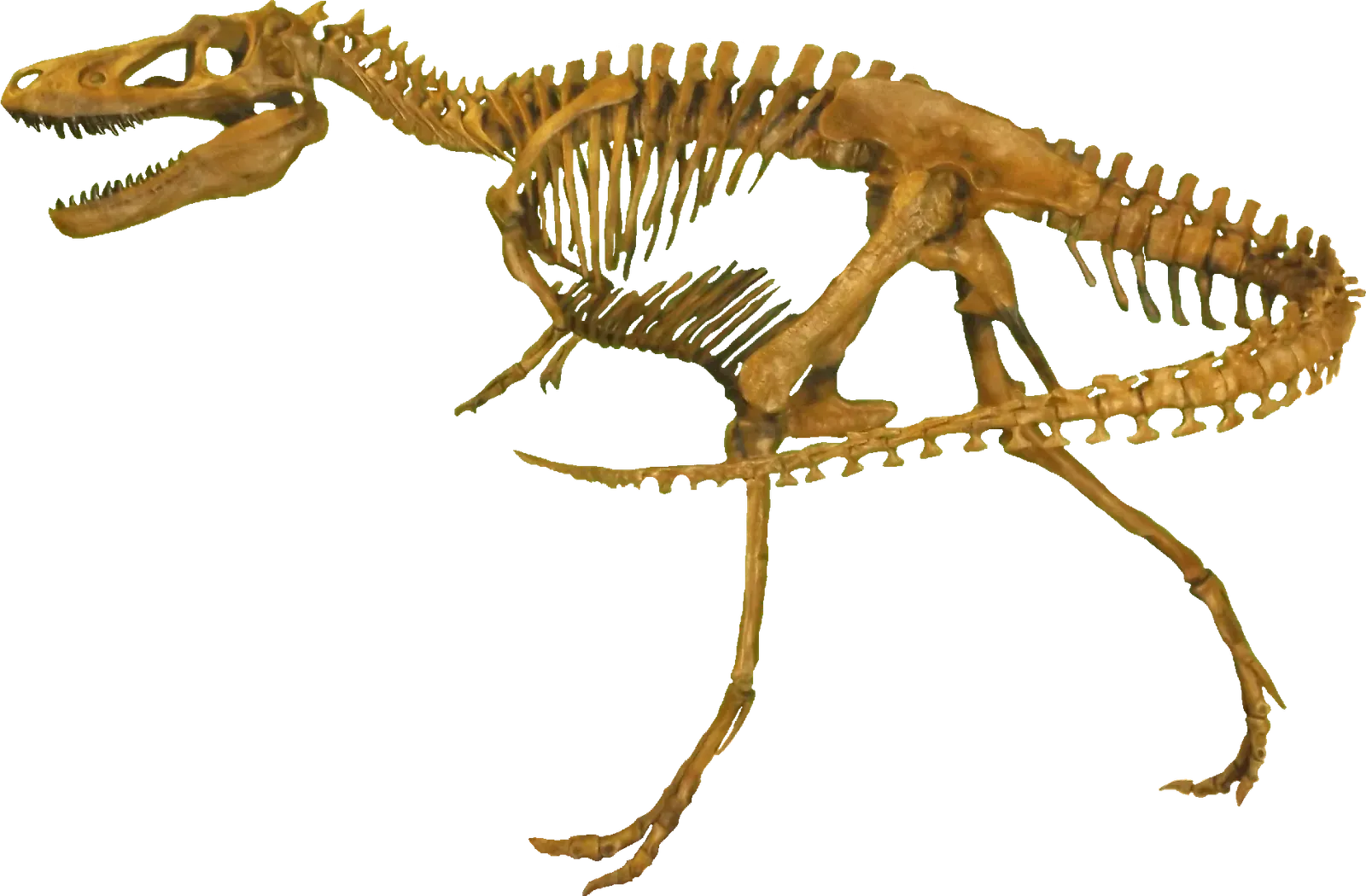
Let’s be real: few debates in all of paleontology have been as heated, as personal, or as long-running as the question of whether Nanotyrannus was its own species or just a teenage T. rex. Since a predatory creature was first named in 1988, paleontologists argued for decades over whether medium-sized tyrannosaur fossils found in the same rocks as the iconic Tyrannosaurus rex were juvenile T. rex or a unique and distinct predator. In recent years, the bulk of the evidence appeared to favor the juvenile T. rex hypothesis. Then everything changed.
The skeleton’s fusing spinal sutures and growth rings show it was fully grown when it died at roughly 20 years of age. Its anatomy reveals traits that form early in development and do not change with age, including fewer tail vertebrae, more teeth, larger hands, and different skull nerve and sinus patterns. These differences make it biologically impossible for Nanotyrannus to grow into a T. rex. Confirmation of the validity of Nanotyrannus means that predator diversity in the last million years of the Cretaceous was much higher than previously thought, and it also challenges the idea of a low-diversity ecosystem vulnerable to extinction.
Inside the Stomach of a Giant: Sauropod Gut Contents Revealed
Here is the thing about those enormous long-necked sauropods we have all seen depicted in museums and documentary films. For all their iconic status, almost everything paleontologists knew about their actual diet was educated guesswork, built on teeth, bone structure, and comparisons with living animals. That changed in a major way in 2025. As lead author Stephen Poropat of Curtin University noted, no genuine sauropod gut contents had ever been found anywhere before, despite sauropods being known from fossils found on every continent and despite the group being known to span at least 130 million years of time.
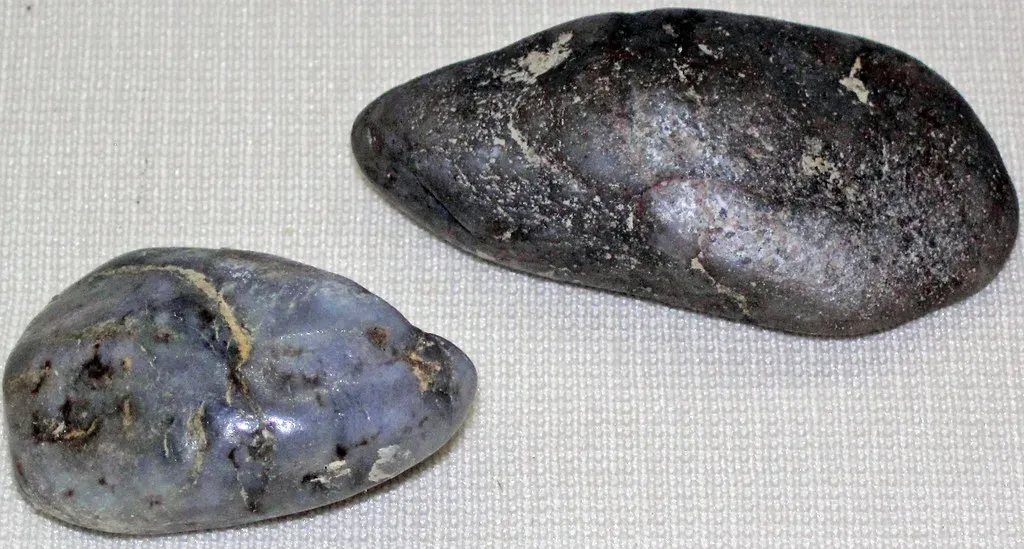
Paleontologists found fossilized gut contents, or cololites, among the bones of a sauropod dinosaur named Diamantinasaurus. The fossilized meal contained conifer cones, leaves of flowering plants, and fruit from seed ferns. The pieces had not so much been chewed as plucked and broken up, and they had been selected from both low to the ground and high in the forest. As the first gut contents ever found inside a sauropod dinosaur, the partially digested vegetation confirms that sauropods used their long necks to reach high and low to grab plant food, swallowing quickly to let their stomachs do most of the hard work of breaking it down.
Warm Blood, Cold Blood, or Something In Between?
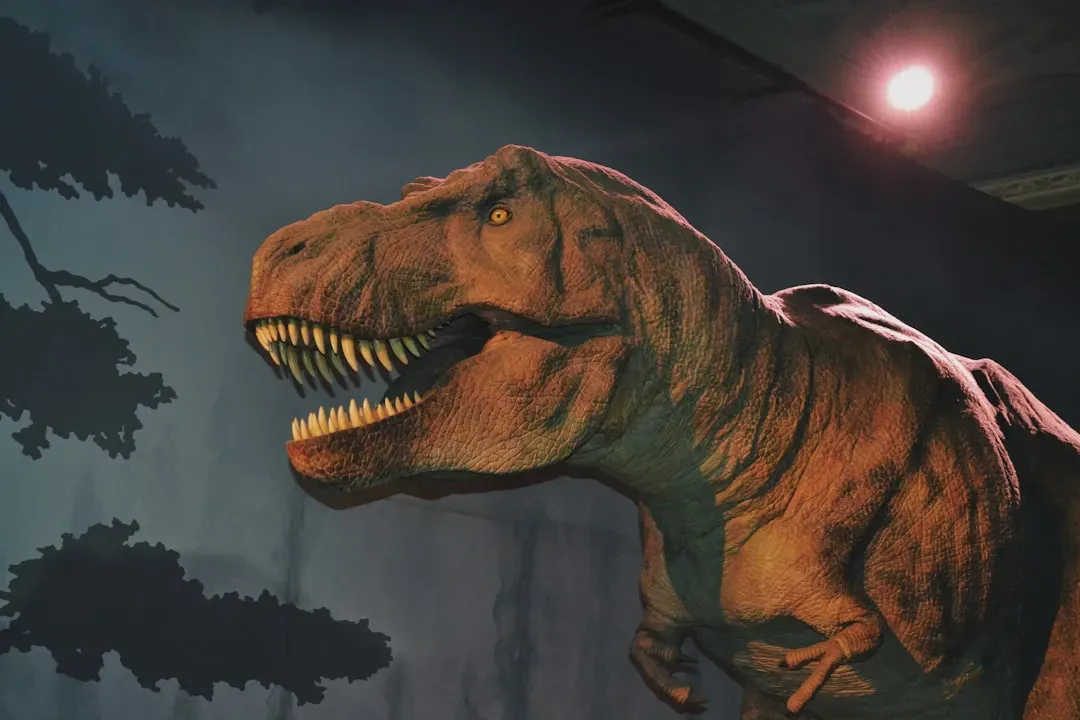
For a long time, the image of the dinosaur was simple: a big, cold-blooded, sun-basking reptile. That image is now thoroughly dismantled. In the early 20th century, dinosaurs were considered slow-moving, cold-blooded animals like modern-day reptiles, relying on heat from the sun to regulate their temperature. Newer discoveries indicate some dinosaur types were likely capable of generating their own body heat, though when this adaptation occurred remains an active area of research.
A major study published in Current Biology looked at the spread of dinosaurs across different climates on Earth throughout the Mesozoic Era, drawing on 1,000 fossils, climate models, and dinosaur evolutionary trees. The research team found that two of the three main groupings of dinosaurs, theropods such as T. rex and Velociraptor, and ornithischians including relatives of Stegosaurus and Triceratops, moved to colder climates during the Early Jurassic, suggesting they may have developed endothermy at that time. Yet intriguingly, researchers also found that sauropods seemed to thrive in arid, savanna-like environments, supporting the idea that their restriction to warmer climates was more related to higher temperatures and a more cold-blooded physiology. Think of it like three different groups of animals, all living in the same world, but running on fundamentally different biological engines.
Preserved Blood Vessels and the Molecular Frontier
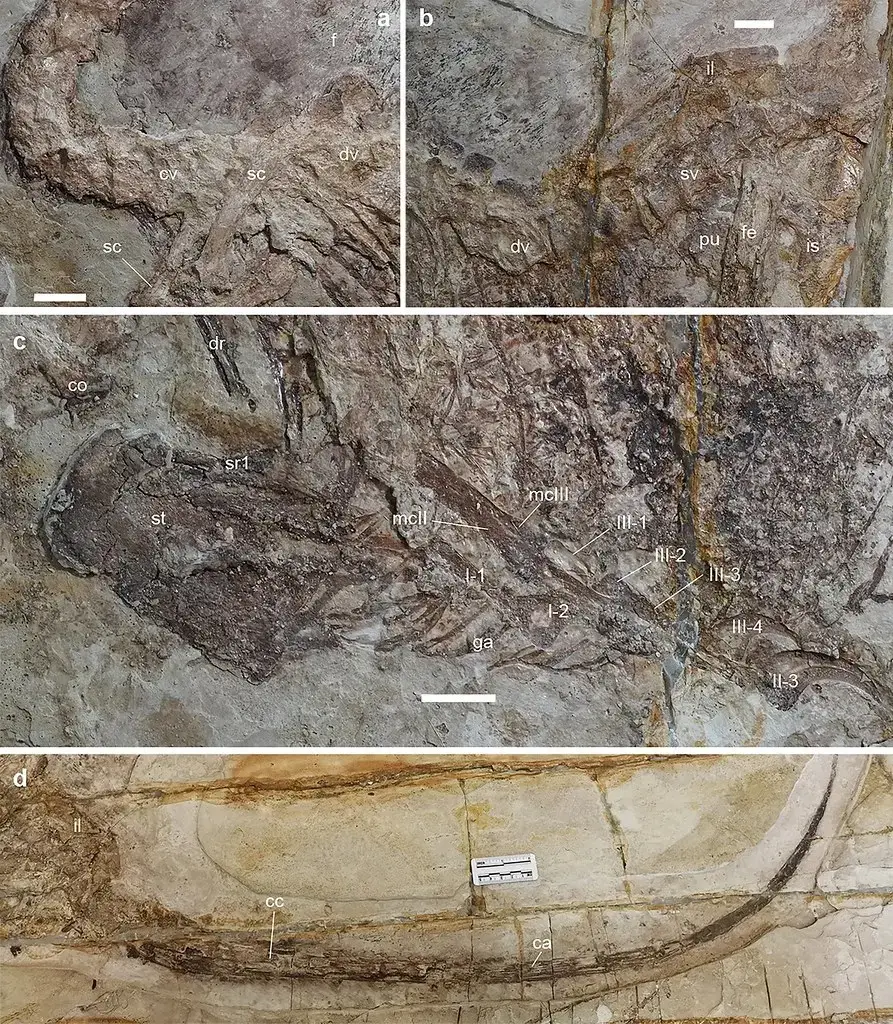
I know it sounds crazy, but paleontologists are now finding soft tissue clues inside bones that are tens of millions of years old. Published in Scientific Reports in July 2025, a new study reported the discovery of remnants of blood vessels inside a rib from the famous T. rex skeleton known as Scotty. The vessels were not the original soft tissues. Rather, minerals made natural casts of the blood vessels, allowing them to be preserved and later visualized. The vessels came from an area of Scotty’s rib that had been fractured, and future studies of such preserved structures may help paleontologists better understand how dinosaurs healed.
Researchers have also studied the composition of vascular-like microstructures isolated from dinosaur fossils from the Judith River and Hell Creek formations, interpreting their findings as supporting the endogenous origin of the studied structures. New techniques used to analyze soft tissue in dinosaur fossils may even hold the key to new cancer discoveries. Researchers have analyzed dinosaur fossils using advanced paleoproteomic techniques, a method that holds promise for uncovering molecular data that was previously thought impossible to access. That is the sort of crossover between ancient life and modern medicine that genuinely stops you in your tracks.
Dinosaurs Were Thriving Right Up to the End
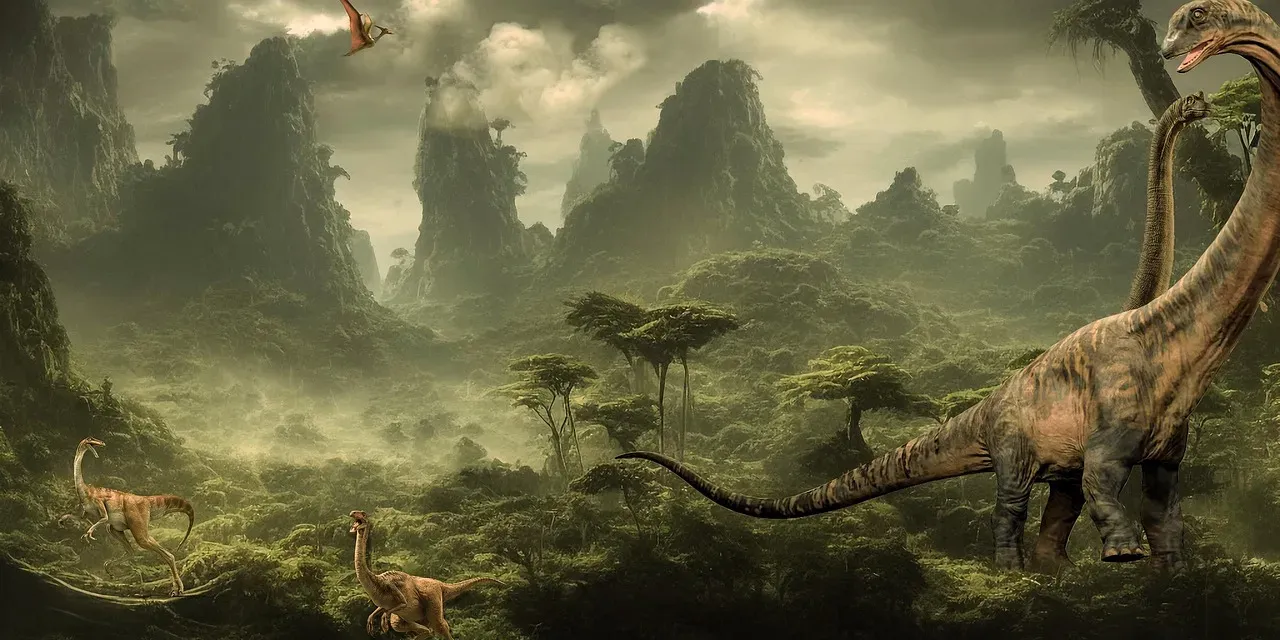
One of the most persistent old theories held that dinosaurs were already in decline long before the asteroid struck 66 million years ago. The fossil record was painted as a slow fade, a gradual collapse, a world already unraveling. New evidence is aggressively challenging that view. New finds in New Mexico reveal a species-rich and diverse dinosaur ecosystem thriving literally just before the asteroid impact. There has been a long debate over whether dinosaurs were slowly going extinct prior to the asteroid, or if the main event singularly wiped them out. Coupled with other sites in North America, this research reveals that dinosaurs might have kept going strong if not for that catastrophic cosmic intervention.
Fossil evidence strongly suggests that dinosaurs were not dying out before the asteroid hit. They were thriving in vibrant, diverse habitats across North America, with distinct biological provinces of dinosaurs existing until the very end. Dinosaurs living in prehistoric New Mexico before the asteroid strike were different species than those found to the north. For decades, paleontologists have investigated whether non-avian dinosaurs were still going strong at the end of the Cretaceous, or if they were already declining before the infamous strike. The answer, it now seems, is firmly the former.
New Fossils, New Species, and a Punk Rock Dinosaur
Beyond the headline-grabbing rediscoveries, 2025 also delivered a string of genuinely new and bizarre animals that nobody had ever imagined before. The stunning skeleton of Zavacephale, a one-meter-long plant-eating dinosaur, was discovered in 110-million-year-old rocks in the Gobi Desert of Mongolia. It is the oldest known member of the pachycephalosaurs, a group of dinosaurs famed for their domed skulls, probably used to butt heads like today’s bighorn sheep. The discovery of Zavacephale is considered critical to understanding the early evolution of this previously enigmatic group.
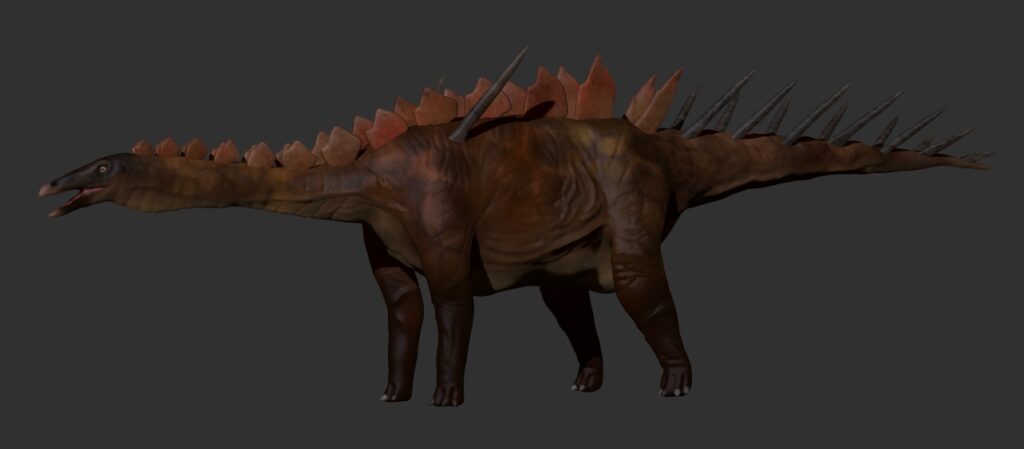
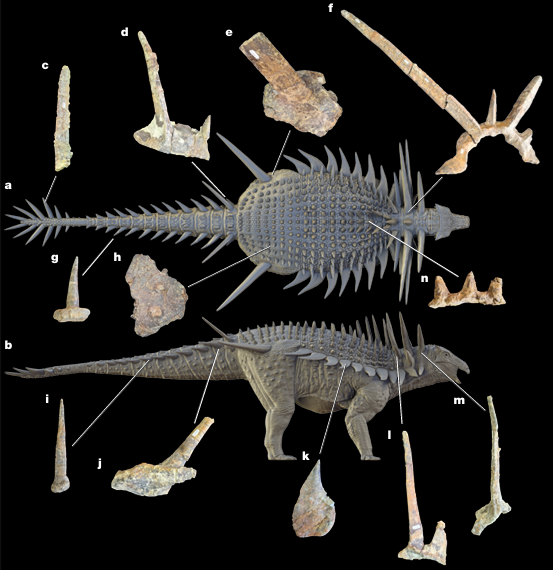
New fossils also showed that Spicomellus is the oldest known member of the ankylosaurs, heavily armored, squat plant-eaters described as resembling walking coffee tables. Dubbed the punk rock dinosaur by the BBC, Spicomellus is changing our understanding of ankylosaur evolution while also highlighting the importance of the Moroccan fossil record. Meanwhile, a six-meter-long ornithopod called Istiorachis was described, featuring a striking sail-like structure running along its back. This sail may have been a display structure used to attract mates and to deter predators by making the 128-million-year-old animal look bigger. The Mesozoic world just keeps getting stranger and more spectacular the closer you look.
Conclusion
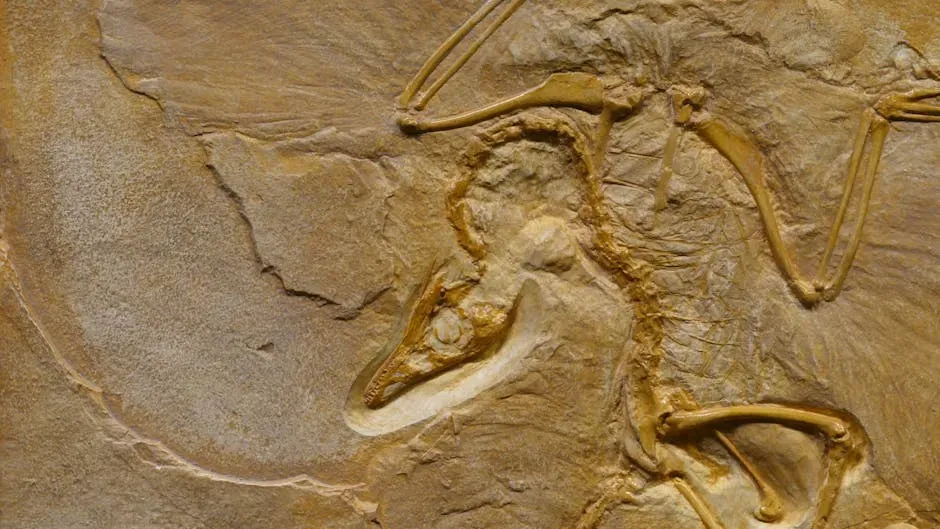
What the latest wave of paleontological discoveries tells us, loudly and clearly, is that everything we thought we knew about dinosaurs is a working draft, not a finished manuscript. From the identity of T. rex’s ancient rivals, to the warm beating hearts of ancient theropods, to the barely-chewed stomach contents of a sauropod who lived 95 million years ago, the science keeps revealing creatures that are richer, more complex, and more surprising than any Hollywood film has ever managed to portray.
The fossils are still out there, locked in rock on every continent, waiting. From reinterpretations of iconic predators to ancient trackways that capture fleeting moments of Jurassic life, recent research has shown how much information is still locked inside bones, teeth, and footprints that have been studied for decades. Paleontology is not about dusting off the past, but opening new windows to peer into it. So the next time you look at a museum exhibit and think you know the whole story, remember: the earth almost certainly has a few more surprises buried just beneath your feet. What would you have guessed was still left to discover?