
If you have a hard time sitting still, you might tell yourself it is because you are ambitious, productive, or just wired with extra energy. But there is a quieter, more uncomfortable possibility hiding underneath: maybe constant busyness is not just a lifestyle, but a shield. When the meetings end, the phone is face down, and the noise finally dies, you are left with something far harder to manage than a full calendar – your own thoughts.
I remember realizing this in my own life during a weekend with no plans. It should have felt peaceful, but instead, an odd panic crept in, like my brain was searching for problems to solve just to avoid looking inward. Many people live like this every day, using full schedules the way others use headphones – to drown out a soundtrack they are not ready to hear. If that rings even vaguely true for you, it is worth slowing down long enough to ask why.
The Hidden Fear Behind Constant Busyness

It is surprisingly common for people to pack their days not just because there is so much to do, but because being busy keeps them away from uncomfortable thoughts. Psychologists sometimes call this avoidance coping, a way of staying in motion so you never have to sit with feelings like shame, regret, grief, or anxiety. The logic is simple: if you are always on the go, you can tell yourself you have no time to think about that relationship that still hurts, that decision you regret, or that version of yourself you are afraid you might be.
On the surface, this kind of busyness looks socially acceptable, even admirable. Society praises people who are constantly hustling, calling them driven and dedicated, while quietly ignoring the emotional cost when activity becomes escape. It is like living in a house with a leaky roof and deciding to vacuum every room instead of fixing what is actually broken. The cleaning looks impressive, but the real issue keeps dripping in the background, waiting for the moment you finally stop.
What Science Says About Avoiding Your Own Thoughts
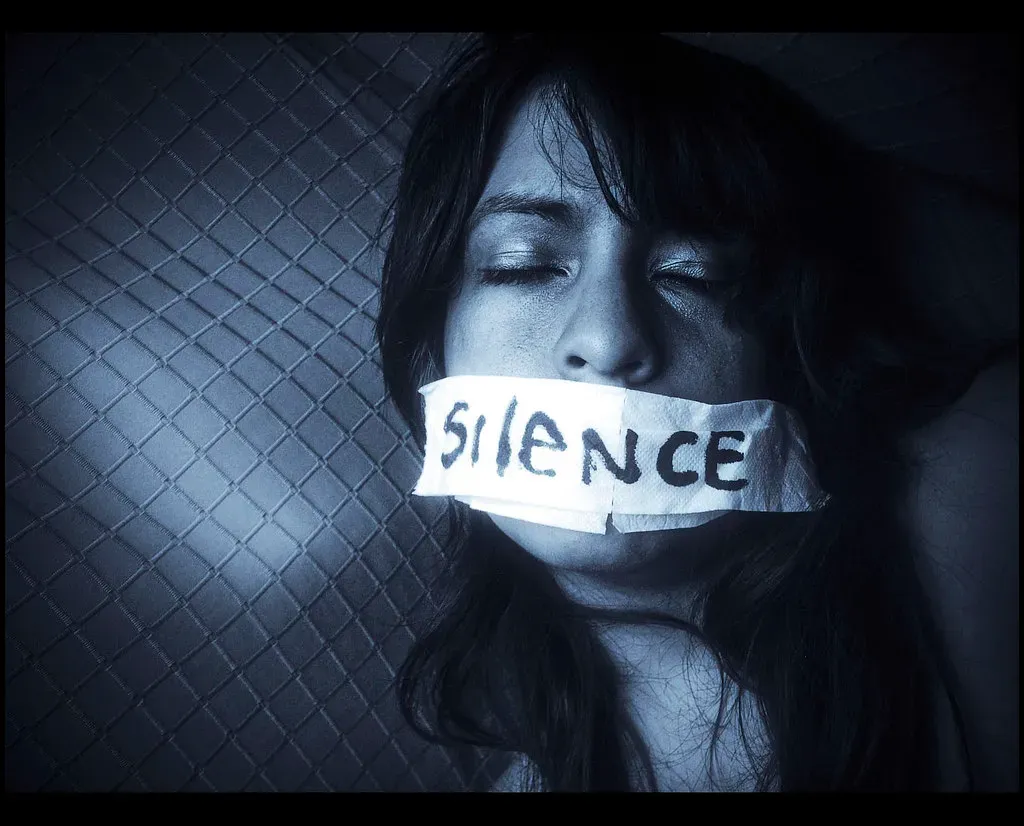
Modern psychology has repeatedly found that people often go to surprising lengths to avoid being alone with their thoughts. In some studies, when participants were asked to sit quietly with no distractions, many reported the experience as unpleasant, even mildly distressing. In one well-known experiment, a significant number of people chose to give themselves small electric shocks rather than sit alone with their minds in silence. That sounds dramatic, but it matches what many of us feel: inner noise can be more threatening than outer noise.
Research on thought suppression also shows that the more we try not to think about something, the more it tends to return in stronger and more intrusive ways. It is sometimes compared to trying to hold a beach ball underwater – you can keep it down for a while, but it pushes back with more force the deeper you shove it. Constant busyness is just a more socially praised version of that same strategy. You may be able to drown uncomfortable thoughts in emails, errands, and social plans, but they do not disappear; they sit just below the surface, waiting for a quiet moment to pop back up.
Anxiety, Trauma, And Why Silence Feels So Dangerous

For many people, the fear of stillness is not about being dramatic or weak; it is about history. Those with anxiety, unresolved grief, or trauma often experience their own minds as unpredictable territory. When everything goes quiet, there is more space for flashbacks, harsh self-criticism, or spiraling what-if scenarios. In that context, staying busy is not just a preference, it is a survival strategy the brain has learned: movement equals safety, stillness equals danger.
From a nervous system perspective, this makes sense. If your body has gotten used to living in a state of constant alert, returning to calm does not immediately feel good – it can actually feel wrong or unsafe. It is like being used to standing in a noisy, crowded club and suddenly stepping into a dark, empty room; the silence is so sharp it almost hurts. When people who carry a lot of unprocessed pain say they hate being alone with their thoughts, they are not exaggerating. The quiet can feel like opening a door to a room they have kept locked for years.
The Productivity Mask: When Hustle Culture Hides Emotional Avoidance

In a world that celebrates hustle culture, it is extremely easy to hide emotional avoidance inside the language of ambition. Working late, answering messages at all hours, or turning every hobby into a side project can look like dedication, but sometimes it is really a way to never stop long enough to notice how you actually feel. People rarely question someone who says they are busy chasing goals; they pat them on the back and tell them they are doing life right.
The tricky part is that productivity does feel good, at least in the short term. Crossing items off a to-do list gives the brain a hit of satisfaction and a sense of control, which can temporarily quiet deeper fears or sadness. But when every quiet moment gets filled with another task, the line between healthy drive and emotional escape starts to blur. The calendar becomes a kind of armor, a way of saying to the world – and to yourself – that you are fine, even if your inner life is fraying around the edges.
Rest Is Not Laziness: How Chronic Busyness Backfires

One of the biggest ironies is that people who can never slow down often tell themselves they are being responsible, when in reality chronic busyness can quietly erode mental and physical health. Research on stress shows that when the body stays in a state of high alert for too long, it is linked to sleep problems, digestive issues, headaches, weakened immunity, and an increased risk of burnout and depression. The mind may insist that everything is under control, but the body keeps the score in more honest ways.
Emotional health pays a price too. When you never pause long enough to process what you are going through, feelings tend to come out sideways: irritability over minor things, sudden tears over something small, or an inexplicable sense of emptiness even when life looks good on paper. It is similar to never taking out the emotional trash – you can ignore it for a while, but eventually the house starts to smell. Rest is not a reward you earn for doing enough; it is a basic requirement for staying human, and neglecting it almost always catches up with you.
The Stories We Are Afraid Our Thoughts Will Tell

When people finally do let things get quiet, one of the first surprises is what their thoughts actually say. Often, the fear is not random noise but specific stories: you are not good enough, you wasted too much time, you are a failure in relationships, you will never really change. These are not facts, but old narratives stitched together from painful experiences, criticism, or expectations picked up along the way. Silence gives them a microphone they do not have when you are juggling ten things at once.
There can also be grief waiting in that quiet space – grief for opportunities missed, versions of yourself you abandoned, or relationships that never became what you hoped. These feelings can be so raw that staying busy seems far easier than risking an unexpected wave of sadness or anger. But unacknowledged stories do not disappear; they whisper beneath the surface, influencing choices, pulling you toward the same patterns again and again. Facing those thoughts is uncomfortable, but it is also one of the few ways to rewrite the script instead of letting it run your life from the shadows.
Learning To Tolerate Quiet: Small Steps Into Stillness
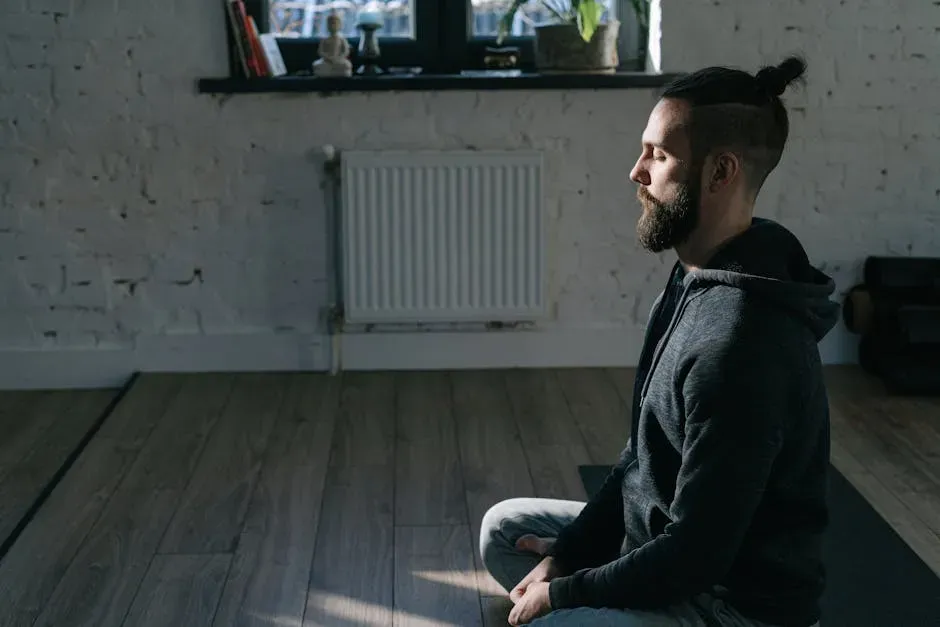
If you are used to filling every gap in your day, suddenly embracing stillness will feel strange, maybe even unbearable. It helps to think of it like strength training for your attention and your nervous system. Instead of demanding long, deep meditations right away, you can start with very short pockets of intentional quiet – three minutes sitting with your coffee without touching your phone, five minutes walking without podcasts or music, a short break in the car before heading into the next task. The goal is not instant inner peace; it is simply learning that you can survive a few moments with your own mind.
During those moments, your thoughts may rush in louder than ever, which can actually be a sign that you are finally giving them space. Rather than arguing with every thought, you can practice noticing them like passing cars: there goes worry about work, there goes fear about the future, there goes regret from years ago. Breathing slowly, feeling your body in the chair or your feet on the ground, and gently returning your focus to the present can slowly teach your brain that quiet does not have to be dangerous. Over time, what once felt like a threat can start to feel, if not comfortable, at least tolerable.
Healthier Ways To Listen To Your Thoughts Without Getting Lost In Them

Mental health approaches like mindfulness, cognitive behavioral techniques, and journaling all share a similar idea: you cannot heal what you refuse to look at, but you also do not have to believe every thought you have. Writing thoughts down can help you see patterns that feel overwhelming when they are just swirling in your head. Instead of a fog of vague dread, you start to notice clear themes, like fear of failure, a deep need for approval, or old wounds that still feel fresh.
Working with a therapist or a trusted professional can add another layer of safety when opening up to your inner world. Instead of facing a tidal wave of feelings alone, you have someone to help you explore what comes up and separate the past from the present. Over time, the goal is not to shut your thoughts off, but to develop a different relationship with them – one where they are information, not commands. When you can listen to your mind without letting it drive the car, quiet moments become less like entering a haunted house and more like sitting down with an honest, if sometimes difficult, friend.
Choosing Presence Over Performance

At some point, every chronically busy person has to decide what kind of life they are actually building: one that looks impressive from the outside, or one that feels grounded and real on the inside. That often means asking hard questions about why certain activities matter so much and what you are afraid would happen if you did less. It can mean disappointing people, stepping out of roles you have always played, or admitting that part of your schedule was propped up by fear, not genuine desire.
Choosing presence over performance does not mean abandoning goals or losing your drive; it means letting your inner world sit in the front row instead of the last. It might look like protecting time for rest as fiercely as you protect your work, or allowing yourself slow evenings without explaining or justifying them. In my view, people who always keep busy are not weak or flawed; they are often carrying a lot with very few tools for tending to what lives inside them. The real courage is not in adding more to your plate, but in risking the quiet enough to finally hear what your thoughts have been trying to say all along. When you imagine your future self looking back, would they be more proud that you did more, or that you were brave enough to finally be with yourself?