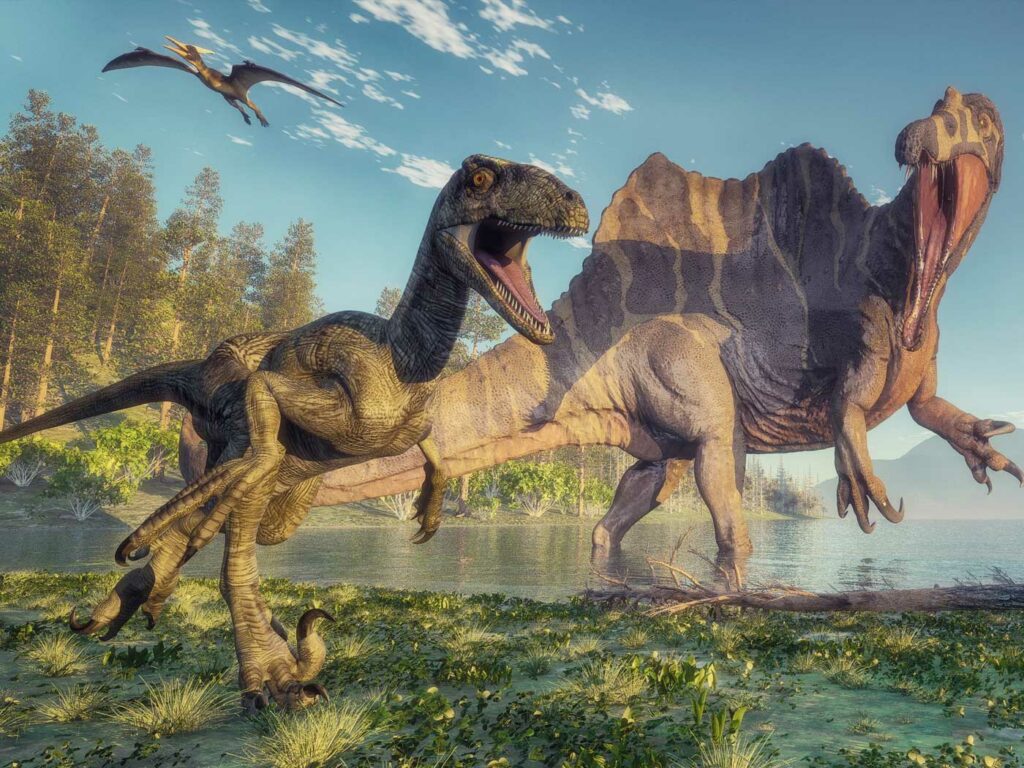
Sixty-six million years ago, a massive asteroid struck Earth near what is now Mexico’s Yucatán Peninsula, unleashing firestorms, tsunamis, and a “nuclear winter” that doomed non-avian dinosaurs and three-quarters of all species. Scientists long assumed ecosystems languished for tens of thousands of years before new life forms appeared. Recent research upends that view, revealing microscopic plankton evolved into new species far sooner, signaling a remarkably resilient biosphere poised for rebirth.
The Asteroid’s Devastating Legacy
The Asteroid’s Devastating Legacy (Image Credits: Flickr)
The Chicxulub impact carved a 150-kilometer-wide crater and ejected debris that circled the globe, blocking sunlight and collapsing food chains. Oceans turned acidic, and vast numbers of calcareous plankton vanished, halting the steady rain of their shells to the seafloor. Land plants withered, triggering erosion that flooded seas with sediments.
These upheavals warped sedimentation rates, misleading earlier timelines based on pre-impact assumptions. The K/Pg boundary – a thin clay layer of iridium-rich fallout – marks the chaos, but pinpointing recovery demanded better tools. Researchers now see this catastrophe not just as an endpoint, but a launchpad for rapid adaptation.
Breakneck Speeds in Species Formation
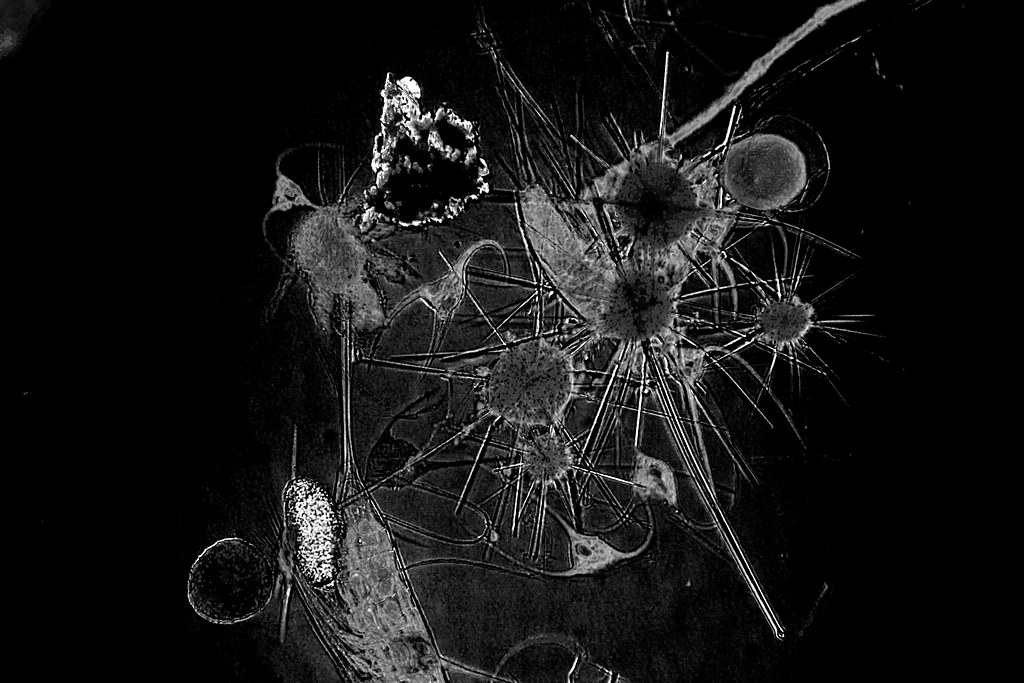
A hallmark of revival arrived in the form of Parvularugoglobigerina eugubina, or P. eugubina, a tiny foraminifera whose fossil shells define the era’s first post-extinction biozone. This species debuted between 3,500 and 11,000 years after the strike, averaging 6,400 years across sites. Other plankton followed suit, some surfacing in fewer than 2,000 years.
Between 10 and 20 foraminifera species arose within roughly 6,000 years, filling niches left by the fallen. “It’s ridiculously fast,” said Chris Lowery, lead author and research associate professor at the University of Texas Institute for Geophysics. This pace dwarfs the million-year scales typical in the fossil record, hinting at evolution’s potential under duress.
Unraveling the Timeline with Cosmic Clues
The breakthrough hinged on helium-3, a rare isotope from interplanetary dust that settles at a constant rate. Slow sediment buildup concentrates it; rapid deposition dilutes it. By recalibrating rates at six sites – spanning Europe, North Africa, and the Gulf of Mexico – scientists dated fossils precisely.
- El Kef, Tunisia: P. eugubina at 6,600 years post-impact.
- Gulf of Mexico (Chicxulub crater): Among the hardest-hit zones, yet quickest rebounds.
- European and North African outcrops: Variable timings confirmed global patterns.
Lowery’s prior 2018 work near the crater had hinted at tens-of-thousands-year recovery; helium-3 slashed that dramatically. Co-author Timothy Bralower of Penn State noted these plankton built on even earlier survivors, consuming basal food sources to ignite the chain.
Lessons from Microscopic Survivors
Foraminifera like P. eugubina, with their chambered shells, anchored marine food webs. Their swift diversification kickstarted a 10-million-year biodiversity buildup, paving the way for mammals’ rise. The study underscores how emptied ecosystems spur opportunistic evolution.
Bralower called the rebound “truly astounding,” reestablishing complex life in a geologic heartbeat. He added it offers hope amid today’s crises: “For us, this gives hope that we can build up the blocks of life from damage we’re causing to habitats today.” Still, full Paleocene ecosystems took eons to mature, a reminder of extinction’s scars.
| Event | Timeline Post-Impact |
|---|---|
| Chicxulub Strike | 0 years |
| Earliest New Plankton | <2,000 years |
| P. eugubina Average | 6,400 years |
| 10-20 Foraminifera Species | ~6,000 years |
| Full Biodiversity Recovery | 10 million years |
Key Takeaways
- Helium-3 dating revealed plankton evolution orders of magnitude faster than prior estimates.
- Life’s resilience shone brightest in devastated zones like the impact crater.
- Rapid adaptation post-catastrophe informs modern conservation amid biodiversity loss.
Earth’s history proves catastrophe breeds reinvention, with plankton as the unsung heroes fueling the post-dinosaur world. This swift resurgence challenges pessimism about recovery, urging action to safeguard today’s web of life. What do you think about life’s tenacity? Tell us in the comments.