Cleveland, Ohio – Once symbols of industrial decline, the city’s thousands of vacant lots now harbor a surprising bounty of bee activity. Researchers transformed select empty parcels into pocket prairies by sowing native wildflowers, revealing these spaces as vital refuges for pollinators. The effort underscores how minimal interventions can enhance urban biodiversity in deindustrialized landscapes.
Unexpected Allies in a Shrinking City
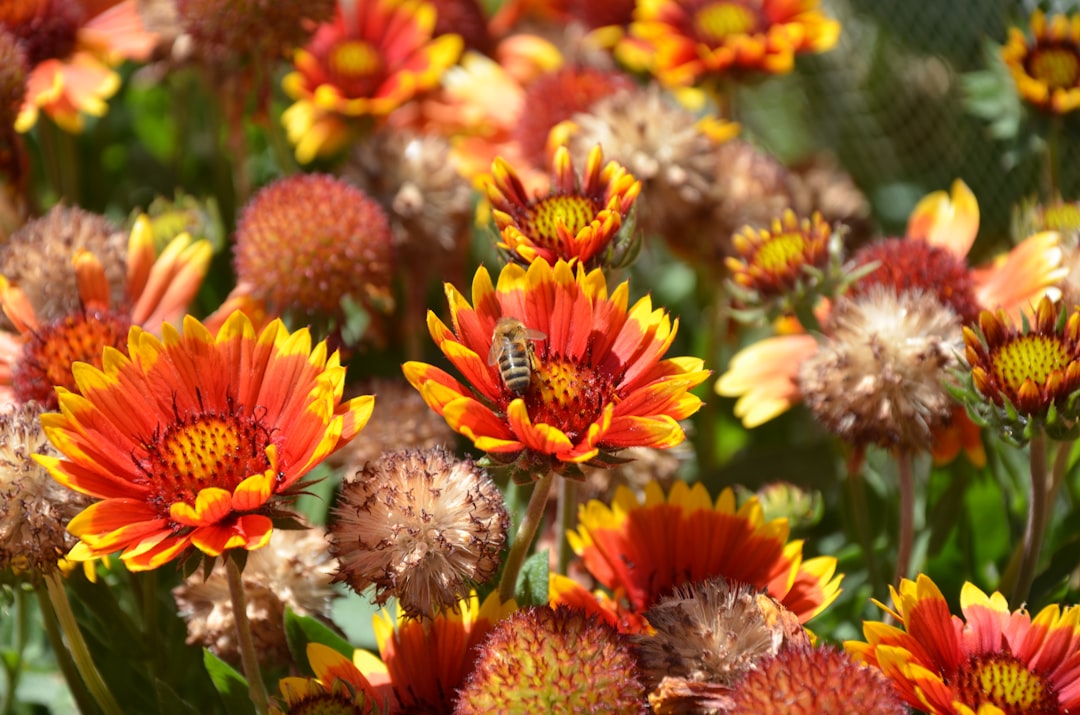
Unexpected Allies in a Shrinking City (Image Credits: Unsplash)
Cleveland lost more than half its population over decades, shuttering factories and demolishing homes. The resulting vacant lots, managed by the Cuyahoga Land Bank, cover significant urban ground. These overlooked areas already supported over 37 percent of Ohio’s bee species, drawing attention from conservationists.
The Cleveland Pocket Prairie Project emerged from this context. Entomologists from The Ohio State University targeted 64 lots across eight neighborhoods. They converted 24 into pocket prairies, planting species like black-eyed Susan and coneflowers to mimic natural meadows.
Hands-On Science in Urban Wilds
From 2014 to 2019, teams monitored 27 sites, including the new prairies, unmanaged lots, and semi-natural areas in the Cleveland Metroparks. Fieldworkers vacuumed bees directly from blooming plants and set out bowl traps to capture foraging insects passively. This rigorous approach yielded data on both bee abundance and species richness.
Michelle Pham, a PhD student at Ohio State, processed the collections for her dissertation. Professor Mary Gardiner, who spearheaded the project, emphasized practical urban ecology. Their findings appeared in the journal Ecological Entomology.
Clear Gains for Pollinators
Managed pocket prairies outperformed unmanaged vacant lots dramatically. They hosted higher numbers of bees and greater diversity of species. While species counts fell short of the Metroparks’ offerings, individual bee populations nearly matched those in the established green spaces.
Over time, as native wildflowers took root, bees increasingly favored them for nectar and pollen. The study highlighted how these low-maintenance habitats rival traditional parks.
| Site Type | Bee Abundance | Species Diversity |
|---|---|---|
| Unmanaged Vacant Lots | Lower | Lower |
| Pocket Prairies | Higher | Higher |
| Cleveland Metroparks | Comparable to Prairies | Highest |
Low-Cost Strategies for Broader Impact
Experts praised the simplicity of the approach. “There’s minimal investment put into these habitats, but they provide a lot of value for insects,” Pham noted. Such projects require little upkeep once established, making them feasible for cash-strapped municipalities.
Benefits extend beyond bees:
- Increased pollinator support for urban gardens and crops.
- Enhanced resilience against pollinator declines nationwide.
- Improved aesthetics and community green space.
- Model for other Rust Belt cities facing similar vacancies.
- Boost to overall insect biodiversity.
“There are actions people can take to sustainably manage vacant land and make cities better for insects and other pollinators,” Pham added.
Key Takeaways
- Pocket prairies on vacant lots draw more bees than untouched sites with basic wildflower seeding.
- These urban habitats sustain 37% of Ohio’s bee species despite limited resources.
- Simple management turns blighted areas into conservation assets rivaling city parks.
Cleveland’s experiment proves that urban decay need not spell doom for wildlife. By embracing pocket prairies, cities can foster resilient ecosystems at low cost, bridging human development and nature. What do you think about turning vacant lots into pollinator havens? Tell us in the comments.Source: The Wildlife Society