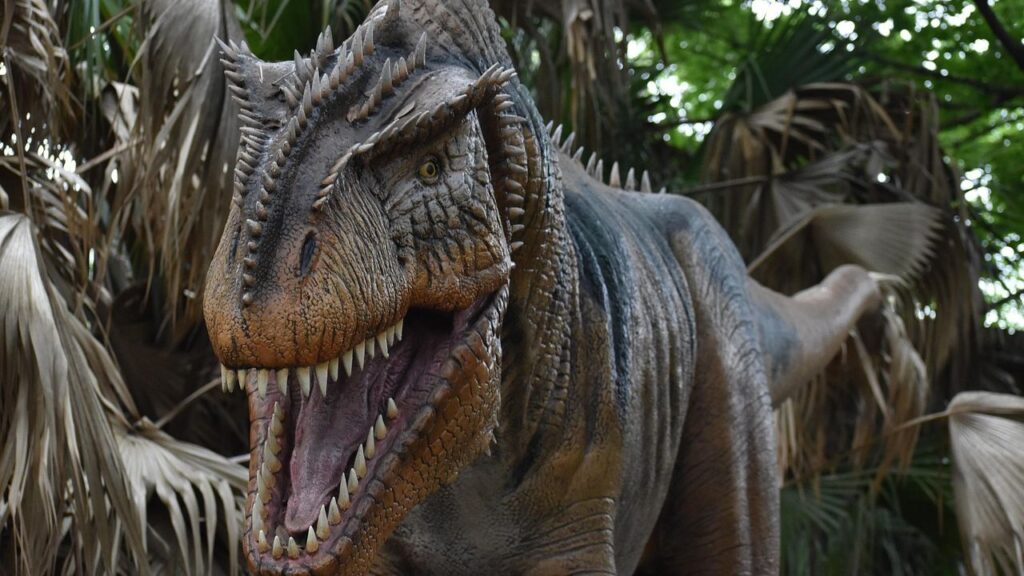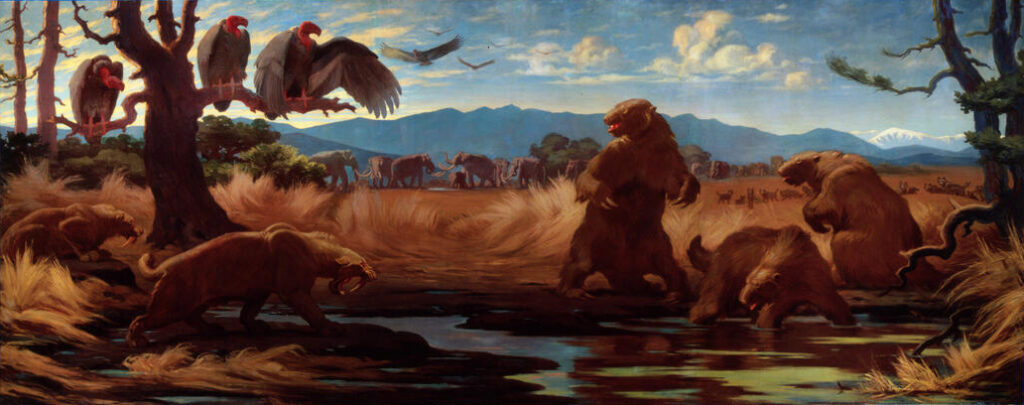
Picture a continent so wildly alive that every open plain, dense forest, and frozen tundra pulsed with the movement of giants. Creatures that make today’s largest land animals look almost modest. That was North America during the Pleistocene, an age so rich with enormous, bizarre, and breathtaking life that scientists are still piecing the full story together. Honestly, if you could travel back even fifteen or twenty thousand years, the landscape would look more like a fever dream than anything you’d recognize today.
You would have walked into a world of beavers the size of bears, sloths weighing more than a thousand kilograms, and seven-foot camels roaming the shores of marshy seas. This was the Ice Age world that humans encountered when they first crossed from Asia into North America between roughly fourteen and twenty-five thousand years ago. The sheer scale of it all is difficult to wrap your mind around. So let’s dive in.
The Woolly Mammoth: Prehistoric North America’s Most Iconic Giant
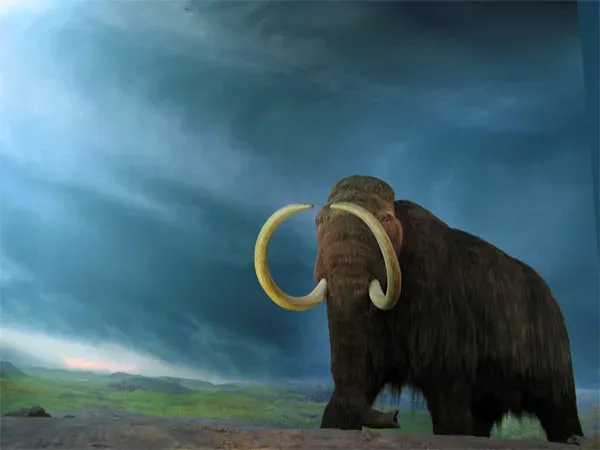
You probably already have a picture in your mind of the woolly mammoth, and honestly, it does not disappoint. The woolly mammoth is one of the most famous extinct Ice Age megafauna, standing twelve feet tall at the shoulders and weighing six to eight tons. It grazed the northern steppes using its colossal, fifteen-foot curved tusks to dig under the snow for food and to defend itself against predators.
With their thick coat of hair, large fat reserves, and specially adapted biology, woolly mammoths were very well adapted to the cold. They were also critically important to the survival of ancient humans throughout the Ice Age, as their coats, meat, and bones provided valuable sources of warmth, food, and building materials. Think of them less as just big elephants and more as the central pillar of an entire prehistoric ecosystem, holding things together in ways we are still learning about.
The American Mastodon: Older, Stockier, and Wonderfully Different
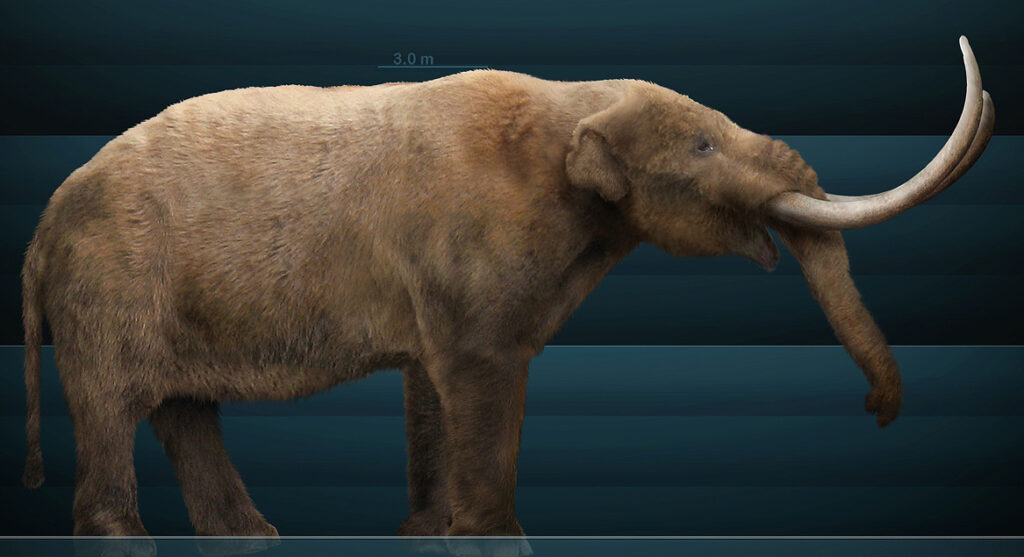
The American mastodon is the most ancient of the North American elephants. Its ancestors crossed the Bering Strait from Asia roughly fifteen million years ago and evolved into the American mastodon about three and a half million years ago. Shorter and stockier than the later mammoths, the shape of its teeth indicates that mastodons did not graze on grass but instead ripped off leaves and entire tree branches for food.
These forest-dwelling browsers were quite different from their distant mammoth relatives, consuming wood branches, pinecones, and shrubs rather than grazing on grasses. They were known for their bumpy, cone-shaped molars and straighter tusks. It’s a genuinely fascinating distinction. Where the mammoth was built for open tundra, the mastodon thrived in dense woodland environments, almost like nature designed two separate giants for two totally different worlds.
Smilodon: The Saber-Toothed Cat That Ruled With Razor Precision
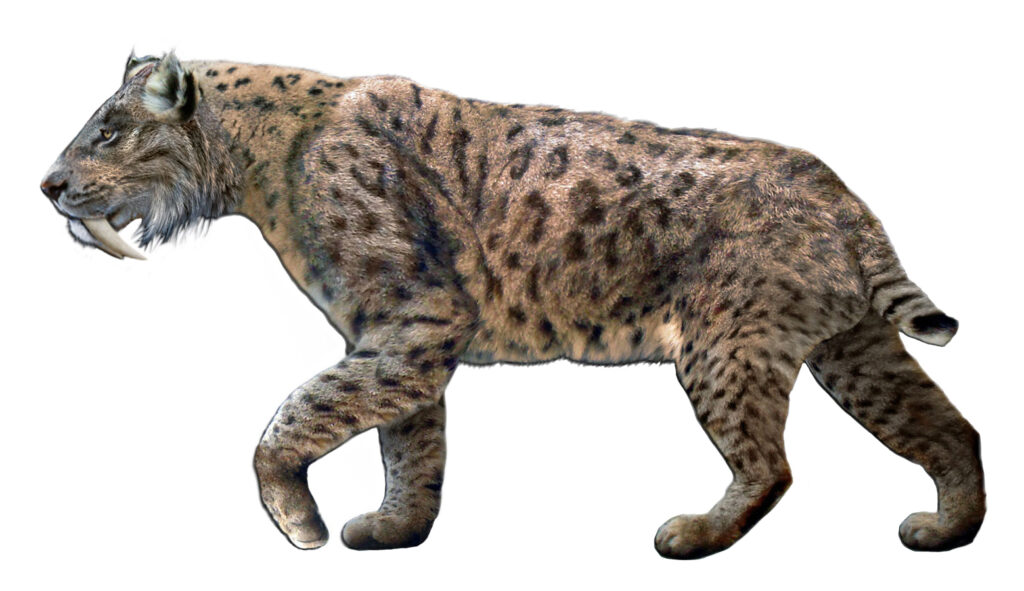
The saber-toothed cat, known scientifically as Smilodon, was a species of big cat named after the elongated teeth in its upper jaw that measured seven inches in length. This gave them a mouth gape of up to about twice the maximum jaw opening of today’s big cats. Let that sink in for a moment. Seven-inch fangs. That is not a slight evolutionary upgrade, it is a whole different category of predator entirely.
The La Brea tar pits have given scientists extraordinary insights into this iconic Ice Age predator, with more than three thousand fossilized Smilodon individuals pulled from the ooze. Scientists have been able to examine the wear patterns on their famous teeth to determine that rather than bringing down very large prey like bison on the open plains, as was previously thought, they most likely fed primarily on smaller forest-dwelling animals like tapirs and deer. So that terrifying reputation? Still entirely earned, just more nuanced than you might expect.
The Giant Short-Faced Bear: The Fastest and Most Fearsome Bear That Ever Lived
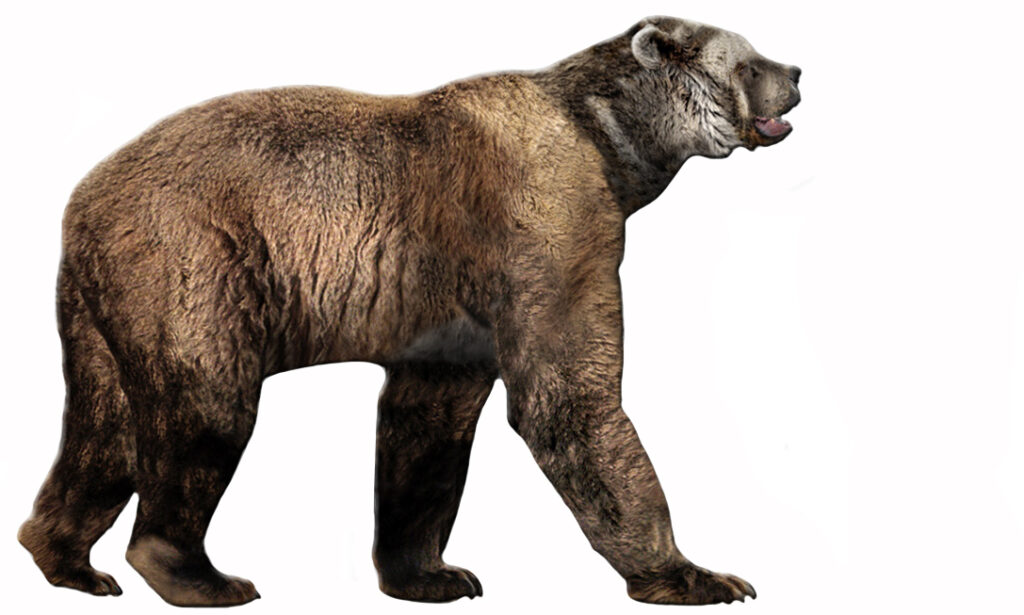
The giant short-faced bear was the largest mammalian land carnivore ever to live in North America, reaching heights of over eleven feet when standing upright. It lived from about 1.6 million to eleven thousand years ago alongside giant ground sloths, mammoths, and near the end of the Ice Age, the very first Native Americans to enter the region. You would not want to encounter this creature on a hiking trail, prehistoric or otherwise.
Also called the bulldog bear, the giant short-faced bear was undoubtedly the fastest running bear that ever lived. Rangier and longer legged than any bear alive today, it stood about five feet at the shoulders while walking and could reach twelve feet on its hind legs. Unlike modern bears, its toes pointed straight forward, enabling a fast, purposeful gait, and it could probably run over forty miles per hour despite weighing over fifteen hundred pounds. The idea of a fifteen hundred-pound predator sprinting at highway on-ramp speeds is the kind of detail that makes paleontology genuinely gripping.
The Giant Ground Sloth: Slow by Name, Staggering by Size
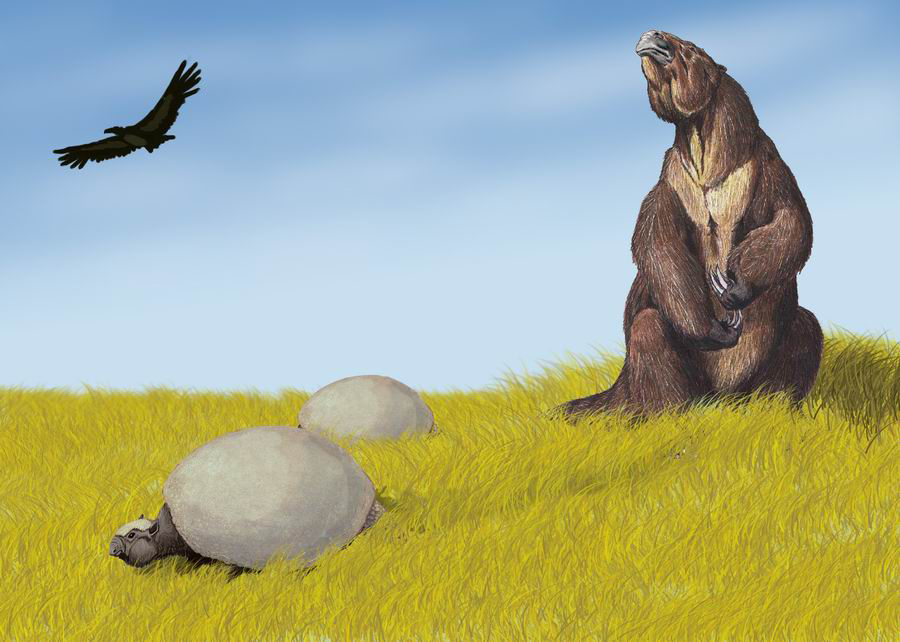
Here’s the thing about sloths: when you hear the word today, you imagine a tiny, languid creature dangling from a tree branch. Prehistoric North America had something shockingly different in mind. The megafauna of the Ice Age included some truly huge and charismatic animals, with giant sloths standing nearly twelve feet tall. That is not a sloth you could walk past without noticing.
Within the last couple of years, researchers have discovered that these ancient animals played an important role in protecting the land from wildfires, a trend that grew significantly worse when mammoths, mastodons, and the other Ice Age megafauna went extinct. So ground sloths were not just impressive in size, they were ecologically crucial. Their disappearance sent ripples through the landscape in ways that scientists are still tracking today, including effects on vegetation and fire patterns that echo into our modern world.
Prehistoric Camels and Horses: North America’s Forgotten Originals
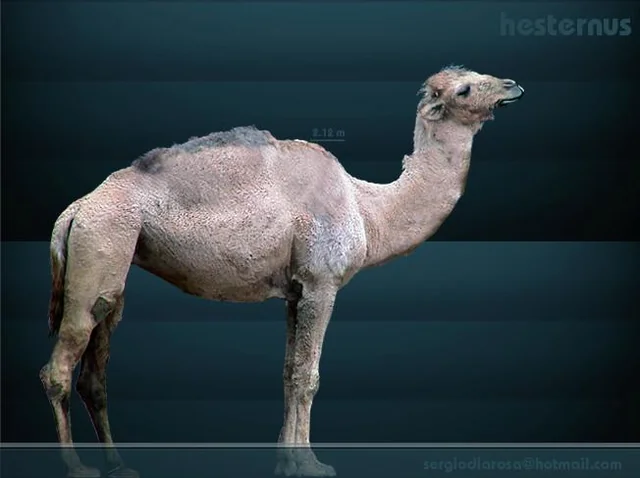
Most people assume camels belong to Africa and the Middle East, and that horses were brought to America by the Spanish. Both of those ideas are completely wrong. It is a little known fact that camels actually originated in North America. One of the most widespread camel species in Ice Age North America was Camelops hesternus, or “yesterday’s camel.” This two-toed, furry camel stood seven feet tall at its shoulders, weighed around eighteen hundred pounds, and had no hump at all.
It was long believed that horses were first introduced to North America by Spanish settlers in the sixteenth century, but archaeological evidence has completely rewritten that history. Indigenous horses roamed North America for roughly fifty-five million years before going extinct along with other Ice Age megafauna about ten thousand years ago. One of the oldest and most widespread ancient horse species was the American zebra, also known as the Hagerman horse, and it is the oldest known member of the genus Equus, which includes all modern horses, wild and domesticated alike. North America was, in short, the original homeland of two animals the world now strongly associates with other continents.
The Dire Wolf and Ancient Bison: Pack Hunters and Prairie Giants
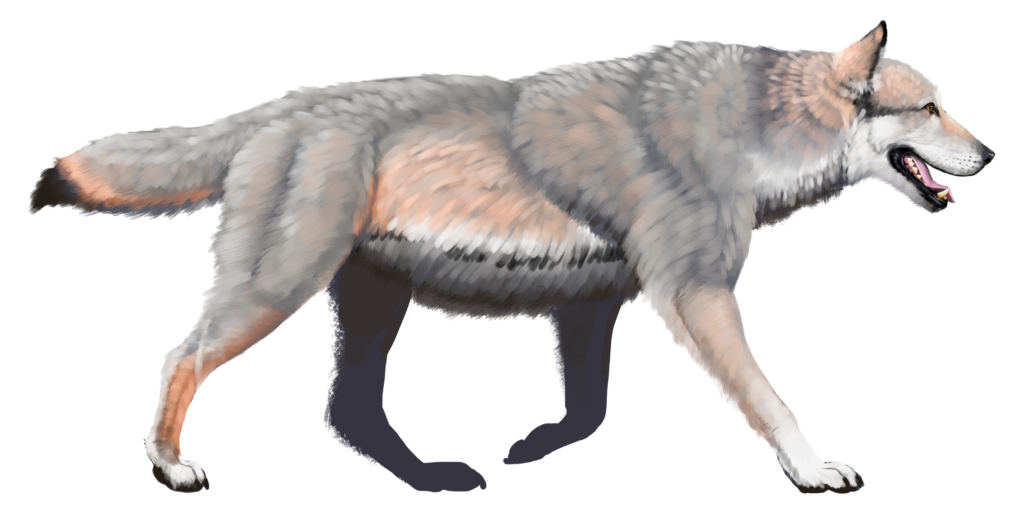
Like gray wolves, dire wolves hunted in packs of thirty or more and fed on large prey like mammoths, giant sloths, and Ice Age horses. These were not cuddly canines. The dire wolf was a huge predator at least a quarter bigger in size than today’s gray wolf. The idea of a thirty-strong pack of animals larger than any wolf alive today, coordinating to bring down a mammoth, is the kind of scene that belongs in a nature documentary you almost cannot believe is real.
Alongside the predators, the ancient bison painted the plains in vast herds. The ancient bison lived from about two hundred and forty thousand to ten thousand years ago and was roughly twenty-five percent larger than the modern American bison, reaching heights of seven and a half feet, lengths of fifteen feet, and weights of around thirty-five hundred pounds. Its horns were also longer than those of modern bison. One prehistoric species, Bison latifrons, was such a giant among its genus that its horns spread over ten feet. Stand next to a modern bison and you will feel small. Stand next to its ancient ancestor and you would feel absolutely microscopic.
The Great Extinction: What Wiped Out North America’s Megafauna?
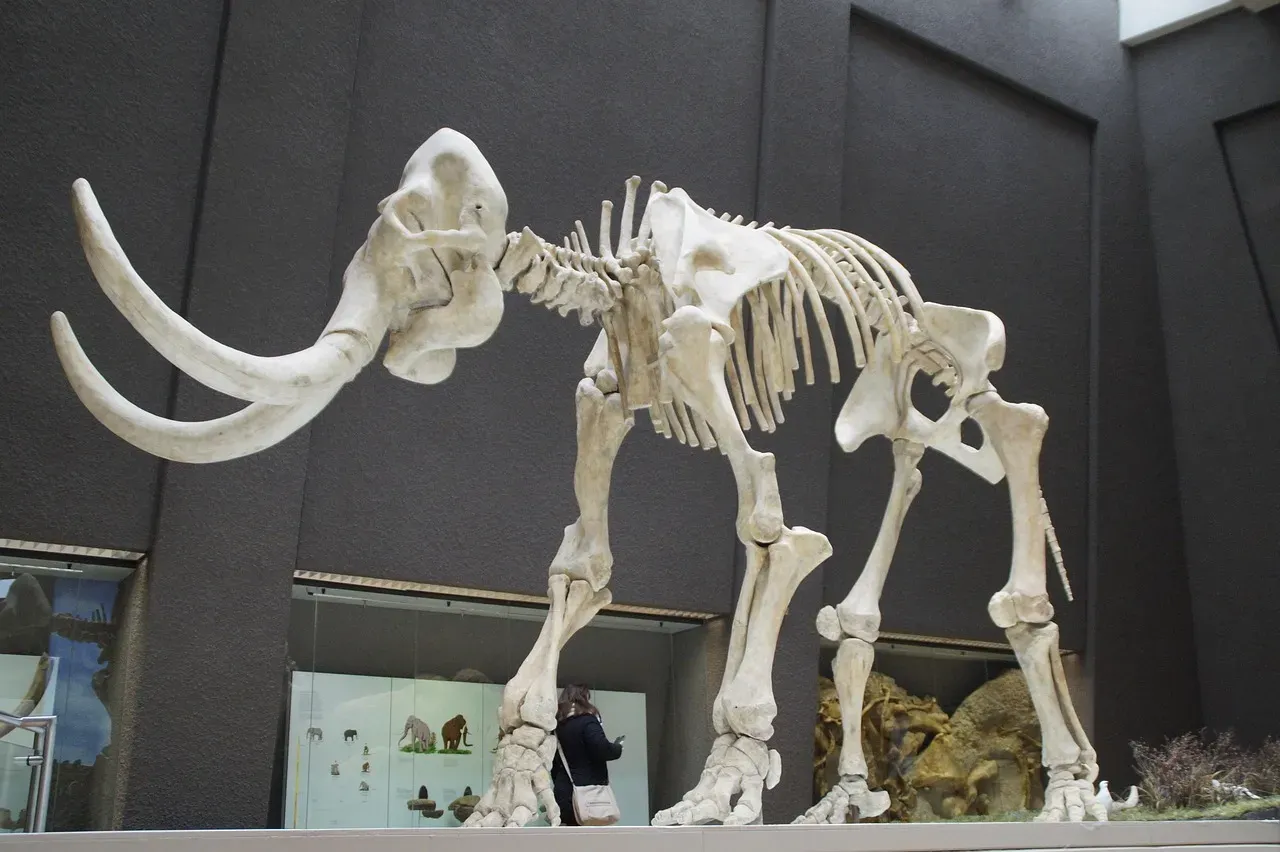
The extinction event is most distinct in North America, where thirty-two genera of large mammals vanished during an interval of about two thousand years, centered on eleven thousand years before present. That is a staggering number of species in a geological blink of an eye. Dozens of large mammals such as mammoth and mastodon disappeared in North America at the end of the Pleistocene, with climate change and mass hunting by human hunters being the most widely argued causes.
The debate is genuinely fierce in the scientific community and, I think, unlikely to be fully settled anytime soon. Research suggests that the causes for extinctions varied across taxa and by region. In some cases extinctions appear linked to hunting, while in others they are consistent with the ecological effects of climate change, and in at least one case both hunting and climate change appear responsible. The mass extinctions may have also been triggered by a sudden climatic shift that rapidly cooled the planet around twelve thousand eight hundred years ago, an event known as the Younger Dryas, or animals could have been stricken with diseases carried by early humans and their dogs. The truth is probably messier than any single explanation, which makes it all the more fascinating to keep exploring.
Conclusion
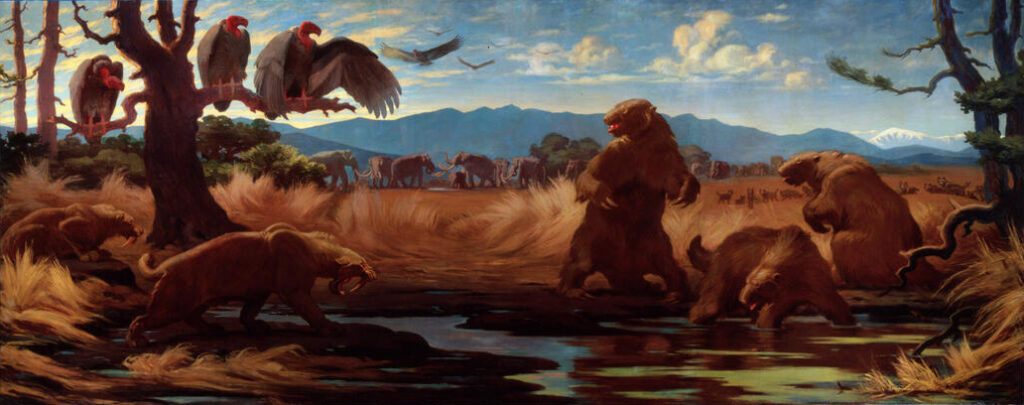
Prehistoric North America was not a quiet or empty wilderness. It was a roaring, thundering, deeply complex world filled with creatures of almost incomprehensible scale and variety. From woolly mammoths carving through tundra to short-faced bears capable of outrunning a modern horse, from twelve-foot sloths reshaping forests to camel herds crossing open plains, the continent once held a richness of life that the modern world simply cannot match.
What makes all of this so haunting is knowing that roughly twelve to thirteen thousand years ago, in the span of perhaps a few human lifetimes, nearly all of it was gone. The landscapes we hike, farm, and drive across today are, in a very real sense, the quiet aftermath of one of Earth’s most dramatic ecological collapses. Understanding these animals is not just about appreciating a lost world. It is about understanding the fragility of the one we still have.
What do you think drove these magnificent giants to extinction? Was it us, the climate, or something far more complicated? Drop your thoughts in the comments.