
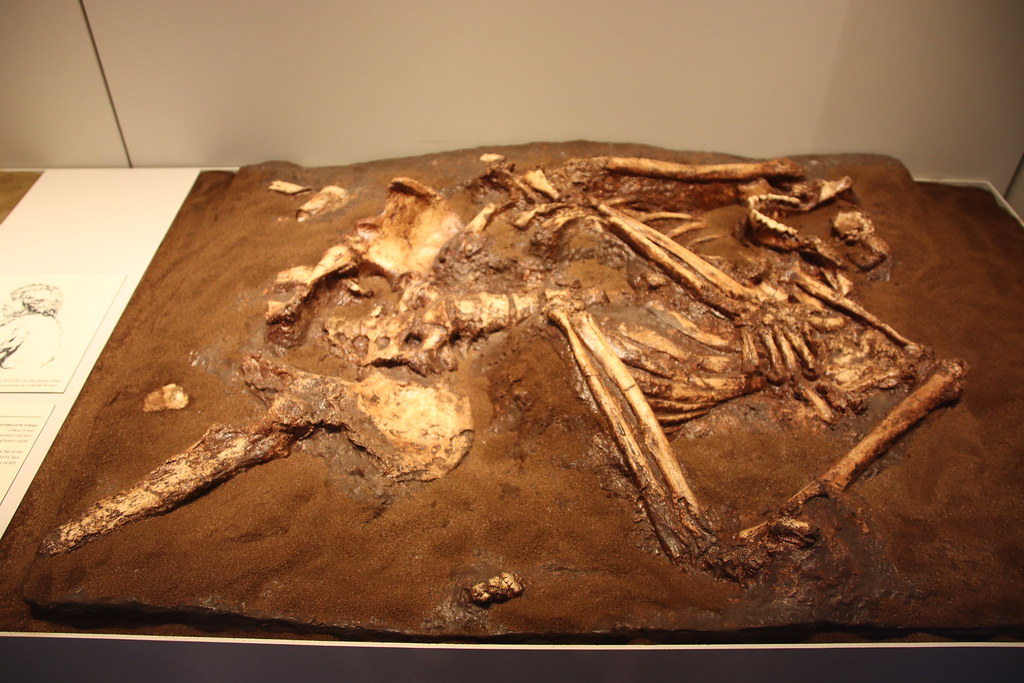
Walk for a minute in your mind through a Paleolithic cave. There’s a body laid gently in a shallow pit, sprinkled with red ochre, a shaped tool nearby, maybe an animal tooth or shell close to the hand. Nobody wrote down what this meant, and yet those objects hint at a mental universe that feels eerily close to ours. At some point, humans stopped treating corpses as waste and started treating them as someone, and that shift is where the story of our modern minds really gets strange.
Prehistoric science has been quietly wrestling with this moment for decades. Was it the birth of religion, of symbolic thought, of self-aware grief, or something even harder to name? The truth is messier and more fascinating than any single label. The graves, and the objects inside them, are like neurological footprints left in the mud of deep time – and we’re still arguing about whose mind made them and what that mind could actually do.
The first graves: when bodies became more than bodies
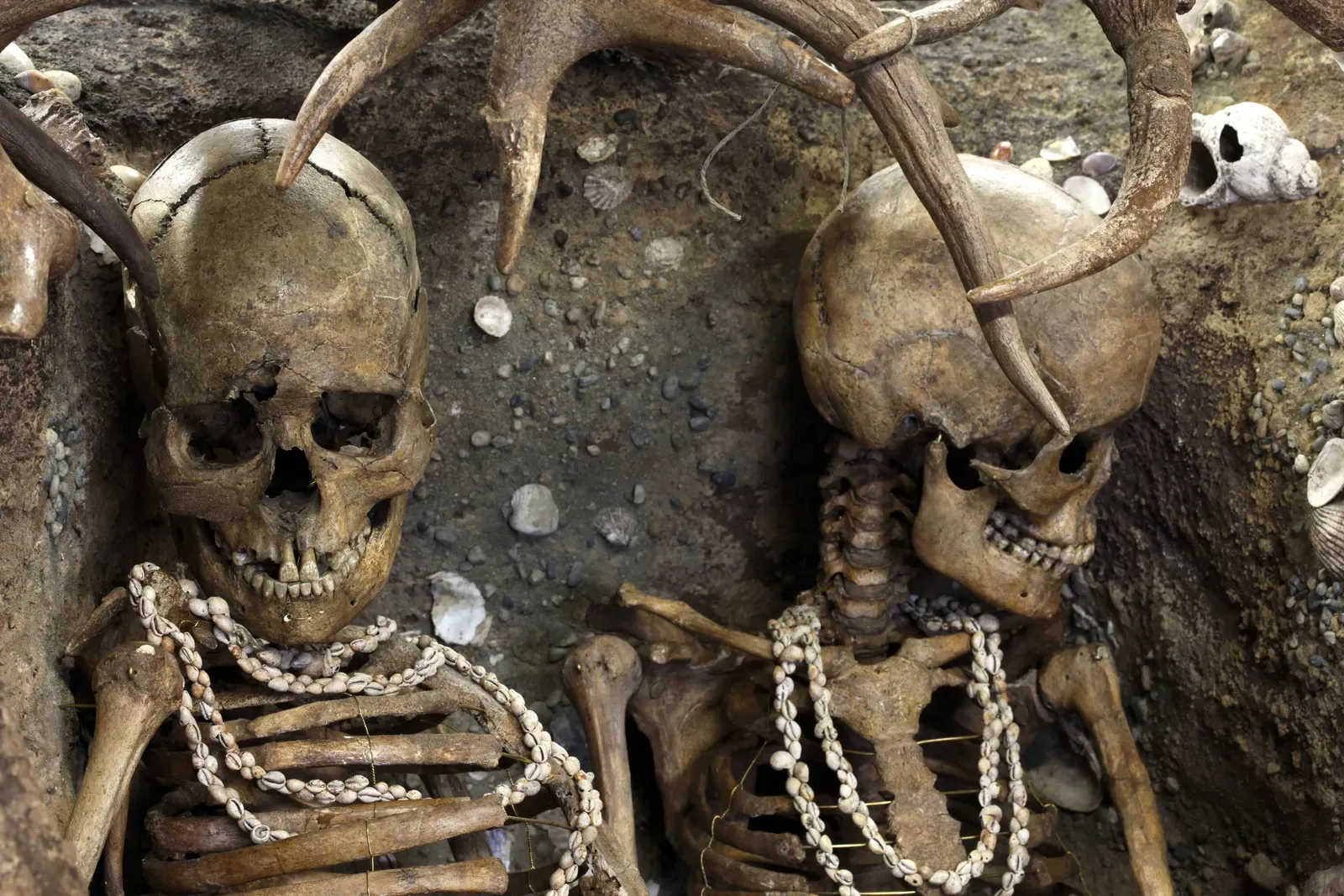
One of the most striking things about the earliest suspected burials is simply that the dead were placed anywhere special at all. In many animals, corpses are left where they fall, moved only for hygiene or safety. Early humans, by contrast, began deliberately positioning bodies in pits, sometimes in curled “sleeping” postures, and occasionally separated from everyday trash. That alone suggests a new kind of attention, a feeling that the dead required a response beyond practical disposal.
When objects show up beside those bodies, the picture sharpens even more. A stone tool, a fragment of animal bone, or a bead-like shell placed near the corpse turns the burial into a kind of scene, a tiny stage on which the living are saying something about the dead. Even if some of these “grave goods” turn out to be accidental – mixed in as earth was moved around – the recurring patterns of certain items and positions are hard to brush off as random. Someone cared enough to arrange things, and that care hints at a mind starting to see death as a meaningful event rather than just a biological fact.
Objects in graves as the first solid evidence of symbolic thought
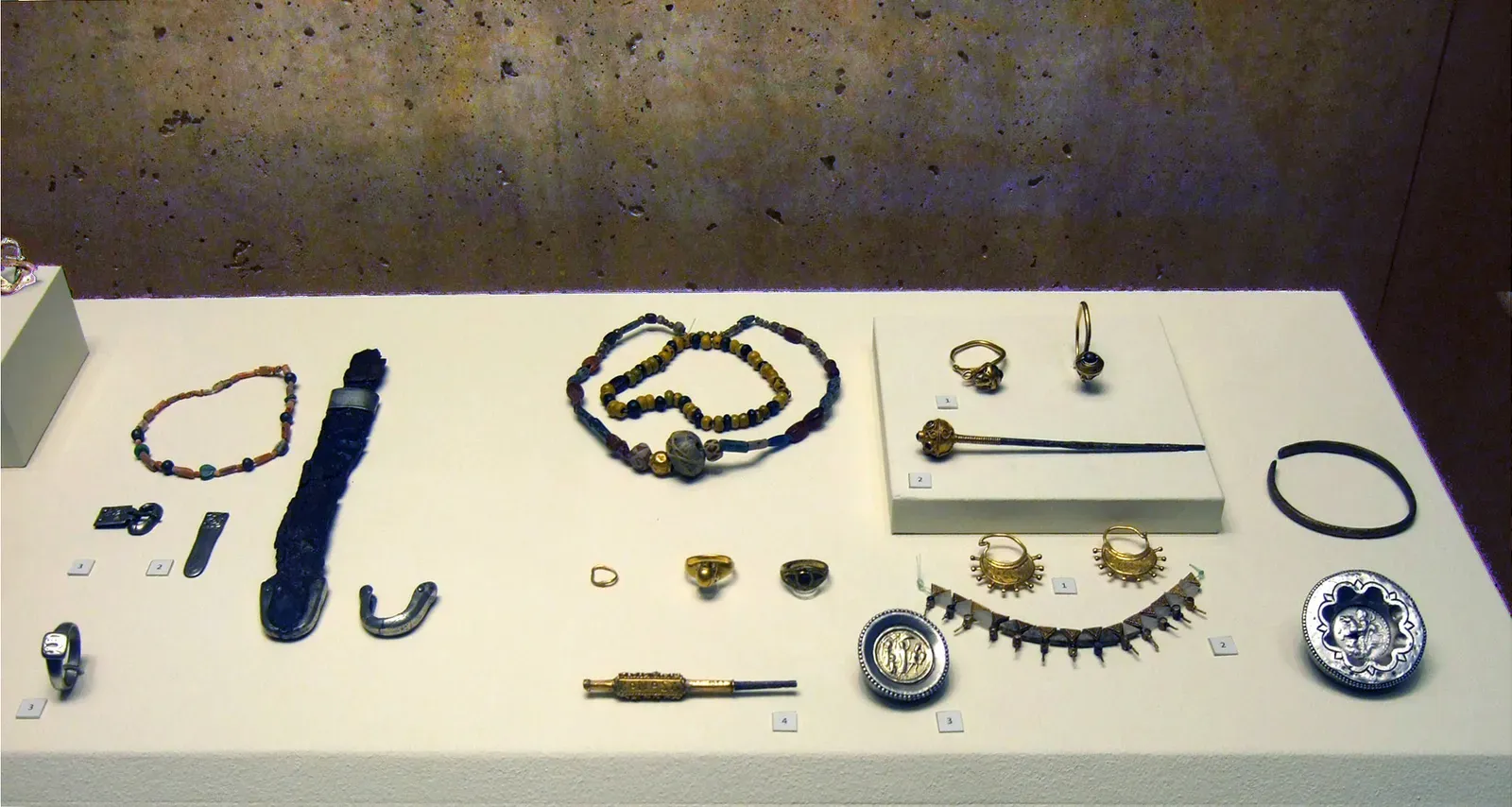
Archaeologists obsess over symbols because symbols are what make human minds explosively flexible. A shell worn as an ornament, a painted mark on a wall, or a tool laid next to a body turns a simple object into a stand-in for something else – a role, a memory, a belief. When objects are consistently associated with the dead, it suggests that people were thinking beyond the here-and-now: this tool is not just a tool, it might stand for who the person was, what they did, or where they are going.
That symbolic layer is neurologically demanding. It requires brains that can hold multiple levels of meaning at once: the stone as a useful tool and as a carrier of identity; the shell as a pretty thing and as a marker of social status or belonging. Many researchers see grave goods as some of the most concrete early “proof” of this symbolic capacity. We may never know exactly what the symbols meant, but the very act of treating objects as carriers of invisible significance is a powerful sign that a qualitatively different kind of thinking had arrived.
Did burials mark the birth of religion or just deeper social minds?
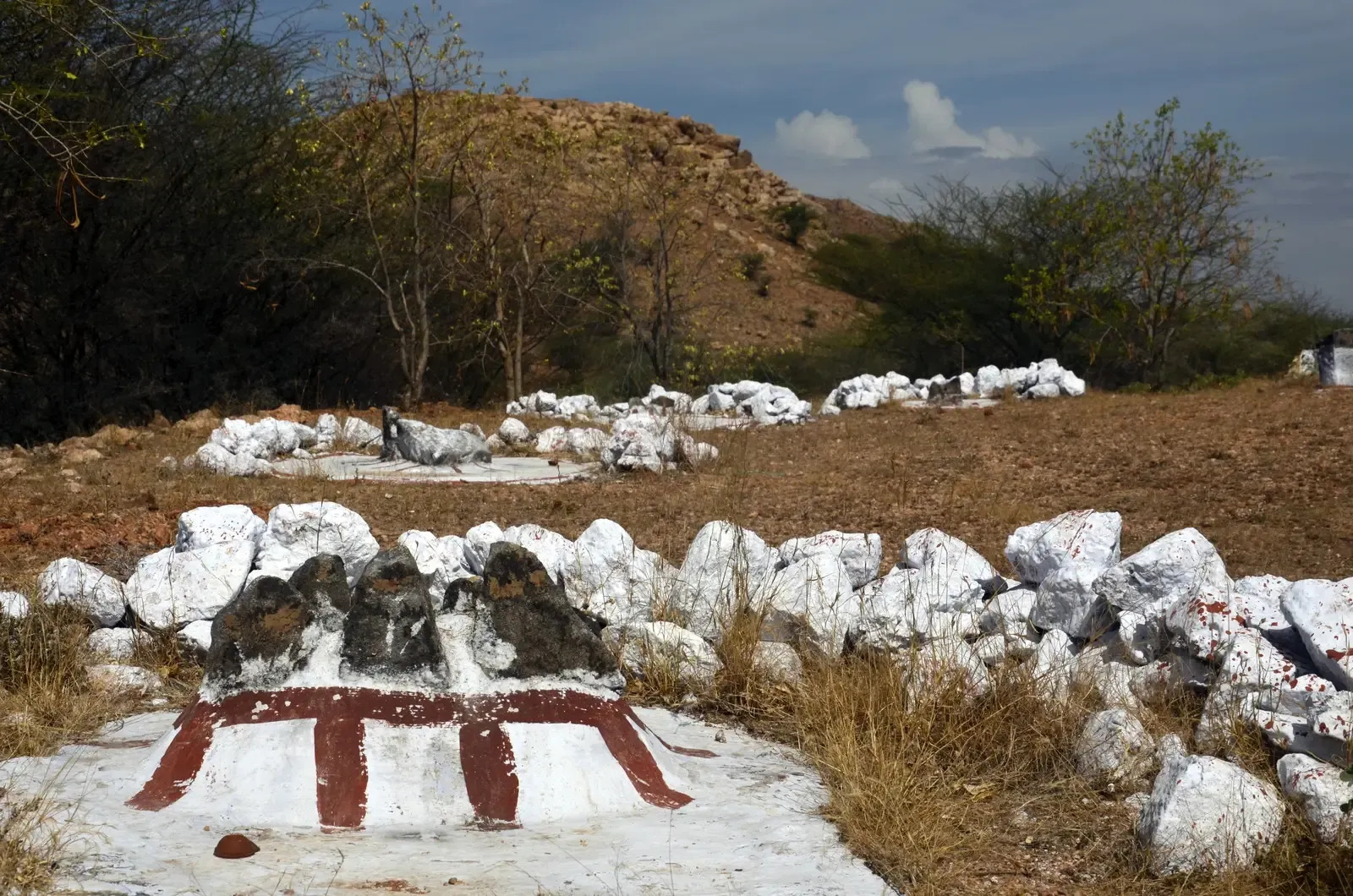
It is tempting to say that the moment people buried their dead with objects, religion was born. But that leap is much bigger than the evidence can honestly support. Placing a tool or ornament with a body might reflect a belief in an afterlife, or it might simply be a way of honoring a person’s life story, like tucking a cherished item into a modern coffin with zero expectation that the deceased will actually use it elsewhere. The line between spiritual belief and emotionally loaded custom is not easy to draw, even in living cultures we can ask.
What we can say with more confidence is that such burials reveal minds intensely tuned to social bonds. You do not go through the trouble of preparing a body and selecting objects for someone who, in your mind, has simply “switched off” without remainder. Instead, it suggests that the dead continue to matter: as remembered individuals, as ancestors, as members of a group whose presence lingers. In that sense, burial with objects may not be the clean birth of religion, but it almost certainly signals a major deepening of social imagination – a kind of mental glue connecting the living and the dead in a shared narrative.
Grief, empathy, and the inner life behind prehistoric rituals
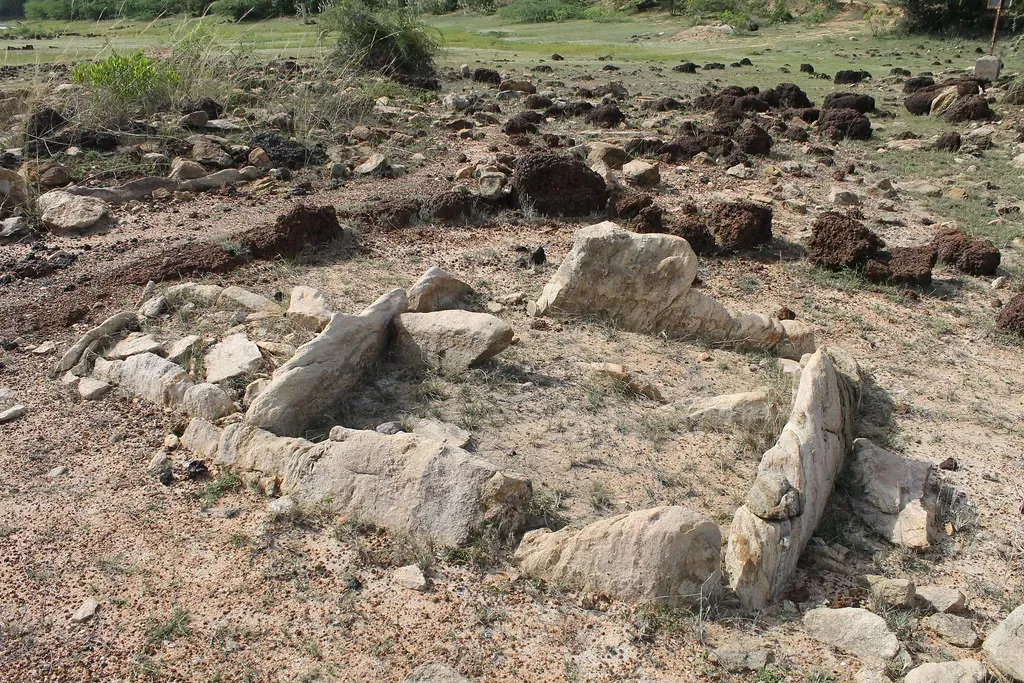
If you’ve ever stood at a modern funeral and felt the ache of people placing flowers on a coffin, you’ve felt a hint of what those early burials might have been about. You do not see grief in the bones themselves, but you can infer it in the repeated patterns of careful placement, the attention to posture, the effort invested in finding or crafting special objects. These are not the actions of minds indifferent to loss. They look like the outward traces of heavy, inward experiences.
From a neurological angle, persistent grief and complex empathy require robust emotional networks in the brain, tightly woven into memory and social cognition. The idea that someone still matters when they are no longer physically present is a mental leap. It asks the brain to maintain a fully detailed “model” of a person who can no longer respond, and then to act in relation to that model. Burials with objects are one of the earliest archaeological hints that humans were doing exactly that – carrying others around in their minds and acting as if that inner presence deserved material care.
Neanderthals, Homo sapiens, and the debate over who did what first
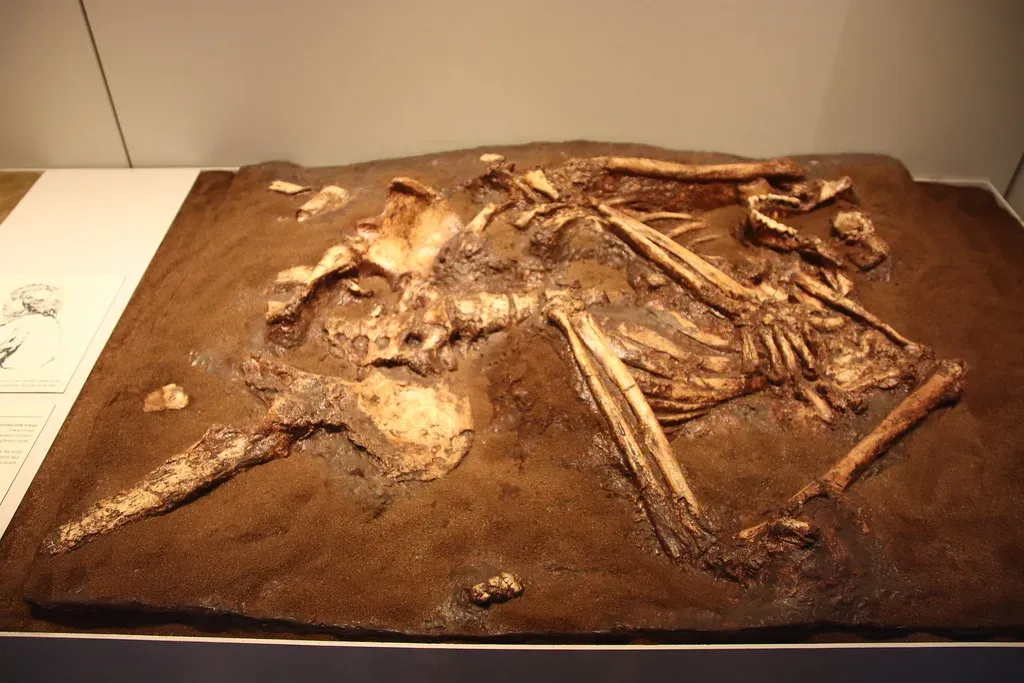
The story gets thornier when you ask which humans crossed this threshold first. Some sites associated with Neanderthals show bodies arranged in ways that might indicate deliberate burial, and there are claims of accompanying objects. At the same time, those sites are often controversial: were the bodies really placed intentionally, or did natural processes rearrange them? Are the supposed grave goods actually deliberate, or were they just lying there already? The arguments can get surprisingly heated, because they poke at old prejudices about Neanderthals being “less human.”
With early Homo sapiens, the evidence for symbolic-rich burials becomes more robust and more frequent, especially in the later Paleolithic. We see graves with repeated use of pigments, ornaments, and carefully crafted tools, making it harder to wave away the symbolic or ritual dimension. But even here, researchers disagree about timing and interpretation. Did Neanderthals and modern humans independently develop similar practices? Did one influence the other? Or are we over-reading a sparse record altogether? The answer you favor says a lot about how willing you are to see rich inner lives in cousins who left no written defense of their minds.
The “neurological switch” idea: sudden revolution or slow burn?
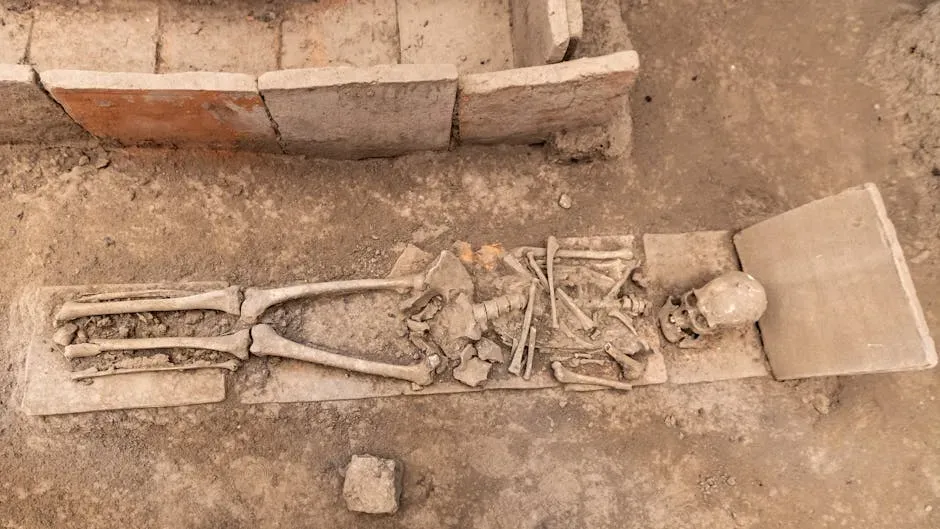
It’s an alluring story: one day, somewhere, a baby is born with a slightly different brain, and by the time they are an adult they convince their group to treat the dead in a radically new way. Like a mythic light-switch moment for consciousness. But real evolution rarely works in such dramatic jumps. Instead, it tends to pile up small tweaks – in brain wiring, in social learning, in cultural habits – until eventually the behavior looks transformative from a distance. The first grave with objects was probably the visible peak of a hill that had been rising for a long time.
From this perspective, burials with objects might be better seen as a milestone in a slow-burning process rather than the instant birth of a new mind-type. Cognitive capacities like mental time travel, complex planning, and narrative thinking were likely building for many generations before anyone thought to tuck an object next to a body. Still, milestones matter. Even if no literal switch flipped overnight, that first clearly intentional burial is a powerful marker that the underlying circuitry had crossed a threshold where the dead, and what they meant, could occupy serious mental space.
What grave goods might tell us about identity, status, and story
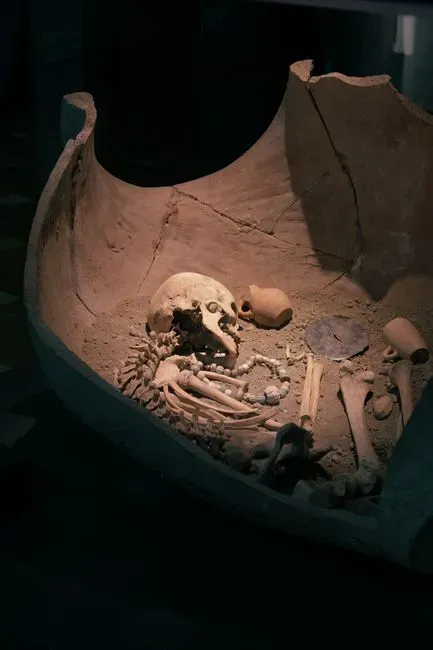
Look closely at what gets buried with the dead, and you start to see more than just sorrow or spirituality: you see hints of identity. When a skilled hunter is buried with tools that match their apparent life activity, it suggests that people thought of individuals as having roles that endured in social memory. Ornament-heavy graves, especially when certain age or sex groups get more impressive items, hint at status and hierarchy. In other words, objects in graves may encode how a community sorted people into types: leaders, caregivers, specialists, insiders, outsiders.
This, in turn, points to narrative-rich minds. To pick objects that “fit” a person, you have to tell some kind of story about who they were and why they mattered. Even if that story was never verbalized in the way we’d recognize today, the choice of objects is like a caption on the life of the deceased, compressed into material form. The neurological leap here might not be about religion at all, but about the ability to fuse memory, emotion, and social structure into shared stories – stories strong enough that people were willing to carve them into earth and stone.
Why this debate about ancient burials still matters for who we think we are
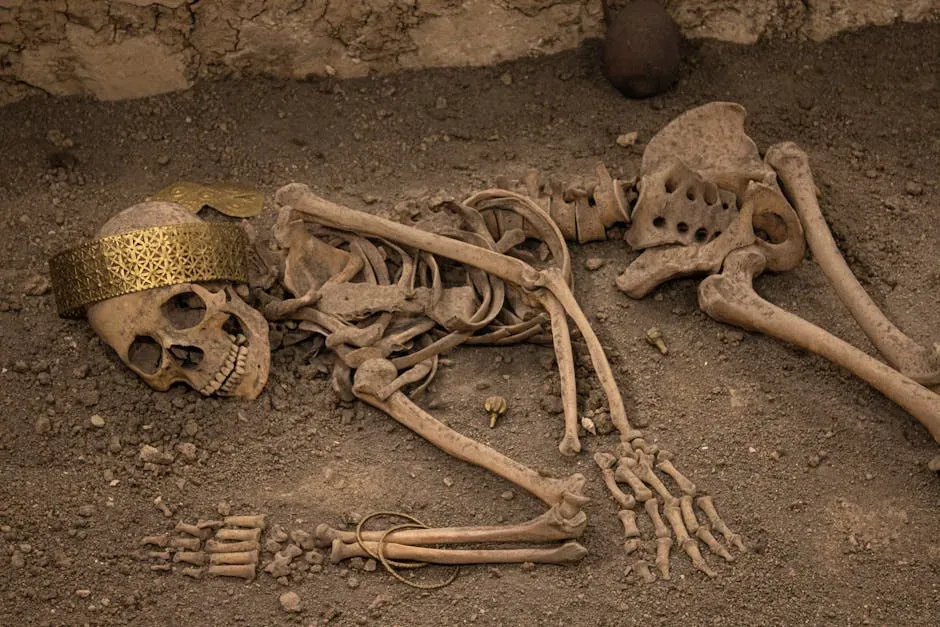
Underneath all the arguments about dating methods, disturbed sediments, and artifact counts lies a more intimate question: what kind of minds do we allow into our shared human story? If we decide that “real” symbolic burials only start at a certain time and with certain populations, we draw a hard line between “us” and “them,” between fully modern minds and almost-but-not-quite people. Personally, I think that line is fuzzier than we like to admit, and that underestimating the inner lives of our ancient cousins says more about our ego than about their actual capacities.
To me, the safest and most honest position is a humble one. The graves tell us that by the time people were burying their dead with objects, something rich and layered was definitely happening in the brain – but exactly what that “something” was is still beyond our full reach. Instead of forcing a single label like religion, or pretending we can read minds through stones, we might accept that these practices mark a mind deeply entangled with memory, meaning, and relationship. That, by itself, is staggering. And it raises a quiet, unsettling question: if someone from that world could stand at one of our funerals today, would they see an alien ritual, or would they recognize the same old human ache dressed in new objects and new words?