You know that strange shiver that races across your skin when a song hits the perfect note, or when a cold breeze sneaks under your jacket? Those tiny bumps on your arms feel so oddly dramatic for such a small moment, like your body is having a reaction your mind did not approve in advance. The wild part is this: what feels like a deeply personal, emotional response is actually a leftover survival tool from a time when our ancestors were a lot furrier than we are now.
Goosebumps sit at this fascinating crossroads between ancient biology and modern psychology. On the surface they look useless, even a little random, but underneath they reveal a story about fear, belonging, music, love, danger, and memory. Once you understand why we get them, you start to see your own reactions in a new light, as if your nervous system is quietly whispering the history of your species every time your skin tingles. Let’s peel that story back, layer by layer.
The Hair-Raising Origins: What Goosebumps Were Built To Do
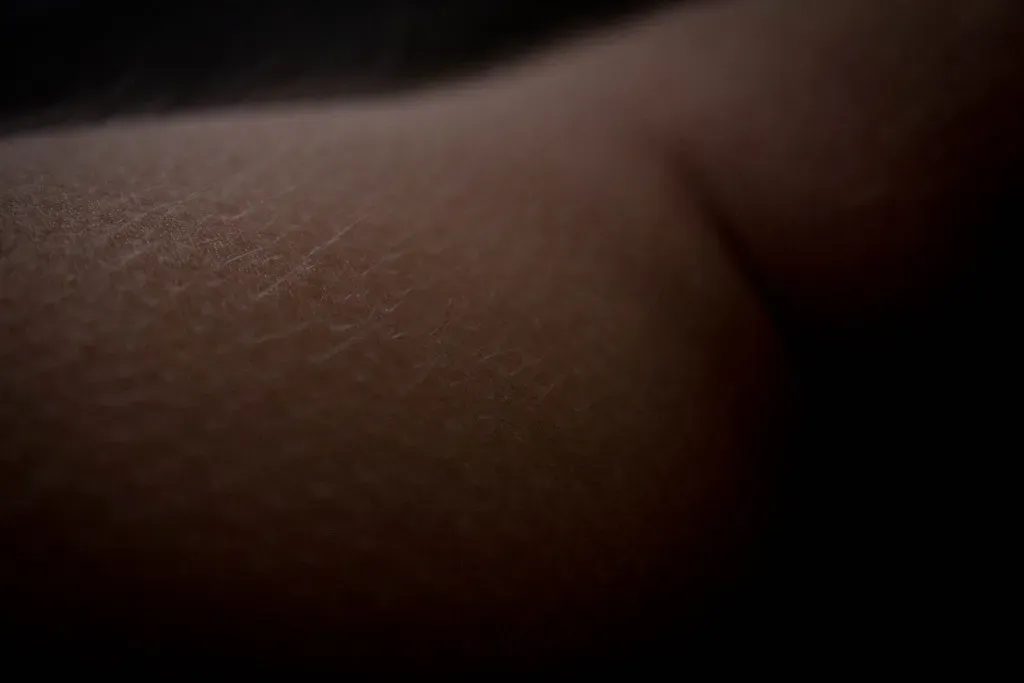
Goosebumps, in dry scientific terms, are the result of tiny muscles at the base of each hair follicle contracting and pulling the hair upright. Today that mostly just gives us textured skin, but imagine the same mechanism on a body covered in a thick coat of fur. For our mammalian relatives, raising that fur serves two main purposes: trapping more air for insulation to stay warm, and making the body look bigger when threatened. In that context, this reflex is less cute and more like an automatic defense system.
Think of a cat suddenly puffing up when it sees a dog, or a bird fluffing its feathers on a cold morning. Those animals are doing exactly what our bodies are still trying to do, we just no longer have enough hair for it to look impressive. In other words, goosebumps are a leftover button on the control panel of our nervous system, one that used to trigger a genuine survival advantage. Now it fires even though the original machinery around it has mostly disappeared.
How the Fight-or-Flight System Hijacks Your Skin

Goosebumps are controlled by the autonomic nervous system, the same network that runs your heart rate, breathing, and digestion without asking for permission. When your brain senses threat or intense arousal, it flips on the sympathetic branch of this system, often described as the fight-or-flight response. Along with a jolt of adrenaline, faster heartbeat, and sharpened focus, those little muscles around your hair follicles get the signal to contract. You do not decide to get goosebumps; they just happen to you.
Back in the days when threats were more often predators than email notifications, that full-body response could be the difference between living and not living. Today, the system is still primed to react to anything that even vaguely resembles high stakes: a horror movie jump scare, a public speech, a breakup text, or even a powerful performance on stage. The goosebumps are like a physical echo of your brain yelling that something matters right now, whether it is actually dangerous or just emotionally loaded.
From Cold Winds To Love Songs: The Shift From Survival To Emotion
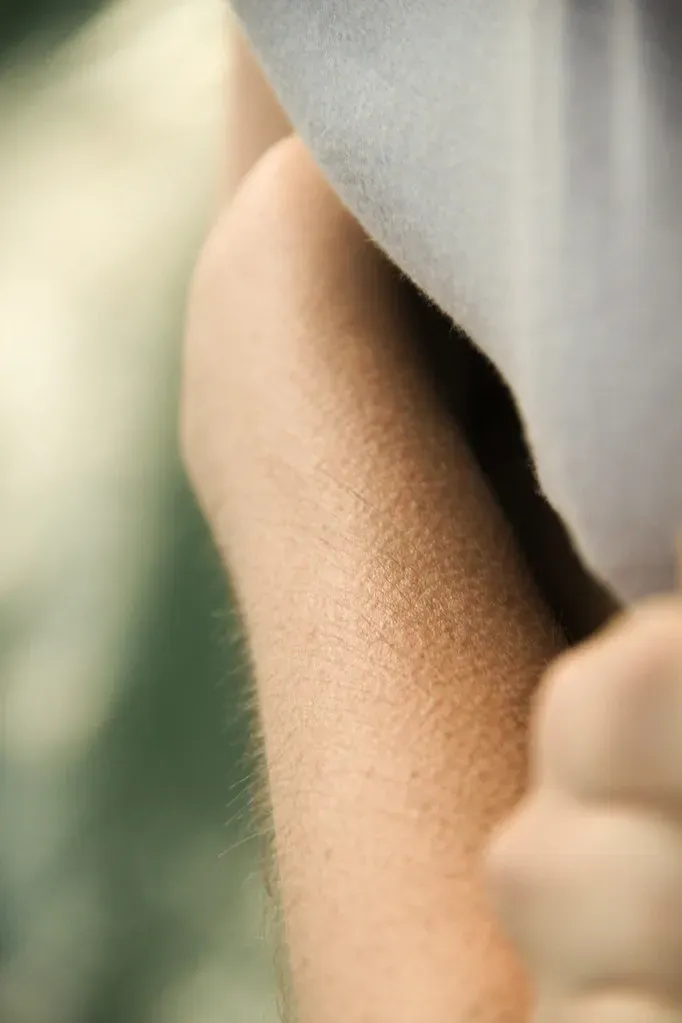
Originally, goosebumps were mostly practical: keep heat in, look bigger, survive the night. As humans evolved less body hair and built better shelters, clothing, and social structures, the temperature and intimidation benefits faded. Yet the reflex survived, and that raises a big psychological question: why would evolution keep a seemingly useless reaction around? One strong possibility is that the response got repurposed from purely physical survival to emotional and social signaling.
Instead of firing only when cold or face to face with a predator, goosebumps started showing up in moments when something deeply meaningful demanded our attention. A moving story, a piece of music, a shared ritual, or a moment of awe can now pull that same lever. The hairs no longer stand up to make us warmer or scarier; they rise as if to amplify our inner state, like an internal spotlight flashing that says, this matters, pay attention. It is a clever recycling of an old mechanism into a new emotional language.
Why Music, Movies, and Stories Can Literally Give You Chills

One of the most fascinating modern twists is how often goosebumps show up during music and storytelling. That sudden rush of chills when a song unexpectedly swells, when a chorus finally drops, or when a character delivers a powerful line is not random; it is your brain reacting to tension, release, and meaning. Our minds are wired to look for patterns and predict what comes next, so when a piece of art bends those expectations in just the right way, we feel a wave of emotional intensity that can spill over into our skin.
There is also a social side to this. For many people, goosebumps hit harder in shared experiences: live concerts, theater, religious ceremonies, even big sports moments. Being part of a synchronized crowd can amplify emotional impact, and your nervous system responds as if the moment is bigger than you alone. Those chills might be our modern version of a tribe bristling together in unity, a subtle signal that we are in sync, that something important is unfolding, and that we belong inside it.
Fear, Awe, and the Strange Power of Being Overwhelmed

Goosebumps often appear at the edge of our comfort zone, right where fear and fascination blur into each other. Standing at the edge of a cliff, looking up at a night sky full of stars, or hearing news that completely reshapes your sense of reality can all trigger that same skin-tingling reaction. Psychologically, those are moments when the world feels suddenly larger than your usual mental frame, and your nervous system jumps into high gear to help you absorb it.
What is interesting is that the feeling is not just about fear; it is also about awe. The body reacts similarly whether it is a terrifying plot twist or a breathtaking view, because both carry a sense that you are facing something bigger than yourself. In a way, goosebumps are like your mind’s way of underlining a page you did not expect to read, a brief acknowledgment that reality has just stepped outside the lines you drew for it. That blend of vulnerability and wonder is exactly where chills love to live.
Do Some People Get Goosebumps More Than Others?

If you feel like you get goosebumps more often than the people around you, you might be right. Research suggests that some individuals are more physiologically reactive, meaning their bodies respond more strongly to emotional and sensory triggers. These people may report chills from music, art, memories, and even ideas more frequently. It is not about being dramatic; it is about having a nervous system that is tuned a bit more finely to ups and downs.
There is also a personality angle here. People who score higher on traits like openness to experience or emotional sensitivity often describe richer, more intense inner lives, and goosebumps seem to tag along for the ride. I have had conversations where someone casually mentions getting chills from a well-worded sentence, while another friend can listen to the same song ten times and feel nothing special. Neither is better or worse, but the difference is a reminder that our skin, just like our minds, does not react in one standard way.
Are Goosebumps Really “Useless” Now?
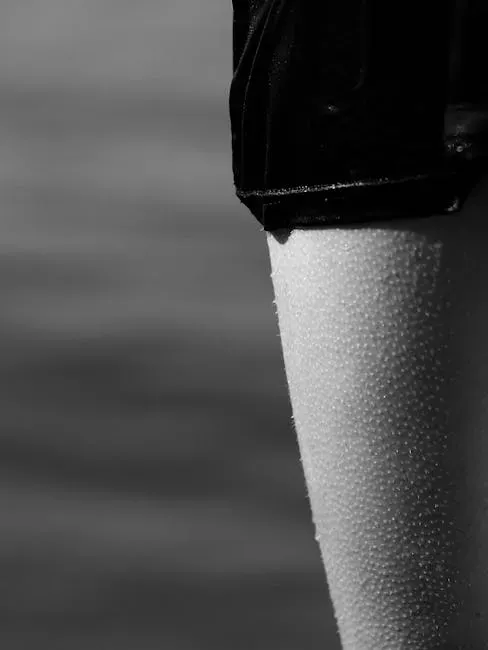
It is tempting to write goosebumps off as a pointless leftover, like a software feature that no longer connects to anything important. But when you look closely, they still carry information. They show up in moments of emotional peaks, deep engagement, or intense focus, almost like a built-in barometer of what hits you hardest. Even if they no longer help us survive cold nights or scare off predators, they might help us notice what truly moves us, and that is not nothing.
There is also a subtle social layer: seeing someone visibly shiver or their arm hair stand on end can signal that they are genuinely affected. We tend to trust emotions that leak out physically more than those that are only verbal, and goosebumps are one of those leaks. In that sense, this old mammalian reflex might still play a quiet role in intimacy, empathy, and connection. It may be less about surviving the wilderness and more about navigating the emotional wilds between us.
Conclusion: A Primitive Reflex With a Surprisingly Human Purpose

Goosebumps really , but writing them off as nothing more than evolutionary trash undersells how strangely beautiful they are. They began as a blunt survival tool, a way to keep warm and look dangerous, yet somehow they have ended up woven into our experiences of music, love, fear, awe, and belonging. That is a remarkable journey for such a small, largely invisible reflex. To me, it feels like proof that our bodies remember more than we consciously know.
If anything, goosebumps remind us that the line between biology and psychology is not a line at all, but a messy, fascinating blend. Your skin, your nerves, your emotions, and your history are all talking to each other every time a song or a memory gives you chills. In a world that loves to pretend we are purely rational, those tiny bumps quietly insist that we are still animals, still wired for instinct and wonder. The next time your skin tingles for no obvious reason, maybe ask yourself: what secret is my older self trying to tell me right now?