Rathlin Island, Northern Ireland – Conservationists celebrated a historic milestone this spring when the island off County Antrim’s north coast became the first in the world to completely eradicate feral ferrets. These invasive predators had long threatened the region’s largest seabird colony, preying on eggs, chicks, and adults among more than 250,000 nesting birds. The five-year effort not only secured vital habitats but also demonstrated the power of community collaboration in reversing biodiversity loss.
One Ferret’s Deadly Rampage Highlights the Crisis
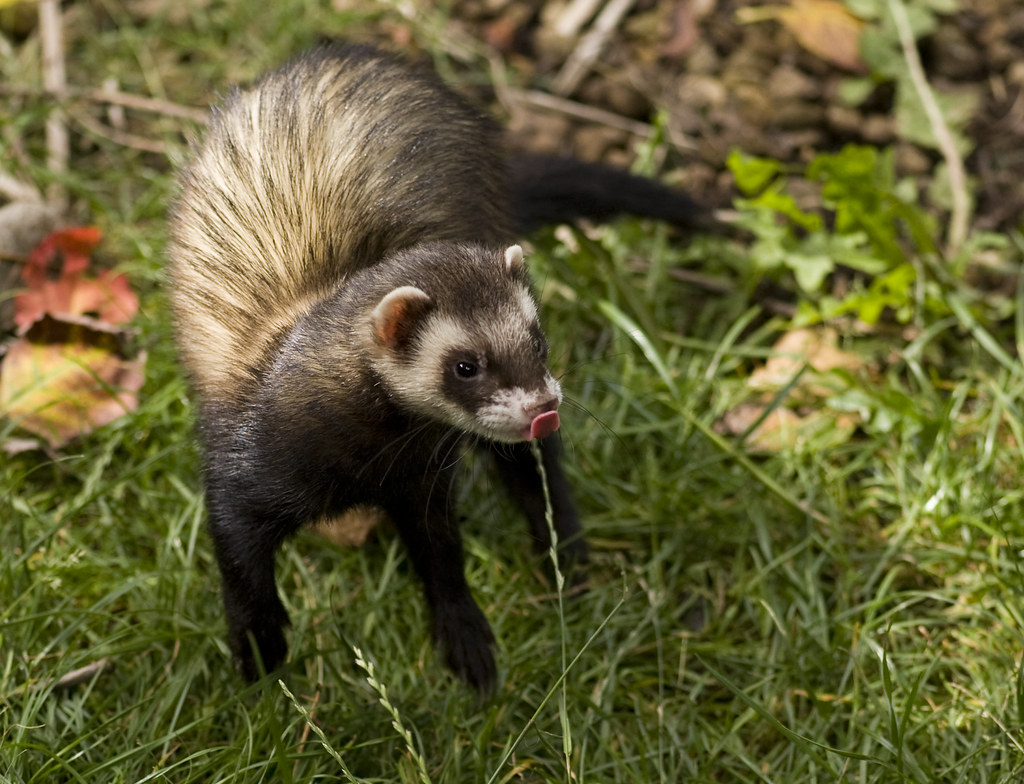
One Ferret’s Deadly Rampage Highlights the Crisis (Image Credits: Flickr)
In 2017, a single feral ferret reached a puffin colony on Rathlin and killed 27 birds over just two days. Such incidents underscored the ferrets’ devastating impact on ground-nesting seabirds, which lay only one egg per year and struggle under multiple global pressures. Breeding seabird populations across the UK and Ireland had already declined by 62 percent over the previous two decades, exacerbated by these non-native invaders.
Feral ferrets, domesticated from European polecats thousands of years ago, arrived on the island in the 1980s. Officials released them to control rampant rabbits, but the population exploded to around 100 despite initial plans for males only. They shifted quickly to targeting native species like Irish hares, corncrakes, and domestic chickens, eviscerating flocks and disrupting island life.
LIFE Raft Project Mobilizes a United Front
The LIFE Raft initiative, or Rathlin Acting for Tomorrow, launched in 2021 with a £4.5 million budget. RSPB Northern Ireland led the charge, partnering with the Rathlin Development & Community Association, Causeway Coast & Glens Heritage Trust, local councils, and the Department of Agriculture, Environment and Rural Affairs. Funding came from the EU LIFE programme, National Lottery Heritage Fund, DAERA, and the Garfield Weston Foundation.
Experts from Wildlife Management International provided technical guidance, adapting proven eradication techniques to Rathlin’s unique challenges. The inhabited island, home to about 150 residents, featured diverse terrain from soaring cliffs to farmland, demanding careful execution amid year-round ferry traffic. Volunteers and locals played key roles, fostering buy-in and ensuring the project’s sensitivity to community needs.
Advanced Tools and Tenacious Detection Seal the Deal
Teams deployed over 400 traps across Rathlin in winter 2023, capturing 98 ferrets. Live traps alerted staff via sensors, allowing swift, humane dispatch by shooting, the method deemed most ethical. No ferrets appeared after October 2023, paving the way for the March 2026 declaration.
Woody, a red fox labrador trained to detect ferret scent and latrines, proved invaluable. The detection dog sniffed out remnants despite a personal setback from an eye injury. Complementing him were 110 surveillance cameras, thermal drones, and rigorous monitoring, confirming total eradication.
- 400+ ferret traps strategically placed
- 110 motion-activated cameras island-wide
- Thermal drones for nighttime sweeps
- Woody’s biosecurity checks on incoming shipments
- Community training in predator detection
Seabirds Bounce Back Amid Broader Gains
Early results thrilled observers. Manx shearwaters bred on Rathlin for the first time in over 20 years, while six male corncrakes called during the season – a species absent from breeding elsewhere in Northern Ireland. Puffins, razorbills, guillemots, peregrine falcons, and choughs now face reduced threats, with seabird numbers poised to rebound swiftly.
Islanders benefited too, regaining confidence to raise poultry without losses. Hare populations may surge as predation on young eases. “This is an extraordinary moment for Rathlin, for Northern Ireland, and for conservation globally,” said Joanne Sherwood, RSPB NI Director. The project created jobs, built skills, and strengthened community ties.
Safeguarding the Future Against Reinvasion
Rathlin’s success extends lessons worldwide, proving inhabited islands can eliminate tough invasives. Biosecurity remains paramount: Woody now inspects cargo at ports, while AI cameras and volunteer patrols guard against ferrets and rats. No rats have appeared since June 2025; full rat-free status targets 2027.
Joanne Sherwood emphasized ongoing vigilance: populations should rebound, but sustained protection counters climate change, overfishing, and pollution. DAERA’s Seabird Conservation Strategy will amplify these gains regionally.
This triumph reminds us that targeted action can restore balance to fragile ecosystems. Rathlin now stands as a beacon for global efforts. What do you think about this conservation win? Tell us in the comments.
Key Takeaways
- World-first feral ferret eradication protects 250,000+ seabirds on inhabited island.
- £4.5m LIFE Raft project blended tech, dogs, and community power.
- Early recovery signals hope; biosecurity ensures lasting impact.