Think about the first time a dinosaur on screen genuinely made your jaw drop. Maybe it was a towering tyrannosaur roaring in the rain, or a raptor stalking down a stainless-steel hallway. Those scenes feel so real that it is easy to forget they are, in many ways, beautiful lies. Movie dinosaurs are built to thrill, not to tell the whole truth, and the gap between blockbuster beasts and actual prehistoric animals is much wider than most people realize.
Once you start comparing what paleontologists know today with what filmmakers put on screen, things get even more dramatic. Feathers vanish, colors are wrong, behaviors are ramped up to horror-movie levels, and some “species” never even existed. That is not necessarily a bad thing if you are after popcorn and spectacle, but it does mean that the dinosaurs you grew up loving are more like monster-movie celebrities than accurate nature documentaries. Let’s pull back the curtain and look at why.
Movies Are Built for Drama, Not Accuracy
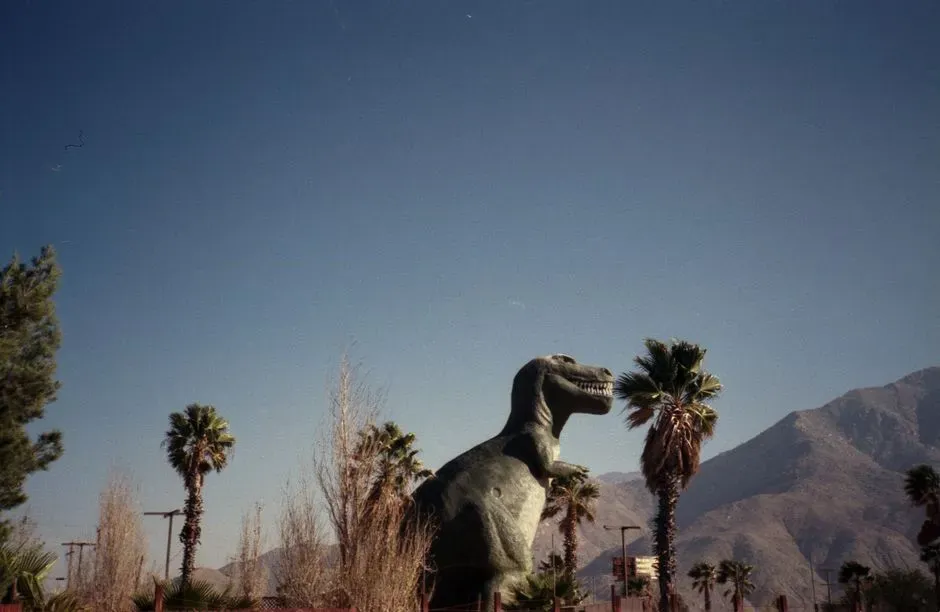
At the end of the day, movies are not science papers; they are entertainment products that need to keep millions of people on the edge of their seats. That pressure shapes how dinosaurs look and act. Directors want big silhouettes, dramatic poses, and instantly recognizable shapes that read in a split second, even if that means stretching reality. A scientifically accurate animal that mostly walks, eats, and naps like a big bird is far less cinematic than a snarling, drooling predator that roars at the sky every five minutes.
So filmmakers lean into exaggeration. Heads get a little bigger, claws get a little sharper, and behaviors get dialed up from “plausible predator” to “unstoppable movie monster.” There is also a strong visual language in Hollywood for what “dangerous” means – low lighting, glistening teeth, wide mouths, and constant roaring – so dinosaurs are often squeezed into that mold whether it fits or not. The result is that realism often loses to rhythm, pacing, and spectacle, and once a certain look becomes iconic, it is hard for studios to walk away from it, no matter what new fossils say.
The Fossil Record Is Incomplete (and Weirdly Biased)
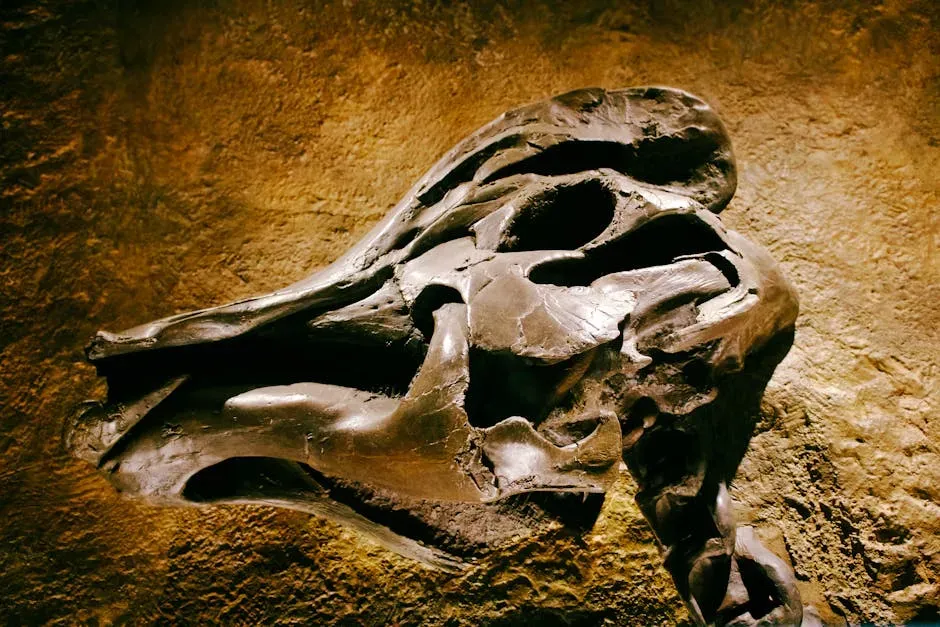
One quiet truth paleontologists live with every day is that fossils are a tiny, distorted sample of the past. Soft tissues almost never fossilize, so most of what we have are bones and, if we get really lucky, impressions of skin or feathers. That means scientists have to reconstruct entire muscles, faces, and outer coverings from skeletal clues and comparisons with modern animals. It is like trying to design a whole car from a rusted chassis and a few tire tracks. Filmmakers, looking for a clean, finished picture, often smooth out those uncertainties into a single “definitive” look that hides the doubt.
The fossil record is also biased toward certain environments and body types. Large, robust bones in river or lake settings fossilize far more often than delicate, small animals in dry forests. That skews our sample toward big, heavy-boned dinosaurs and leaves out a lot of the smaller, softer-bodied species that once shared their world. When you jump from that already skewed record into a movie that prioritizes spectacle, subtle anatomical uncertainties and missing diversity get simplified away. We end up with a cast of dinosaur “greatest hits” that ignore how strange, varied, and often unknown the real ecosystem was.
Feathers, Fluff, and the “Naked Lizard” Problem
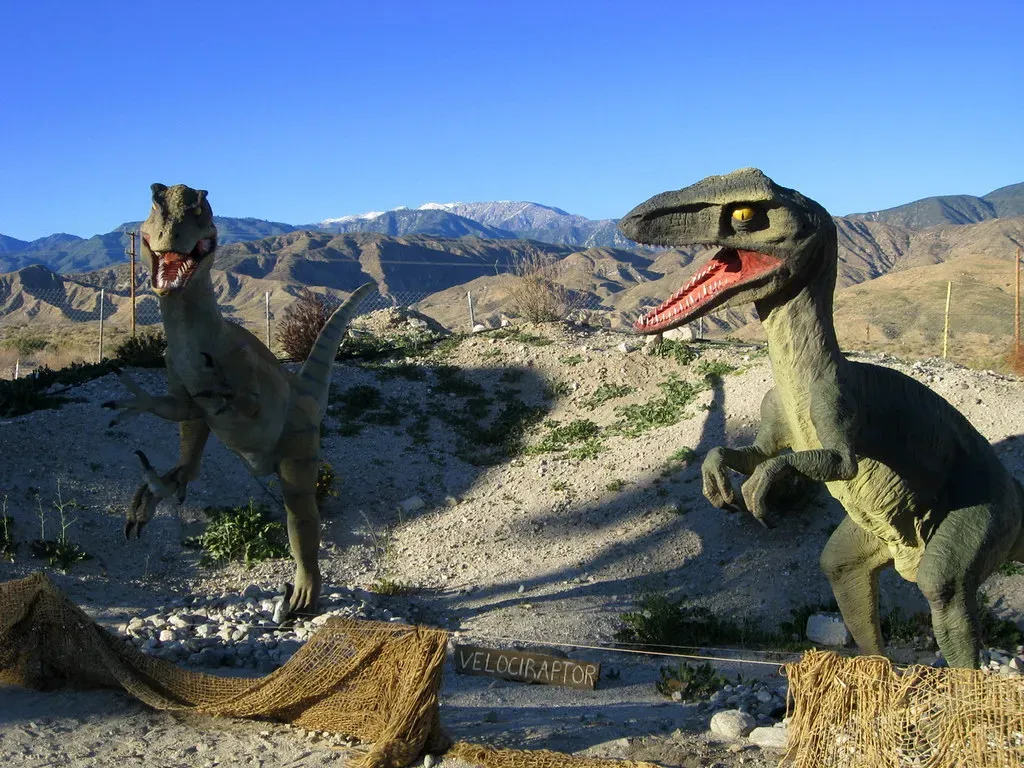
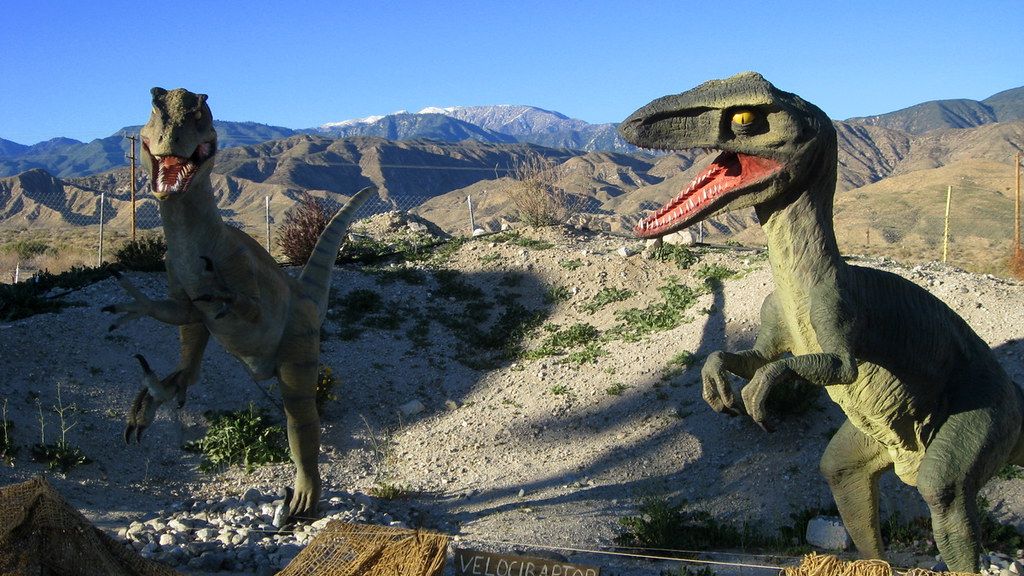
One of the biggest disconnects between science and cinema is feathers. For years now, paleontologists have been turning up feathered dinosaur fossils – especially in groups closely related to birds. Many theropods, the group that includes famous predators like Velociraptor, almost certainly had complex plumage, from fuzzy down to more structured feathers. Yet in many movies, those same animals are still portrayed as smooth-skinned, scaly reptiles with shiny, leathery hides, largely because that is the image older films cemented in pop culture.
There are a few reasons for this resistance to feathers on screen. Some directors worry that adding plumage makes dinosaurs look too much like giant chickens and less like nightmare predators, undercutting the vibe they want. There are also design and technical challenges: detailed feathers are harder to animate convincingly, especially when soaked, ripped, or covered in mud. On top of that, audience expectations lag behind the science; many viewers simply “feel” that a scaly raptor looks more authentic, even though the evidence says otherwise. The end result is that the naked-lizard aesthetic hangs on long after the science has moved on.
We Still Do Not Fully Know How Dinosaurs Looked
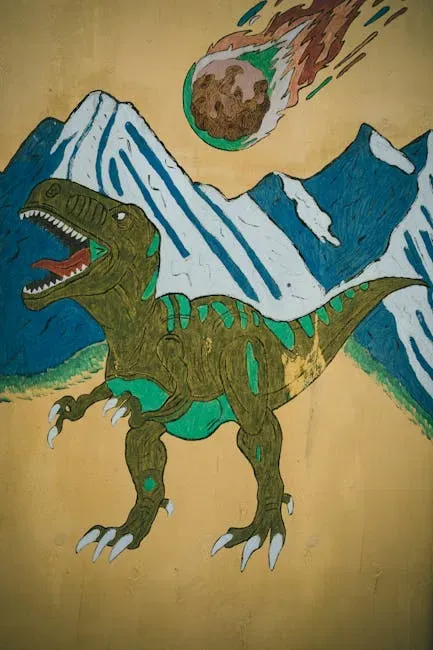
Even with incredible fossils, there is a huge amount we cannot know for certain about dinosaur appearances. Color patterns, exact skin textures, the presence of wattles, dewlaps, and display structures made of soft tissue – all of that is mostly guesswork. In a few rare cases, pigment-containing structures have been preserved in fossil feathers, letting scientists infer general color tones like dark, light, or even some patterns. But detailed, full-body color schemes that you see on movie posters go far beyond the available evidence.
Filmmakers, of course, cannot leave a dinosaur blank or greyed-out for realism’s sake; they need a cinematic look. So they choose color palettes that fit the emotional role – dark, muted tones for stealthy predators, bright accents for “hero” dinosaurs, desert hues for herds in dusty plains. They might base these choices loosely on modern reptiles, birds, or big mammals, but at the end of the process it is still art direction more than science. That does not mean they are always wrong, just that the level of certainty the visuals suggest is way higher than what paleontologists can honestly claim.
Monsters Need Personality, Not Just Biology
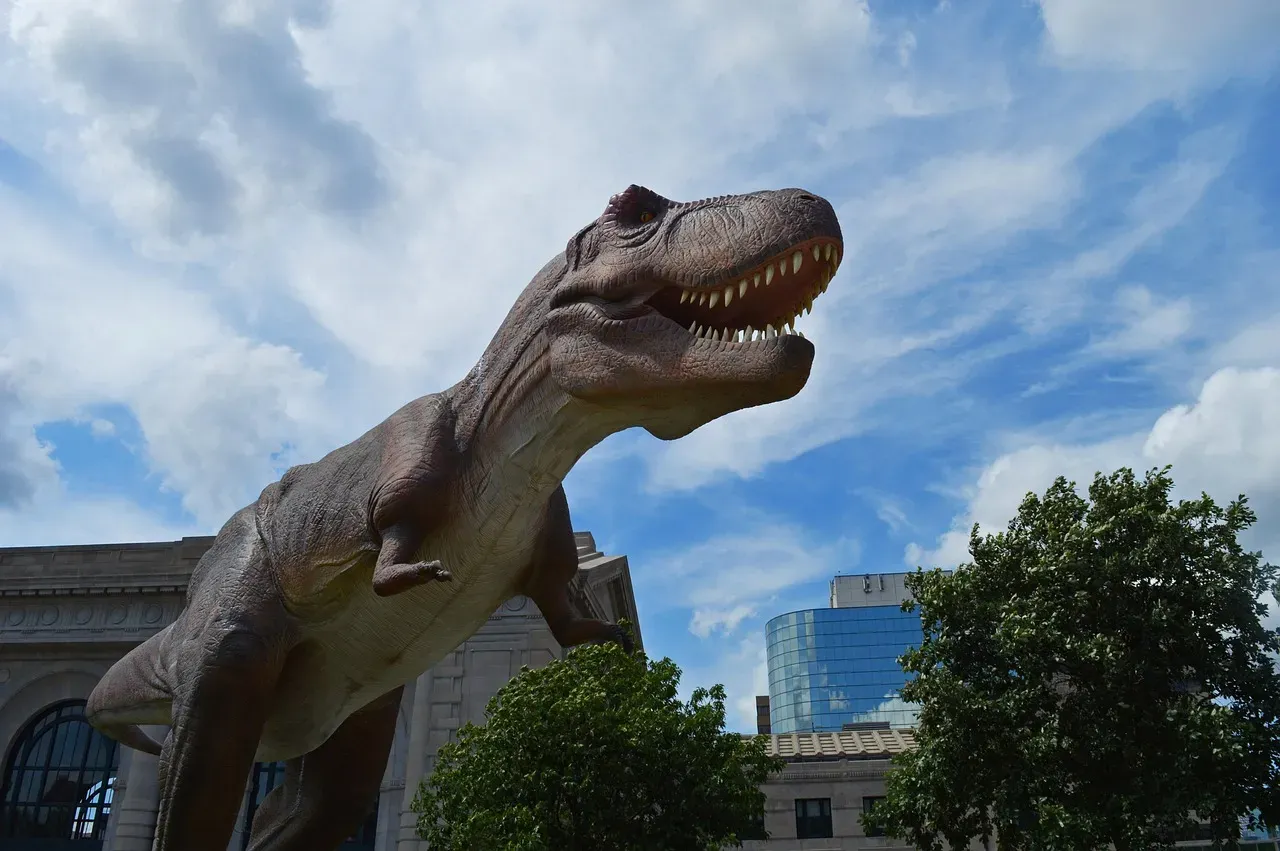
Movie dinosaurs are characters, not just animals, and that changes everything. Writers and animators give them human-readable expressions, almost like digital actors. Eyes narrow in anger, brows furrow, lips curl into snarls – anatomical features that either never existed or would have looked completely different on the actual animals. In reality, most dinosaurs probably had fairly limited facial expressiveness, more like birds or crocodiles than wolves or primates, relying on posture, sound, and display structures more than “facial acting.”
Behavior gets dialed up too. Predators are almost always shown as relentless hunters that attack anything that moves, when in real ecosystems it takes a lot of energy to chase prey and failed hunts are common. Hunting would have been strategic, opportunistic, and often avoided when possible. Social behavior is also stylized: herds form perfect cinematic groupings, predators conveniently hunt in suspense-building ways, and even communication is tailored to fit human drama beats. What you are seeing is dinosaur-as-character archetype – villain, anti-hero, gentle giant – layered on top of biology, rather than biology leading the show.
Sound and Movement Are Carefully Exaggerated
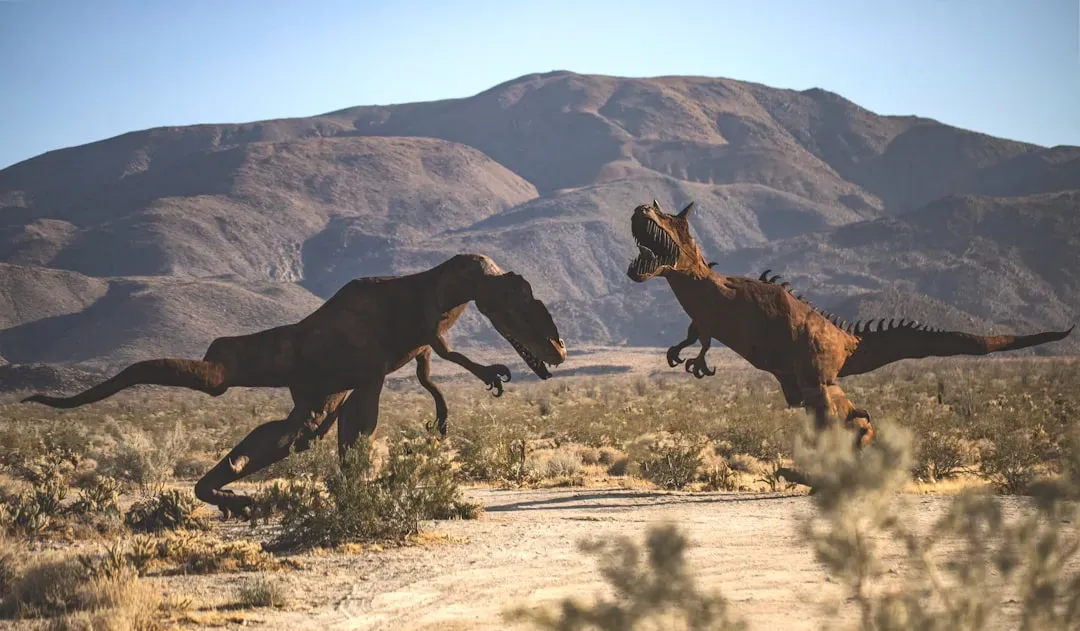
If you have ever felt your chest shake from a dinosaur roar in a theater, you already know how much sound design matters. The reality is that we do not know exactly what most dinosaur vocalizations sounded like. We can make educated guesses by looking at related animals, like birds and crocodilians, and by studying anatomical structures that might have resonated sound. But the iconic movie roars – often mixed from lions, tigers, elephants, alligators, and more – are engineered for emotional impact, not anatomical realism. Real dinosaur sounds may have included low rumbles, hisses, booms, or birdlike calls that would not hit quite the same as a multi-layered monster roar.
Movement is treated the same way. Animators often start from skeletons and biomechanics data, but then they tweak gait, speed, and posture to make scenes feel right dramatically. A scientifically accurate giant herbivore might move in a slow, measured, almost elephant-like way, but on screen that can be sped up or given extra bounce to keep the energy high. Long tails swing more dramatically, heads stay raised longer, and even the way feet hit the ground can be altered for visual rhythm. Small changes in timing and motion can make an animal look more menacing or more graceful, even if that means drifting away from how bones and muscles would actually function.
Legacy Designs and Nostalgia Shape What You See
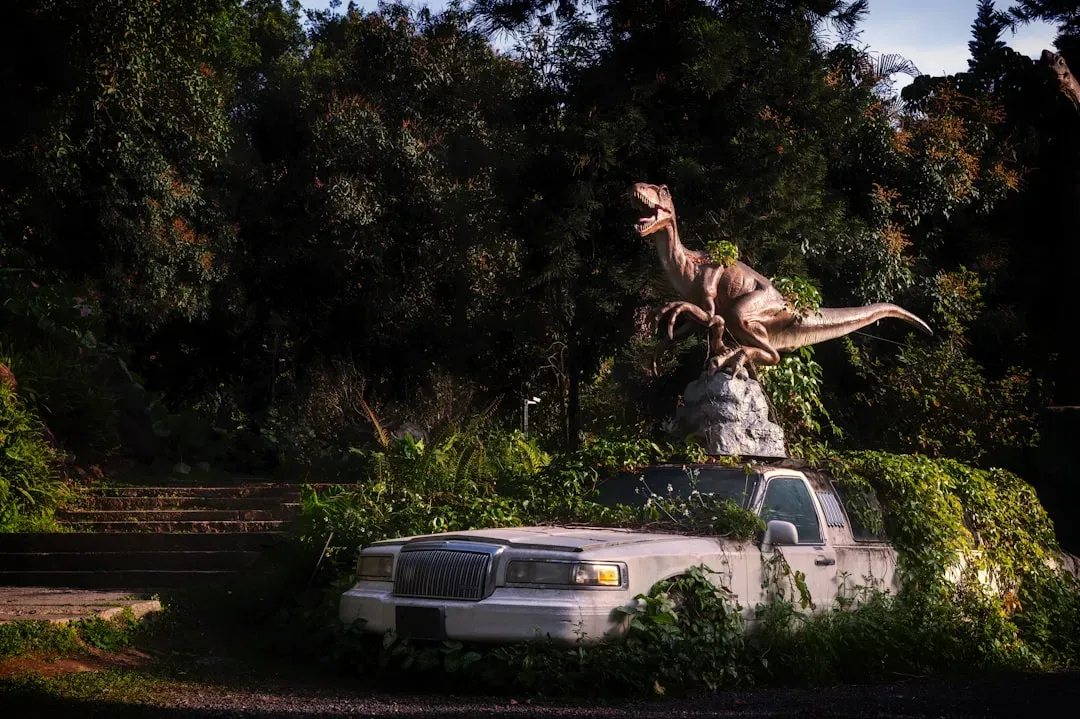
Once a certain dinosaur look becomes iconic, it takes on a life of its own. A lot of what we think of as a “proper” dinosaur design comes less from fossils and more from older movies, books, and museum displays. When a famous franchise popularizes a particular version of a tyrannosaur or raptor, that image lodges deep in the public imagination. Future filmmakers then face a choice: stick with the familiar design audiences already love, or update it and risk backlash from fans who feel their childhood favorites are being “messed with.” Often, the safe choice wins.
This creates what is basically a feedback loop between popular culture and science communication. People get used to seeing a certain type of dinosaur, so toy companies, theme parks, and video games copy that style to meet expectations. Those copies reinforce the old image, even if paleontologists have been moving on for years. When I first realized that my mental picture of a raptor – tall, scaly, and wolf-like – had more to do with a movie than with actual fossils, it felt a bit like finding out a beloved childhood map of the world had whole continents in the wrong place. Nostalgia is powerful, and studios know it.
CGI, Budgets, and Deadlines Limit Scientific Nuance
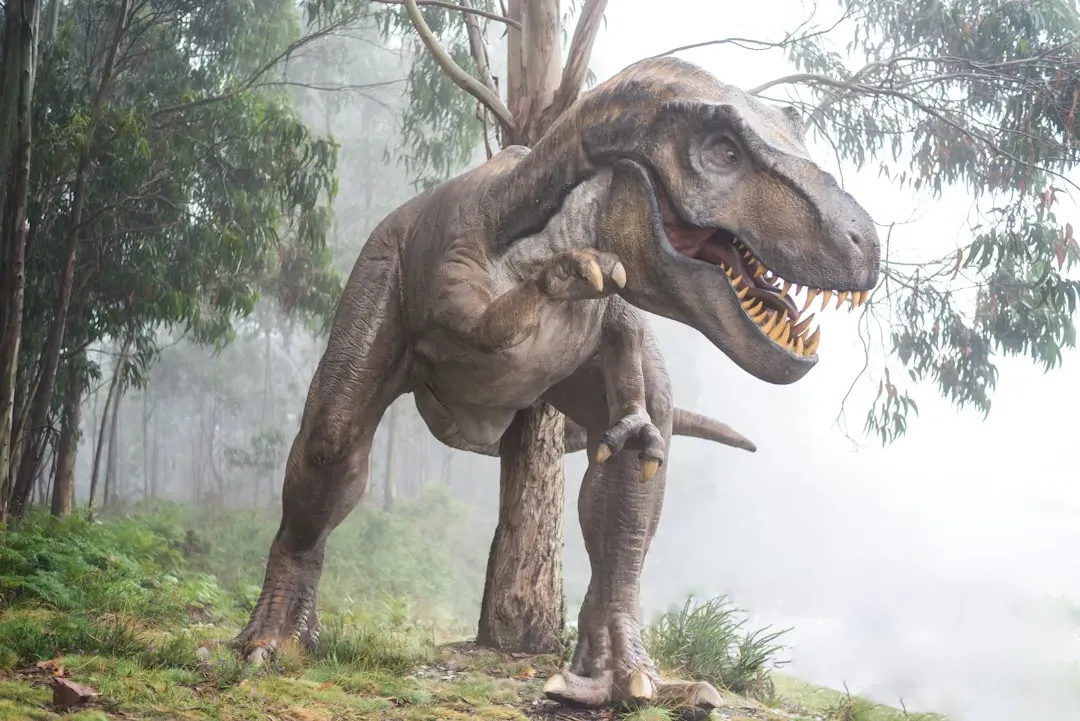
Creating a modern digital dinosaur is brutally expensive. Every feather, scale, muscle, and wrinkle needs to be modeled, textured, lit, and animated, often by huge teams under tight deadlines. When you are spending that much money and time, changing a design mid-production because a new paper came out is rarely an option. Studios tend to lock in models early and then reuse them across multiple shots, sequels, and spin-offs, which makes scientific revision feel risky and costly instead of exciting and informative.
Even when productions consult real paleontologists – and many big ones do – there is a limit to how much nuance can make it into the final creature. A scientist might point out that a specific joint should not bend quite that far, or that a particular species likely had more plumage, but those tweaks might conflict with how an action sequence was storyboarded months earlier. When money and schedule collide with scientific detail, accuracy often becomes a “nice-to-have” instead of a core requirement. The final dinosaurs on screen are therefore compromises: part data, part design, part economic reality.
Conclusion: Love the Movie Dinosaurs, But Do Not Trust Them
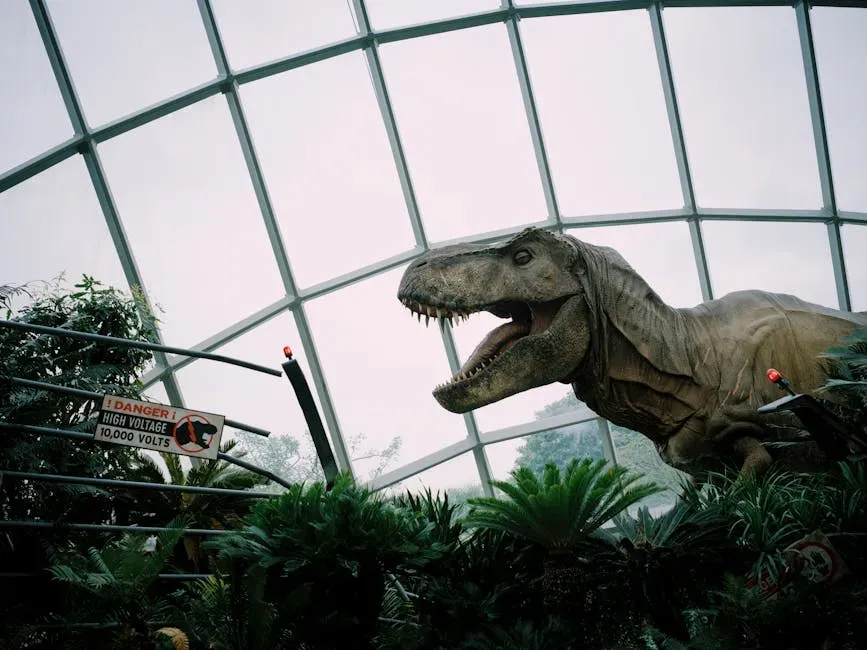
I think there is something strangely comforting about admitting that the dinosaurs we grew up with on screen are, in many ways, beautiful fakes. It does not make those movies worse; if anything, it frees us to appreciate them as art, not as textbooks. The science of dinosaurs is moving fast, and it is almost inevitable that today’s most realistic reconstructions will look quaint or even ridiculous a few decades from now. That constant revision is not a weakness of paleontology; it is the whole point of science – a willingness to change your mind when new evidence shows up.
So go ahead and enjoy the roaring, scaly movie monsters for what they are: carefully crafted, heavily exaggerated characters built to thrill. Just keep a little space in your mind for the quieter, stranger reality of the actual animals – many feathered, many unknown, and almost all far more complex than a two-hour film can handle. Maybe the real victory is when a movie sends someone down a rabbit hole of fossil photos and research papers, chasing the truth behind the spectacle. When you think back on your favorite dinosaur scene now, do you see a prehistoric animal, or a very convincing myth in CGI skin?