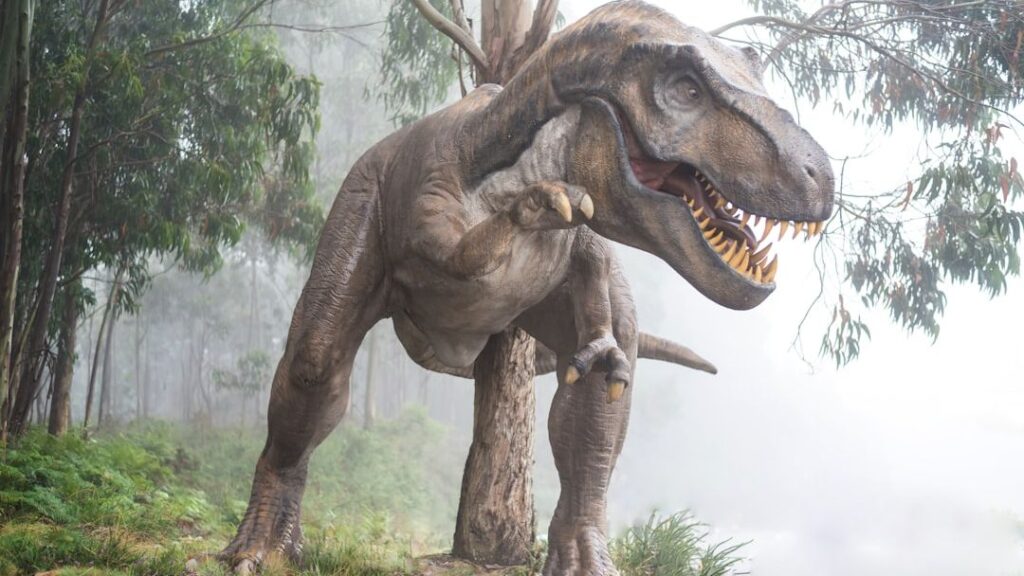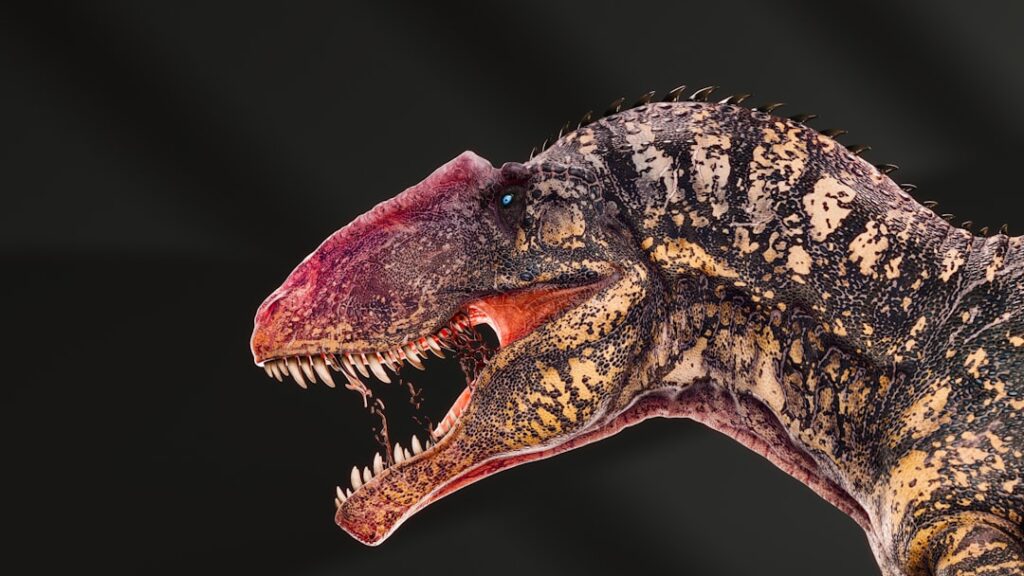
If you grew up picturing dinosaurs as giant, gray lizards stomping through a dusty brown world, your mental Jurassic Park is overdue for an upgrade. Over the last couple of decades, and especially in the last few years, scientists have been quietly pulling color out of stone, revealing plumage and patterns that would not look out of place in a tropical bird sanctuary.
What you are seeing now is a revolution in how you understand dinosaurs: not just as hulking beasts, but as vivid, visually complex animals that flashed color, shimmered with iridescence, and likely used those colors to flirt, threaten, hide, and keep warm. The more researchers look, the more it seems that prehistoric ecosystems may have been as visually busy as any modern rainforest. Once you see that, it becomes almost impossible to go back to the dull, mud‑colored dinos of old books.
The Big Shift: From Mud‑Brown Monsters To Living Color
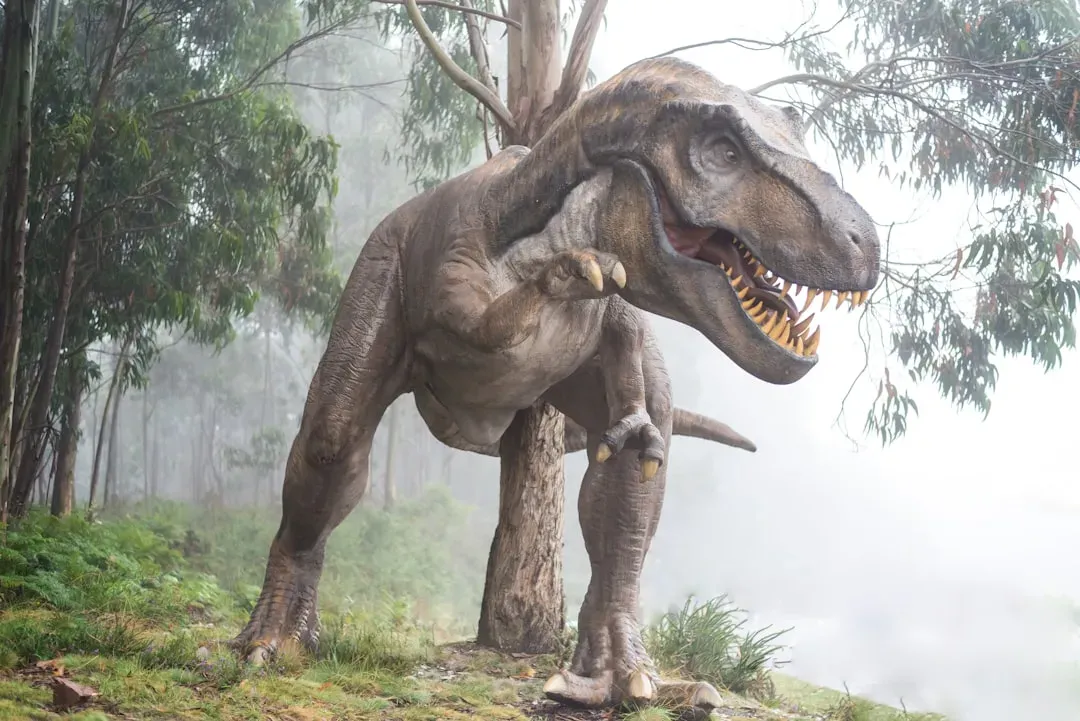
It might shock you to realize that the old gray‑green dinosaur image was never based on real evidence; it was mostly artistic guesswork. For most of the twentieth century, fossils seemed to be just bones and vague skin impressions, so you were left with a safe default: big, reptilian, and drab. Color felt like a luxury of living animals, something that stone simply could not preserve.
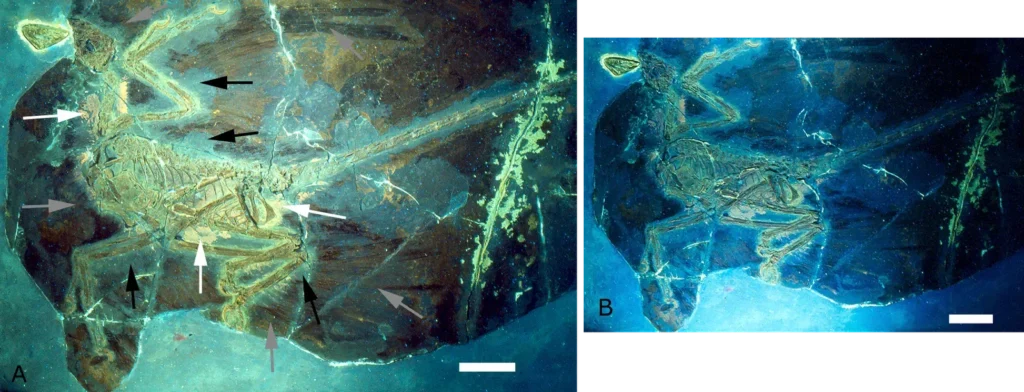
That picture started to crack when exquisitely preserved fossils from places like northeastern China began turning up with traces of feathers and soft tissues. Suddenly, you were not just looking at skeletons anymore, but at the outlines of plumage that looked uncannily like the feathers of modern birds. Once the door opened to the idea that many dinosaurs were feathered, the next natural question was what those feathers actually looked like in life.
How You Can Read Color From Stone: Melanosomes And Microscopes
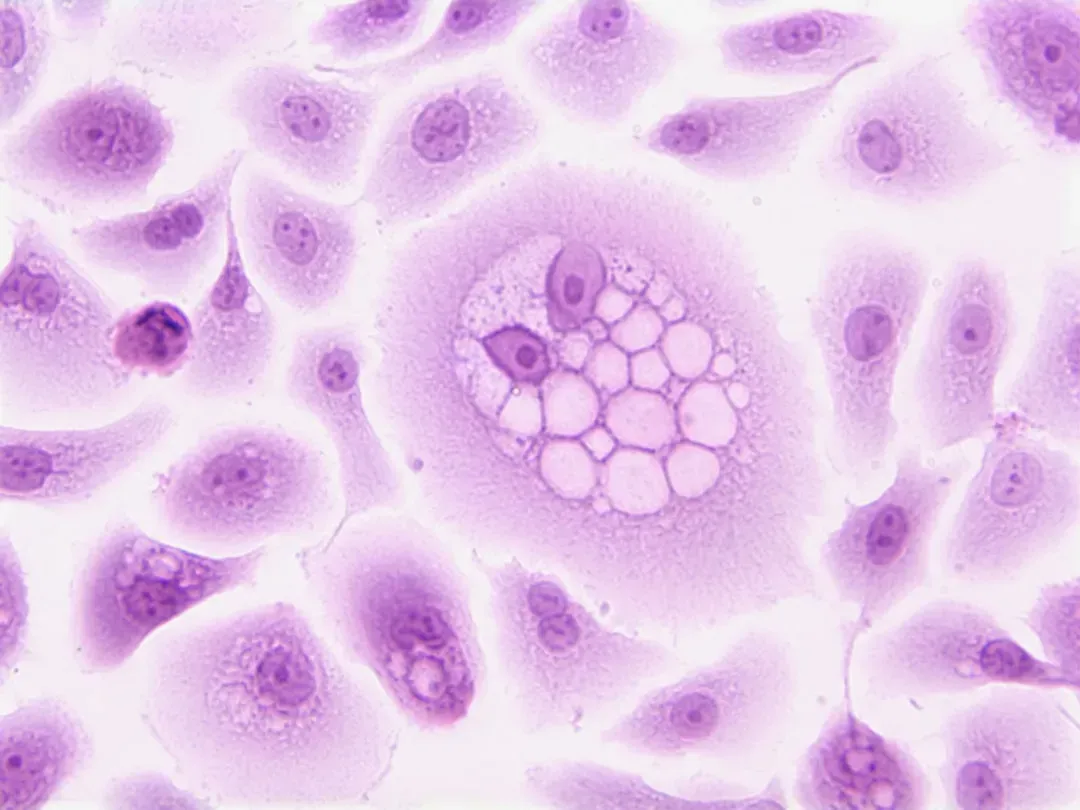
The real magic trick that lets you “see” dinosaur colors is not in the bones; it is in tiny structures called melanosomes that sometimes survive inside fossilized feathers and skin. In living animals, these microscopic packets of pigment give crows their deep black, red‑tailed hawks their rusty tones, and even your own hair its shade. Different shapes and arrangements of melanosomes map pretty reliably to different colors in modern birds and mammals.
When you take a feathered dinosaur fossil and put a flake of it under a powerful electron microscope, you can sometimes still make out these tiny bodies preserved as ghostly impressions. By comparing their shape and density to databases from living birds, researchers can infer whether a dinosaur had rusty reds, deep blacks, mottled browns, or even shimmering iridescence. It is a bit like learning to read a secret code nature has been writing into tissues for hundreds of millions of years, and once you know the code, fossils stop being colorless.
Fossil “Before And After”: Concrete Cases Of Colorful Dinosaurs
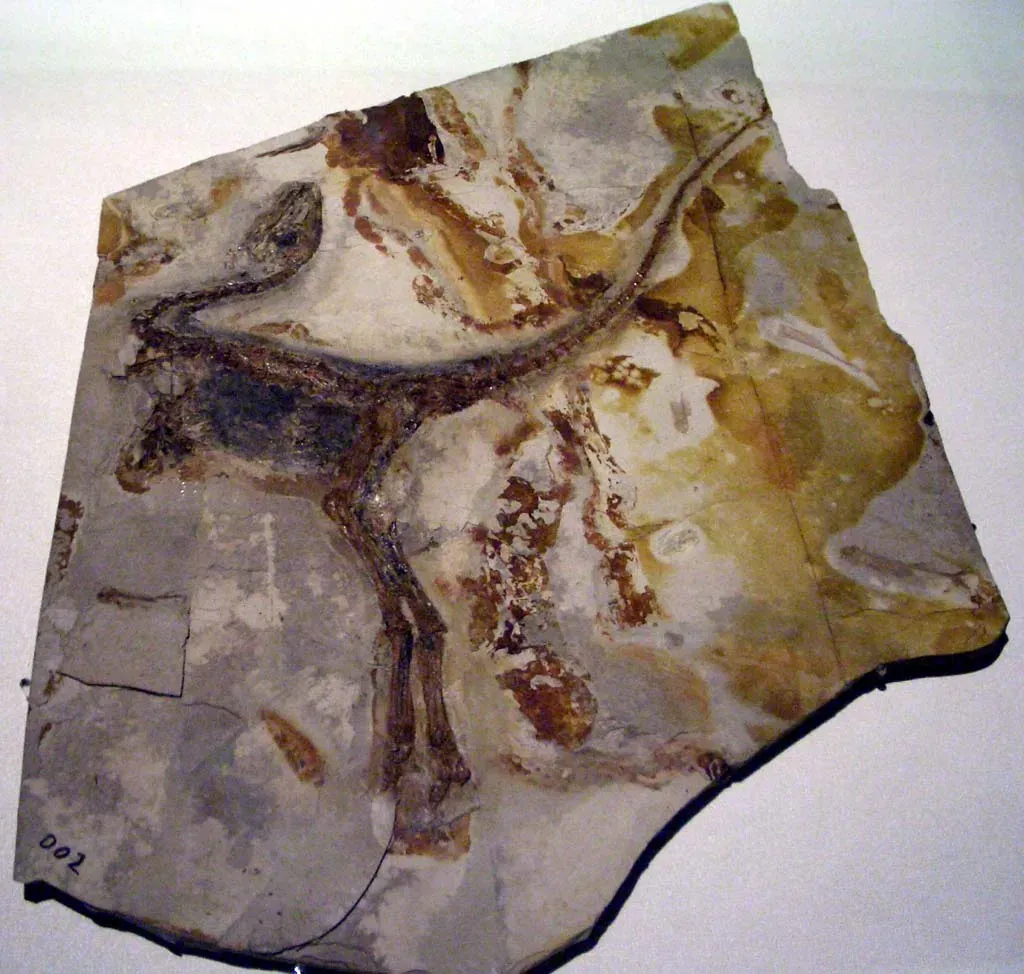
Color reconstruction is not just theory; you have several dinosaurs where scientists have sketched out full or partial color patterns with surprising precision. One early breakthrough came with small, feathered predators like Sinosauropteryx, where banded melanosomes along the tail matched a pattern of alternating light and darker zones, revealing a kind of reddish‑orange tail with pale stripes. Suddenly, you are not imagining a vague little hunter, but an animal advertising a candy‑cane tail in the underbrush.
Another famous example is Anchiornis, a crow‑sized dinosaur close to the origin of birds. By sampling dozens of spots across its fossilized feathers, researchers built what is essentially a color map of the animal’s body. The result was a striking combination of dark wings with patterned tips, a mostly gray body, and a contrasting crest on the head. You can almost picture this creature hopping along a branch, flashing its patterned wings in some early version of the display behaviors you see in modern birds.
Iridescent Plumage: Dinosaurs That Sparkled Like Hummingbirds
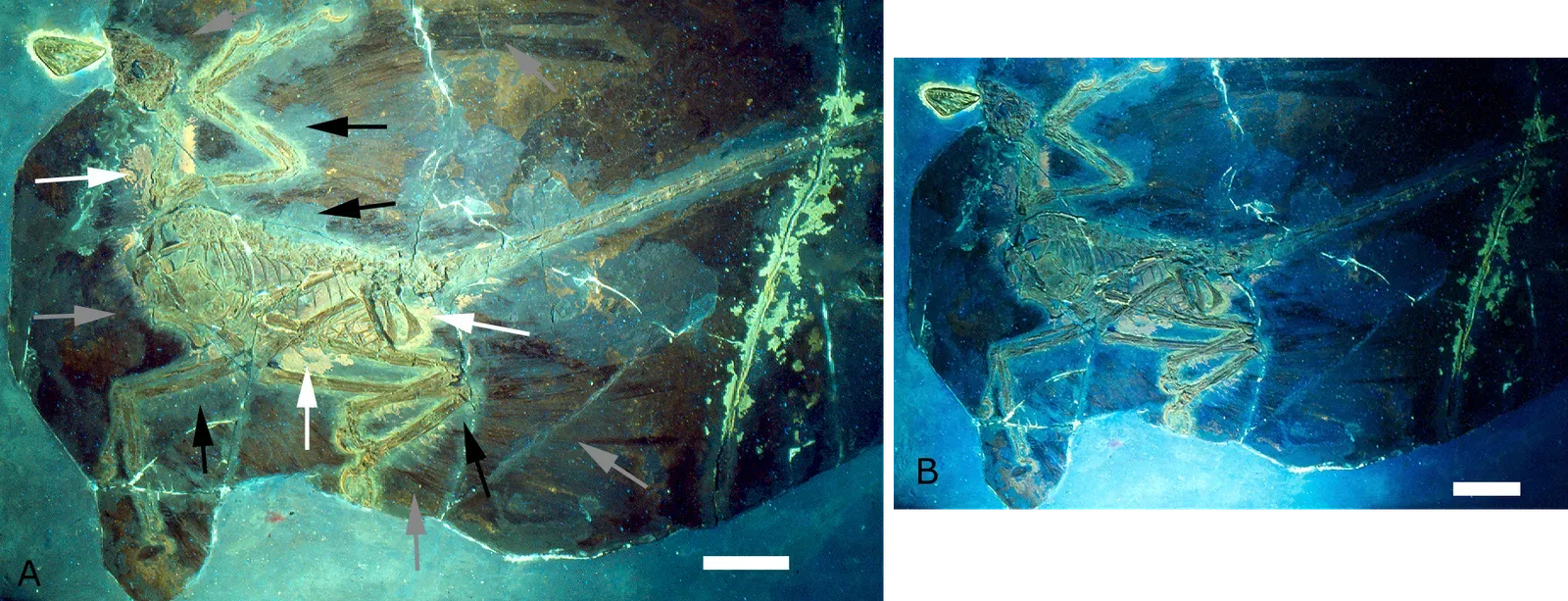
If you think it is wild enough that dinosaurs had rusty reds and patterned stripes, it gets even better: some of them shimmered. Iridescent color, the kind you see in peacocks or hummingbirds, often comes from stacks of elongated melanosomes arranged in tight, layered structures. Those layers bend and scatter light, so the same feather can flash blue, green, or violet depending on angle. Amazingly, that structural setup can leave a recognizable fingerprint in fossils.
In the small four‑winged dinosaur Microraptor, for example, the preserved melanosomes are narrow, elongated, and arranged in a sheet‑like pattern, just like in glossy modern bird feathers. That tells you its plumage was not dull, but more like a crow or grackle: black with a subtle blue‑purple sheen that would have glimmered when the animal moved. More recent work on early birds from the same general time period has revealed crest feathers whose microstructure matches vivid iridescent colors, suggesting you are only seeing the first hints of a whole spectrum of shimmering dinosaurs and early birds.
Not Just The Fluffy Ones: Colorful Giants And Scaled Skin
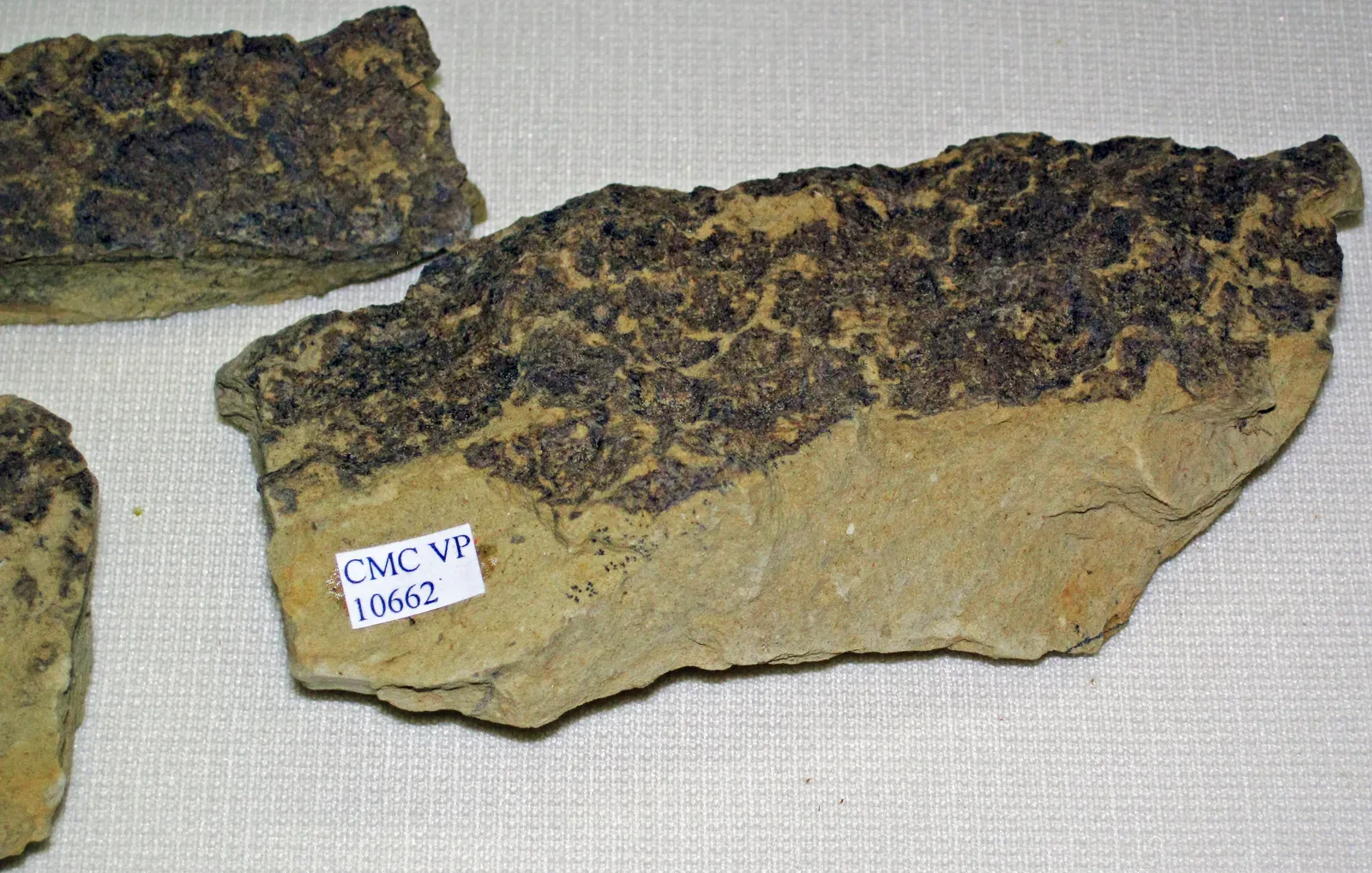
For a long time, it was easy to assume bright colors were mostly a bird‑dinosaur thing, limited to small, feathered species darting through the trees. Recent research, though, has started to chip away at the idea that big, scaly dinosaurs were all monotonous gray. Studies on fossil skin from large sauropods like Diplodocus have uncovered preserved melanosome impressions in the scales themselves, hinting at more complex pigmentation patterns than anyone used to give them credit for.
When you compare those fossil melanosome shapes to modern reptiles and birds, you get evidence for a mix of reddish‑brown tones and possibly darker, iridescent or glossy patches. That does not mean a rainbow‑striped Diplodocus dancing across the floodplain, but it does suggest speckling, mottling, and darker accents along the body instead of a single flat color. If you picture something more like a giant monitor lizard crossed with a subtly patterned bird rather than a plain gray wall of meat, you are probably closer to the truth.
Why All That Color? Display, Camouflage, And Survival
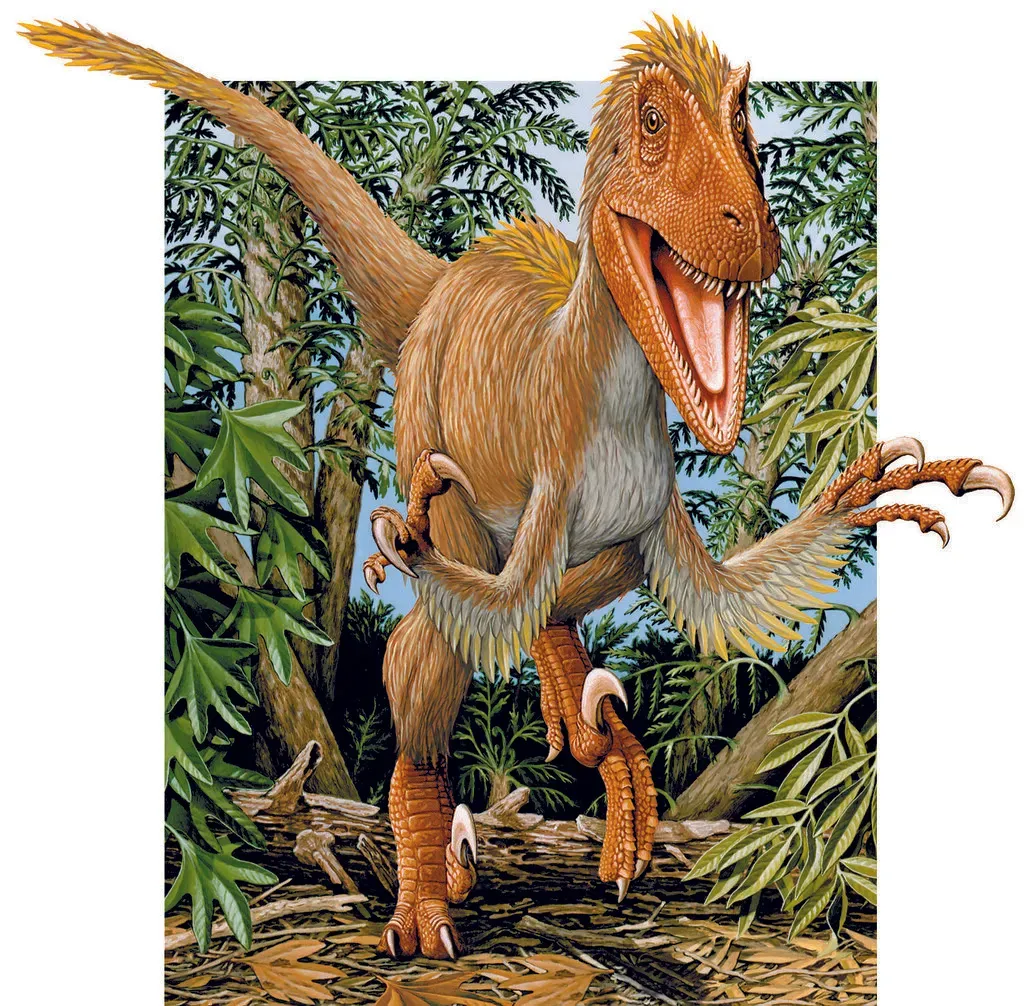
Bright color is not just there to look pretty in your mental illustrations; it has jobs to do. In modern animals, you see color used over and over for things like attracting mates, scaring off rivals, blending into the background, or sending clear warnings. Once you accept that many dinosaurs had feathers, good color vision, and complex social behavior, it becomes obvious that they would have played the same evolutionary games with color that birds do today.
Striped tails, contrasting crests, and glossy black feathers likely acted like billboards in prehistoric landscapes, signaling health, maturity, or territory. At the same time, disruptively patterned plumage and subtle mottling could have helped smaller dinosaurs melt into dappled forest light or patchy ground, just as many birds and mammals do now. You probably would have seen a mix: some species leaning into flamboyant displays like a bird of paradise, others favoring carefully tuned camouflage that only really pops when viewed from the right angle – or by the right potential mate.
How New Techniques Keep Making Dinosaurs More Colorful
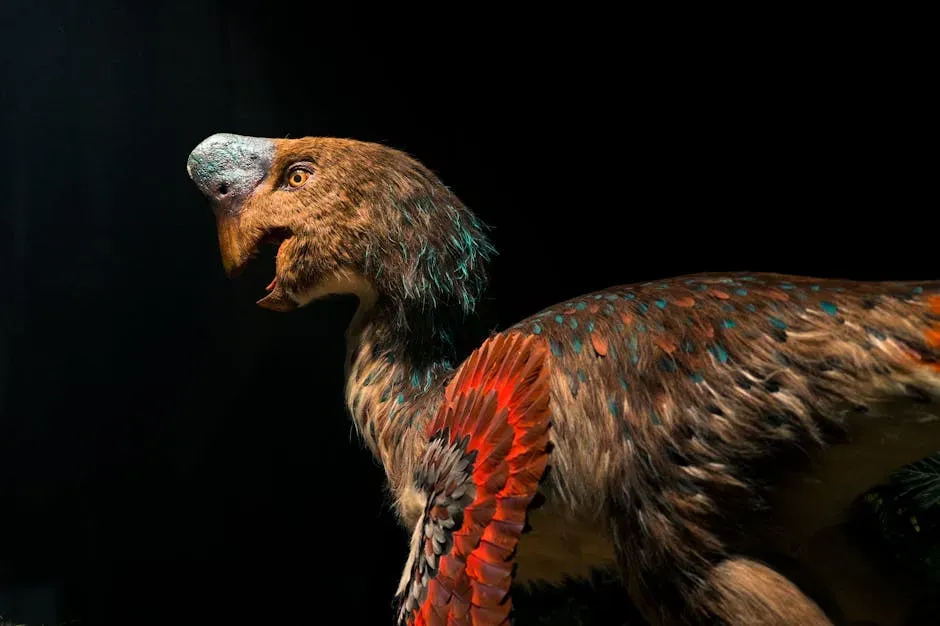
One reason this topic keeps exploding is that the tools you can bring to fossils are getting more sophisticated every year. Early color reconstructions mostly relied on simple melanosome shape and size under electron microscopes. Now, researchers are combining that with advanced imaging, chemical analyses, and even complex light‑simulation models to estimate not just basic hue, but how feathers might have scattered light in three dimensions. That is especially powerful for teasing out iridescent and structural colors.
Recent work on crest feathers in early birds, for instance, used detailed 3D reconstructions of pigment structures and computer simulations of light interacting with them. The results do not just say “probably iridescent,” but suggest specific ranges of colors – like reds shifting toward deep blues depending on viewing angle. As these methods are applied to more specimens, including ones long thought to be simply black or brown, you can expect more surprises. The safest bet is that the fossil record is under‑describing color, not over‑hyping it.
What This Changes For You: Rethinking Dinosaurs And Their World
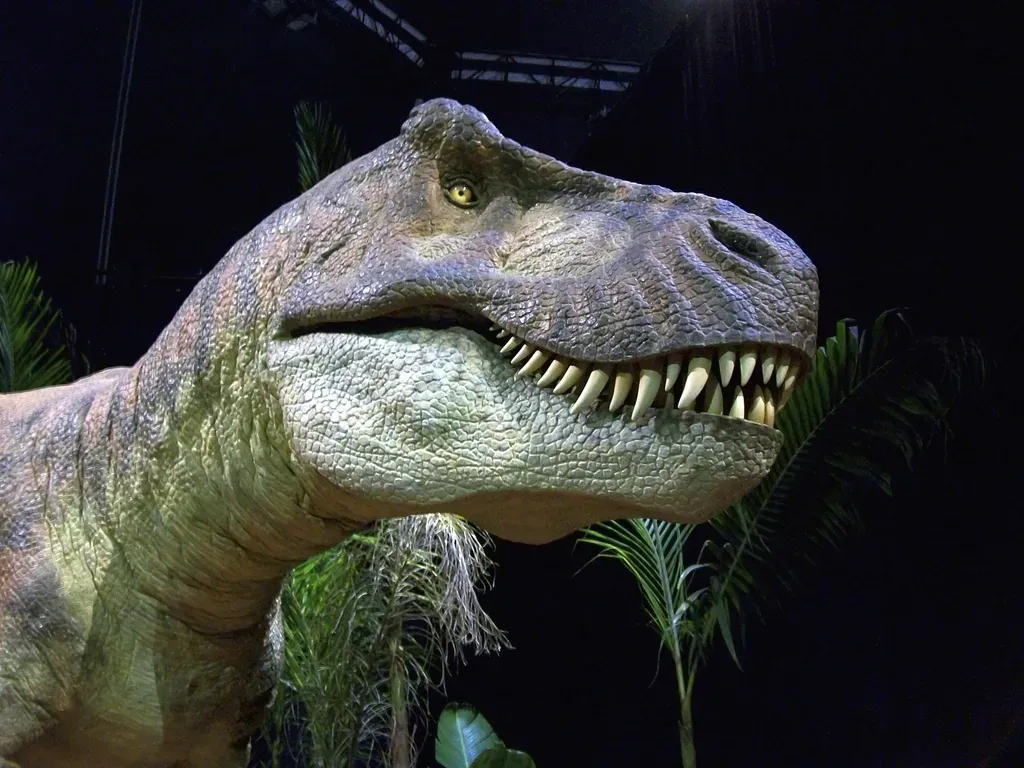
When you accept that dinosaurs were far more colorful than you were taught, you are not just tweaking their wardrobe; you are changing how you imagine their entire world. A forest full of iridescent, crested, patterned animals behaves and feels different from a gray slog of anonymous beasts. Courtship rituals become more elaborate in your mind’s eye, with flashes of color and coordinated displays. Predator–prey interactions gain an extra dimension, with camouflage and warning colors playing out in real time.
On a deeper level, it pulls dinosaurs closer to you emotionally. Brightly colored, glossy, patterned creatures feel more alive, more like animals you might actually watch and recognize. The line between birds at your backyard feeder and their ancient relatives becomes less abstract, more like a family resemblance you can actually see. When you stand in front of a dinosaur mount in a museum now, you might find yourself wondering not just how big it was, but how it shone, shimmered, or blended into its ancient world – and that curiosity is exactly what modern paleontology invites you to lean into.
In the end, the story is simple but powerful: the deeper you look into the rock, the more it looks like dinosaurs lived in a world of color at least as rich as your own. The old, drab monsters are fading, replaced by creatures that gleam, stripe, and shimmer their way through deep time. Next time you picture a T. rex or a small feathered hunter, will you still see gray, or will your mind finally let some color in?