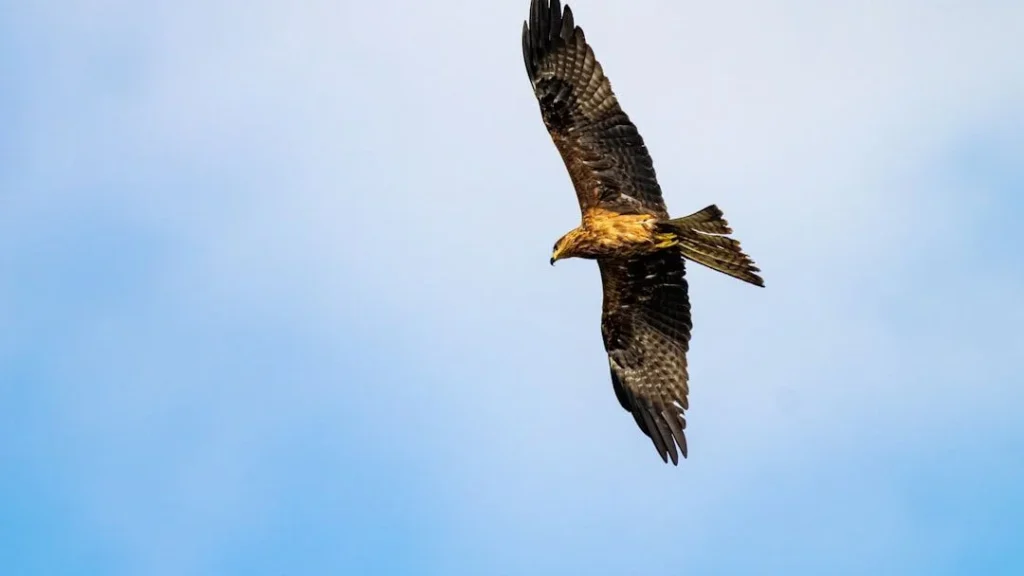
Northern England’s sweeping moors and craggy peaks have long missed a vital presence. Golden eagles, once masters of these skies, disappeared more than 150 years ago amid widespread persecution during the Victorian era. A new study by Forestry England, coupled with £1 million in government funding, now charts a path for their comeback, promising to reinvigorate ecosystems long out of balance.
A Vanished Predator’s Shadow
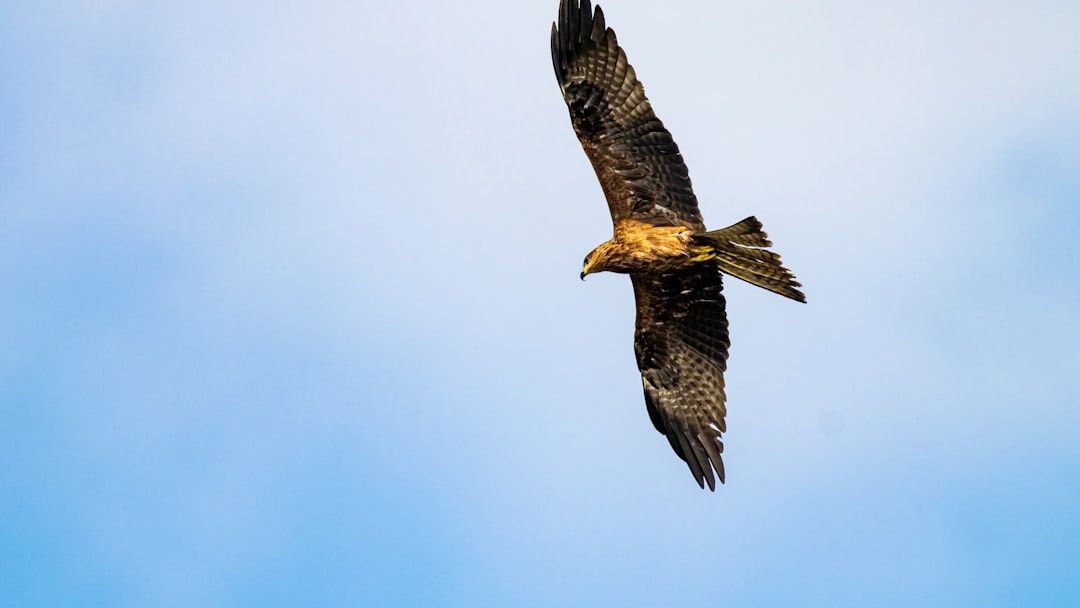
A Vanished Predator’s Shadow (Image Credits: Unsplash)
The golden eagle’s story in England traces a path of dramatic decline. By the mid-19th century, relentless killing by sheep farmers and gamekeepers had driven the species to extinction south of the Scottish border. The last known pair nested in the Lake District, where the female perished in 2004 and her mate lingered alone until 2016.
This void reshaped upland landscapes. Without top predators, mid-level carnivores like foxes, badgers, and certain birds of prey proliferated, pressuring smaller species such as waders and gamebirds. Habitats suffered indirectly as prey populations surged unchecked, leading to overgrazing and reduced biodiversity.
Restoring the Food Web’s Pinnacle
Golden eagles sit atop the food chain as apex predators, wielding influence far beyond their hunts. They prey on medium-sized mammals and birds – rabbits, hares, grouse – and scavenge carcasses, curbing disease spread and nutrient buildup. Studies show up to 90 percent of their diet can come from carrion in some regions, aiding scavengers like red kites and crows in maintaining hygiene.
Their return could trigger a trophic cascade. Meso-predators often avoid eagle territories, as observed on Scotland’s Isle of Mull, where kestrels and buzzards steer clear. This relief allows ground-nesting birds to rebound. Prey control also eases human burdens: fewer rabbits mean less agricultural damage, while balanced deer numbers support woodland recovery without excessive culling.
Moreover, eagles act as environmental sentinels. Pollutants accumulate in their tissues, signaling threats like pesticides – a role they played in the 1960s by exposing chemical dangers. Reintroduction would not only heal food webs but also monitor ecosystem health, fostering dynamic, resilient uplands.
Forestry England’s risk assessment deems biodiversity impacts neutral at worst, beneficial at best. Lamb losses remain minimal – 0.15 to 3 percent of crops, often scavenged rather than predated – addressing farmer concerns head-on.
Mapping the Comeback: Key Recovery Zones
A rigorous analysis pinpointed eight Potential Recovery Zones capable of sustaining populations. These areas mirror Scottish strongholds in terrain, climate, and prey availability, with vast moorlands, heaths, and low disturbance.
- Cheviots: Prime for natural spread from Scotland, rich in moorland.
- North Pennines: Rugged ridges ideal for up to eight pairs.
- Lakes (Lake District): Historical haunt, blending moors and pastures.
- Yorkshire Dales: Natural grasslands, breeding viable in 20 years.
- Bowland: High moor cover, abundant grouse.
- South Pennines: Maturing conifers, despite sheep densities.
- North York Moors: Upland expanses for connectivity.
- South West: Isolated, needing direct intervention.
Population models project viability through natural dispersal or targeted releases of 5 to 25 juveniles over five years. Northern zones could see sightings within a decade, breeding pairs soon after.
Lessons from the Scottish Border
Success north of the border offers a blueprint. The South of Scotland Golden Eagle Project translocated 28 chicks over eight years, building stable populations despite early persecution setbacks. Collaboration with gamekeepers, landowners, and communities proved key, including nest-building and monitoring.
Some young eagles already venture into England, hinting at organic expansion. Yet full recolonization could span decades without aid. Replication in England emphasizes consultation, especially with farmers wary of livestock risks – though data reassures minimal impact.
A Funded Path Forward
The UK government’s £1 million pledge, approved by Environment Secretary Emma Reynolds, launches a three-year program. Led by Forestry England and Restoring Upland Nature, it includes public consultations and possible chick releases by summer 2027. “This government is committed to protecting and restoring our most threatened native wildlife – and that includes bringing back iconic species like the golden eagle,” Reynolds stated.
As partnerships form across uplands, golden eagles stand to reclaim their throne. Their wings could not only grace the skies but also knit ecosystems anew, proving that targeted restoration yields enduring harmony. England’s wilds, poised on the brink, invite this majestic renewal.