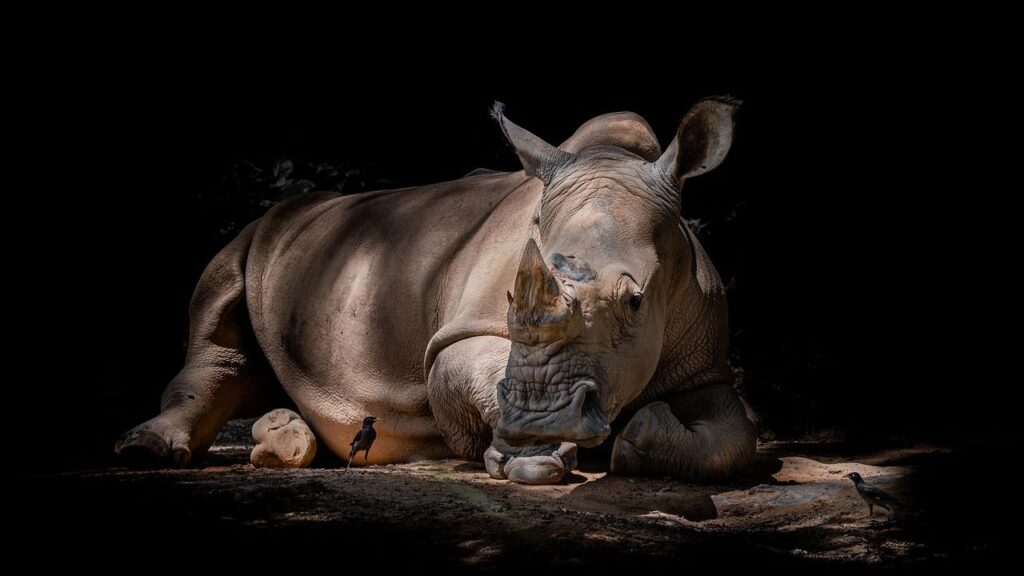
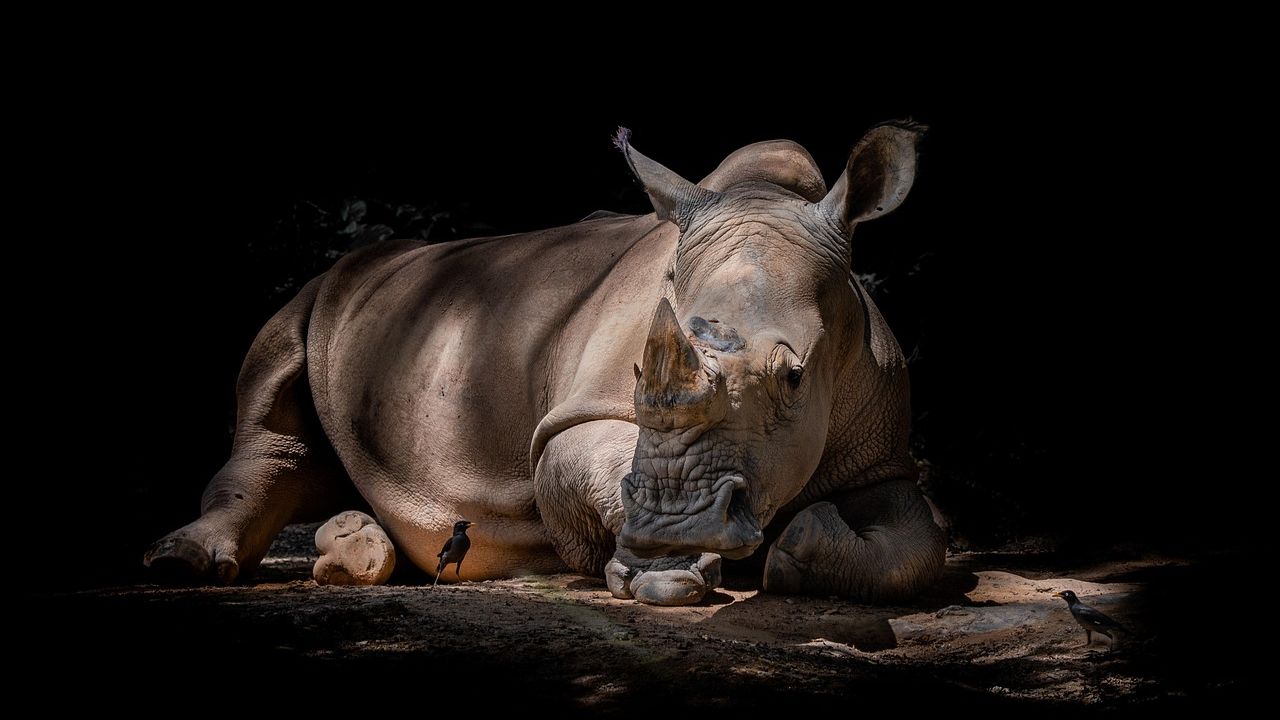
Rhino Poaching Kingpin “Big Joe” Shot Dead In South Africa Amid Ongoing Rhino Horn Crisis – Image for illustrative purposes only (Image credits: Pixabay)
South African authorities have confirmed the death of a man widely known as Big Joe, a figure long identified as a central player in rhino poaching networks. The shooting occurred as illegal horn trafficking continues to place heavy pressure on the country’s remaining rhino populations. Law enforcement officials described the incident as part of broader operations targeting organized wildlife crime.
What Happened in the Shooting
Reports indicate that Big Joe was killed during an encounter with security forces. Details released so far point to a direct confrontation that ended fatally for the suspect. Officials have not disclosed the precise location or the sequence of events leading to the shooting.
The case has drawn immediate interest from conservation groups monitoring poaching trends. Big Joe had been linked to multiple operations involving the illegal removal and sale of rhino horns. His removal is viewed by some as a disruption to established trafficking routes.
The Ongoing Threat to Rhinos
Rhino populations in South Africa remain under sustained pressure from organized criminal groups seeking horn for international markets. Despite years of enforcement actions, the trade persists and continues to claim animals each year. Conservation efforts now include increased patrols, technology-assisted monitoring, and cross-border cooperation.
Wildlife authorities have noted that kingpins like Big Joe often coordinate activities across several provinces. Their networks rely on local informants and smuggling channels that extend beyond national borders. Removing high-level figures is considered one element in a larger strategy to weaken these operations.
Impact on Conservation Work
Conservation organizations have responded to the news by emphasizing the need for continued vigilance. They point out that single arrests or deaths rarely eliminate the underlying demand driving the trade. Long-term success depends on reducing consumer markets and strengthening legal protections.
Some experts argue that the incident underscores the risks faced by both animals and those tasked with protecting them. Field teams operate in remote areas where encounters with armed poachers remain a daily concern. Funding for equipment, training, and community programs continues to shape the effectiveness of these efforts.
Key points at a glance:
- Big Joe was a known rhino poaching kingpin operating in South Africa.
- The shooting took place amid ongoing horn trafficking threats.
- Conservation groups stress that broader strategies are still required.
Authorities have not indicated whether additional arrests are expected in connection with the case. The focus now shifts to how this development may affect existing poaching networks in the months ahead.