
In a striking example of direct democracy overriding expert judgment, Colorado voters approved Proposition 114 in 2020, mandating the reintroduction of gray wolves despite opposition from state wildlife managers who favored natural migration. This decision highlighted growing tensions in fish and wildlife conservation, where science increasingly competes with public sentiment and political pressures. Agencies tasked with protecting species navigate a complex landscape of biological data, societal values, and electoral influences. The result often leaves ecosystems vulnerable when popularity trumps evidence-based strategies.
Foundations of Science-Based Wildlife Management
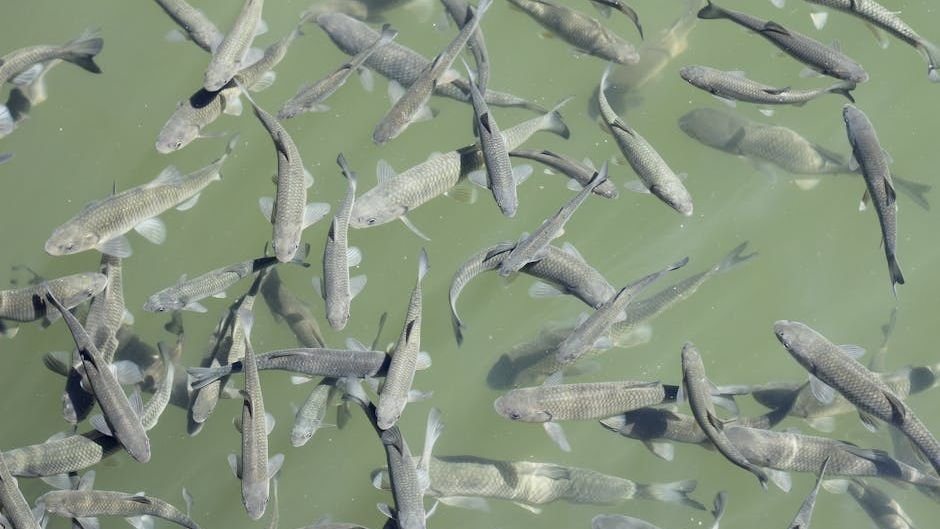
Foundations of Science-Based Wildlife Management (Image Credits: Pexels)
The North American Model of Wildlife Conservation has long served as a cornerstone for sustainable practices across the United States and Canada. Established principles emphasize public trust ownership of wildlife, allocation by law rather than markets, and decisions guided by the best available science. State agencies fund these efforts primarily through licenses and excise taxes paid by hunters and anglers, creating a user-pay system that supports broad biodiversity goals.
Yet claims of rigorous scientific oversight do not always hold up under scrutiny. A review of 667 wildlife management systems revealed that fewer than half incorporated key hallmarks like clear objectives, transparent methods, and external peer review. Only 26 percent defined measurable goals, while just 9 percent detailed quota-setting techniques. Such gaps allow personal biases or external pressures to influence outcomes, undermining the model’s effectiveness.
Stakeholders from ecologists to local communities rely on this framework for stable populations and healthy habitats. When deviations occur, the consequences ripple through food webs, affecting everything from prey species to water quality.
Ballot Box Biology: Voters Versus Experts
Direct democracy has emerged as a potent force reshaping wildlife policies through what experts term “ballot box biology.” In states like California and Colorado, initiatives allow voters – often urban residents distant from on-the-ground realities – to enact binding rules on complex ecological issues. These measures frequently prioritize emotional appeals over biological data, sidelining commissioned professionals.
California’s Proposition 4 in 1998 banned most trapping with 57 percent support, despite agency warnings that it would hinder predator control, endangered species monitoring, and public health efforts. Funds from animal welfare groups fueled campaigns featuring graphic images, outspending opponents nearly three-to-one. Colorado’s Proposition 114 passed by a razor-thin 50.9 percent margin, forcing wolf reintroduction by 2024 and sparking livestock conflict concerns that managers sought to avoid through gradual recolonization.
| Issue | Science-Based Approach | Popularity-Driven Outcome | Potential Impact |
|---|---|---|---|
| California Trapping (Prop 4, 1998) | Maintain tools for predator control and monitoring | Near-total ban | Hampered species recovery, increased disease risks |
| Colorado Wolves (Prop 114, 2020) | Allow natural migration | Mandated reintroduction | Heightened human-wildlife conflicts |
These cases illustrate how non-expert voters, swayed by advocacy spending, disrupt long-term strategies funded by consumptive users.
Charismatic Species and Funding Biases
Public affection skews conservation priorities toward “charismatic megafauna” like tigers and pandas, leaving less appealing species under-resourced. India allocated over $49 million to tigers in 2019, benefiting cohabitants incidentally, but species like the purple frog in the same ranges receive scant attention. Invertebrates, reptiles, and amphibians face extinction risks amplified by this popularity contest.
The U.S. Fish and Wildlife Service employs tools like the knapsack method to optimize spending based on recovery odds and costs, yet flagship bias persists. Rare successes, such as the California condor’s rebound from 22 birds to over 500 through captive breeding, underscore the value of targeted, evidence-driven investment. Ecosystem approaches protecting umbrella species offer broader gains, but only when paired with rigorous assessments.
Political Pressures on Agencies and Ecosystems
Government bodies like state wildlife commissions and the U.S. Fish and Wildlife Service face mounting political interference. In British Columbia, grizzly quotas exceeded safe limits in half of monitored populations, ignoring uncertainties in estimates; public outcry eventually prompted a 2017 hunting ban, not scientific reevaluation. Wolves in the American West encounter similar fates, with management favoring elk hunting over trophic balance demonstrated post-Yellowstone reintroduction.
Recent U.S. policy shifts, including Endangered Species Act revisions, have drawn criticism for prioritizing economic impacts over biological imperatives. Politically appointed commissioners often reflect ranching or hunting interests, inflating harvest numbers despite flawed population data. Ecosystems suffer as predators vanish, leading to overgrazing, disease spikes, and biodiversity erosion – a pattern evident in Idaho’s historical wolf eradications.
- Human harvests outpace natural predation in many systems, per ecological studies.
- Beaver restoration clashes with trapping permits, blocking nonlethal coexistence.
- Stakeholders like ranchers gain short-term wins, while long-term habitat health declines.
Charting a Course Back to Evidence-Driven Stewardship
Reforms like Utah’s supermajority requirement for wildlife ballot measures – demanding two-thirds approval – have shielded science-based decisions since 1998. States could adopt similar safeguards, alongside transparent quota methods and mandatory peer reviews, to insulate agencies from whims. Integrating social science with biology might bridge divides, fostering public buy-in without compromising rigor.
Conservation’s future hinges on reclaiming science as the north star amid politics and passions. Ecosystems cannot vote, but their stability underpins human well-being – from clean water to resilient landscapes. By prioritizing data over applause, managers can honor the trust placed in them by generations of users and observers alike.