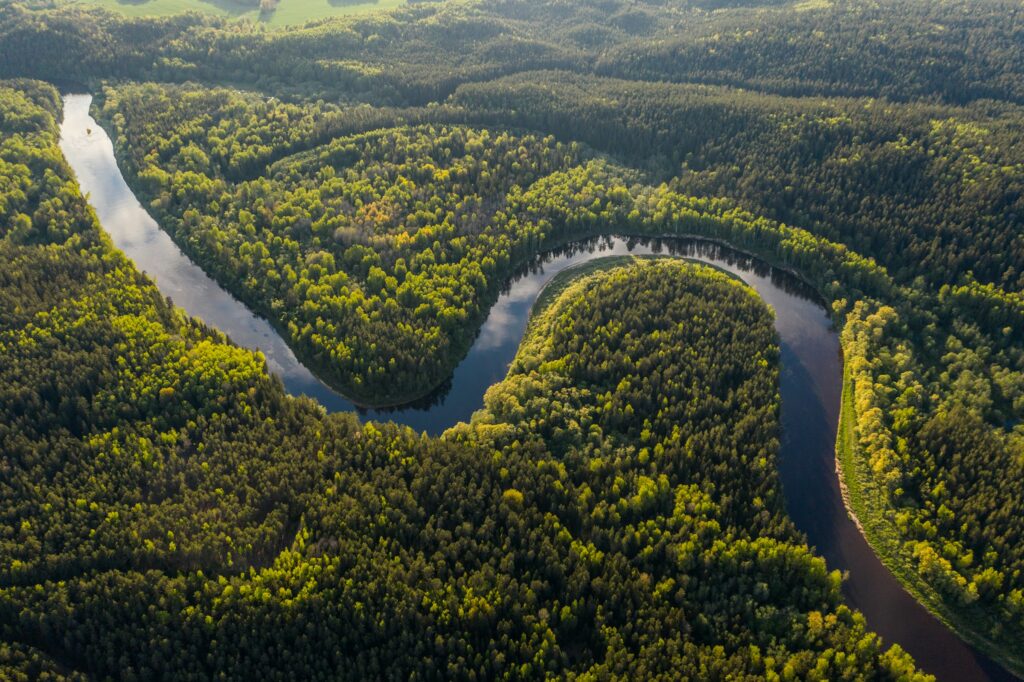
The next time you picture the Amazon, imagine not an untouched green ocean of trees, but something closer to an ancient, overgrown orchard. Beneath that thick canopy are hidden earthworks, engineered soils, and clusters of food trees that do not look random once you know what to look for. In many places, what appears to be wild jungle is more like the ghost of a garden that people tended, shaped, and curated for thousands of years. Scientists are now piecing together a radically different story of the rainforest’s past. Instead of a barely inhabited wilderness, many regions of Amazonia seem to have been busy, managed landscapes built up slowly by countless everyday decisions: where to plant a palm, where to dump cooking waste, when to burn, when to leave a grove to rest. It does not mean the whole forest is artificial, but it does mean our romantic image of “pure nature” has been cracked wide open.
The myth of the untouched Amazon is falling apart
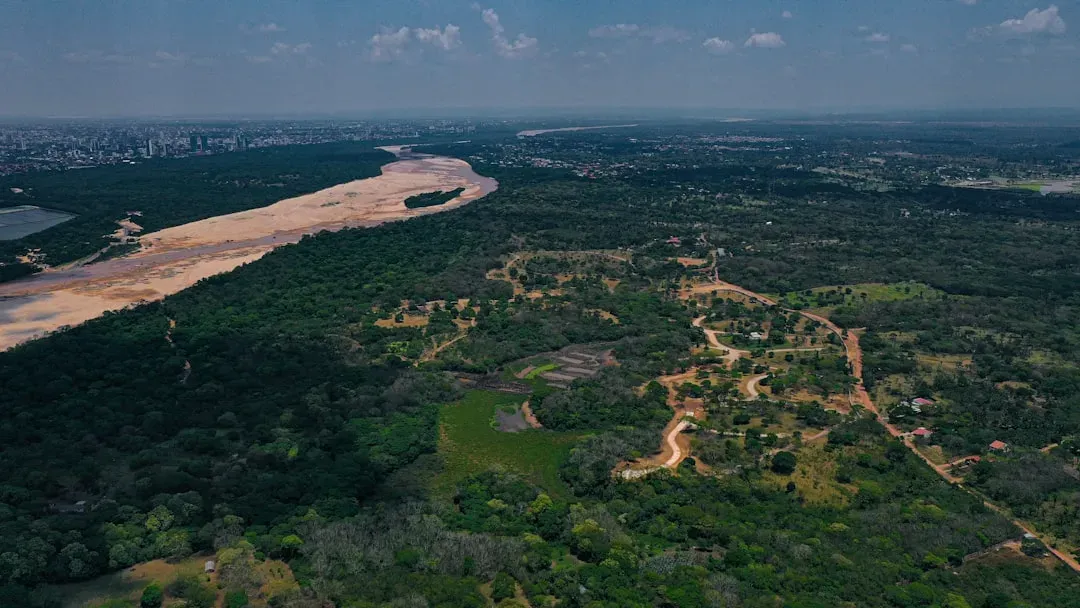
For decades, schoolbooks and nature documentaries painted the Amazon as a giant green void, too fragile and nutrient-poor to support more than scattered small bands of people. That story made the forest feel noble and pure, but it also erased the deep history of Indigenous societies that lived and thrived there long before Europeans arrived. As more archaeological and ecological work piles up, that old picture now looks less like science and more like a comforting myth. Researchers are finding that in many areas, the forest we see today carries the fingerprints of past human activity: clusters of useful tree species, mysterious mounds and ditches, and surprisingly fertile soils in a region famous for its poor dirt. This does not mean people clear-cut the basin into fields the way modern agribusiness does. Instead, it suggests something subtler and, honestly, more impressive: large populations managing a forest without destroying it, turning it into a patchwork of semi-wild gardens.
Geoglyphs, earthworks, and the hidden architecture under the trees
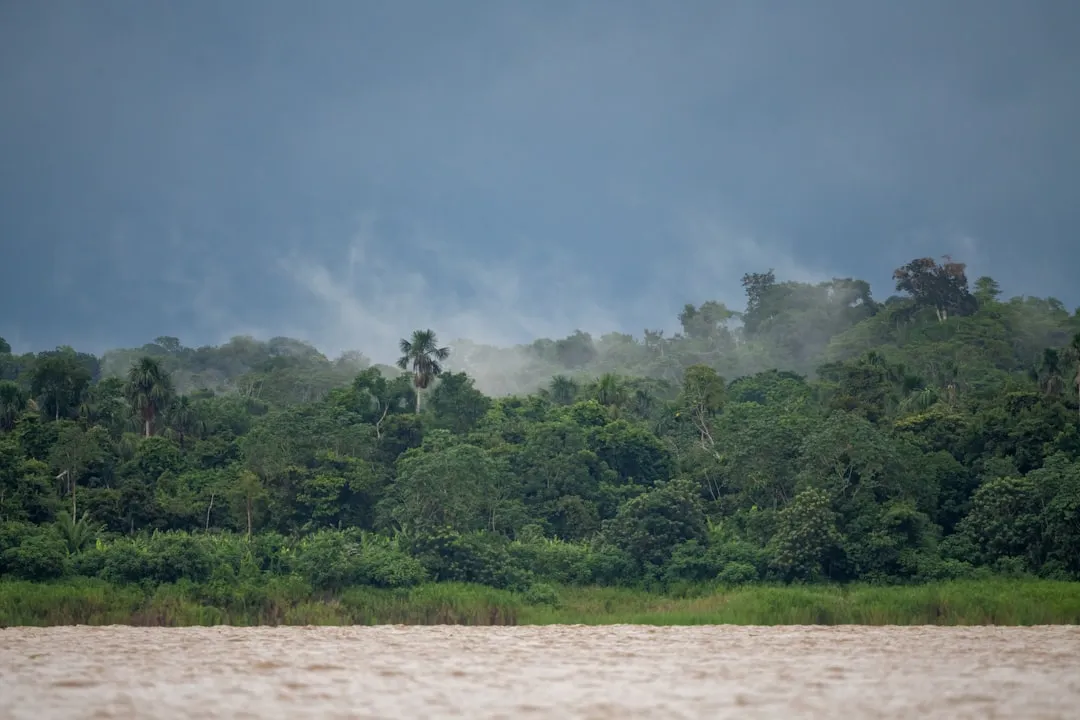
One of the most dramatic clues that the Amazon was not empty wilderness comes from the air, not from the forest floor. When parts of southwestern Amazonia were cleared for cattle and crops in recent decades, aerial images began to reveal enormous geometric shapes carved into the earth: perfect circles, squares, and intricate connected enclosures known as geoglyphs. Many of them span hundreds of meters and form vast complexes of earthworks, roads, and ditches. What is striking is not just their size but their setting. These structures sit in areas that were long covered by dense forest until very recently, which means people dug them, used them, and then left them to be reabsorbed by the jungle. New lidar surveys that “see” through the canopy suggest that thousands more earthworks remain hidden beneath trees across the basin. That is not the footprint of a few nomadic families; it is the mark of organized societies with enough labor and coordination to reshape entire landscapes.
Terra preta: the dark earth that should not exist (but does)
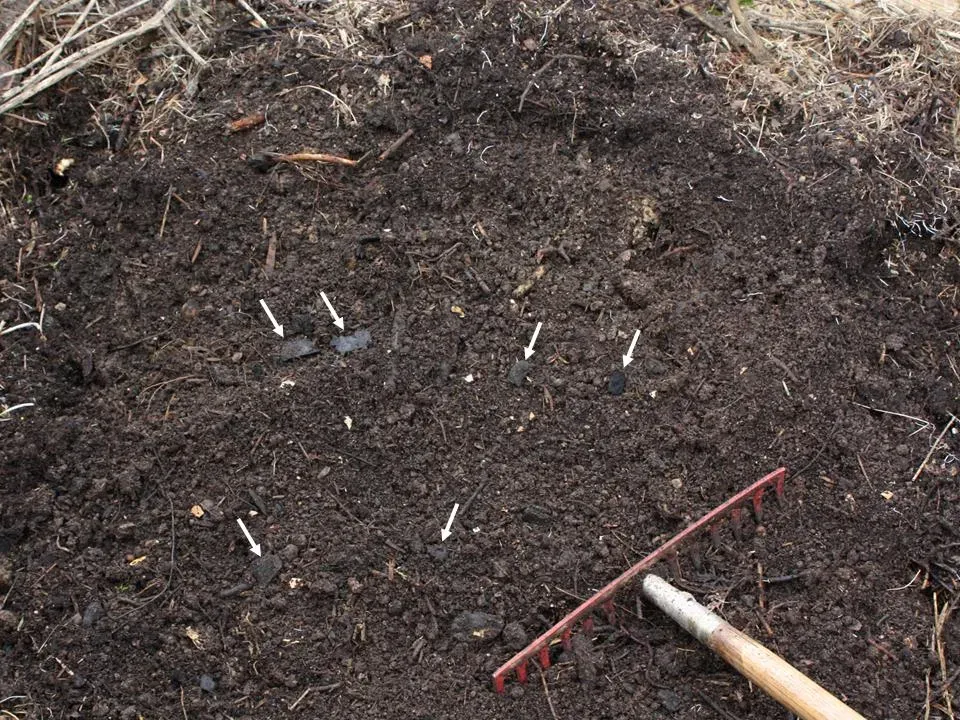
Another smoking gun of ancient landscape engineering in the Amazon is something you might not notice until you stick a shovel in the ground. Most Amazonian soils are notoriously poor, leached of nutrients by heavy rain and rapid decomposition. Yet scattered across the basin are patches of rich, dark, almost black earth known as terra preta, or Amazonian Dark Earths. These soils are unusually fertile and remain so for centuries, stubbornly defying the harsh tropical conditions. Multiple lines of evidence point to these soils being human-made, built up over long periods by people dumping food scraps, charcoal, bones, and other organic waste in the same places over and over. Over time, those piles turned into deep, stable layers that can grow crops far better than neighboring “natural” soils. Finding terra preta is a strong hint that people lived in these spots for generations, gardening, composting, and intentionally or accidentally creating pockets of lasting fertility in what would otherwise be a difficult farming environment.
Forest gardens: how useful trees give away human influence
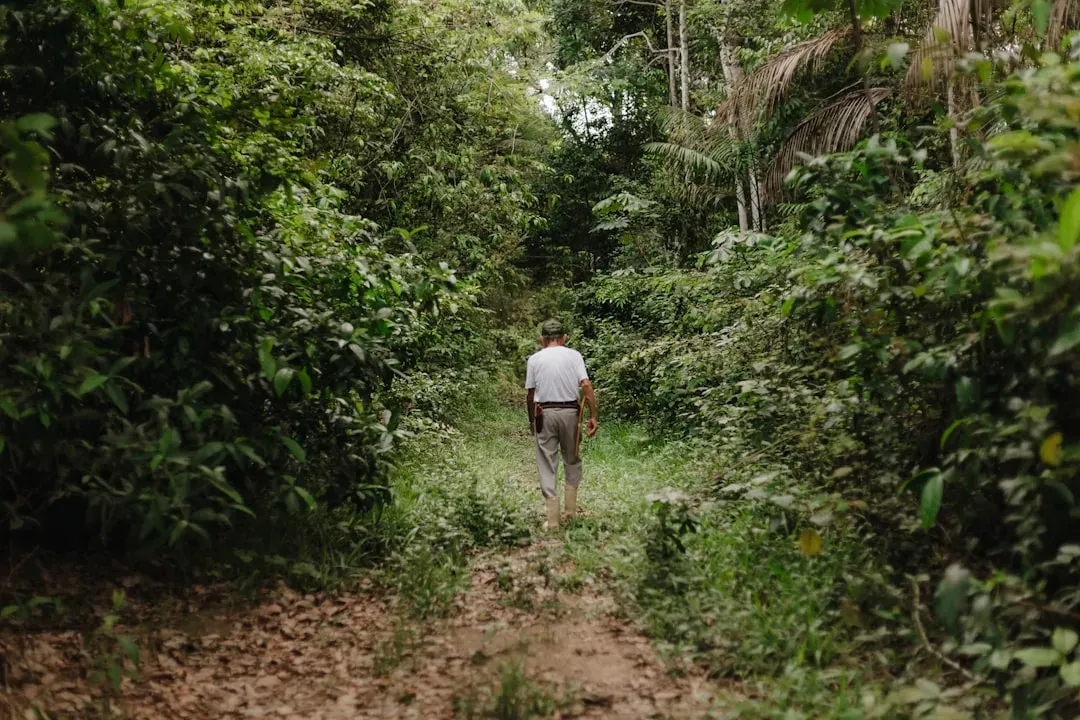
If you walk through parts of the Amazon with a botanist or an Indigenous farmer, they will often see patterns most visitors miss. Certain clearings are full of palms that provide edible fruit, oil, or construction material. Groves near rivers are dominated by Brazil nut trees, cacao, or other species with obvious human uses. It is as if someone quietly favored, planted, or protected these species in the past, and the forest has never quite shaken that memory. Large-scale surveys comparing tree species near archaeological sites versus far from them show a consistent trend: areas with evidence of long-term human settlement have higher abundance of useful and even semi-domesticated plants. That suggests people were not just foraging whatever happened to grow there; they were nudging the odds in their favor, propagating valuable trees, transporting seeds, and creating “cultural forests” where the line between wild and cultivated blurs. Viewed this way, much of the Amazon looks less like raw nature and more like the aftermath of very old agroforestry.
Prehistoric timelines: thousands of years of human shaping, not a late arrival
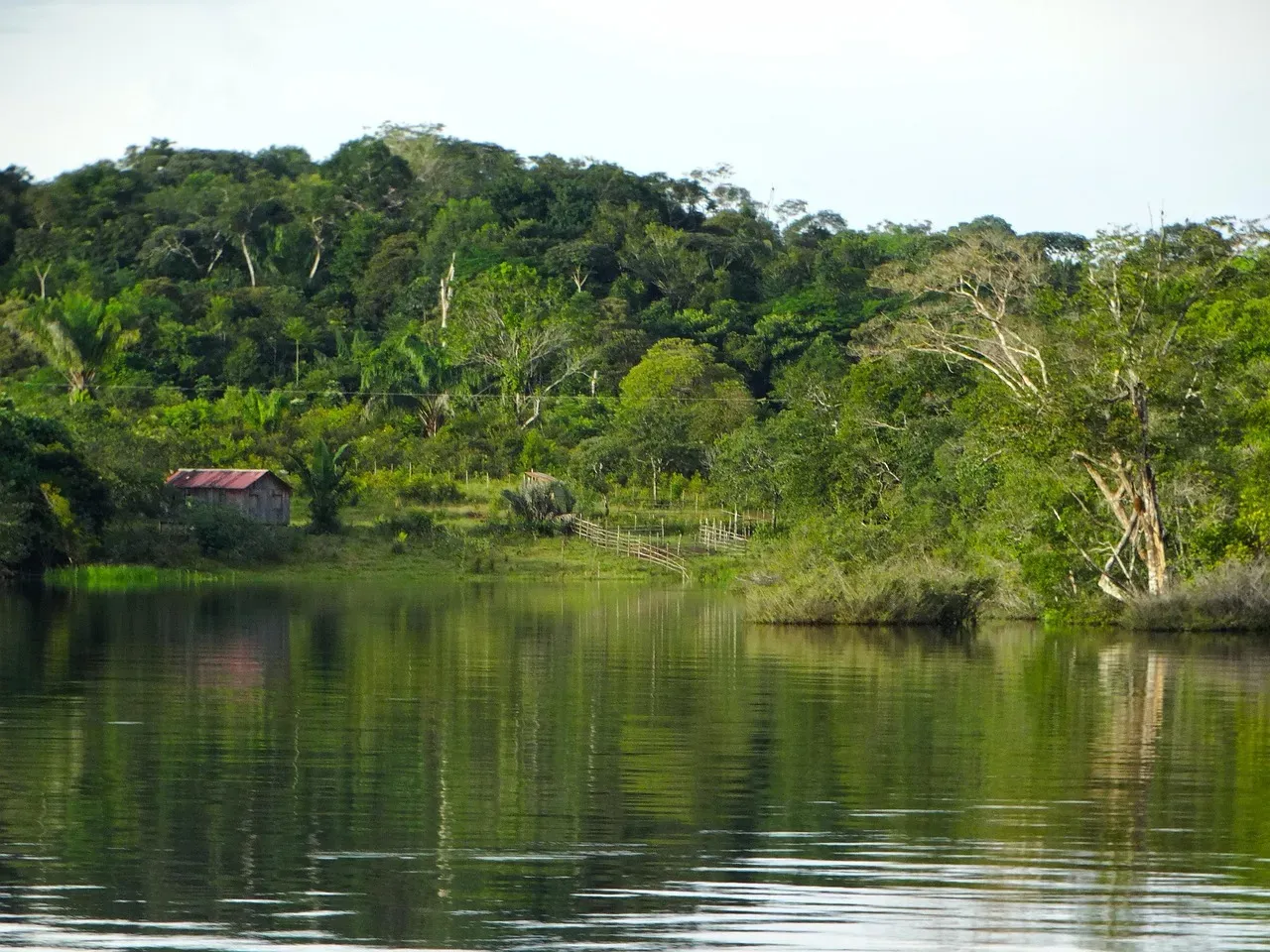
One common pushback is the idea that even if humans influenced the forest, it must have been recent, brief, or minor. The emerging evidence tells a different story: people have been in the Amazon for at least many thousands of years, and in some regions, signs of cultivation go back several millennia. Charcoal layers, plant remains, and soil analyses together point to long cycles of burning, planting, and regrowth, not just occasional visits. Earthworks such as geoglyphs in Acre, Brazil, appear to have been built and used across many centuries, overlapping with periods of forest management and enrichment. Studies of pollen and microscopic plant fossils in sediments suggest that certain useful species became more common around these sites over time, which fits a picture of repeated, deliberate tending rather than one-off disturbance. In other words, we are not talking about a quick experiment; we are looking at a very long, slow collaboration between people and forest.
Not all or nothing: a mosaic of wild and managed landscapes
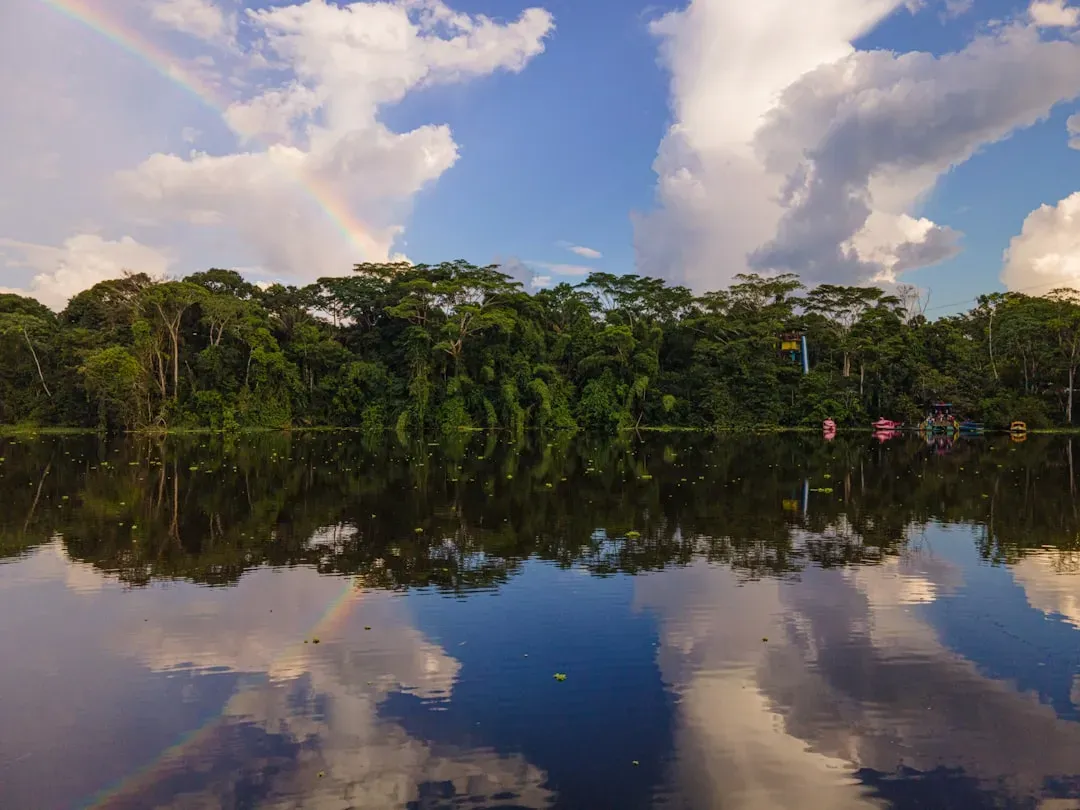
Here is where nuance really matters. It is tempting to flip from one extreme to the other: if the Amazon is not pristine, then maybe it is entirely a human construct. The truth, as far as current science can tell, sits somewhere in between. Some parts of the basin show clear, heavy human imprint with dense earthworks, terra preta, and forest gardens. Other vast regions still look more lightly touched, with only scattered signals of past management, or perhaps with traces still too subtle to detect. This mosaic view is, honestly, more interesting than either romantic extreme. It suggests an Amazon made of overlapping zones: heavily curated landscapes near ancient settlements, hunting grounds managed by controlled burning, riverine orchards enriched with valuable trees, and more remote interfluves where people passed through but did not leave strong marks. Understanding how this patchwork came to be is an ongoing scientific puzzle, and it forces us to be honest about uncertainty rather than pretending we already know exactly how “domesticated” the forest is.
Why this changes everything about conservation and climate stories
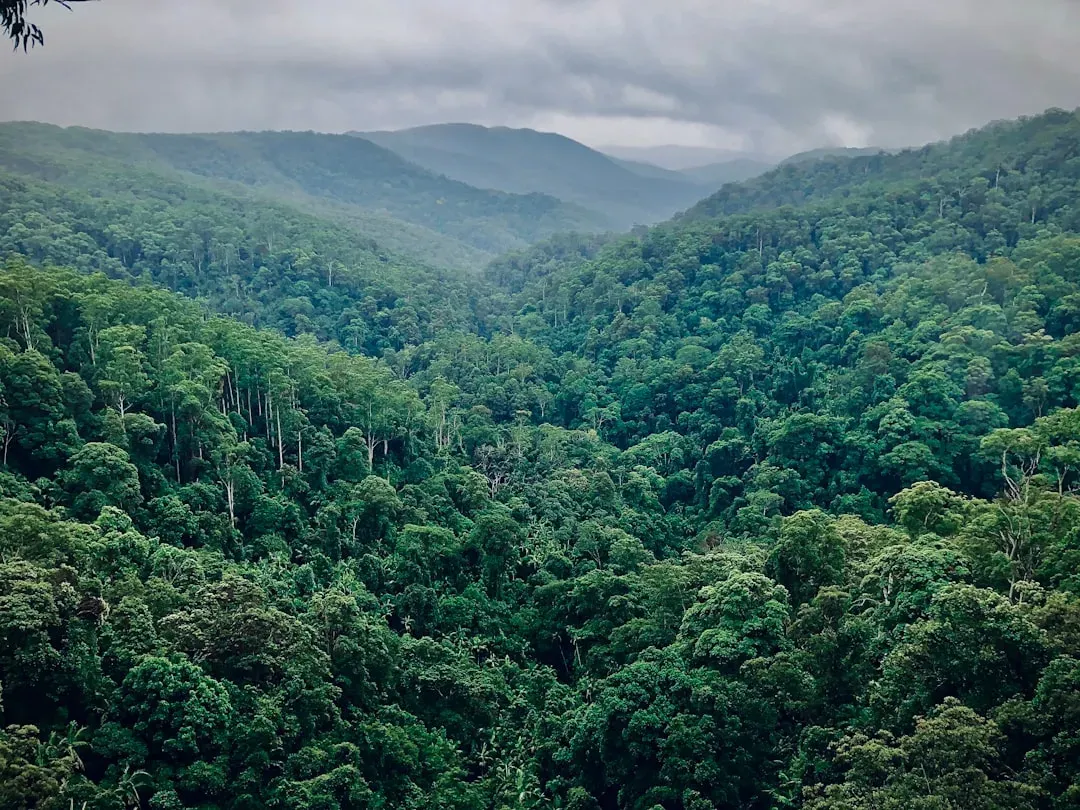
Realizing that much of the Amazon is, in a sense, an ancient garden does not weaken the case for protecting it; if anything, it makes that case stronger. If Indigenous societies co-created these landscapes, then preserving the forest is also about preserving long-running cultural projects, not just an abstract “ecosystem.” It means today’s Indigenous communities are not outsiders in a fragile park but heirs to systems their ancestors helped design and maintain. This perspective also cuts against a dangerous narrative that sees humans and forests as natural enemies. The fact that large populations once shaped the Amazon without obliterating its biodiversity shows that human presence does not automatically equal ecological disaster. The real contrast is not between humans and nature, but between ways of living: intensive, short-term extraction versus slow, relational management. In a warming world that desperately needs resilient carbon sinks, the Amazon as an ancient, co-created landscape is a lesson we would be foolish to ignore.
Rethinking “wilderness”: my take on what we get wrong
Personally, I think the most radical thing about this research is what it does to our idea of wilderness. Many of us grew up with the notion that the highest form of nature is land where people have never set foot. But the Amazon story suggests something different: some of the richest, most complex forests on Earth may also be the most deeply entangled with human history. That does not make them less valuable. It makes them more interesting, and arguably more sacred. When we cling to the fantasy of a people-free jungle, we end up erasing the knowledge and labor of Indigenous societies who made those places habitable and abundant. We also box ourselves into a hopeless mindset where climate action looks like kicking humans out rather than changing how we live. To me, a better vision is an Amazon recognized openly as a vast, ancient garden – one that still works as a living forest precisely because its gardeners knew how not to overreach.
Conclusion: an ancient garden with a future at stake
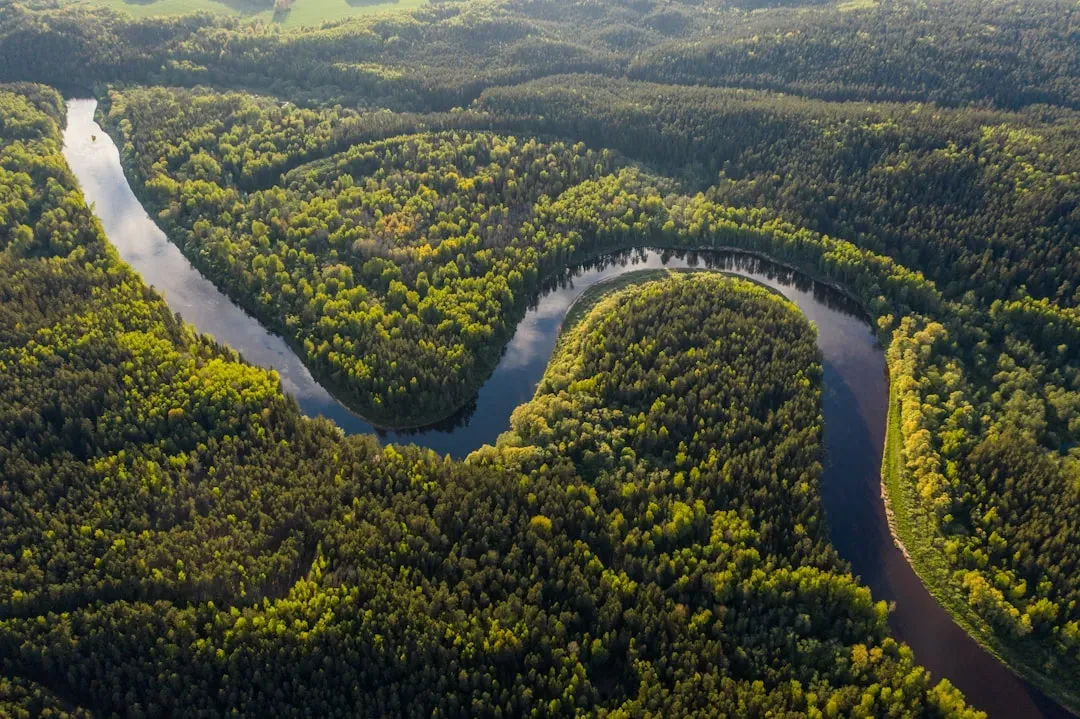
If the Amazon is, in many regions, a cultivated ancient landscape, then we have been telling its story backwards. Instead of humans intruding on a perfect forest, the more honest narrative is that humans helped build much of the forest we now rush to save. That should shake our assumptions: we are not just rescuing wildlife from people; we are also fighting to keep alive a deep, sophisticated relationship between people and place that modern development has been shredding at terrifying speed. My opinion is that we desperately need to stop pretending this is a choice between pristine nature and human presence. The real question is whether we are willing to learn from the societies that managed to turn a harsh tropical basin into a resilient garden without strip-mining it. Either we see the Amazon as a living archive of that knowledge, or we keep treating it like a warehouse of timber and land until nothing is left but simplified, exhausted scrub. When you look at the jungle now, do you see an empty wilderness – or an old, overgrown orchard that is quietly asking whether we still remember how to be good gardeners?