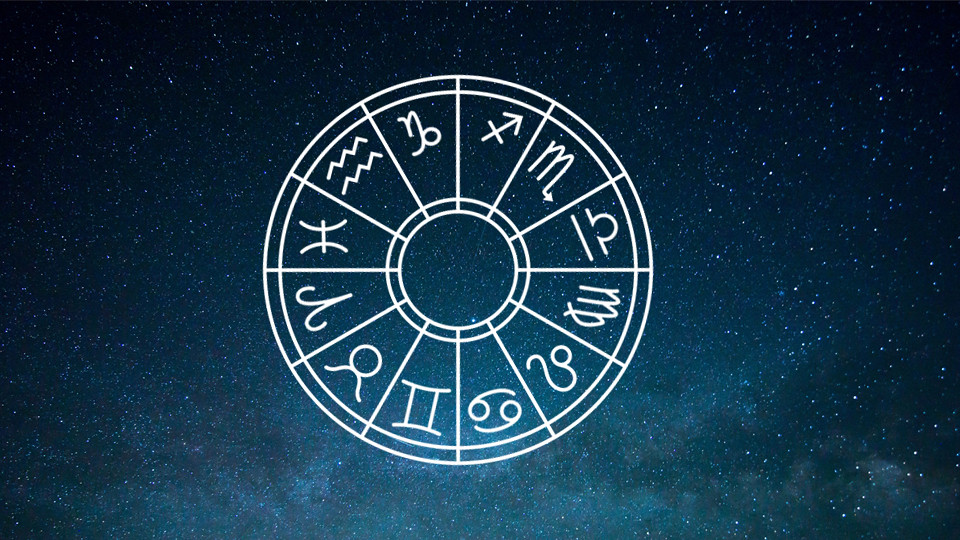
You probably do not expect your star sign to have anything in common with a snarling Tyrannosaurus or a herding sauropod, yet the parallels are strangely hard to ignore once you start looking at dinosaur behaviour in detail. As palaeontologists piece together how these animals lived, hunted, nested, migrated and socialised, clear patterns of strategy and temperament keep showing up across different species. When you line those patterns up next to the classic zodiac archetypes, the overlap is so uncanny that it feels like the universe is winking at us.
Of course, there is no evidence that the cosmos assigned birthdays to Triceratops or that a Stegosaurus ever checked a horoscope. What scientists are finding instead are recurring survival styles: bold risk takers, cautious planners, obsessive nesters, tireless grazers, hyper‑focused hunters and social masterminds. Thinking about those styles through the lens of the zodiac is not about pretending astrology is scientific; it is about using a familiar language of personalities to make deep‑time animal behaviour a bit easier – and more fun – to grasp. Once you see which dinosaurs track with each sign, it is hard not to pick favourites.
Aries – The Head‑First Chargers of the Cretaceous
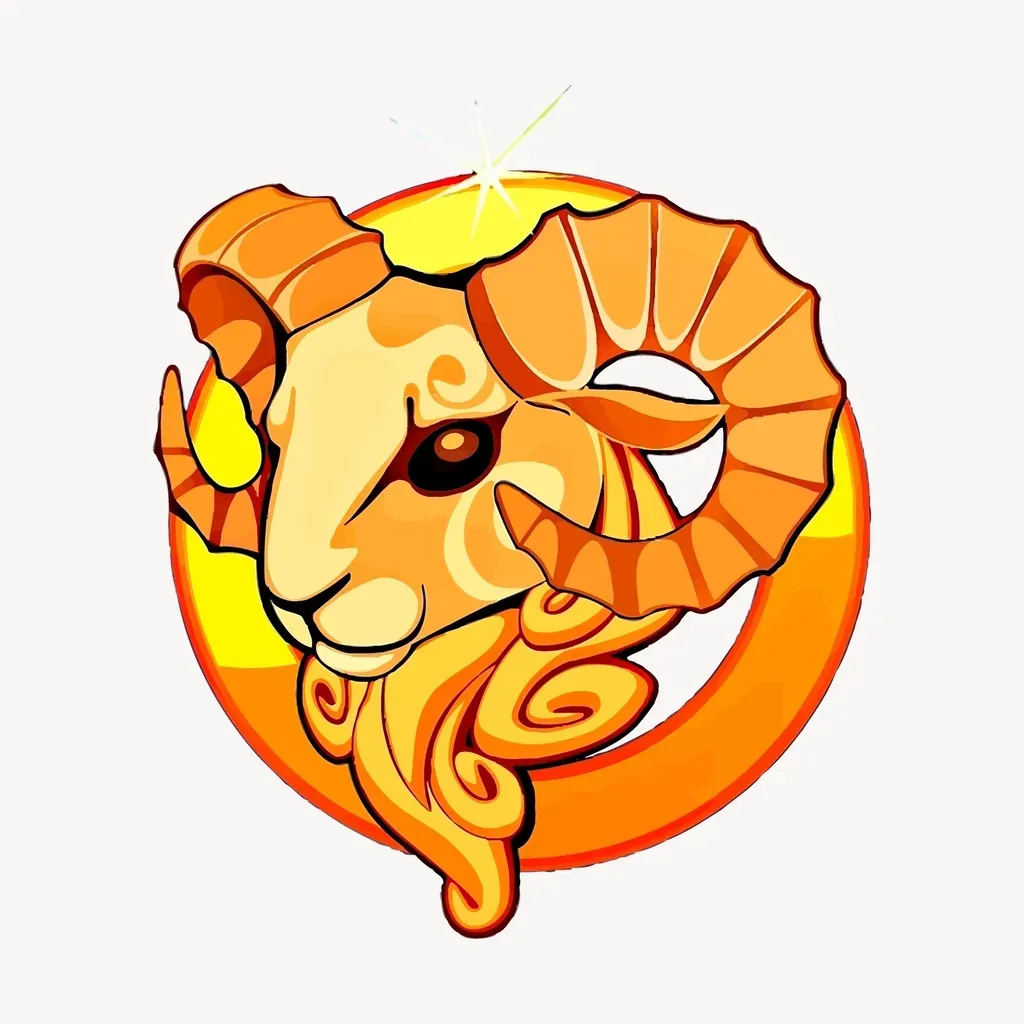
Aries energy is all about charging into life head on, and a lot of ceratopsians – the horned dinosaurs like Triceratops – seem to have lived that way quite literally. Their skulls were massive battering rams, reinforced with frills and horns that were not just for show but for ramming rivals, defending territory and standing their ground in confrontations. Fossils show healed injuries and bone damage that hint at head‑to‑head combat, the kind of behaviour you see in living animals that solve problems by slamming into them instead of talking things out.
There is also something very Aries about how these animals balanced impulsive courage with protective instincts. Evidence of grouped remains suggests some ceratopsians moved in herds, which would have allowed bolder individuals to position themselves at the edges as living shields against predators. I always picture them as the friends who volunteer to go first, whether it is trying a risky new trail or confronting a threat, acting before anyone else has finished thinking it through. These dinosaurs turned raw forward momentum into a survival strategy, much like fiery Aries people turn impatience into initiative.
Taurus – The Steady Giants Who Lived for Food and Comfort
If any sign embodies slow, grounded persistence, it is Taurus, and that is the exact vibe of the huge sauropods like Diplodocus and Brachiosaurus. These were the long‑necked, long‑tailed plant‑eating titans whose entire lifestyle revolved around calm, continuous feeding. Their massive barrel bodies, pillar‑like legs and efficient necks suggest a life spent methodically stripping leaves and moving steadily across landscapes, not darting around in bursts of drama. Think less sprinter, more living food factory that just keeps going.
There is also a stubborn, comfort‑seeking edge to Taurus that matches how sauropods seem to have relied on sheer size and predictability rather than flashy tactics. Instead of hiding or sprinting away, they grew absurdly big, turned their bodies into fortresses and trusted their weight and herds to keep them safe. That is a very Taurus way of dealing with problems: dig in, get solid and trust consistency over chaos. In a way, these dinosaurs were the original slow‑life advocates, proving that you can dominate an ecosystem by doing one thing – eating plants – very thoroughly, all day, every day.
Gemini – The Quick‑Witted, Social Hunters of the Mesozoic
Gemini is associated with curiosity, communication and mental agility, and small, nimble theropods fit that bill surprisingly well. Dinosaurs like Troodon, which had relatively large brains for their body size and keen senses, seem to have relied less on brute strength and more on awareness and adaptability. Their long legs and grasping hands point to animals that could dart, pivot and manipulate their surroundings in ways slower giants simply could not match. It is easy to imagine them constantly checking, testing, tasting and learning from everything around them.
Some of these smaller carnivores may also have lived and hunted in groups, using signals and coordinated movements to take down prey, which feels very Gemini in spirit. Instead of a lone, brooding monster, think of a chatty, restless crew of hunters that constantly share information with one another, changing tactics on the fly. That fast mental processing and social flexibility are the same traits people often celebrate in the most communicative Gemini personalities. In both cases, survival comes from staying light on your feet and open to every new piece of data.
Cancer – The Fiercely Protective Nesters and Family Guardians
Cancer is often described as nurturing, protective and deeply attached to home, and there is strong evidence that some dinosaurs lived exactly that way. Fossil nests, eggs and even trackways suggest that certain species, such as the duck‑billed hadrosaurs and some theropods like Maiasaura, invested a lot in parenting. We have remains of organized nesting grounds and hints that adults brought food to their young, guarded nests in groups and possibly returned to the same breeding sites year after year. That level of care is not just instinct; it is a whole social system built around family.
There is an emotional weight to that picture that always hits me: enormous animals forming noisy nurseries, defending chicks, and essentially building neighbourhoods around their offspring. It is hard not to see an echo of the Cancer archetype in those behaviours, with their emphasis on shelter, emotional bonds and long‑term attachment. These were dinosaurs that turned vulnerability – helpless eggs and hatchlings – into a strength by pooling resources and commitment. In human terms, they would be the relatives who organize every family reunion and remember everyone’s milestones, quietly holding the clan together.
Leo – The Show‑Offs with Crests, Frills and Drama to Spare
Leo loves a spotlight, and some dinosaurs literally built one into their bodies. Species with elaborate crests, sails, frills and bright display structures, like some hadrosaurs and possibly Spinosaurus‑like animals, used their anatomy for visual drama. Those big, eye‑catching features were probably important in attracting mates, frightening rivals or signaling status within a group. That is not so different from a Leo human relying on bold style and dramatic entrances to claim space in a room.
On top of that, there is good reason to think many dinosaurs had colour patterns, vocal calls and body language that added even more theatre to their daily lives. Picture herds where individuals fan out frills or raise tails in rhythmic displays, a prehistoric version of a parade or performance. To me, that matches the Leo instinct to lead by being unmissable, to say with their body, here I am, pay attention. These were dinosaurs that understood, on a deeply animal level, that visibility can be power, and they leaned into it with flair.
Virgo – The Meticulous Foragers and Eco‑Engineers

Virgo is often linked with precision, practicality and a near‑obsessive attention to detail, and those qualities show up in how some plant‑eating dinosaurs seem to have used their environment. Certain ornithopods and smaller herbivores had highly specialized teeth and jaws that allowed them to process very specific types of vegetation efficiently. Their feeding patterns may have shaped plant communities in careful, repeated ways, almost like gardeners trimming and maintaining a landscape rather than randomly stripping it bare. That quiet, methodical approach feels deeply Virgo in spirit.
There is also evidence that some species migrated seasonally and used particular routes or habitats at specific times, hinting at a kind of clockwork relationship with their ecosystems. I imagine them as the planners of the dinosaur world, following predictable paths, returning to reliable food sources and avoiding unnecessary risks through routine. In human terms, they are the people who keep meticulous lists and notice every small change around them, not because they are fussy but because it keeps everything working. These dinosaurs’ success likely came from doing the little things right, over and over again.
Libra – The Social Balancers and Herd Diplomats

Libra is the sign of balance, fairness and partnership, which links nicely with dinosaurs that relied heavily on complex group living. Many herd‑forming herbivores, such as hadrosaurs and some sauropods, appear to have coordinated movements, shared responsibilities like predator detection and accessed safety in numbers. Staying in a large group requires constant trade‑offs: you give up some freedom for protection, you adjust your pace to match others, you read social cues to avoid conflict. That everyday negotiation of needs is pure Libra energy.
There is also the possibility that some of these species had age‑structured herds, with adults and juveniles moving together and perhaps individuals taking somewhat different roles. That kind of subtle social structuring suggests an ability to maintain cohesion and respond to tensions before they explode, much like a diplomatic Libra smoothing over rough edges in a group of friends. I like to picture certain dinosaurs as the quiet peacekeepers in those herds, positioning themselves between rivals, nudging the whole mass toward harmony. Their survival depended on keeping the group intact, even when instincts pulled individuals in different directions.
Scorpio – The Ambush Specialists and Masters of Intensity
Scorpio is associated with intensity, secrecy and strategic focus, traits that show up clearly in dinosaurs that relied on stealth and ambush. Large predators like Allosaurus or possibly some tyrannosaur species did not chase endlessly like cheetahs; instead, they likely used cover, patience and sudden bursts of ferocity to bring prey down. Their bodies were built for controlled power: strong skulls, ripping teeth and enough endurance to wait until just the right moment to strike. That calculated darkness feels very Scorpio compared to more open, showy kinds of power.
There is also a transformative edge to Scorpio that mirrors how these apex predators shaped entire ecosystems through fear. The mere possibility of their presence would have altered where herbivores fed, how they moved and which routes they avoided, even on days when the predators did not kill anything. In a sense, these dinosaurs controlled the emotional climate of their landscapes through tension and uncertainty. That same ability to influence from the shadows is something people often recognize in the most intense Scorpio personalities, who can change a room without raising their voice.
Sagittarius – The Restless Wanderers and Long‑Distance Roamers
Sagittarius loves freedom, exploration and big horizons, and plenty of dinosaurs seem to have shared that roaming spirit. Fossil trackways and bone beds suggest that some species migrated across huge distances, following seasonal rains, plant growth or breeding cycles. Picture long lines of animals moving steadily along ancient floodplains or coastal routes, driven by instinct to see what lay beyond the next ridge. That is exactly the kind of open‑road energy astrologers link with Sagittarian curiosity and optimism.
There is also something very Sagittarius about how these travellers balanced risk and reward. Moving far from familiar ground exposes a species to new predators, climates and competitors, yet it also opens access to richer food and better nesting spots. The dinosaurs that pulled this off successfully did so by trusting a kind of inner compass, a biological sense of timing and direction. In human terms, they are like the friend who packs a bag, buys a one‑way ticket and somehow always finds their way, collecting stories and scars along the journey.
Capricorn – The Climbers, Strivers and Survivors Against the Odds
Capricorn is the sign of ambition, endurance and slow, determined progress, and that vibe matches species that clawed their way into tough niches. Small, sure‑footed dinosaurs that lived in rough terrain, like some early relatives found in highland or arid environments, had to cope with limited resources and harsh conditions. They were not the biggest or flashiest, but they made it by being tough, adaptable and relentlessly hardworking in survival terms. Every day was another step up a steep, literal or metaphorical mountain.
Capricorn is also about structure and long‑term goals, which you can see broadly in the dinosaur lineages that persisted through multiple environmental shifts. Some clades hung on for tens of millions of years by slowly refining their body plans, diets and behaviours, rather than trying to reinvent themselves overnight. There is something humbling about that kind of quiet, generational ambition. It reminds me of people who build careers or legacies brick by brick, trusting that consistency will pay off more than quick hype ever could.
Aquarius – The Oddballs and Innovators Who Broke the Rules
Aquarius is the rebel, the innovator and the lover of all things unconventional, and certain dinosaurs embodied that with delightfully strange anatomy. Think of species with weird head crests used for sound production, or lineages that experimented with semi‑aquatic lifestyles or unusual diets. These were the evolutionary weirdos that tested possibilities beyond the standard templates of big‑herbivore or big‑predator. In many cases, their odd features likely gave them unique ways to communicate, feed or move, shaking up the status quo in their ecosystems.
There is also a social dimension to Aquarius that ties into dinosaurs that may have had especially complex group behaviours or communication systems. Long, hollow crests in some hadrosaurs, for example, are thought to have amplified calls over large distances, allowing sophisticated vocal interactions within herds. That kind of innovation in how you stay connected is very Aquarian: less about dominance, more about building networks and exchanging information. In human terms, these are the people who embrace new technology early, challenge old rules and drag the rest of us a little closer to the future.
Pisces – The Sensitive Swimmers and Creatures of the Water’s Edge
Pisces is tied to water, intuition and emotional depth, and aquatic or semi‑aquatic dinosaurs line up with that symbolism almost too perfectly. Species that hunted in rivers, lakes or coastal shallows, using long snouts and sensory‑rich adaptations to detect movement in murky water, lived in a world of currents and half‑seen shapes. Their survival depended on reading subtle signals, from ripples to scents, rather than relying on clear, dry‑land sight alone. That softer, more fluid way of interacting with the environment feels very Pisces compared to hard‑edged land predators.
There is also a dreamy, liminal quality to life at the water’s edge, where boundaries blur and ecosystems overlap. These dinosaurs occupied zones where land animals, fish, invertebrates and plants all collided, forcing them to blend instincts from multiple worlds. In a way, they were natural bridges, translating energy between different habitats as they fed and moved. That echoes the Piscean tendency to live between realities, half in the tangible present and half in a more intuitive, imaginative space. In both cases, sensitivity is not a weakness; it is a refined way of navigating complexity.
Conclusion – What Dinosaur Zodiac Archetypes Really Tell Us
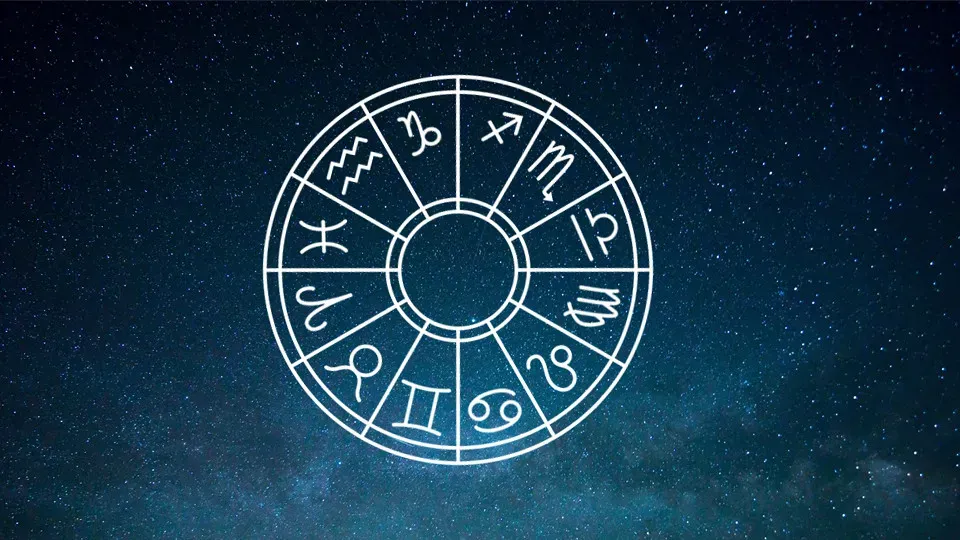
Mapping dinosaur behaviour onto the zodiac is not about proving that astrology secretly rules evolution; it is about using a familiar set of character types to make deep‑time science feel personal and alive. When you see a nesting hadrosaur as Cancer‑like or a roaming sauropod as Taurus‑ish, you are really noticing specific survival strategies: parental investment, risk tolerance, social complexity, bold displays, quiet persistence. The zodiac language just gives those strategies a shape your brain already knows how to hold, turning abstract data into a cast of characters you can root for or argue about.
To me, the most revealing part is how easily these parallels appear once you start looking for them. It suggests that what we call personality in humans is often just a cluster of survival tactics playing out in a modern world, shaped by the same natural pressures that once honed dinosaur behaviour. Some species charged, some planned, some displayed, some hid; people do the same, just with phones and public transport instead of teeth and tails. That does not mean your birth chart explains your life, but it does hint that our favourite archetypes are rooted in something older and wilder than we usually admit. When you think about your own style – are you more sauropod Taurus or Troodon Gemini – which prehistoric strategy do you secretly recognize in yourself?