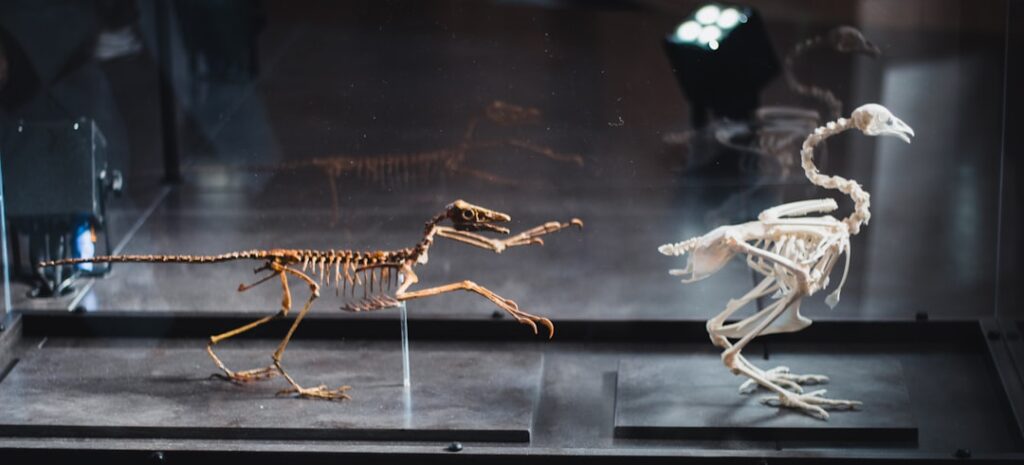
Sixty-six million years ago, a colossal asteroid struck the Yucatán Peninsula, unleashing global wildfires, tsunamis, and a years-long impact winter that blocked sunlight and collapsed food chains. Non-avian dinosaurs like Tyrannosaurus rex and Triceratops vanished in this cataclysm, which claimed about 75 percent of Earth’s species. Yet birds, descendants of theropod dinosaurs, endured as the sole dinosaur survivors. Their story reveals how pre-existing traits turned catastrophe into opportunity.
The Asteroid’s Fury Wiped Out Giants
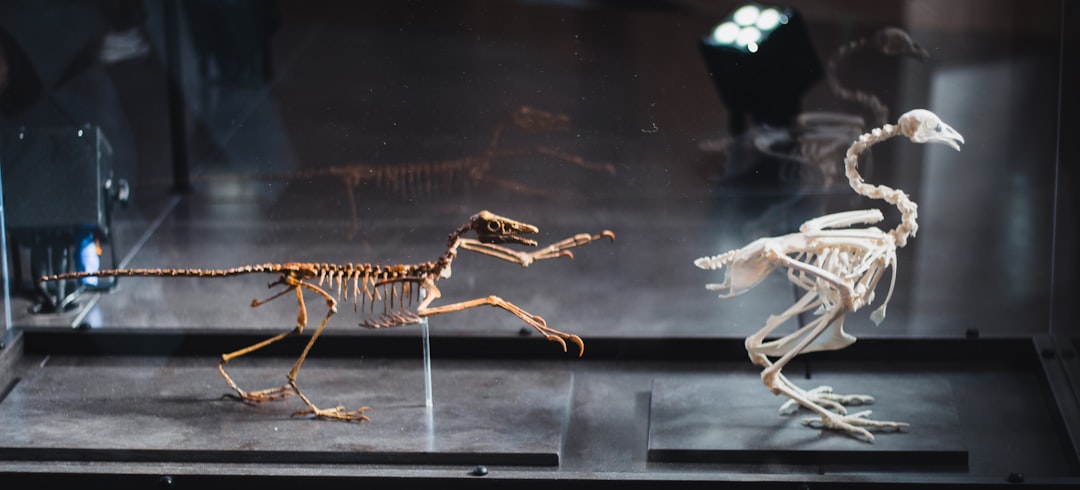
The Asteroid’s Fury Wiped Out Giants (Image Credits: Unsplash)
The Chicxulub impactor, roughly 10 kilometers wide, generated shock waves that flattened forests across continents and ignited wildfires that scorched vast landscapes. Debris filled the atmosphere, plunging temperatures and halting photosynthesis for months or years. Large animals starved first as herbivores perished without plants, followed by predators in a cascading collapse.
Paleontologist Steve Brusatte noted the stark rule of that era: “If you were big, you died. Every terrestrial creature larger than a Siberian husky failed to make it through the Cretaceous.”[1] Non-avian dinosaurs, often massive and specialized, could not adapt quickly enough to the barren world that emerged.
Most Birds Fell, But Survivors Emerged
Contrary to popular images of birds soaring unscathed through the apocalypse, the extinction decimated avian dinosaurs too. Over 90 percent of bird species disappeared, including diverse groups like the tree-dwelling enantiornithes that dominated late Cretaceous skies. Only a handful of lineages from the crown group – ancestors of today’s ducks, chickens, galliformes, and paleognaths – crossed the boundary into the Paleogene.
These quail-like ground-dwellers proved resilient. Fossil family trees confirm their common ancestor lived before the impact and favored terrestrial habits, unlike arboreal kin that relied on vanishing forests.
Adaptations That Sealed Their Fate
Small body size demanded minimal calories, allowing endurance through food scarcity. Birds required far less sustenance than truck-sized herbivores or carnivores. Flight offered mobility to flee fires or seek distant resources, while rapid growth – from egg to adult in a single season – enabled quick population rebounds.
Beaks replaced teeth in these survivors, a shift millions of years old that proved pivotal. Toothless jaws and muscular gizzards crushed seeds and nuts preserved in soil, untouched by surface devastation. Insects and fruits supplemented diets as ecosystems recovered.
- Compact size for low energy needs.
- Wings for evasion and foraging.
- Seed-cracking beaks and versatile digestion.
- Fast maturation to exploit new niches.
- Ground-nesting to avoid tree collapse.
Fossils and Spores Tell the Story
A “fern spike” in post-impact sediments – layers rich in spores from just two fern species – signals near-total deforestation followed by pioneer plants. Forests took millennia to regrow, favoring ground-foragers over canopy specialists. Fossils like Asteriornis from Belgium, a chicken-like bird with strong legs, and Vegavis from Antarctica exemplify early crown-group forms adapted to watery, open terrains.
Daniel Field of the University of Bath highlighted the deforestation’s toll: “The impact of the global deforestation was clearly devastating.” Leg bone ratios in Paleocene birds further support ground-dwelling lifestyles that bridged the gap.
From Survivors to Sky Dominators
With competitors gone, surviving birds radiated into thousands of forms. Genomic studies trace major orders like passerines emerging soon after, filling skies, seas, and soils. Today, over 10,000 species thrive, a testament to adaptability forged in fire.
Traits like beaks constrained some paths – preventing ever-growing teeth for constant grinding – but unlocked others, from hummingbirds to eagles.
Key Takeaways
- Small, ground-based birds with seed diets bridged the extinction.
- Global fires and winter favored flexible foragers over specialists.
- Crown-group survivors diversified rapidly into modern avifauna.
Birds remind us that survival often hinges on quiet advantages in chaotic times. What trait do you think mattered most? Tell us in the comments.