Throughout human history, nature has served as both our greatest teacher and our most terrifying adversary. From volcanic explosions that wiped entire civilizations off the map to plagues that restructured entire continents, these colossal disasters didn’t just claim lives. They fundamentally altered the course of human civilization, forcing migrations, toppling empires, and sometimes paving the way for new eras to emerge from the ashes.
I find it fascinating how often the worst catastrophes in history became the catalysts for humanity’s most remarkable transformations. While modern society tends to view natural disasters as isolated tragedies, ancient civilizations understood them differently. They saw these events as world-changing forces that could end one chapter of human history while beginning another entirely. Let’s explore seven of history’s most devastating ancient disasters that literally shook the world and changed everything that came after.
The Toba Supervolcanic Eruption: When Humanity Nearly Vanished
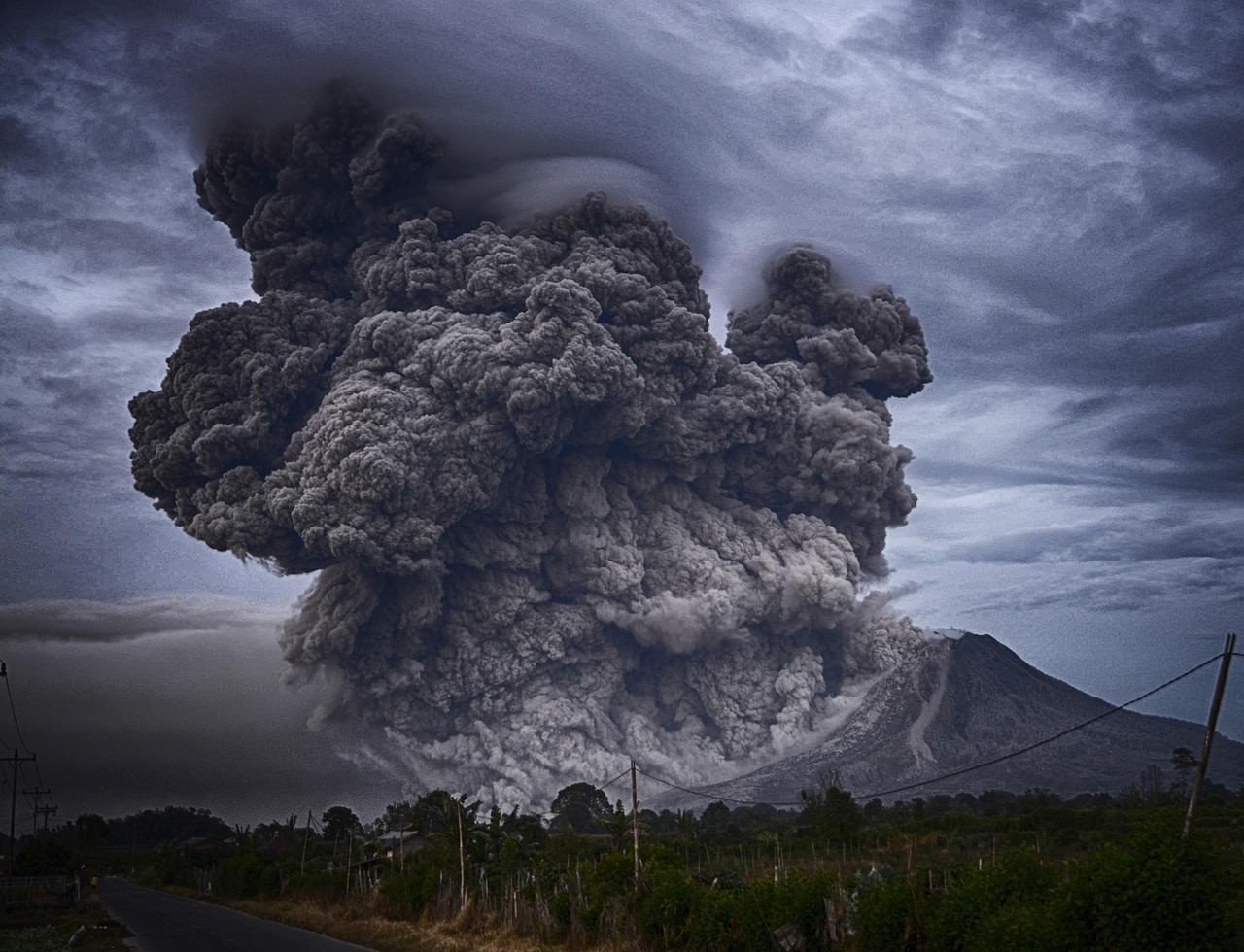
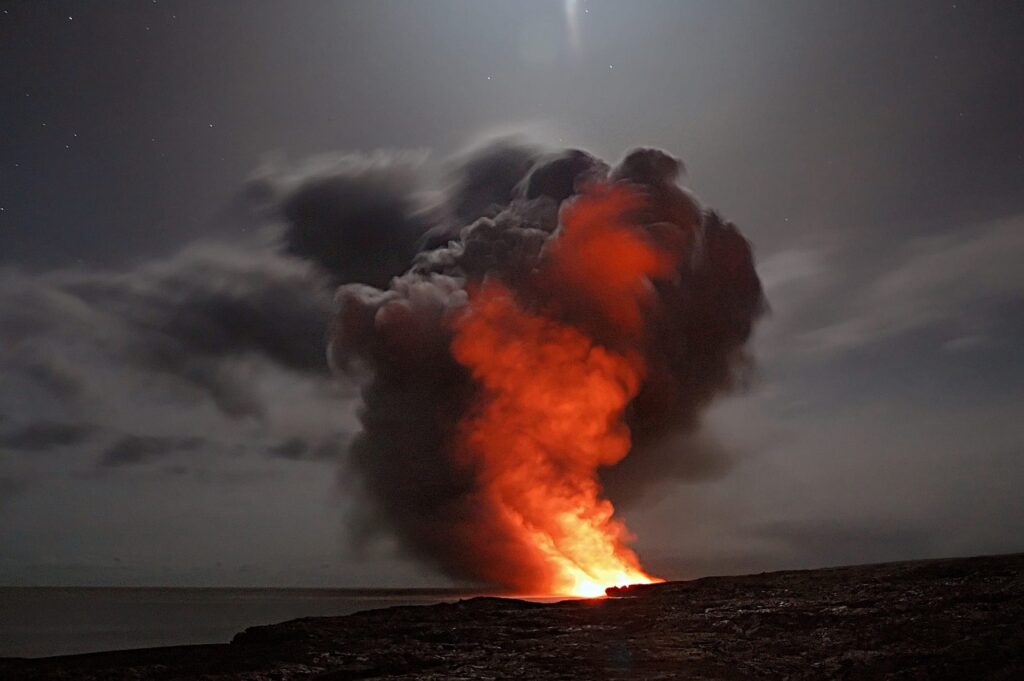
Around seventy-four thousand years ago, the Toba caldera in Indonesia underwent a category 8 or “mega-colossal” eruption on the Volcanic Explosivity Index. This may have reduced the average global temperature by 3 to 3.5 degrees Celsius for several years and may possibly have triggered an ice age. This wasn’t just another volcanic eruption. It was nature’s closest attempt at erasing humanity from existence entirely.
The sheer scale of destruction defies imagination. This massive environmental change is believed to have created population bottlenecks in the various species that existed at the time; this in turn accelerated differentiation of the isolated human populations, fundamentally altering the genetic trajectory of our species. When volcanic winter gripped the planet for years, human populations crashed to dangerously low levels.
The Minoan Eruption: The Bronze Age’s Ultimate Catastrophe
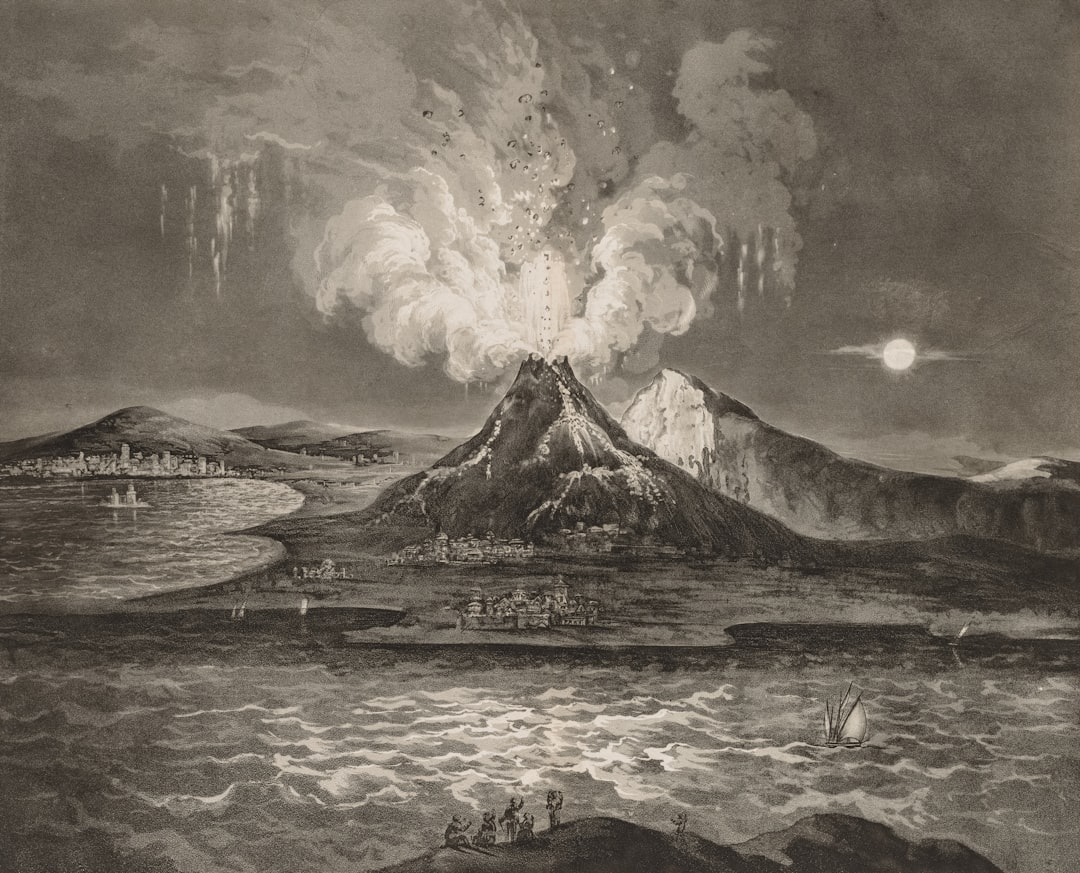
The Minoan eruption was a catastrophic volcanic eruption that devastated the Aegean island of Thera (also called Santorini) circa 1600 BC. It destroyed the Minoan settlement at Akrotiri, as well as communities and agricultural areas on nearby islands and the coast of Crete with subsequent earthquakes and tsunamis. This disaster literally reshaped the Mediterranean world.
The eruption also generated 35 to 150 m (115 to 492 ft) high tsunamis that devastated the northern coastline of Crete, 110 km (68 mi) away. The tsunami affected coastal towns such as Amnisos, where building walls were knocked out of alignment. The volcanic island of Santorini literally blew itself apart in one of antiquity’s most powerful eruptions, sending tsunamis crashing across the Aegean Sea and burying entire cities under ash. This catastrophe likely dealt a fatal blow to Minoan maritime power, disrupting Bronze Age trade networks and contributing to the social upheaval that would reshape the ancient Mediterranean world.
Mount Vesuvius: Pompeii’s Frozen Moment in Time
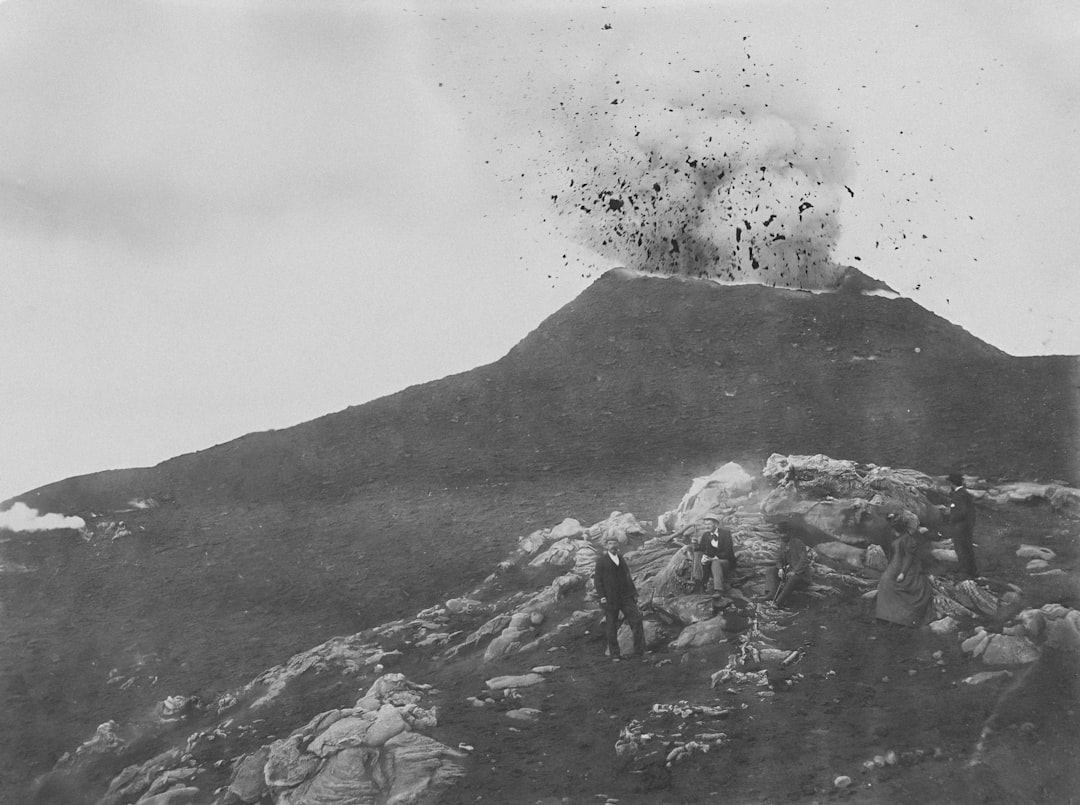
On August 24th, 79 AD, Mount Vesuvius’ eruption around noon was one of Europe’s most powerful volcanic explosions. However, what makes this disaster unique isn’t just its devastating power, but how it preserved an entire civilization for posterity. No list of ancient natural disasters can be complete without an entry on Pompeii. Easily one of the most famous disasters in history, the eruption of Mount Vesuvius in 79 CE still holds a strong memory in human culture to this day.
When Vesuvius erupted with terrifying fury, it buried Pompeii and Herculaneum under meters of ash and deadly pyroclastic flows, preserving them like ancient time capsules. While the immediate human tragedy was devastating, this disaster gave future historians an unparalleled window into Roman daily life. This catastrophe became archaeology’s greatest gift, offering us intimate glimpses into ancient Roman life that would otherwise have been lost forever.
The Plague of Justinian: Disease That Toppled an Empire
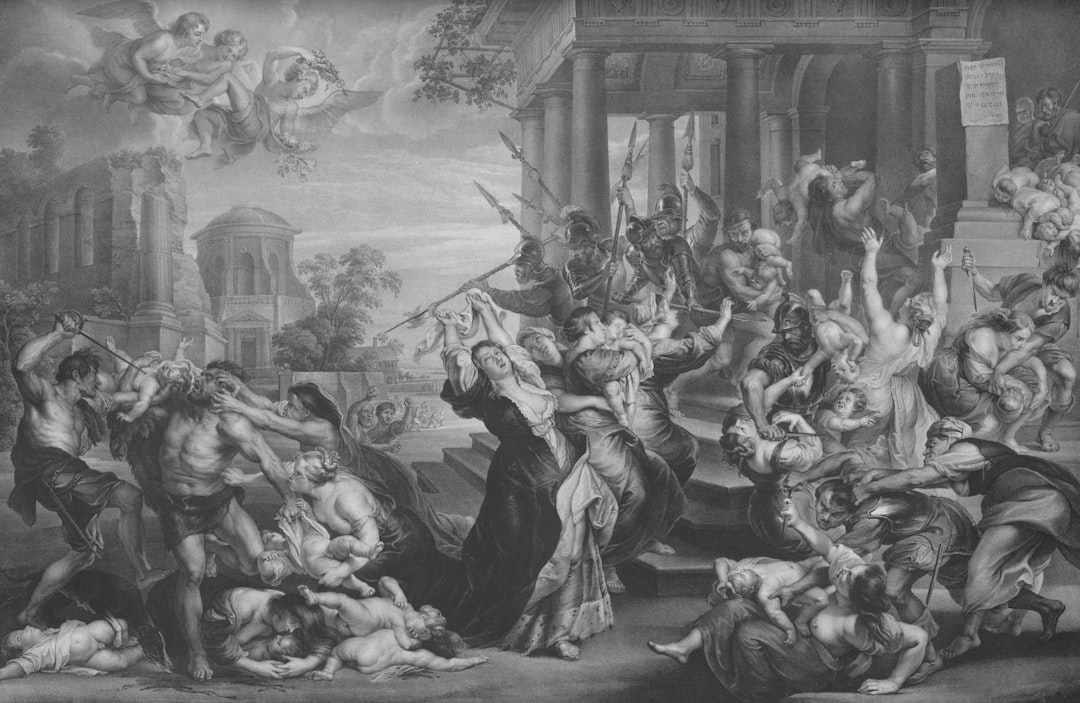
The Plague of Justinian was a pandemic that afflicted the Eastern Roman Empire (Byzantine Empire), including its capital Constantinople, in the years 541–542 AD. This wasn’t merely another epidemic. The first recorded pandemic of Yersinia pestis ravaged the Byzantine Empire and beyond, killing millions and crippling trade networks across the Mediterranean. Massive urban mortality rates devastated tax revenues and military recruitment, weakening the Eastern Roman Empire just as it was trying to reconquer lost territories.
The First Pandemic began with the Justinianic plague in 541–4. Enormous death tolls numbering in the tens of millions have been proposed, and widespread impacts on the rise and fall of empires have been suggested. The timing couldn’t have been worse for Justinian’s grand ambitions of restoring Roman glory. Instead of expanding his empire, he watched helplessly as disease accomplished what no barbarian army had managed.
The Damghan Earthquake: Iran’s Ancient Ground Zero
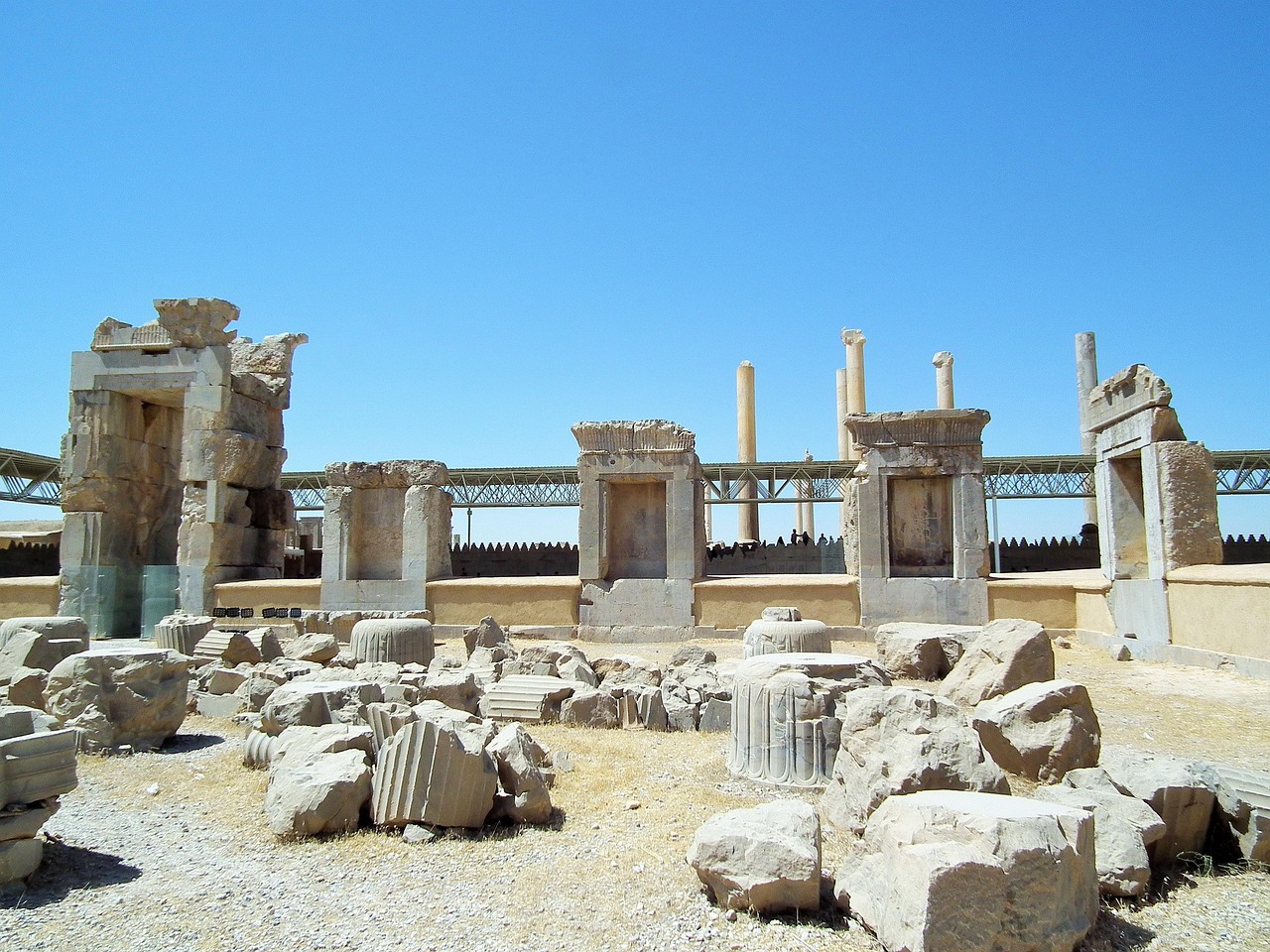
On December 22, 856 AD, a magnitude 7.9 earthquake struck a 200-mile (320 kilometer) wide area in modern-day Iran. It is believed the epicenter was located directly under the then-capital, Damghan. The earthquake caused around 200,000 deaths, the 5th deadliest earthquake in history. For an earthquake to kill such a high number, it would have had to be truly dreadful.
What made this earthquake particularly devastating was its surgical precision in targeting populated areas. It wasn’t just Damghan which was devastated. The towns of Ahevanu, Astan, Tash, Bastam, and Shahrud all saw heavy damage. Hecatompylos, the former capital of the Parthian Empire, was completely destroyed. Entire cities simply vanished, taking with them centuries of Persian culture and knowledge.
The Black Death: Europe’s Dark Transformation
The second plague pandemic swept across Europe like a merciless reaper, killing an estimated one-third of the population within just four years. This bacterial nightmare, caused by Yersinia pestis, didn’t just devastate communities – it completely transformed medieval society. Labor shortages triggered the collapse of feudal structures, empowered surviving workers to demand better wages, and fundamentally shifted the balance of power between nobility and common folk, setting the stage for the modern world.
Interestingly, the latest findings suggest that the Samalas eruption had a close connection to the climatic disruption that led to the apocalyptic plague: the Black Death. In the long term, the Samalas eruption in 1257 CE was one of the significant triggers that contributed to the Little Ice Age, showing how interconnected these ancient disasters truly were.
The Zanclean Flood: When the Mediterranean Refilled
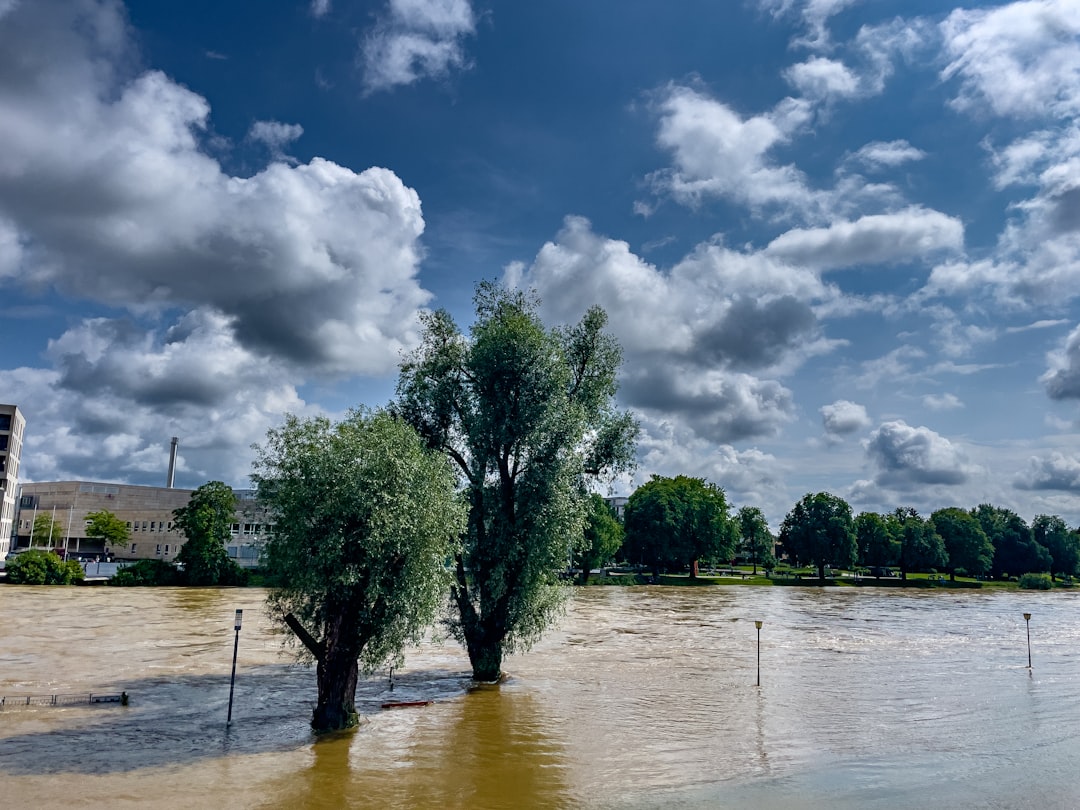
The Zanclean Flood was a megaflood that refilled the Mediterranean Basin and ended the Messinian salinity crisis. At some point between five and six million years ago, tectonic activity closed the Strait of Gibraltar and separated the Mediterranean from the Atlantic Ocean. Though this predates human civilization, its effects shaped the entire region where later empires would rise and fall.
This ultimately caused the water levels in the Mediterranean to drop by kilometres, and many areas of the thriving sea were dried up into salt flats. Rivers that relied on the Mediterranean, such as the Nile, were driven deeper to compensate for the dwindling water. Much of the varied sea life that had lived there either dried up or died from the high levels of salinity in the remaining water. When the flood finally came, it transformed the landscape that would become the stage for ancient Greek, Roman, and Egyptian civilizations.
Conclusion
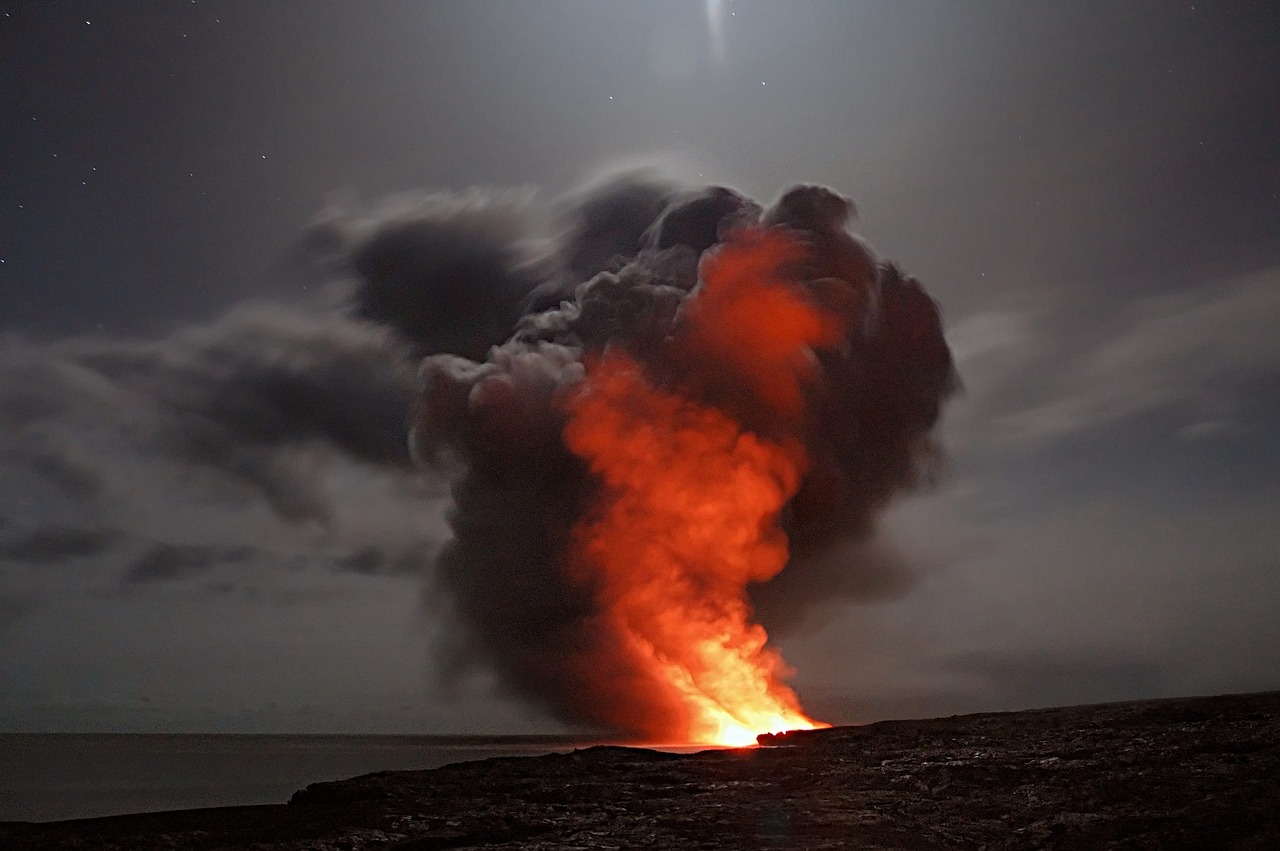
These seven catastrophic events remind us that nature has always been humanity’s ultimate game-changer. For the entirety of human history, natural disasters have played a pivotal role in civilizational development. Disasters like floods, droughts, volcanic eruptions, earthquakes, tsunamis, and famines have been catalysts for the decline of civilizations and the advent of new ones. What strikes me most about these ancient disasters is how they didn’t just destroy. They created opportunities for human resilience, innovation, and transformation.
Each catastrophe forced surviving populations to adapt, migrate, or completely reinvent their societies. The Minoan collapse paved the way for Greek dominance. The Black Death ended feudalism and sparked the Renaissance. Pompeii’s preservation taught us more about Roman life than any written record ever could. Perhaps that’s the most remarkable thing about humanity. We don’t just survive disasters; we transform them into stepping stones toward something entirely new. What do you think about humanity’s ability to rebuild after such devastating events? Tell us in the comments.