If you picture dinosaurs as giant, brightly colored monsters stomping loudly across open plains, you’re only seeing part of the story. A surprising number of them were more like ghosts in the landscape, melting into shadows, leaf litter, and dappled forest light so predators and prey never saw them coming. You’re not just looking at teeth and claws when you study dinosaur survival; you’re looking at color, pattern, and the ancient equivalent of a stealth suit.
The wild part is that scientists can now actually study the colors and patterns of some dinosaur species, not just guess. By analyzing the tiny pigment structures preserved in rare fossils, researchers have started to reconstruct how certain dinosaurs might have blended into their environments. When you realize animals the size of buses tried to stay hidden like sparrows in a hedge, your whole mental picture of prehistoric life starts to shift.
How Scientists Can Tell What Color a Dinosaur Was
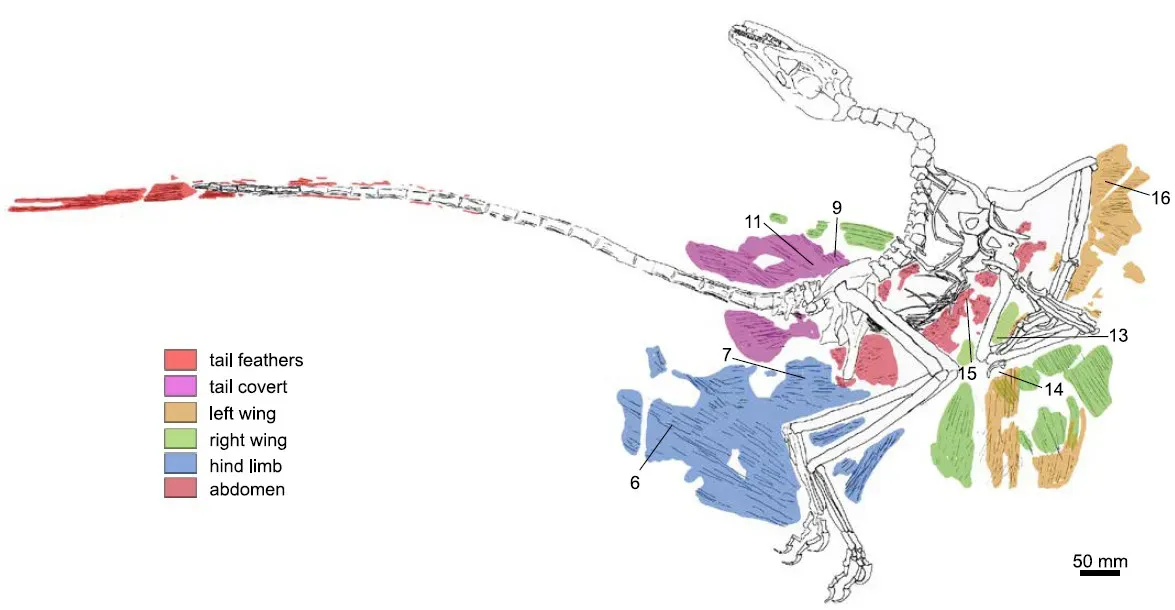
You might assume you’ll never really know what color a dinosaur was, but modern science has given you more clues than you’d expect. In some exceptionally preserved fossils, tiny structures called melanosomes – little packets of pigment – are still visible under powerful microscopes. When you compare their shapes and arrangements to those in modern birds and reptiles, you can infer whether a dinosaur’s feathers or skin were likely dark, reddish, patterned, or even iridescent.
Instead of just painting dinosaurs however you like in your imagination, you now get to lean on real physical evidence. For species like Anchiornis or Sinosauropteryx, scientists have been able to roughly reconstruct color patterns, including darker backs and lighter bellies. That means you’re not just guessing about camouflage; you’re tracing it back to actual fossil chemistry. It turns dinosaurs from vague movie monsters into animals you can almost see moving through the trees.
Countershading: Dark Backs, Pale Bellies, and Vanishing Outlines
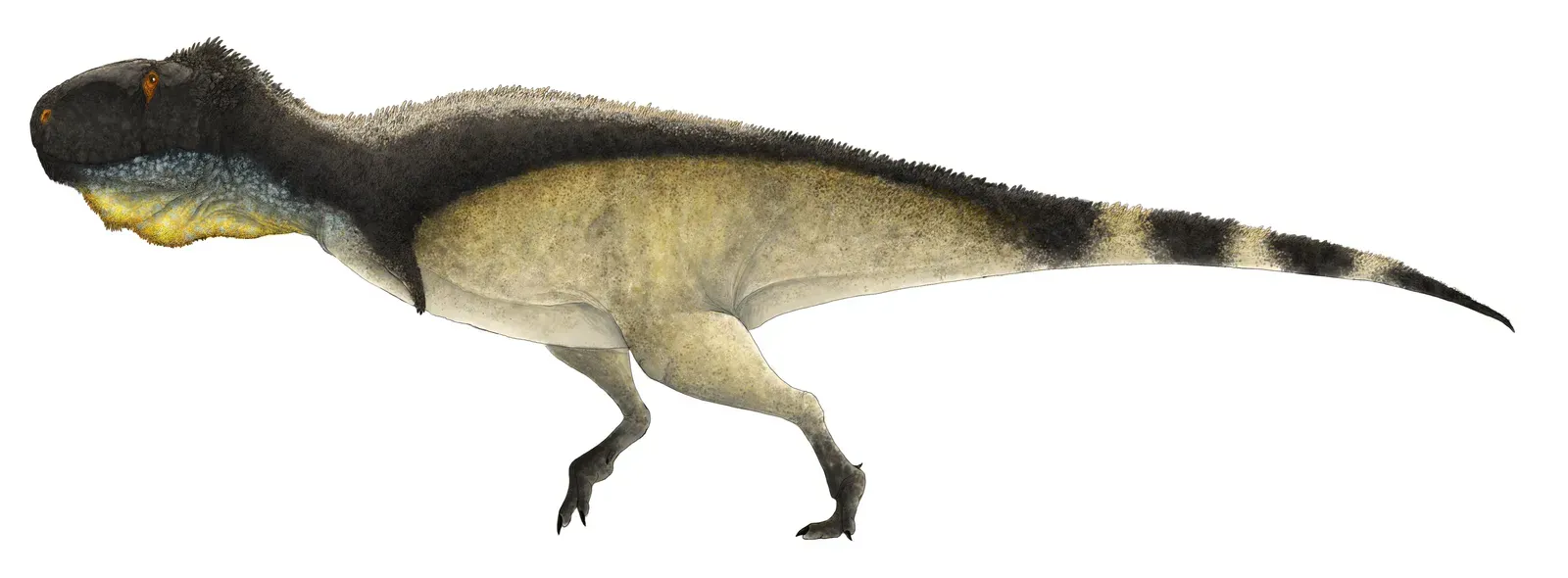
If you look at a deer, a shark, or a penguin, you’ll notice a common pattern: darker on top, lighter underneath. You see the same thing in many dinosaur reconstructions because this pattern, known as countershading, is one of nature’s oldest camouflage tricks. When sunlight hits an animal from above, it casts natural shadows that make it look more three-dimensional; a darker back and lighter belly flatten out those shadows and make the body shape harder to spot from a distance.
Some fossil analyses suggest that certain plant‑eating dinosaurs, and even some smaller predators, had strong countershading. For you, this means that if you were standing in a Late Jurassic forest, a mid‑sized dinosaur only a short distance away might basically vanish into the background light. This kind of camouflage is especially useful in open woodlands or along forest edges, where light and shade mix constantly. You’re looking at an ancient survival strategy that’s still in heavy use by wild animals around you today.
Striped Tails and Banding: Confusing Eyes and Breaking Up Shapes
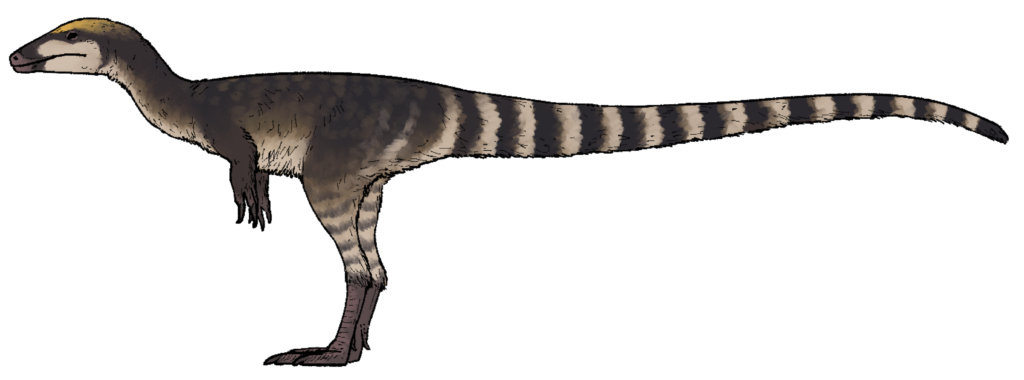
You know how a tiger’s stripes help it disappear into tall grass, even though it’s bright orange? Dinosaurs seem to have used similar pattern tricks with stripes, bands, and rings, especially on tails. In some fossils, pigment distribution hints that certain species had ringed or banded tails, which would have made their body outline harder to recognize in broken light under trees, bushes, or ferns. To a predator scanning the undergrowth, that movement might look like just another shifting shadow or branch.
For you as an observer, banding would have also made it harder to track exactly where one dinosaur’s body started and ended, especially in a herd or group. Imagine trying to follow a single striped tail flicking back and forth in tall vegetation; your brain would struggle to lock onto it. This kind of disruptive patterning is less about making the animal look like something else and more about preventing a clear mental picture from forming in the eye of whoever is watching. In a world of ambushes and chases, that mental delay could mean life or death.
Forest Shadows and Dappled Light: Camouflage in the Understory
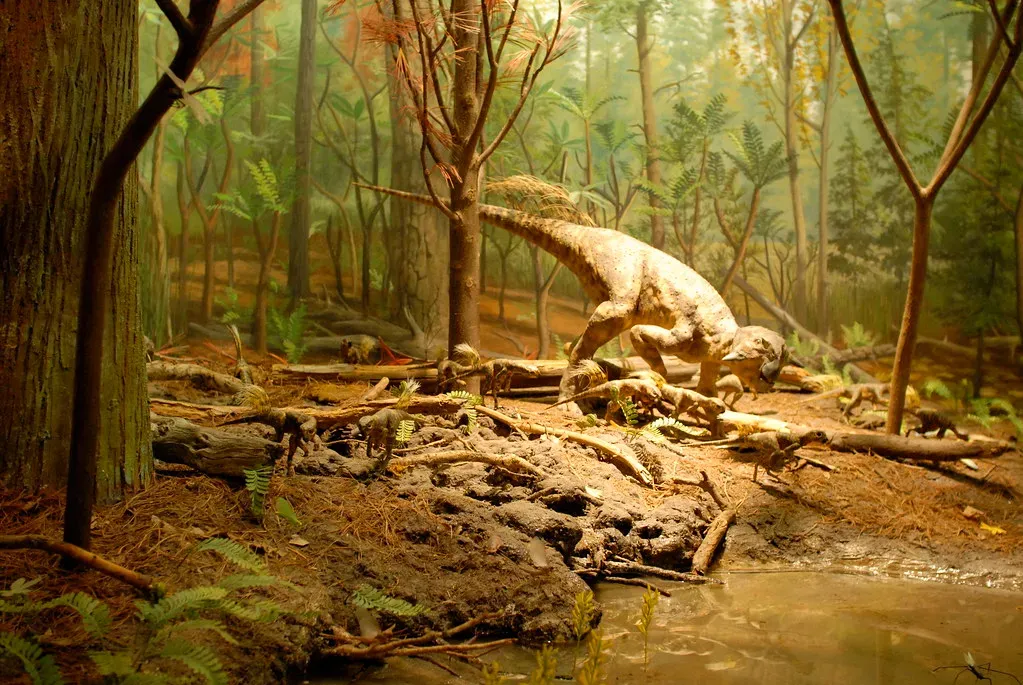
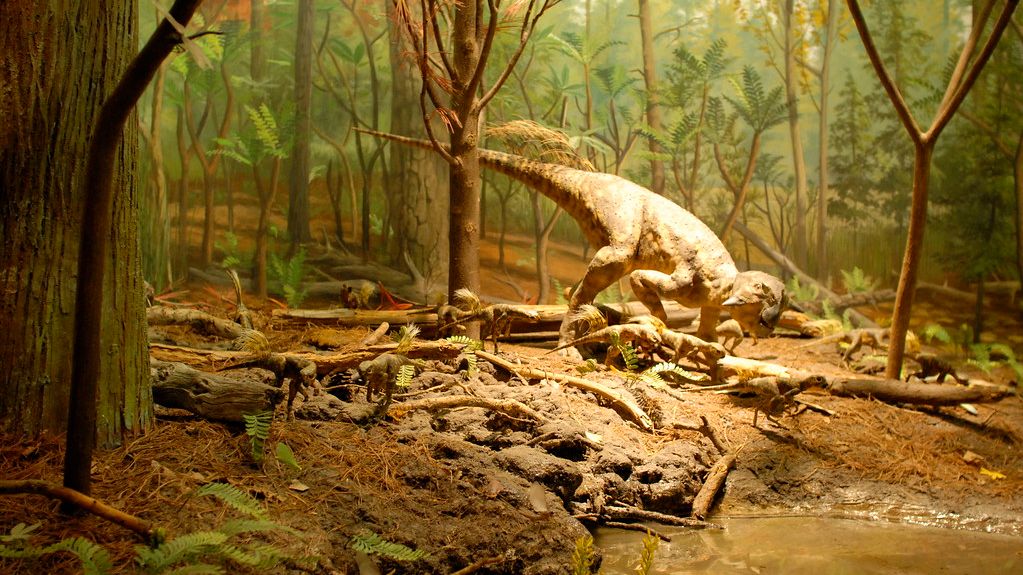
If you’ve ever tried to spot a bird in a leafy tree, you know how brutal dappled light is on your eyes. Patches of sun and shadow move constantly with the breeze, and anything sitting still quickly becomes invisible. Some smaller, feathered dinosaurs likely lived in this exact kind of world, relying on mottled or spotted patterns to blend into shifting forest light. You can picture them perched on branches, rust‑colored and speckled, looking almost exactly like the bark and leaves around them.
For dinosaurs living deep in forests or near the ground in heavy vegetation, camouflage would not have been optional – it would have been your daily armor. Camouflage here isn’t just about hiding from giant predators; it’s also about sneaking up on insects, small mammals, or other dinosaurs without spooking them. If you imagine yourself as one of these animals, you’re not roaring and charging; you’re freezing, blending, waiting for the perfect moment when you’re basically part of the scenery until you move.
Camouflage for Hunters: Stalking Instead of Sprinting
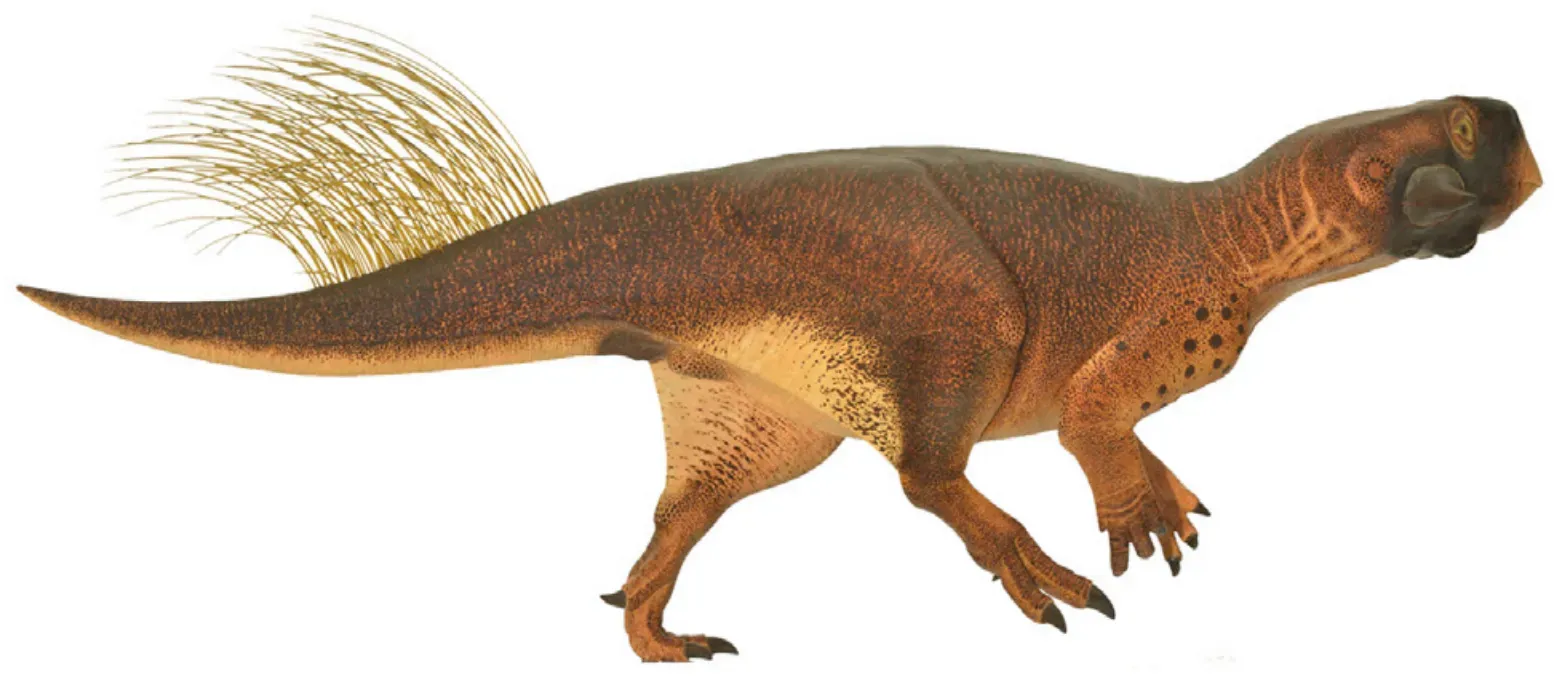
When you think of predatory dinosaurs, you might picture open‑field chases and dramatic leaps, but stalking and stealth were probably just as important. Just like modern big cats rely on being unseen for as long as possible, many smaller and mid‑sized theropods likely depended on camouflage to get within striking distance. If your patterns helped you blend into rocks, scrub, or tree trunks, you needed fewer explosive sprints and took fewer risks with injury or exhaustion.
Some reconstructed predators show darker backs, mottled flanks, and even banded limbs that would have broken up their outline in low vegetation. For you, that means a camouflaged hunter could lurk shockingly close to a herd without being noticed, especially if it stayed downwind and moved in short, careful bursts. Camouflage becomes a kind of invisible weapon, turning patience and positioning into advantages that mattered just as much as sharp teeth and claws.
Camouflage for Prey: Surviving in Plain Sight
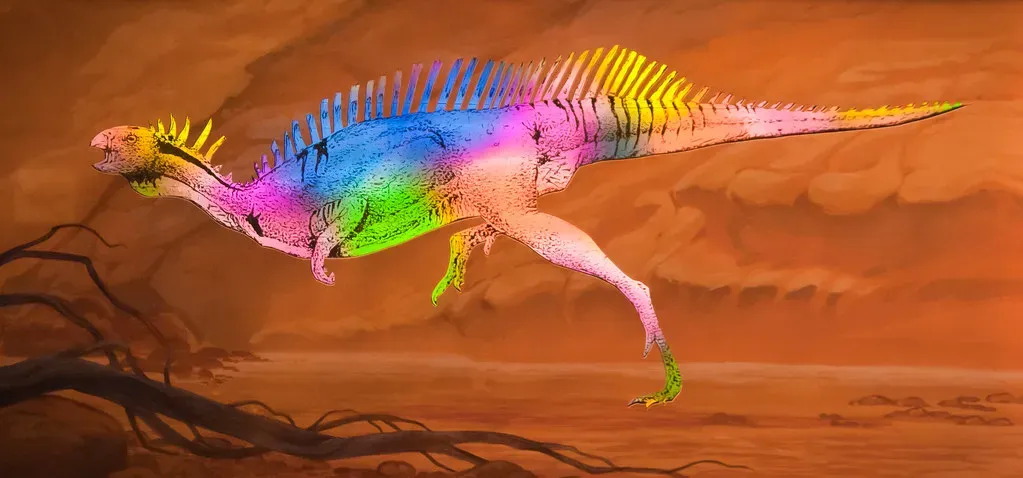
If you imagine yourself as a plant‑eating dinosaur, too big to climb trees and too slow to outrun the fastest predators, blending in starts to sound like your best friend. Camouflage for prey animals is usually about looking boring, dull, and completely unremarkable, and some dinosaurs almost certainly leaned hard into that strategy. Earth‑tone colors, muted patterns, and soft transitions between light and dark would’ve helped them melt into their environment, especially when they stayed still.
Many modern herbivores rely on freezing in place when threatened, and you can easily apply that logic to medium‑sized dinosaurs grazing near forest edges, lakes, or riverbanks. A still body with good camouflage loses its three‑dimensional pop, turning into just another patch of ground, mud, or foliage. If you think of a herd resting in tall ferns, their colors and patterns would make it hard for a distant predator to pick out a single clear target. Sometimes survival is not about drama; it is about being so visually forgettable that danger simply passes you by.
What Camouflaged Dinosaurs Teach You About Evolution
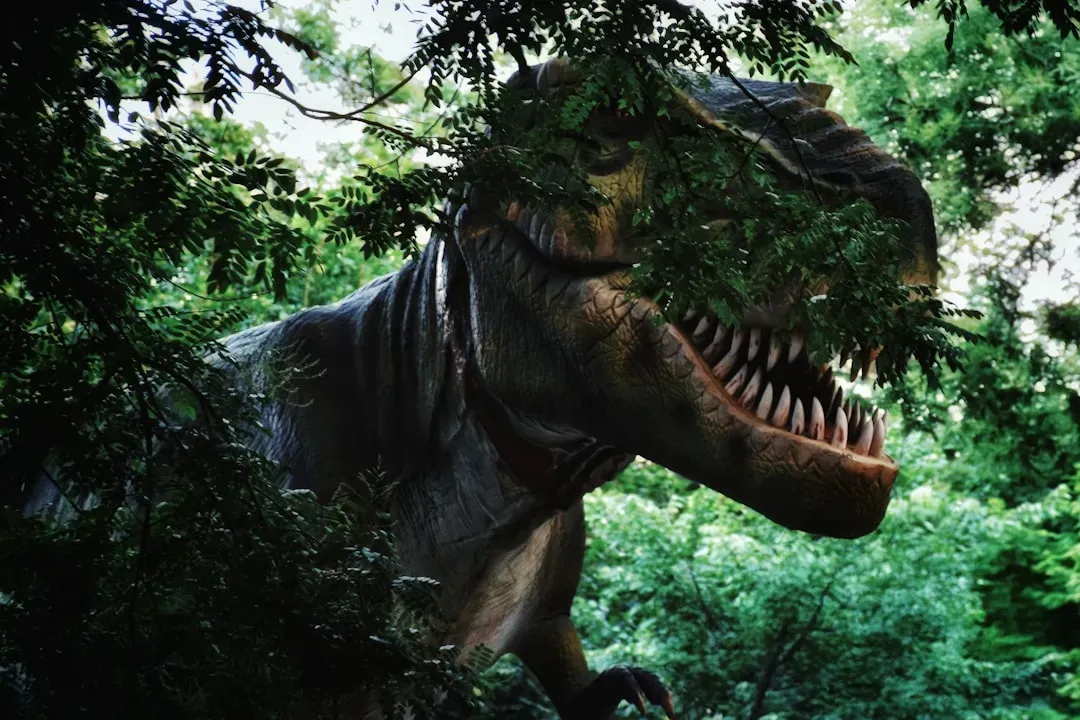
When you follow the evidence for camouflage in dinosaurs, you’re really watching evolution refine the same survival tools again and again. Dark backs and light bellies, stripes, spots, mottling – these patterns show up in birds, reptiles, fish, and mammals today because they work, and dinosaurs were part of that long-running experiment. You’re seeing natural selection favor any detail that made it slightly harder to be noticed, whether you were hunting or trying not to be hunted.
For you, the story of camouflaged dinosaurs is a reminder that the past was not just a parade of giant, obvious creatures. It was a world full of subtlety: animals tuned so precisely to their surroundings that you might have walked right past them without realizing. The same invisible arms race is still playing out around you in forests, fields, and oceans. Next time you struggle to spot a bird on a branch or a lizard on a rock, you’re getting a tiny glimpse of what it would have been like to share a landscape with those hidden giants.
In the end, camouflage turns dinosaurs from cinematic monsters into real, complicated animals that had in a brutal, competitive world – just like wildlife today. You’re not only learning what they looked like; you’re learning how they lived, how they hunted, and how they stayed alive long enough to leave behind the fossils you now study. And it leaves you with a quietly unsettling thought: if you were dropped into their world, how many of them would you never see until it was already too late?