Everyone loves a good dinosaur movie. Giant teeth, echoing roars, desperate humans sprinting in the rain – it all taps into that childhood feeling of staring at a T. rex skeleton and imagining it coming to life. But once you learn a bit of real paleontology, some on‑screen dinosaurs stop being scary and start being unintentionally hilarious. The gap between science and cinema is sometimes so wide that you’re basically watching a dragon in a rubber dino suit.
This list is for those gloriously wrong dinos: the ones that stomped through pop culture looking cool, but made actual scientists wince. We’ll dig into what the movies got wrong, what real fossils tell us, and why directors keep repeating the same myths. Along the way, you might find your childhood favorites getting gently roasted – but also learn why the real animals were often stranger, smarter, and more interesting than anything Hollywood dreamed up.
1. Jurassic Park’s Velociraptor: The Smart, Scaly Goblin That Never Was
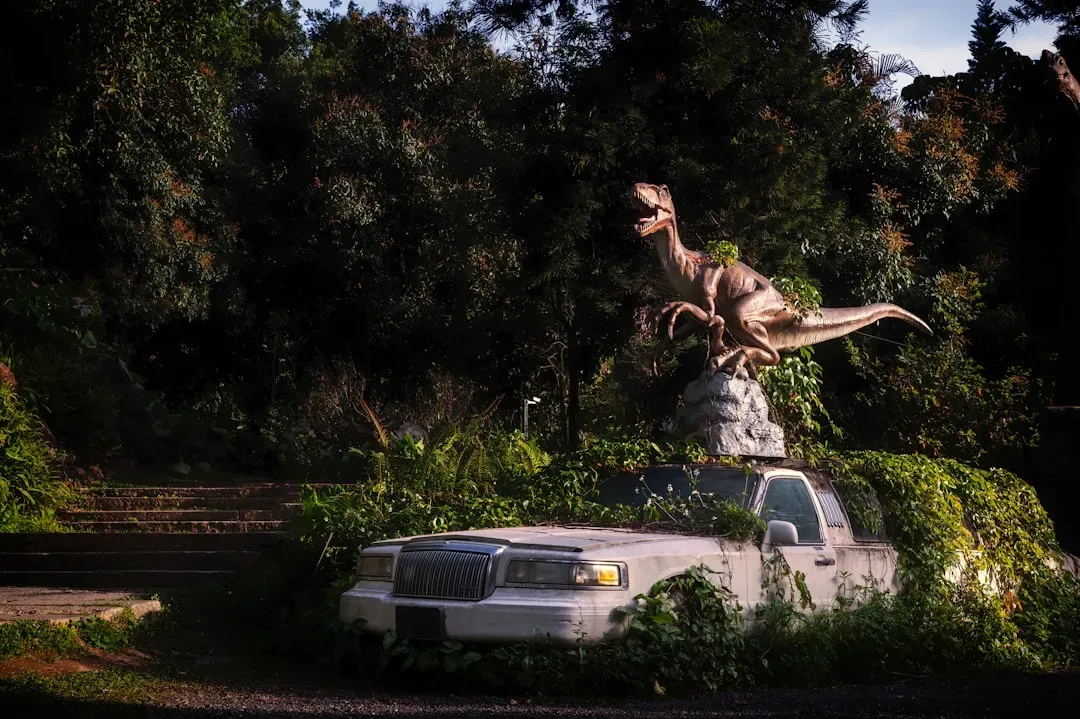
The movie version of Velociraptor is pure nightmare fuel: human‑sized, hyper‑intelligent pack hunters opening doors, coordinating flanks, and clicking their talons like assassins. The problem is, real Velociraptor was closer in size to a big turkey than a wolf, and it almost certainly sported feathers. Its famous “killing claw” is real, but there’s no solid evidence it hunted in organized, wolf‑style packs or had near‑human problem‑solving abilities. It was a sharp, capable predator, but the film cranks every dial up to eleven.
On top of that, the movie raptors are basically based on a different dinosaur: Deinonychus, which was larger and more similar in build to the on‑screen animals. Even then, scientists increasingly see dromaeosaurs as agile, birdlike predators, not scaly lizards with supercomputer brains. The cognitive leap from clever bird of prey to tactical horror‑movie villain is massive. When you realize you’re essentially watching a giant, naked murder‑chicken that never existed, the door‑handle scene suddenly feels more like science fantasy than science fiction.
2. Godzilla’s “Tyrannosaurus” Ancestors: Dinosaurs Reimagined as Nuclear Lizards
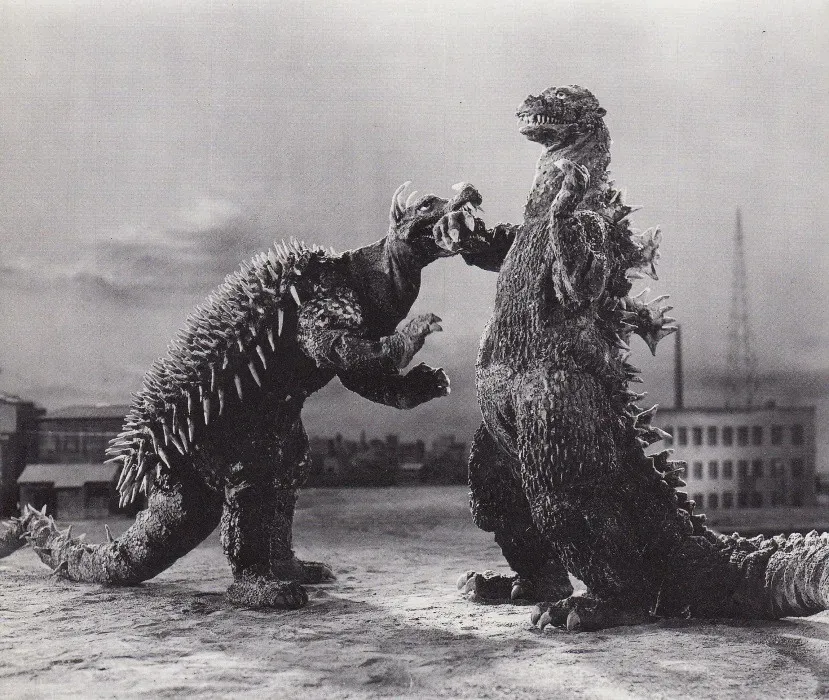
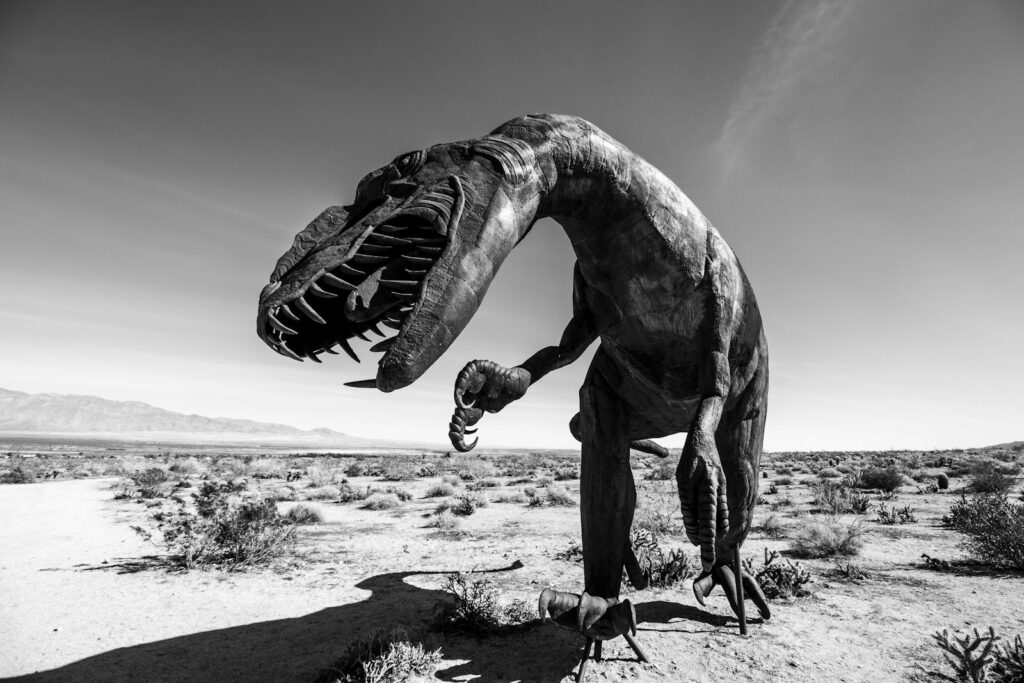
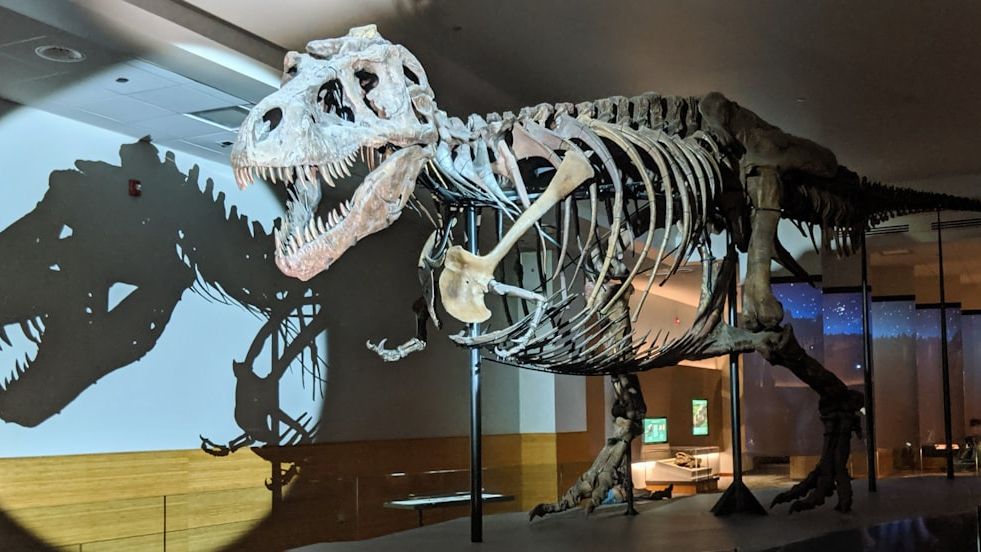
Godzilla has been loosely linked to dinosaurs for decades, sometimes being described in lore as a mutated prehistoric reptile or a Tyrannosaurus‑like creature warped by radiation. The design, though, looks nothing like an actual theropod dinosaur. Its posture is an awkward blend of man‑in‑a‑suit upright stance and lizard tail‑dragging, a style paleontologists abandoned long ago. Real large theropods like Tyrannosaurus balanced in a horizontal, birdlike posture with the tail held off the ground as a counterweight, not like someone standing in a rubber costume.
Then there are the body details: oversized, chunky arms that make no anatomical sense, a reptilian skin texture more in line with a crocodile or dragon, and indeterminate proportions that ignore bone mechanics. None of this is remotely grounded in actual fossil evidence. Godzilla is fun because it is essentially a walking radiation metaphor in monster form, but when people casually call it a “dinosaur,” any resemblance to real Mesozoic animals is hanging on by a single, very frayed thread. It is a kaiju first, a dinosaur maybe in the vaguest sense possible.
3. The Land Before Time’s Sharptooth: Tyrannosaurus as an Indestructible Slasher Villain
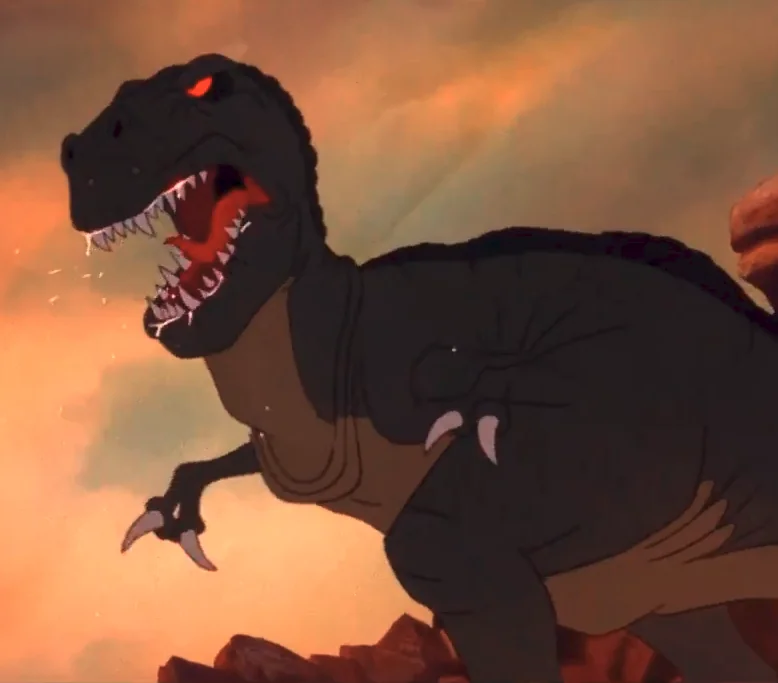
Sharptooth, the terrifying antagonist in The Land Before Time, is essentially a Tyrannosaurus rex dialed up to mythical status. He shrugs off falls, crushes obstacles with impossible ease, and behaves more like a relentless movie slasher than an actual animal. Real T. rex was certainly powerful, but it still had bones that could break, joints that could be injured, and a metabolism that required rest and recovery. It was not an unstoppable zombie that survived every impact and injury without consequence.
The portrayal also leans heavily into the “always the villain” trope, which ignores that even the most fearsome predators spent most of their time doing mundane things like walking, resting, scavenging, and searching for food. A real T. rex almost certainly did not spend every waking moment single‑mindedly chasing the same small group of herbivores across the landscape. The movie’s Sharptooth works emotionally as a child’s embodiment of danger, but as a reconstruction of a real dinosaur, it is about as subtle and accurate as a comic‑book supervillain.
4. 1950s Tail‑Dragging Dinosaurs: The Sluggish Swamp Lizards That Never Existed
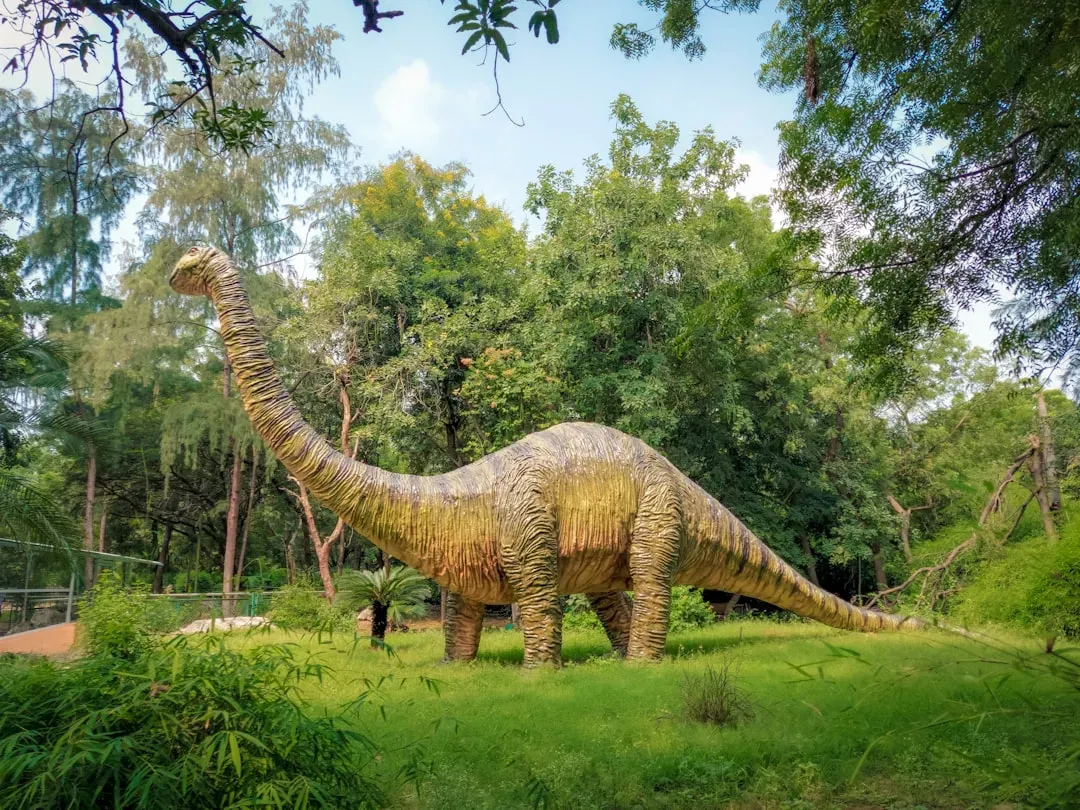
Classic films from the mid‑twentieth century often showed dinosaurs as slow, tail‑dragging beasts lumbering along with their backs arched and their heads held low. This image came from outdated scientific ideas that treated them as oversized reptiles living in swamps to support their massive weights. Modern fossil trackways and skeletal studies completely overturn that picture. The lack of continuous tail drag marks in many preserved footprints suggests that large dinosaurs held their tails aloft, and their limb structure points to active, dynamic locomotion rather than sluggish wallowing.
Movies that copied these old ideas essentially turned dinosaurs into overgrown iguanas with bad posture. In reality, many dinosaurs had birdlike skeletons with strong hips and balanced centers of gravity built for efficient movement. Even massive sauropods were not flopping around chest‑deep in stagnant water just to keep from collapsing. When you rewatch those old films, the shuffling, tail‑plowing giants feel less like prehistoric animals and more like someone trying to animate a parade float with strings and guesswork.
5. The Lost World–Style Pteranodons: Dinosaurs with Killer Teeth They Never Had
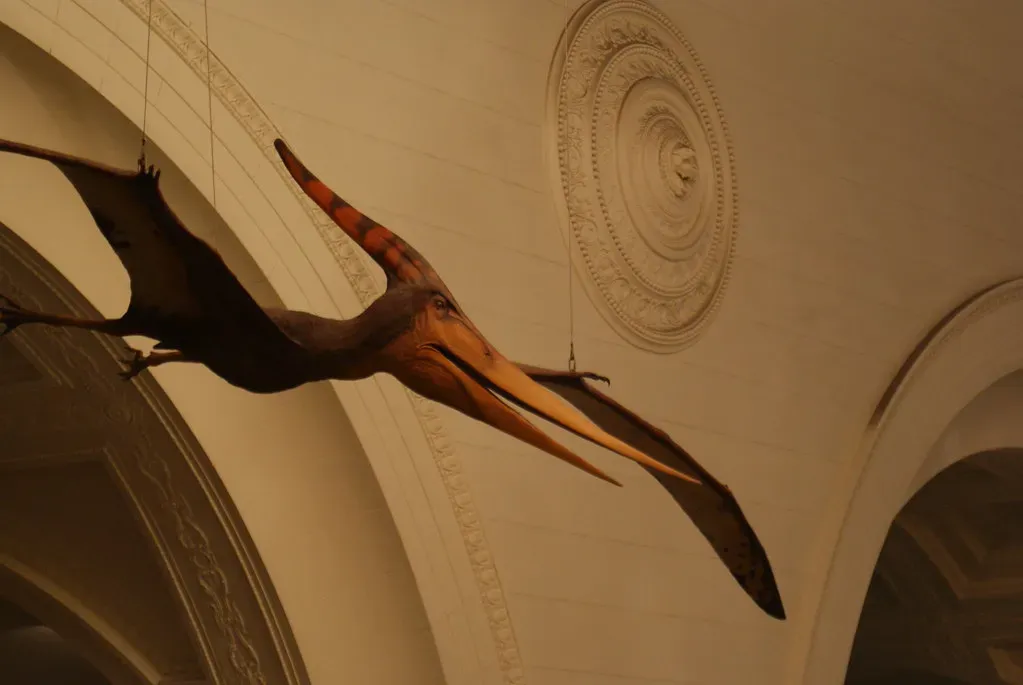
Movies love to throw Pteranodon into the “dinosaur” mix and then immediately give it a mouth full of snapping teeth so it can look more intimidating while carrying off screaming humans. That combination is comically wrong. Pteranodon was not a dinosaur at all but a pterosaur, part of a related but distinct group of flying reptiles. And the fossils are crystal clear on one major point: it had no teeth. Its long, pointed beak was toothless, probably adapted for grabbing fish and other small prey rather than chomping through people like an airborne shark.
On‑screen, you’ll regularly see these creatures flapping like clumsy bats, hovering in place, or carrying adult humans with casual ease. Real pterosaurs were highly specialized fliers with light, hollow bones and complex wing membranes designed for soaring and efficient gliding, not hauling cargo that weighed as much or more than they did. The “toothed, dinosaur‑bird hybrid that dive‑bombs crowds” is fantastic cinema, but if you put it next to an actual Pteranodon skeleton, you would realize quickly that the resemblance is mostly just the rough outline of a flying thing with a crest.
6. Jurassic World’s Mosasaurus: The Kaiju Sea Monster That Ate the Rulebook
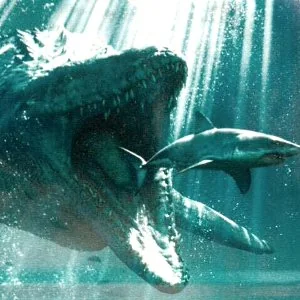
The Mosasaurus in Jurassic World is a crowd‑pleaser, leaping out of the water to swallow sharks and, at one point, grabbing a massive dinosaur out of the air like it is snacking on popcorn. The real animal was indeed a large marine reptile, but its on‑screen size is blown up dramatically, turning it into something closer to a small kaiju than a plausible mosasaur. Scientific estimates put even the biggest known mosasaurs at lengths impressive enough on their own, without needing to transform them into cruise‑ship‑sized monsters that can casually breach like dolphins on steroids.
The behavior is just as exaggerated. The film’s Mosasaurus behaves like a hyper‑athletic orca mixed with a crocodile, launching vertically from the water and displaying eye‑catching acrobatics. Real mosasaurs were powerful swimmers, but their anatomy suggests side‑to‑side undulation similar to modern monitor lizards and some marine reptiles, not high‑jump specialists perfectly tuned for theme‑park spectacle. The result is thrilling, no doubt, but it has more in common with a special‑effects show than with the messy, biomechanical reality of life in the Late Cretaceous seas.
7. Jurassic Park’s Dilophosaurus: The Tiny, Spitting, Frilled Prank That Never Happened
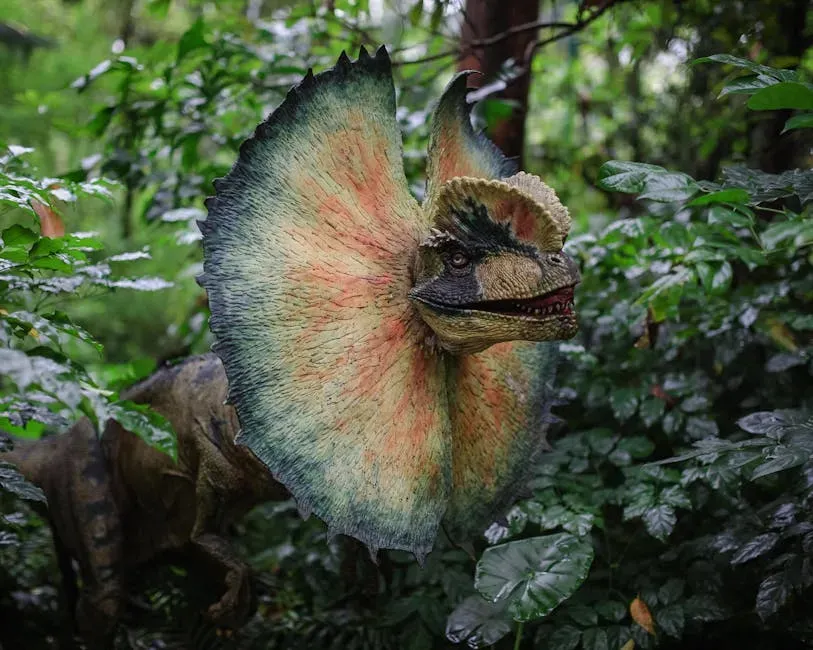
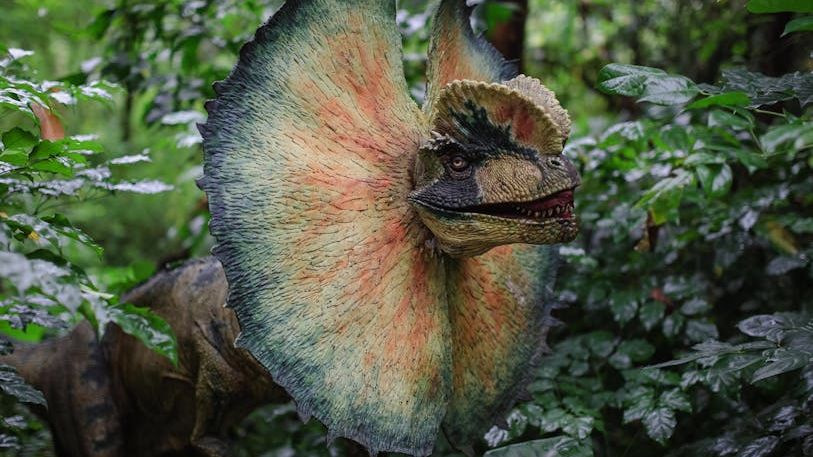
When people remember Dilophosaurus from Jurassic Park, they picture the small, playful creature that suddenly deploys a neck frill and spits venom into an unlucky programmer’s face. Almost every part of that depiction is invented. Fossils show Dilophosaurus was actually a fairly large theropod, significantly bigger than the dog‑sized movie version. There is no evidence for a neck frill, and no fossil indication of venom spitting apparatus like specialized grooves in the teeth or skull adaptations seen in some venomous animals today.
The real dinosaur had distinctive crests on its head, which are accurately referenced in the film, but those were likely for visual display or species recognition rather than theater‑kid jump scares. The spitting‑venom angle seems to have been inspired by modern spitting cobras, while the expanding frill borrows from the frilled lizard of Australia. The movie essentially wrapped one dinosaur in the costume of two unrelated living reptiles. As a piece of creature design it is brilliant, but as a reconstruction of an actual Jurassic animal, it is more prank than paleontology.
8. Random “Raptors” and “Dinosaurs” in Cheap Films: The Generic Monster Costumes
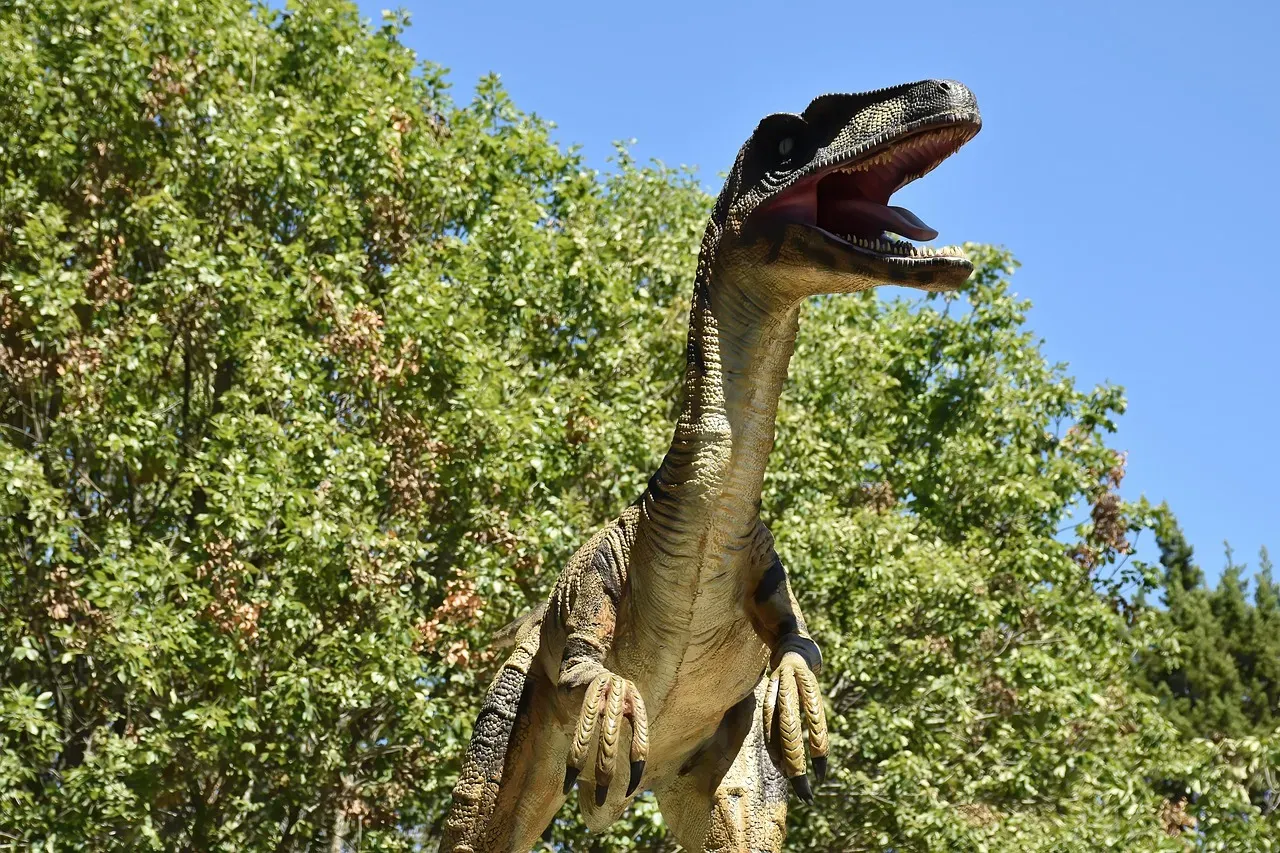
At the very bottom of the accuracy barrel are the low‑budget dinosaur films that slap the word “raptor” or “dinosaur” on almost any rubber‑suited monster. You’ll see creatures with four fingers when they should have three, oversized horns that do not match any known species, or bodies that mix features from ceratopsians, theropods, and crocodiles into a single incoherent design. These films often ignore basic anatomy like joint direction, limb proportions, and how tails connect to the spine, resulting in animals that could not realistically walk, let alone run or hunt.
There is a strange charm in how boldly wrong some of these designs are, but they also reinforce outdated ideas about dinosaurs as generic, scaly monsters rather than a diverse group of animals with specific evolutionary histories. While big studio productions usually at least start from real fossil blueprints before taking artistic leaps, many cheap films do not bother to take that first step. You end up with creatures that are “dinosaurs” in name only, closer to fantasy goblins in dino drag than anything that actually walked the Earth.
Conclusion: When Wrong Dinosaurs Still Matter
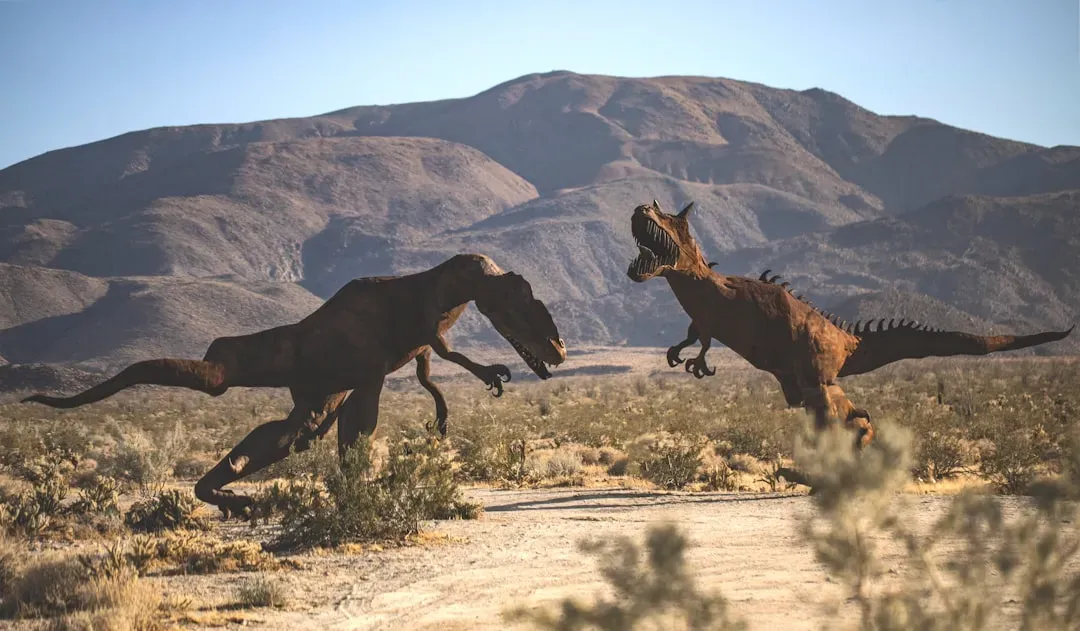
All of these wildly inaccurate dinosaurs prove a slightly uncomfortable truth: movies care more about what looks cool than what is true. Velociraptors are scarier when they are human‑sized geniuses, Mosasaurus is more jaw‑dropping when it can swallow sharks like sardines, and tiny frilled Dilophosaurus makes for a more surprising jump scare than a big, straightforward predator. From a scientific point of view, these choices are frustrating. From a storytelling point of view, they obviously work, and audiences keep rewarding that approach with ticket sales.
Personally, I think filmmakers should be braver about letting real science drive the spectacle, because the actual dinosaurs were already bizarre and dramatic enough. Feathered, birdlike hunters, gigantic plant‑eaters roaming in herds, and marine reptiles slicing through ancient seas do not need much embellishment. When movies ignore that and cling to outdated tropes, they miss a chance to update how millions of people see prehistory. Maybe the next wave of dinosaur films will finally treat accuracy as a creative asset instead of a constraint. If you could redesign one infamous movie dinosaur to match what we now know, which one would you fix first?