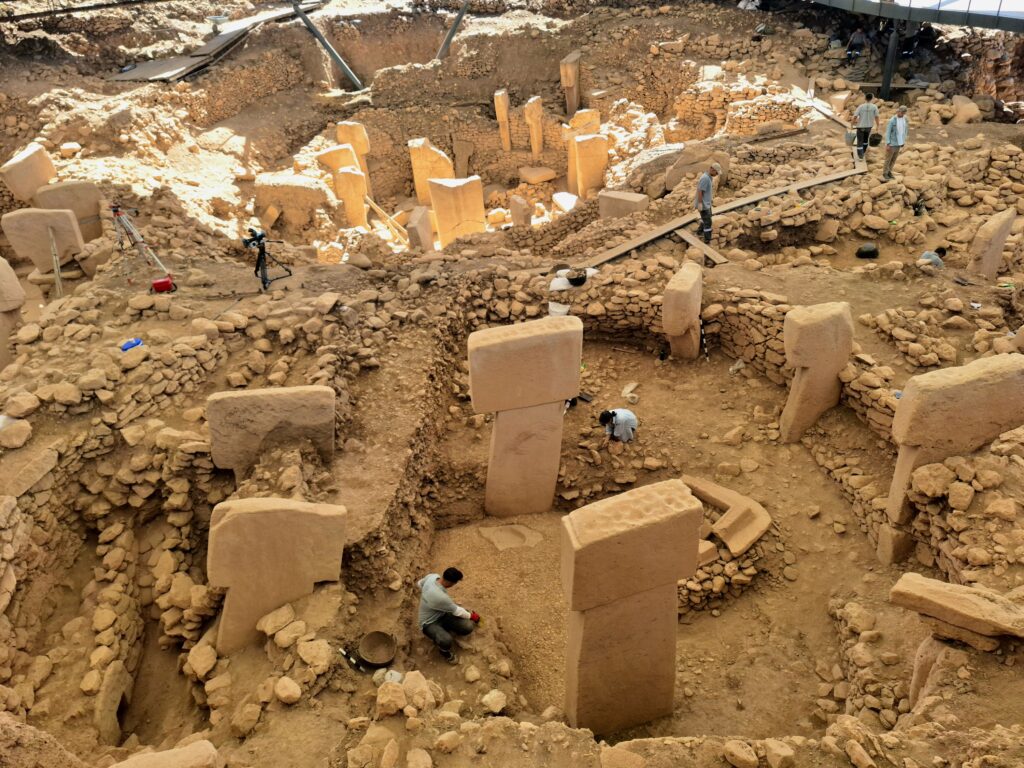
Historians have long described the birth of cities as a turning point that widened the distance between those who held power and those who did not. Small settlements that grew into larger centers were expected to concentrate wealth in the hands of a few rulers, priests, or elites. Yet new findings from a settlement that thrived four thousand years ago point to a different outcome. As the community expanded and its economy strengthened, the gap between rich and poor actually narrowed.
Long-Standing Assumptions About City Life
For generations, scholars viewed urban development as an almost automatic driver of inequality. Villages that became cities gained new forms of organization, trade networks, and specialized labor. In the process, a small group at the top typically gained control over resources and decision-making. The result, according to this view, was a steady increase in the distance between the wealthiest residents and everyone else.
This pattern appeared across many early societies. Leaders could claim larger shares of agricultural surplus or trade goods, while ordinary families saw little improvement in their daily circumstances. The idea became so widely accepted that it shaped how researchers interpreted archaeological evidence from sites around the world.
What the Evidence Actually Shows
Analysis of the ancient settlement reveals a more balanced distribution of goods and housing as the population grew. Homes and storage areas did not cluster around a single dominant structure. Instead, resources appear to have been shared across a wider portion of the community. This pattern held even as the city reached its peak size and economic activity.
Researchers examined layers of occupation that span several centuries. They tracked changes in building sizes, access to imported materials, and the variety of tools and containers found in different neighborhoods. The data indicate that advantages once limited to a few households became available to more residents over time.
Why This Matters for How We Understand Progress
The findings challenge the notion that urban success must come with greater social division. They suggest that the way a community organizes labor, trade, and leadership can produce different results. In this case, growth coincided with broader access to the benefits of city life rather than the concentration of those benefits.
Modern discussions about cities and inequality often draw on the same historical assumptions. If early urban centers could develop without locking in extreme disparities, then current policies around housing, work, and resource distribution may have more room to shape outcomes than is commonly assumed.
Changes That Could Follow From This Perspective
- Urban planners might examine how shared infrastructure supported wider participation in this ancient example.
- Economists could test whether similar patterns appear in other early settlements that left detailed records.
- Policy makers might consider design choices that encourage resource access across neighborhoods rather than concentrating it.
The discovery does not claim that inequality disappeared entirely. It shows that the usual widening of the gap was not inevitable. That distinction leaves open the possibility that later societies can choose different paths when cities expand.